- Category
- Opinion
Why Swiss Tech Still Ends Up in Russian Weapons Despite Neutrality and Sanctions?
 Prefer U24 Media on Google
- Authors

-7e242083f5785997129e0d20886add10.jpg "Photo of Victoria Vyshnivska")
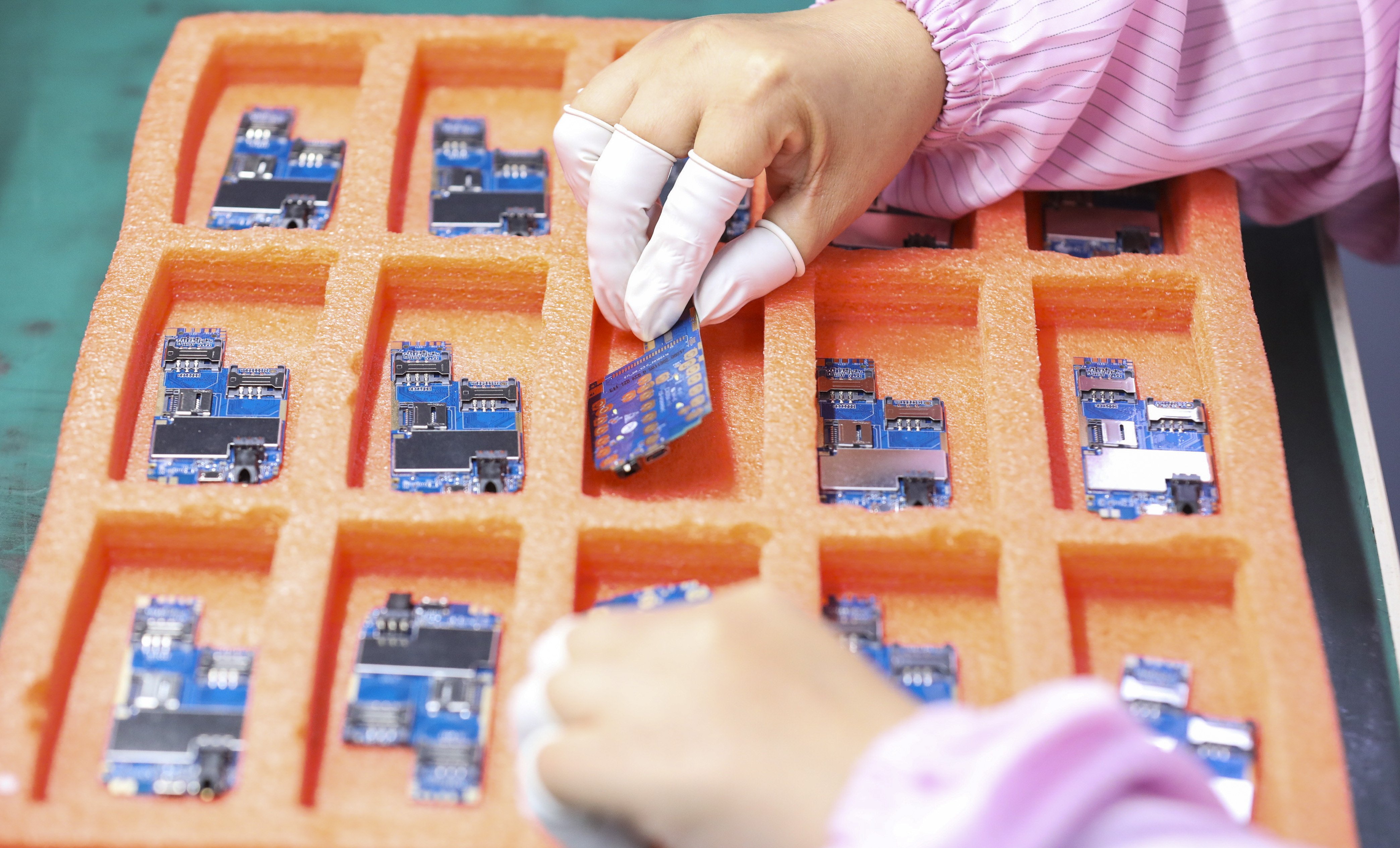
Microchips made in Switzerland turning up in Russian drones show that neutrality today is as much about supply chains as diplomacy.
Almost 103,000 foreign-made components—from companies in the United States, China and Taiwan, the United Kingdom, Germany, Switzerland, Japan, the Republic of Korea, and the Netherlands—were detected in the weapons Russia used to attack Ukraine recently, Ukraine’s President Volodymyr Zelenskyy reported on October 6. The bulk of Western microelectronics was found in drones: nearly 101,000 items. A substantial share of those are Swiss-made, mostly microcontrollers for drones.
Switzerland’s sanctions against Russia
Ukraine’s Independent Anti-Corruption Commission (NAKO) experts recently took part in a webinar co-organized by the School of Criminal Justice at the University of Lausanne. While preparing a presentation for that event, we paid particular attention to Swiss components.
Switzerland provides significant help to Ukraine through sanctions pressure, humanitarian assistance, refugee reception, demining, and diplomacy for reconstruction and peace. At the same time, because of its neutrality and national legislation, it refrains from military assistance and from permitting the re-export of weapons to Ukraine.
As early as February 28, 2022, Bern joined EU sanctions (asset freezes, financial restrictions) and has repeatedly updated the lists of sanctioned individuals and entities since then. The volume of Russian assets frozen in Switzerland has reached, in dollar terms, $9,324,000,000.
Swiss companies linked to Russian weapons
Even being a neutral country, Switzerland still does not have full control over the supply of microelectronics from its manufacturers to prevent them from reaching Russia. Based on our own research and information published on the “War and Sanctions” portal, we identified 11 such companies. Their components (microchips, converters, diodes, transistors) were found in 103 types of Russian weapons—including tanks, the Kinzhal and Kh-101 missiles, and, of course, “Shaheds.”
Leading the “top three” of manufacturers by a large margin is STMicroelectronics. At least 210 of its components have been identified in Russian weaponry. This is one of Europe’s largest microelectronics companies. Its headquarters are located in Switzerland, although the holding company is registered in Amsterdam and the company has historical ties to Italy and France.
Ukraine is preparing sanctions against companies that assist Russia and has put forward proposals to limit supply-chain schemes, the Office of the President said. Such measures are applied regularly, but countries—not only Switzerland—keep finding new export routes to evade sanctions, most notably via China. NAKO believes a comprehensive policy is needed in this area. The detection of Swiss components in Russian weapons demonstrates the complexity and global nature of the problem of sanction evasion. Despite Switzerland’s political neutrality and its alignment with the EU sanctions regime, the lack of effective controls over microelectronics exports allows Russia to continue obtaining critically important components for weapons production.
Strengthening sanctions enforcement
This situation underscores the need to move from declarative support of sanctions to their real implementation through a comprehensive control system. That means thorough investigation of supply chains and holding those responsible to account; ensuring consistency in imposing sanctions; monitoring compliance with sanctions and export controls; creating reliable compliance and customer-identification systems; and increasing the capacities of agencies responsible for sanctions and export control.
All channels for supplying technologies and components that sustain Russia’s war machine must be shut down. Effective action against sanctions evasion requires international coordination, transparency in supply chains, and a willingness by both governments and companies to be accountable for the end use of their products.
Discuss this article:


-206008aed5f329e86c52788e3e423f23.jpg "Photo of Oleksandr Moiseienko")

-f3430f0449615e9897dff835086ac204.jpg "Ukraine Broke With a Soviet-Era Military System and Rebuilt It Around the Soldier")
-e126c16a85d580738cf2d57e760b80a3.jpeg "Photo of Vladyslav Greziev")