- Category
- Photoreports
In Cold Water, Ukraine's Frogsmen Practice Endurance and Control
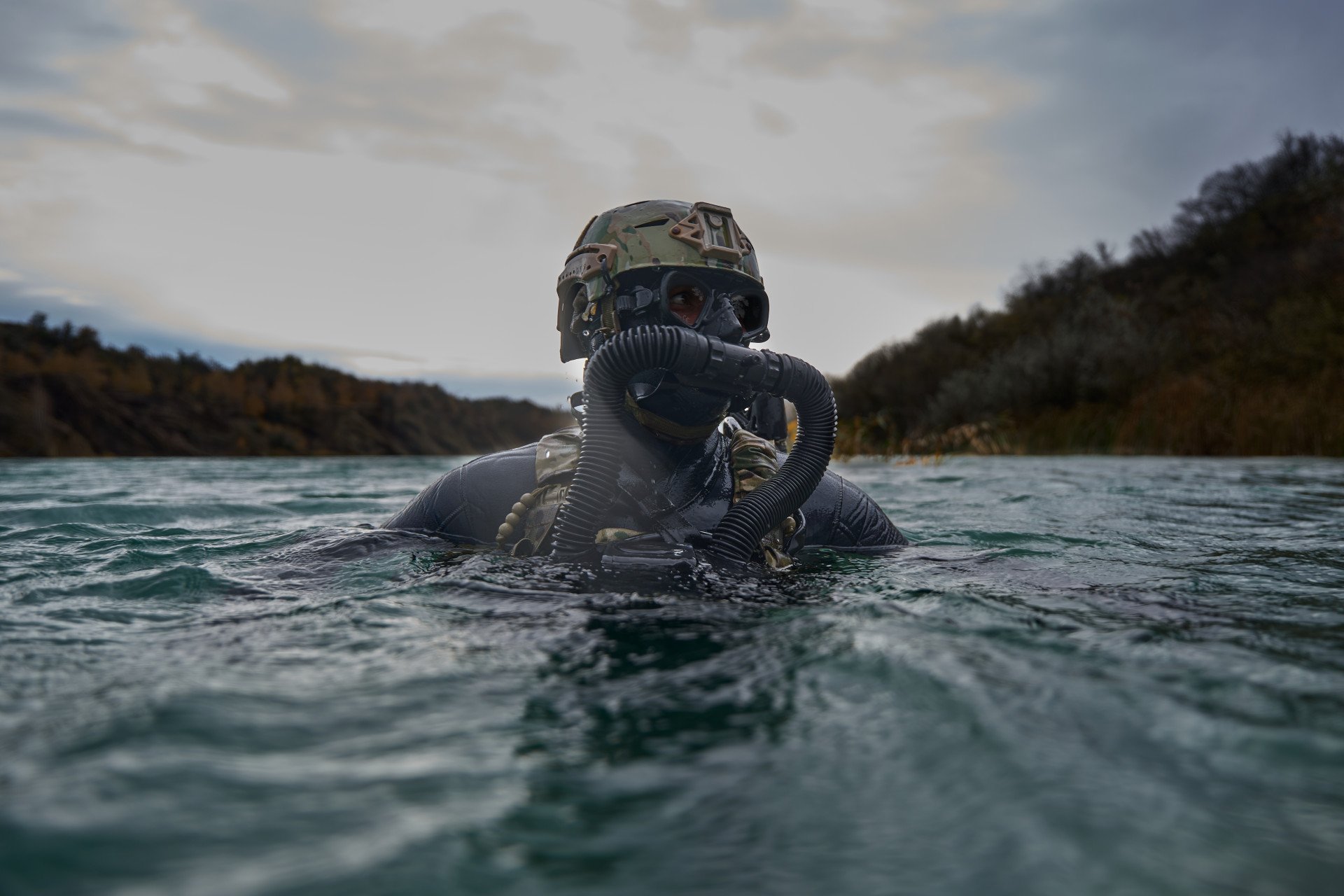
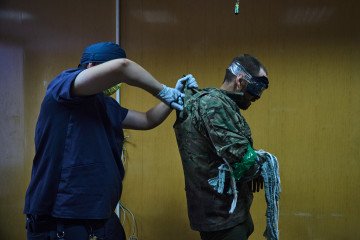
Most of the work of the frogsmen from the 73rd Special Operations Forces Center remains beyond the reach of cameras. Yet this single frame reveals the conditions in which their professionalism is shaped—and their endurance tested—long before any mission begins.
 Prefer U24 Media on Google
- Authors

-42696701342093d1cdbc4069f0f07d6c.jpeg "Photo of Mykyta Shandyba")
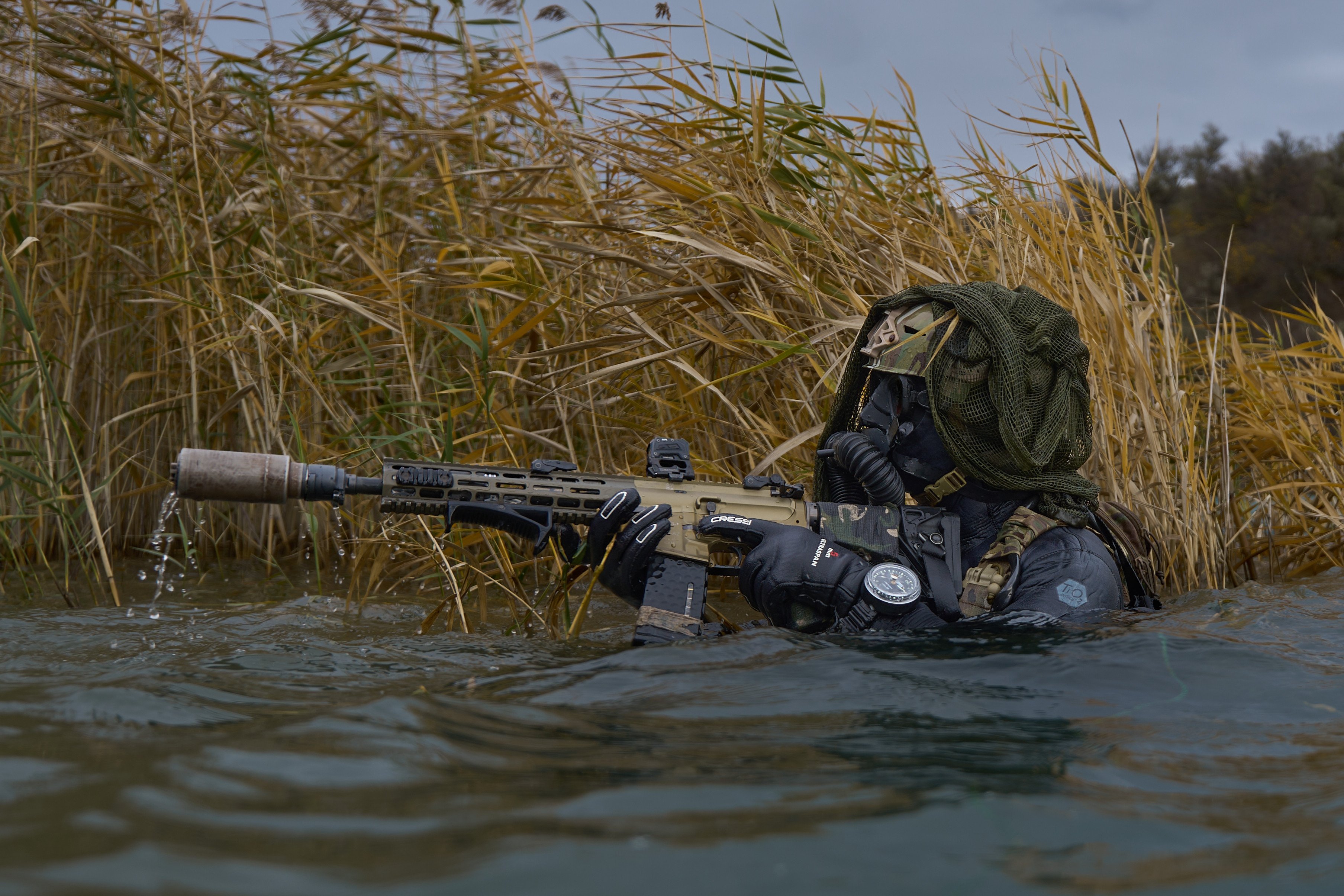
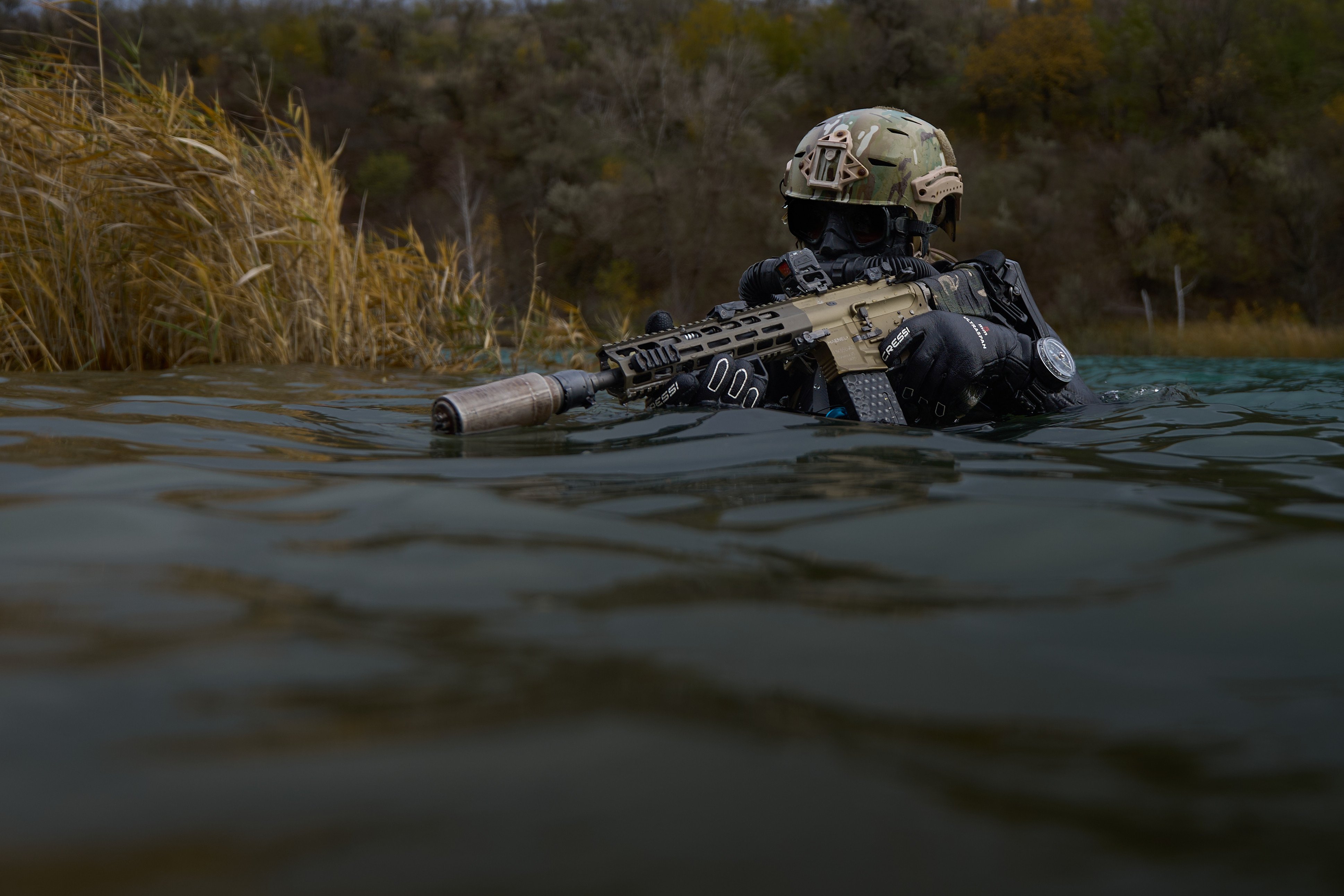
These are frogsmen from the 73rd Special Operations Forces Center during an open-water training exercise. Key elements of their equipment are visible, including a closed-circuit breathing system, or rebreather, which allows them to operate underwater without producing bubbles—a critical requirement for stealth during special missions. Cold water, low light, waves, and minimal visibility are not exceptional circumstances but the baseline conditions of his work.
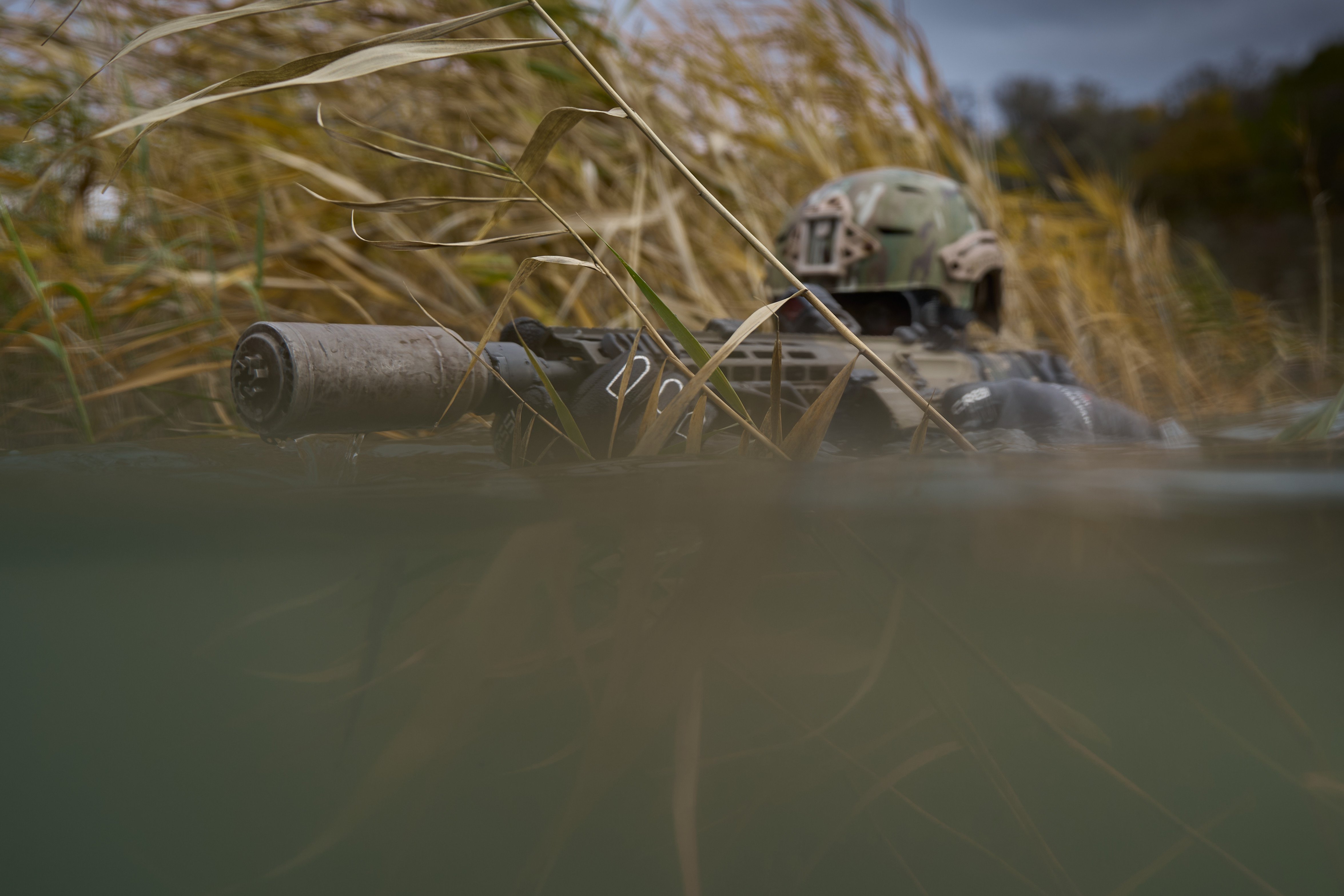
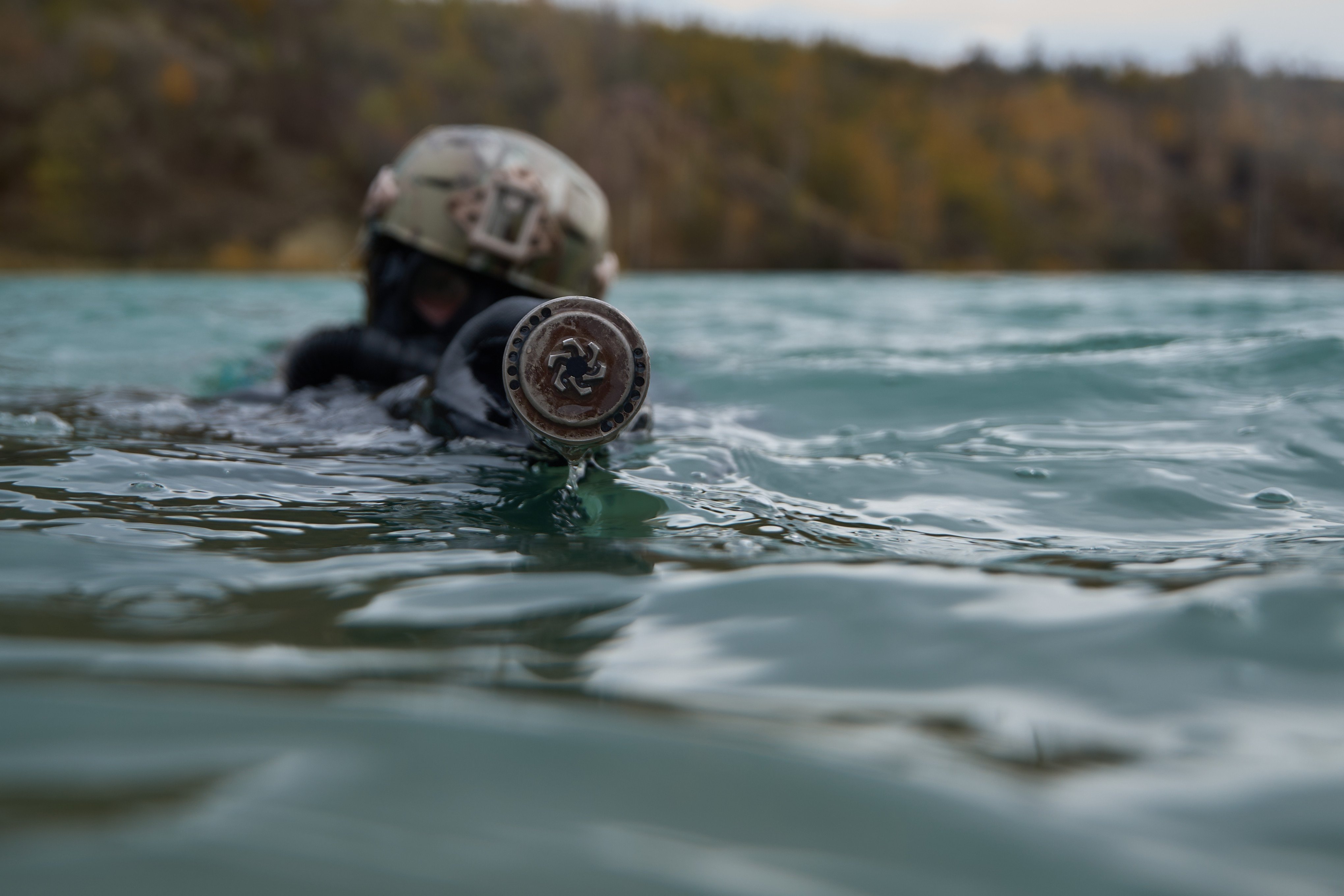
When we were there, one of the operators demonstrated his equipment and spoke about the realities of combat diving in open wate—an environment defined by limited visibility and the absence of any of the controlled, “comfortable” conditions of a swimming pool. For me, as a photographer, this was a long-anticipated assignment. Even water temperatures of around 10°C became secondary; this is the kind of environment in which frogsmen routinely train and operate.
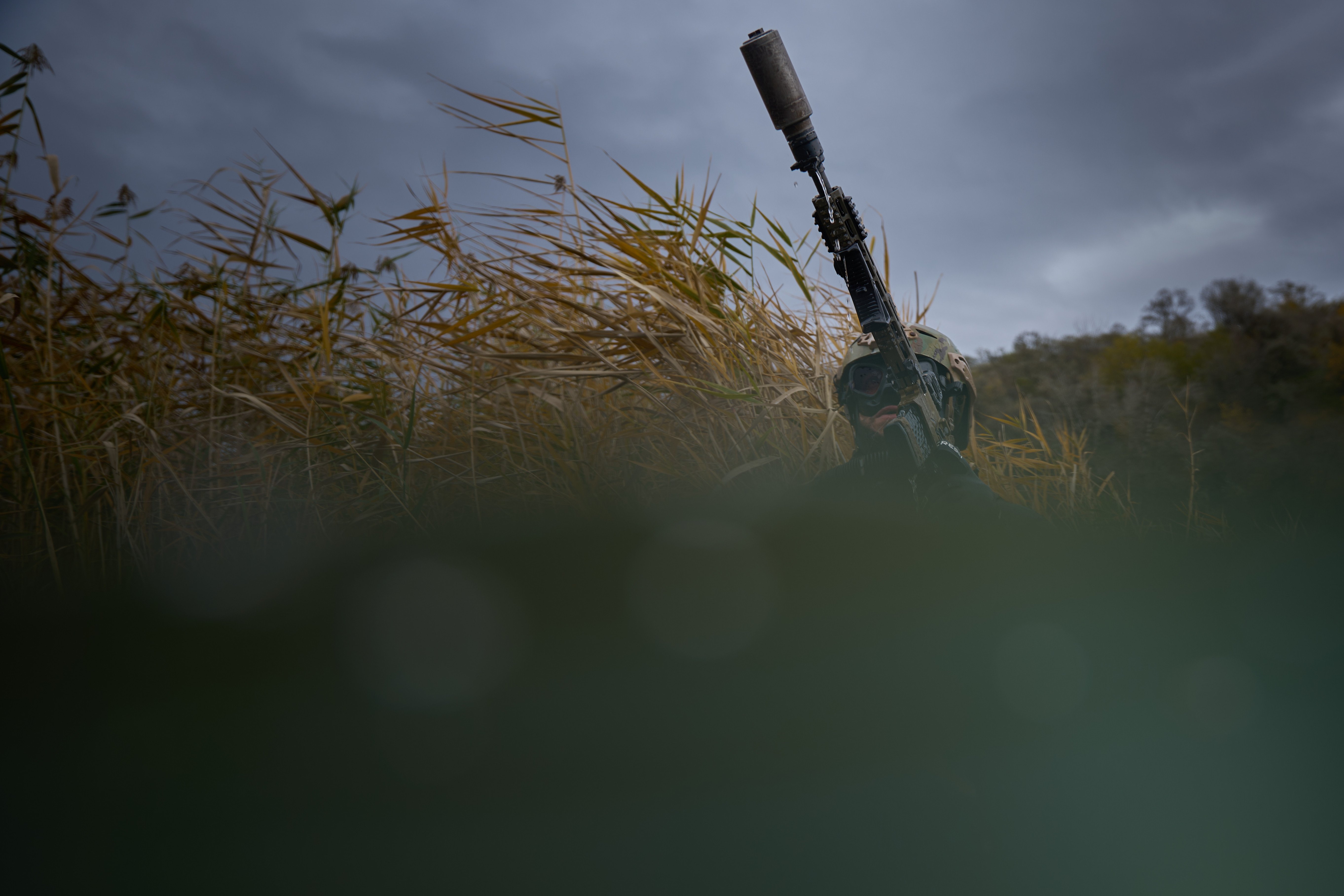
In natural bodies of water, visibility often shrinks to just a few dozen centimeters. Navigation becomes difficult, but concealment improves. Under such conditions, a frogsman operates largely by touch, guided by training and muscle memory rather than sight. According to open sources, these operators are tasked with covert waterborne insertions, coastal reconnaissance, underwater engineering work, and missions conducted in close proximity to shoreline infrastructure.
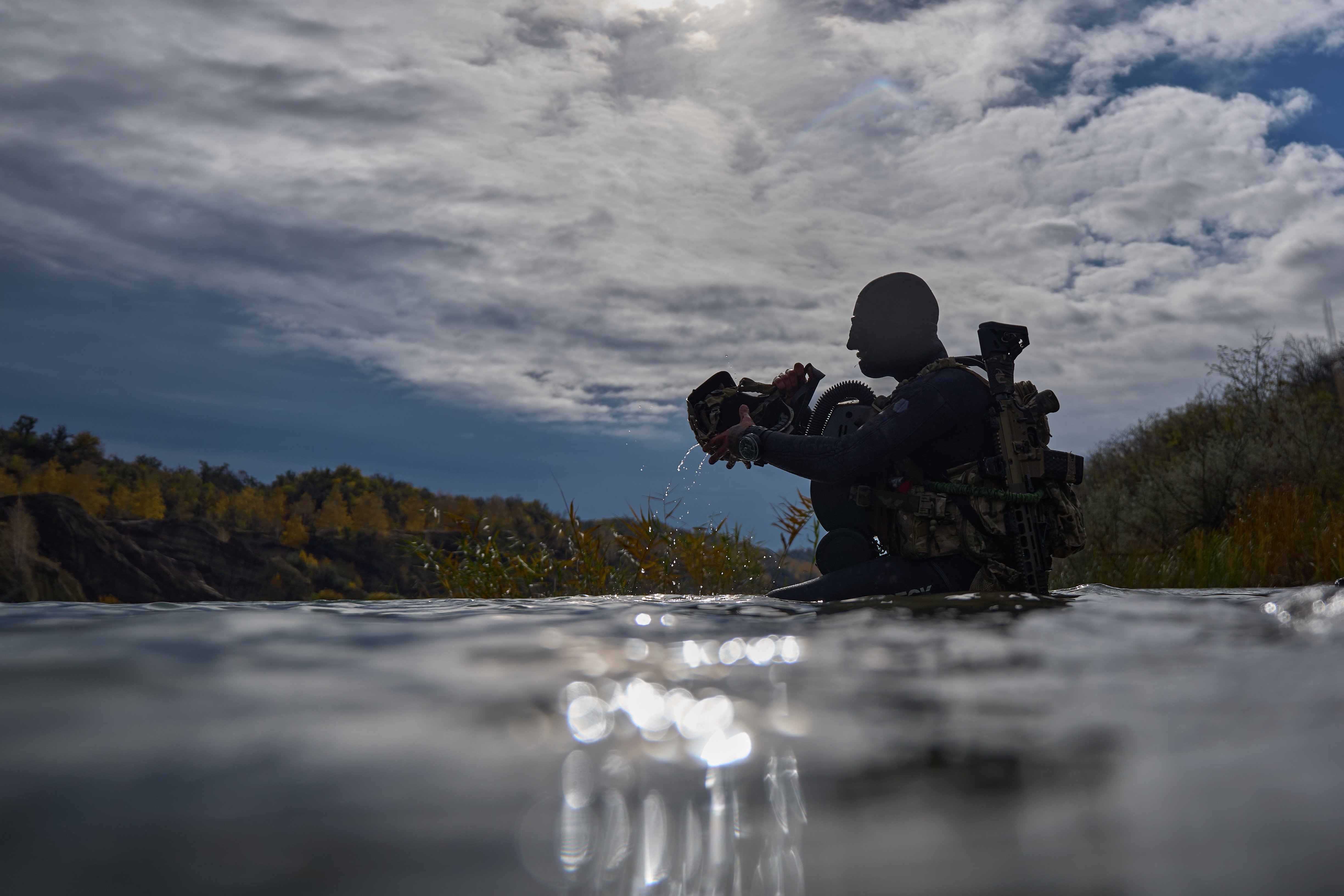
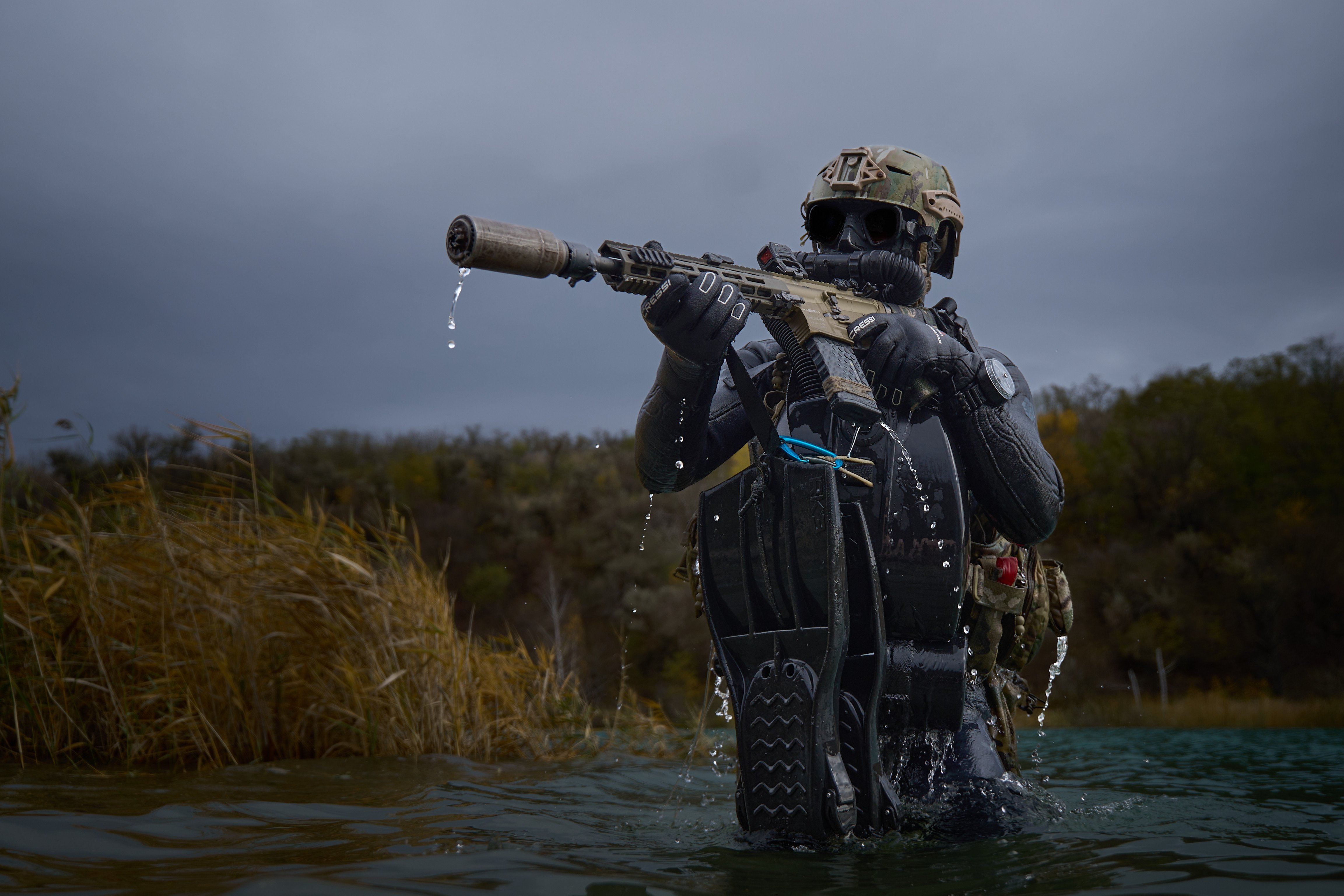
The 73rd SOF Center, however, is not defined solely by its diving capability. Its operators also conduct missions deep behind enemy lines, carry out land-based special operations, and adapt to a wide range of environments depending on the tactical situation. Their training demands versatility—mastery of diving and engineering skills, the ability to operate autonomously, and the discipline to maintain control in darkness and cold, where even a minor error can prove critical.
Discuss this article:

-24deccd511006ba79cfc4d798c6c2ef5.jpeg "Photo of Louis Beaudemont")


-0666d38c3abb51dc66be9ab82b971e20.jpg "Photo of Josh Olley")