- Category
- War in Ukraine
155 Russian Firms Supply Electronics for Iskander-M and Zircon Missiles, Half Still Escape Sanctions
 Prefer U24 Media on Google
- Authors


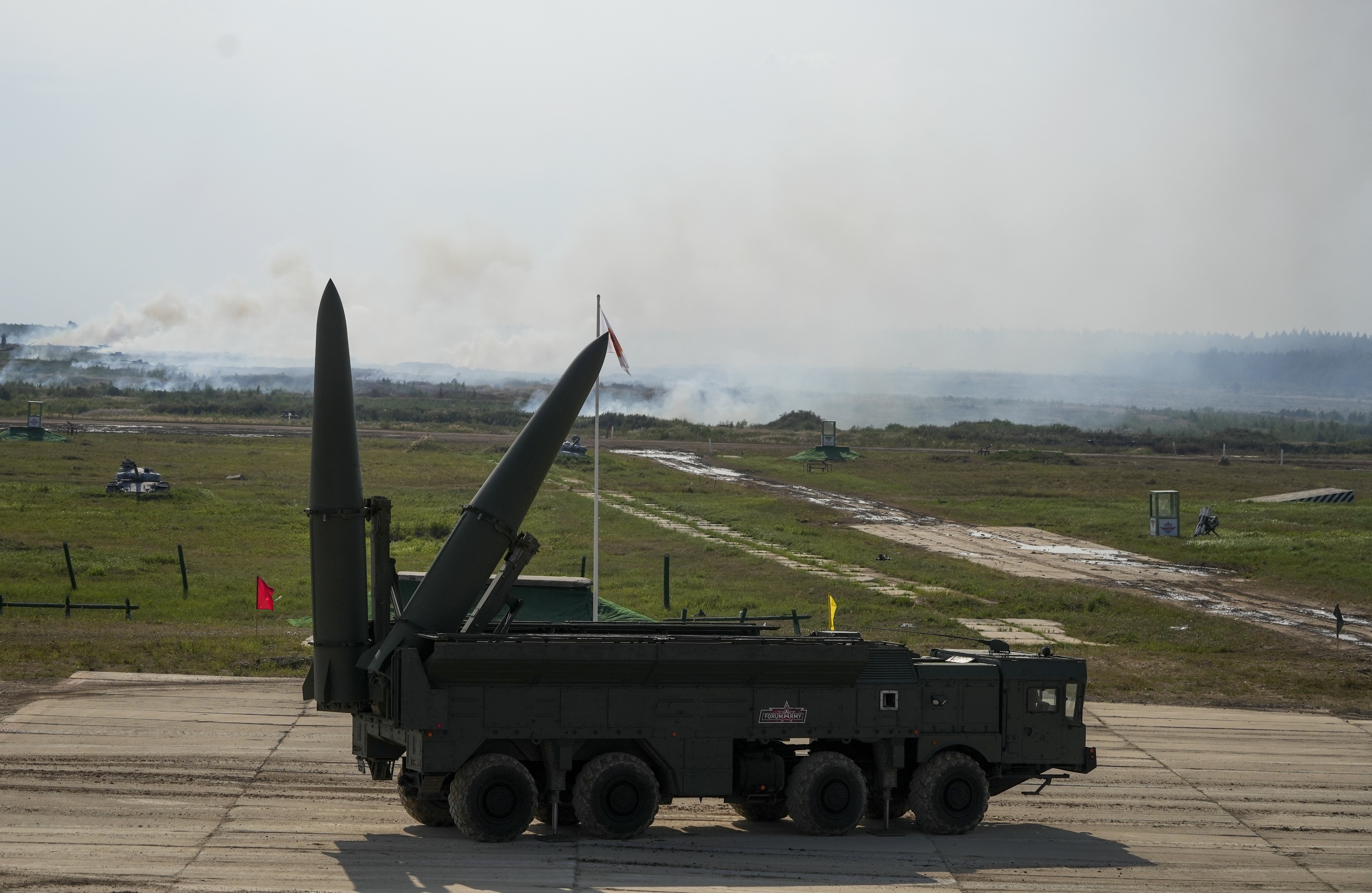
Ukraine’s Defense Intelligence (HUR) has identified 155 Russian enterprises linked to the production of electronic components and technologies used across Russia’s weapons systems, including Iskander-M ballistic and Zircon hypersonic missiles.
HUR published information on the companies through its War & Sanctions portal, according to the agency on September 8. The enterprises are either part of or managed by Ruselectronics, a holding company within Russia’s state-owned defense conglomerate Rostec.
We bring you stories from the ground. Your support keeps our team in the field.
Ruselectronics brings together industrial enterprises and research organizations specializing in electronic components and technologies, communications equipment, automated control systems, robotics, microwave electronics, computing systems, and telecommunications equipment.
According to HUR, products manufactured by companies within the holding are used across a wide range of Russian weapons, including ballistic and cruise missiles, drones, electronic warfare systems, military vehicles, radar and communications equipment, as well as systems used by tactical, operational, and strategic aviation.
Several Ruselectronics enterprises are directly involved in the production chain for Russia’s 9M723 ballistic missile used by the Iskander-M system and the 3M22 Zircon missile, HUR said.
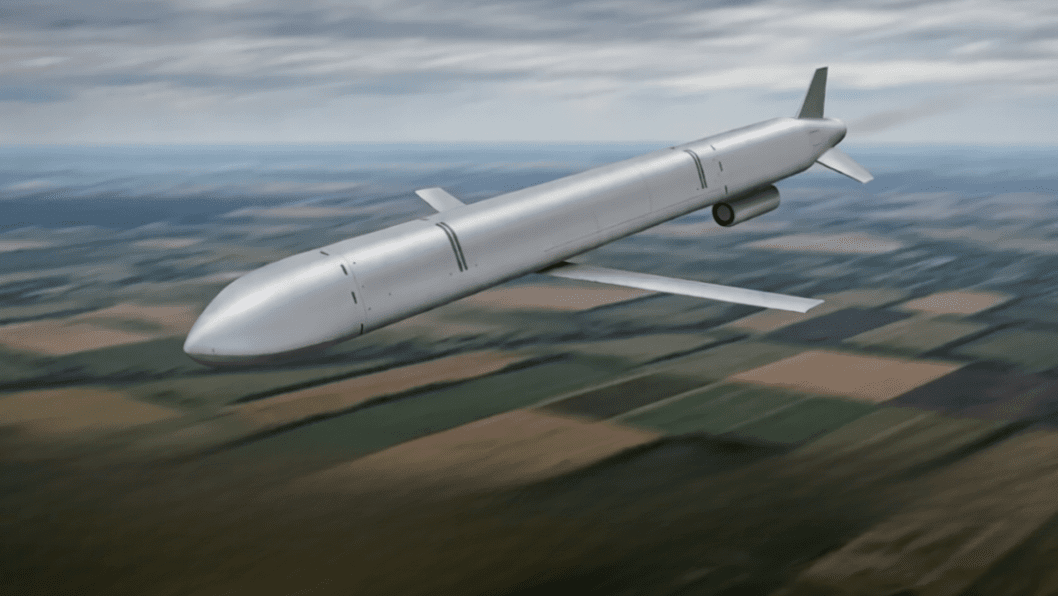
Among them is the Girikond Research Institute, which produces precision potentiometers for Zircon missiles. NITSEVT supplies flight information processing units for Iskander ballistic missiles, while NPP Integral-V manufactures pulse and heating transformers used in 9M723 missiles.
HUR noted that NPP Integral-V remains outside the sanctions lists of all countries participating in the sanctions coalition. Nearly half of the 155 enterprises disclosed by Ukrainian intelligence are also not currently subject to sanctions.
At the same time, HUR said sanctions already imposed on other companies within the holding have had limited impact on the overall production volumes of the missiles. According to the agency, this does not indicate that sanctions are ineffective, but rather highlights the need to strengthen enforcement mechanisms and increase accountability for sanctions violations.
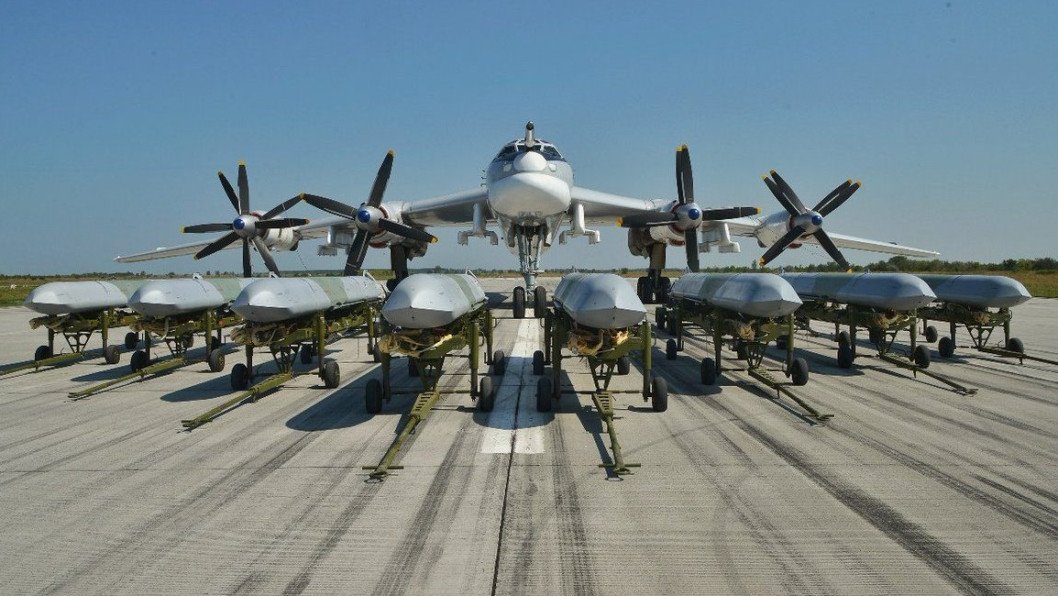
The disclosure comes as Russia continues to maintain substantial missile stockpiles while producing more than 200 cruise and ballistic missiles per month, according to data provided by HUR to Ukrainska Pravda on August 20.
As of August 5, Russia had approximately 130 9M723 ballistic missiles for the Iskander-M system assigned to its military grouping. Its broader arsenal remains considerably larger, with HUR estimating stockpiles of more than 600 Oniks missiles, over 450 Kalibr cruise missiles, more than 120 Zircon hypersonic missiles, and up to 100 Kh-101 cruise missiles.
Discuss this article:




-111f0e5095e02c02446ffed57bfb0ab1.jpeg "Photo of Roman Kohanets")