- Category
- War in Ukraine
Another Russian Ka-52 “Alligator” Vanishes From the Battlefield, Pilot Reportedly Killed
 Prefer U24 Media on Google
- Authors


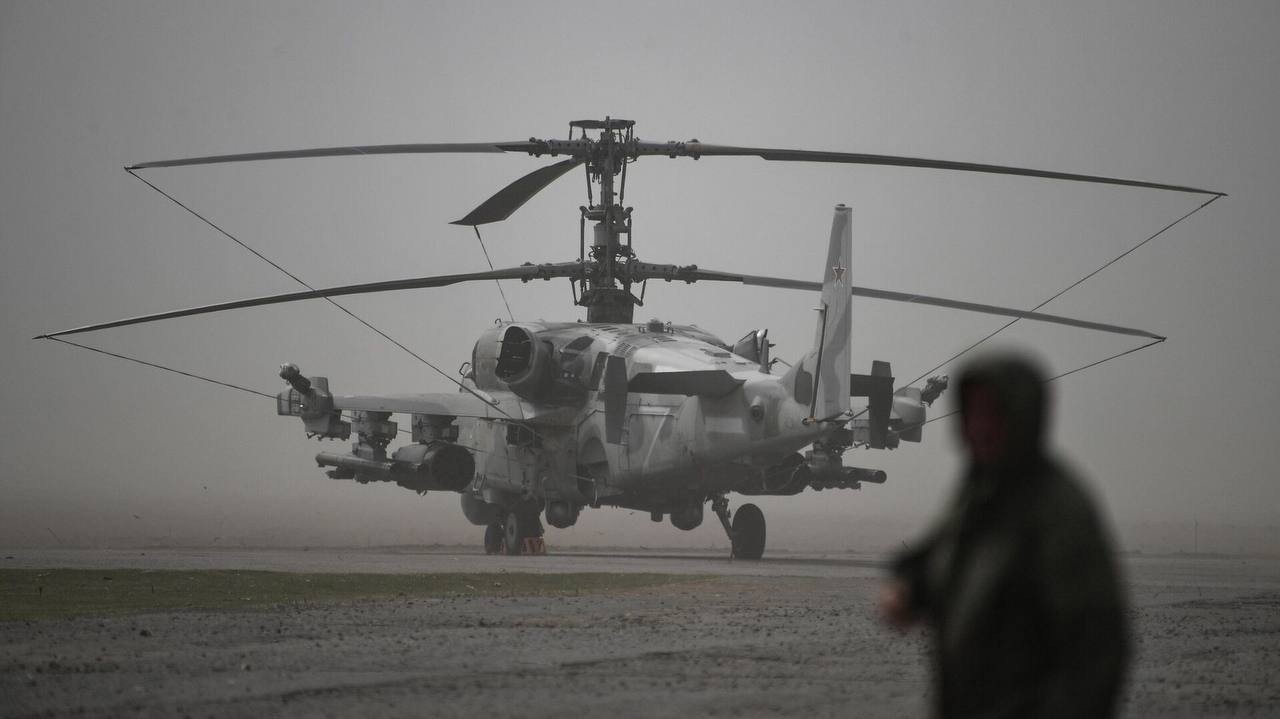
Russia has reportedly lost another Ka-52 “Alligator” attack helicopter used in its war against Ukraine, according to Militarnyi, citing a pro-Russian Telegram channel Voevoda Veshchaet on July 2.
The channel published a photo of the helicopter around 1 pm Kyiv time alongside a short message mourning the loss.
We bring you stories from the ground. Your support keeps our team in the field.
“May you rest in the Kingdom of Heaven, brother. A separate garrison for pilots,” the post said.
The wording suggests that a pilot was killed. However, the channel did not mention the second crew member typically aboard a Ka-52—the navigator-operator.
Russian military-affiliated channel "Voevoda Broadcasts" indicates a new loss of a Russian Kamov Ka-52 attack helicopter.
— Status-6 (War & Military News) (@Archer83Able) July 2, 2026
The two crew-members apparently perished.
The circumstances of the incident yet to become known. pic.twitter.com/q5LPA9gKHJ
The propagandist did not disclose what caused the loss, or when and where the helicopter was destroyed.
Russian forces actively use Ka-52 helicopters in the war against Ukraine, including for frontline attack missions. The aircraft have also periodically been used to intercept Ukrainian long-range attack drones.
The Ka-52 has suffered heavy losses during Russia’s full-scale war. According to Oryx data cited in the report, Russia has already lost more than 60 helicopters of this type.
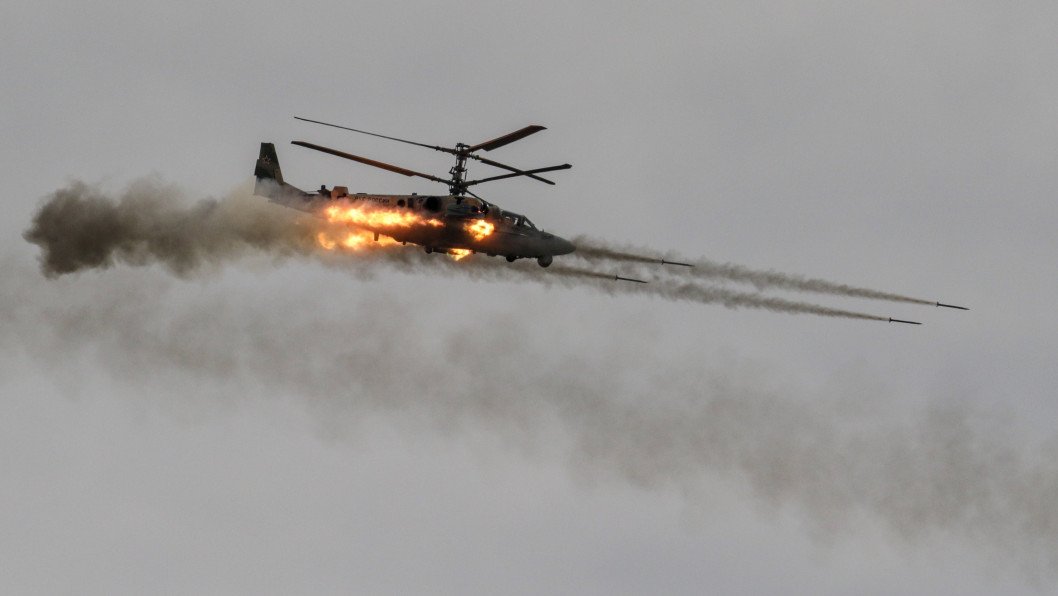
The Ka-52 “Alligator” is one of Russia’s most recognizable attack helicopters and is used for anti-armor missions, close air support, and strikes near the front line. Its continued losses remain significant because the aircraft is expensive, specialized, and difficult to replace quickly.
The helicopter is a development of the earlier Ka-50 Black Shark and entered serial production in 2011. A modernized version, the Ka-52M, began entering service in 2022.
The Alligator can operate day or night, in poor weather, and at high speed. It can reach up to 300 km/h, or 186 mph, while its cruising speed is around 260 km/h. Powered by two VK-2500 gas-turbine engines, it has an operational range of roughly 500 kilometers.
❗️Full video: 🇺🇦Ukrainian FPV drone operator from the 59th brigade destroys a 🇷🇺Russian Ka-52 on the Pokrovsk direction. After ejection, the crew was eliminated. pic.twitter.com/GUBkf5kifT
— 🪖MilitaryNewsUA🇺🇦 (@front_ukrainian) March 20, 2026
The helicopter has a maximum takeoff weight of 10,800 kilograms, a service ceiling of 5.5 kilometers, and can carry a combat load of up to 2,800 kilograms.
One of the Ka-52’s key systems is its nose-mounted GOES-451 electro-optical targeting suite, which allows the helicopter to detect and identify targets at range. Targeting data can be shared in real time with other Russian units through battlefield management systems.
However, Militarnyi notes that battlefield experience has exposed notable limitations in this sensor suite.
A Russian Ka-52 attack helicopter pursuing a Ukrainian Maya decoy UAV over the Moscow area. pic.twitter.com/OO0rsNa1Sk
— Special Kherson Cat 🐈🇺🇦 (@bayraktar_1love) May 4, 2026
The Ka-52 is armed with a 30mm 2A42 autocannon and can carry guided and unguided weapons across six hardpoints. Its arsenal includes S-8 and S-13 unguided rockets, 9M120 Ataka and 9A4172K Vikhr-1 anti-tank guided missiles, LMUR Izdelie 305 guided missiles, and short-range R-73 and Igla-V air-to-air missiles.
The Ataka missile, derived from the Soviet-era Shturm-V system, has a range of around 6 kilometers but requires constant guidance from a hovering platform, making the helicopter more vulnerable to air defenses and electronic warfare.
Earlier, Ukrainian forces shot down a Russian Ka-52 attack helicopter using an FPV drone in the Pokrovsk sector. Pilots of this Russian Ka-52 helicopter were able to eject after being hit by an FPV drone. After ejecting, the crew took cover in a trench behind burned-out armor. A follow-up drone reconnaissance flight later discovered that Russian pilots were already dead.
Discuss this article:
-9a7b3a98ed5c506e0b77a6663f5727c5.png)


-c439b7bd9030ecf9d5a4287dc361ba31.jpg "Photo of Katherina Popilnichenko")
-72b63a4e0c8c475ad81fe3eed3f63729.jpeg "Photo of Cyril Barabaltchouk")