- Category
- War in Ukraine
Britain Just Dropped a 55-Knot Drone Boat From an A400M Aircraft—and It Went Straight to Work
 Prefer U24 Media on Google
- Authors


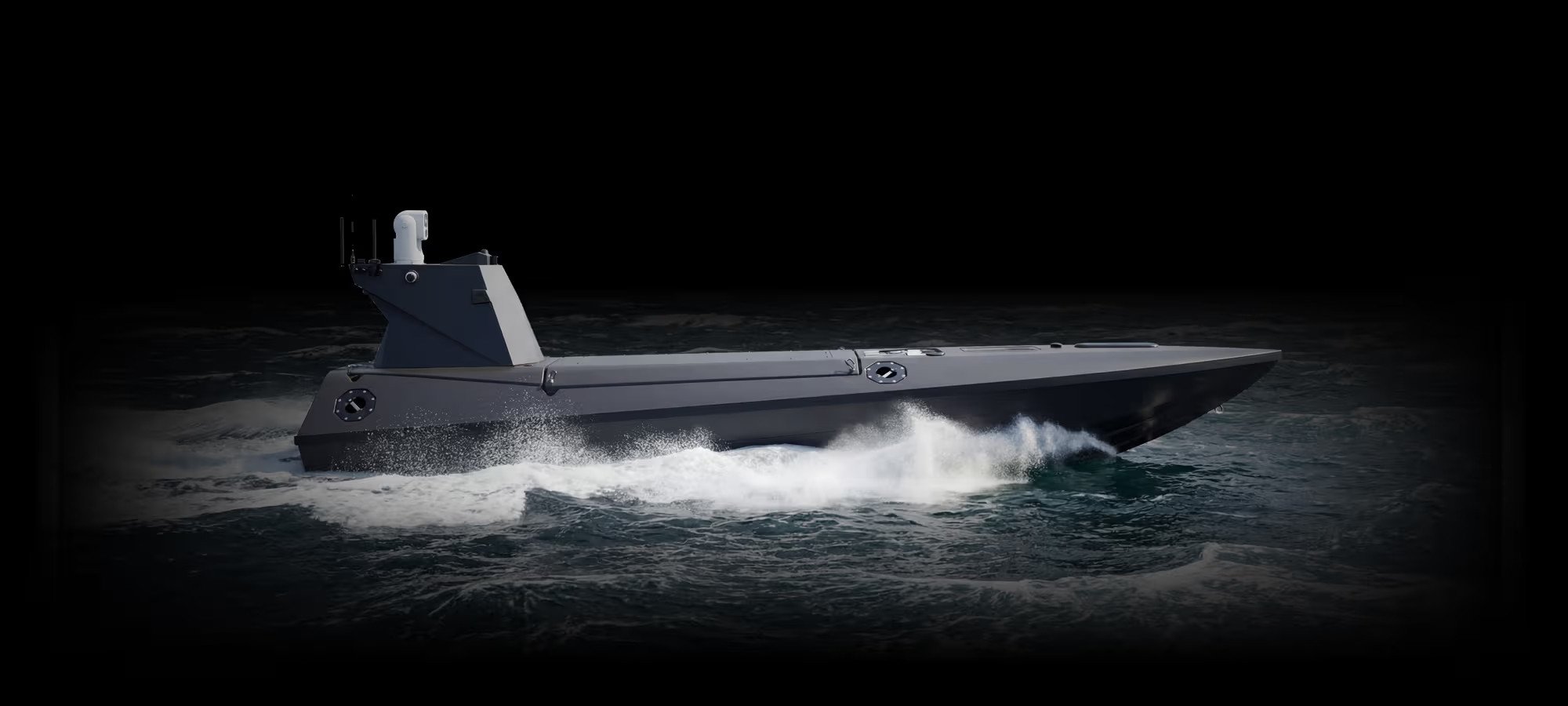
British companies Kraken and Capewell have completed what the Royal Navy described as the world’s first airdrop of an uncrewed boat from a military transport aircraft, opening a new way to deploy autonomous maritime systems into contested waters rapidly, according to a Royal Navy press release on July 8.
A K3 SCOUT uncrewed surface vessel was dropped by parachute from an A400M transport aircraft at an altitude of approximately 1,300 feet over the North Sea.
We bring you stories from the ground. Your support keeps our team in the field.
The demonstration was conducted with Royal Navy support under Project Beehive, an initiative designed to accelerate the introduction of autonomous technology as Britain moves toward a hybrid fleet combining crewed and uncrewed vessels.
Over six working days, the same boat and delivery platform completed four live airdrops. The trials demonstrated that the K3 SCOUT could survive deployment from an aircraft, enter waters with waves reaching eight feet, and become operational without needing a support ship or nearby port.
The capability could allow Britain to quickly move drone boats into maritime combat zones, remote coastlines, or waters that are difficult or dangerous for conventional naval forces to access.
“Project Beehive was set up to allow the RN to rapidly learn lessons and develop the skills necessary to effectively operate Uncrewed Surface Vessels,” said Captain Adam Ballard, who is involved in the program.
Ballard said one of the main limitations facing smaller drone boats is their inability to travel long distances independently before beginning a mission.
“One of the limitations of small Uncrewed Surface Vehicles is their ability to self-deploy, and so we are actively looking at concepts for deployment from motherships or ‘mother aircraft’,” he said.
“The recent air dispatch trials that Kraken has conducted show the potential of this capability to rapidly deploy globally.”
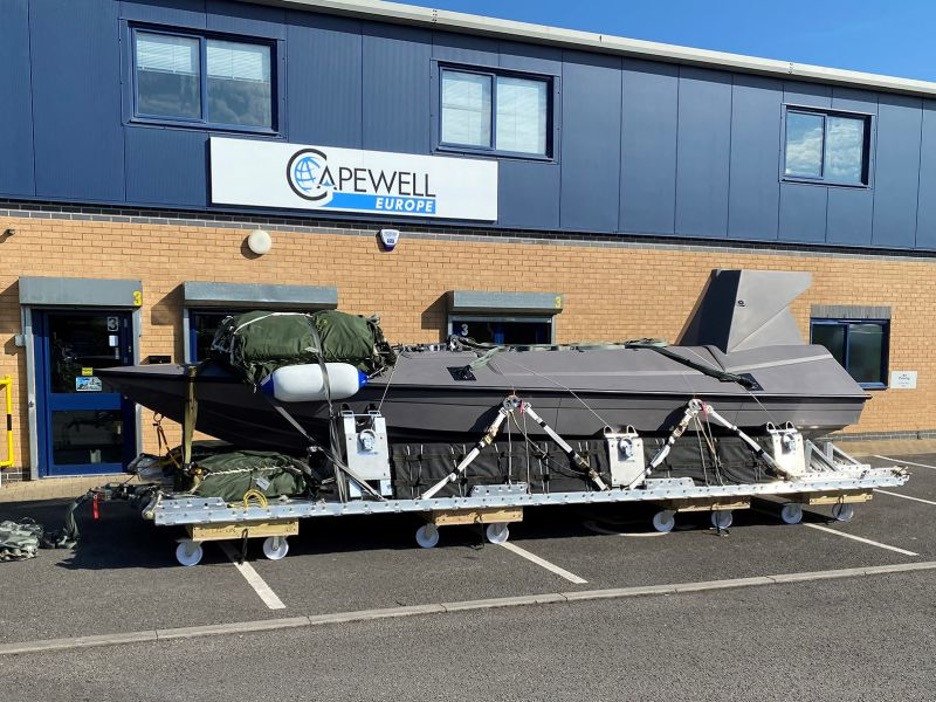
The K3 SCOUT was attached to Capewell’s Universal Maritime Craft Aerial Delivery System, a sled-like platform based on the company’s modified V-Type parachute system. Kraken also fitted the vessel with an optional airdrop kit.
Once released from the A400M, the boat descended by parachute before entering the water and preparing for operations.
“Since the earliest aircraft carriers and seaplane tenders, we have become accustomed to air power deploying from maritime power. We are now moving to a future where maritime power can be deployed from air power,” Ballard said.
🇬🇧 Kraken Technology Group and Capewell, supported by the Royal Navy under Project Beehive, have successfully completed the world’s first extracted-load airdrop of an uncrewed surface vessel (USV) from an A400M military transport aircraft. @KrakenTechGroup @CapewellDefense… pic.twitter.com/rFG59BZdIS
— DefPost (@defpostmedia) July 8, 2026
The 27.6-foot K3 SCOUT is designed for surveillance, patrol, protection of naval formations, precision strikes, special operations support, cargo delivery, casualty evacuation, electronic warfare, and counter-drone missions.
Powered by a diesel engine and stern-drive propulsion system, the vessel can reach speeds of up to 55 knots—more than 63 mph. It has a range of approximately 650 nautical miles while traveling at 25 knots and can remain operational for up to 30 days, depending on the mission.
The composite-hulled platform can carry a payload of up to 1,323 pounds and has a maximum displacement of approximately 5,500 pounds. Its low-observable design is intended to reduce both weight and detectability.
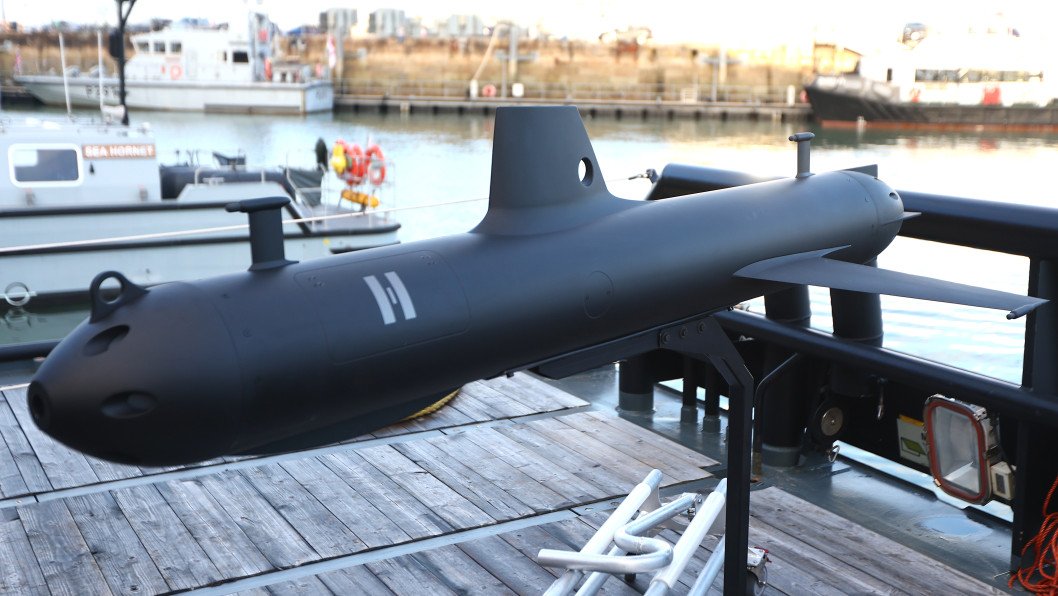
The vessel can operate autonomously or under remote control. It uses an open-architecture Auterion operating system, allowing third-party sensors, weapons, and other mission equipment to be integrated without major structural changes.
“Working in partnership with Capewell and the Royal Navy, we have demonstrated that K3 Scout can be rapidly deployed directly from a military transport aircraft into contested or difficult-to-access waters ready for operation,” said Kraken founder and CEO Mal Crease.
“Kraken alongside Project Beehive will continue to push boundaries to deliver novel and enhanced operational capabilities with our resilient, modular platforms.”
Capewell said the trial also demonstrated how quickly the delivery system could be reconfigured for different equipment.
“In collaboration with Kraken we were able to validate the integration of a complex payload with our UMCADS platform while demonstrating the ease with which the system can be reconfigured for alternative mission essential equipment be they maritime or land applications,” said Mark Lavender, Capewell’s director of business development and training.
“This was further validated in that we conducted four live airdrops in 6 working days with the same boat and platform during this campaign.”
The trial follows a $49 million contract awarded to Kraken by US Special Operations Command in November 2025 for the development of prototype surface and underwater uncrewed systems.
For the Royal Navy, the successful test points toward a future in which military transport aircraft could carry autonomous boats across continents and drop them directly into operational waters—turning cargo planes into airborne launch platforms for maritime power.
Earlier, a jet-powered interceptor drone developed by British-Ukrainian company Firebolt Engineering successfully destroyed a Russian Shahed-type attack drone in combat for the first time.
Discuss this article:



-c439b7bd9030ecf9d5a4287dc361ba31.jpg "Photo of Katherina Popilnichenko")


-111f0e5095e02c02446ffed57bfb0ab1.jpeg "Photo of Roman Kohanets")