- Category
- War in Ukraine
Drones Strike Russia’s Major Kirishi Oil Refinery in Leningrad Region
 Prefer U24 Media on Google
- Authors


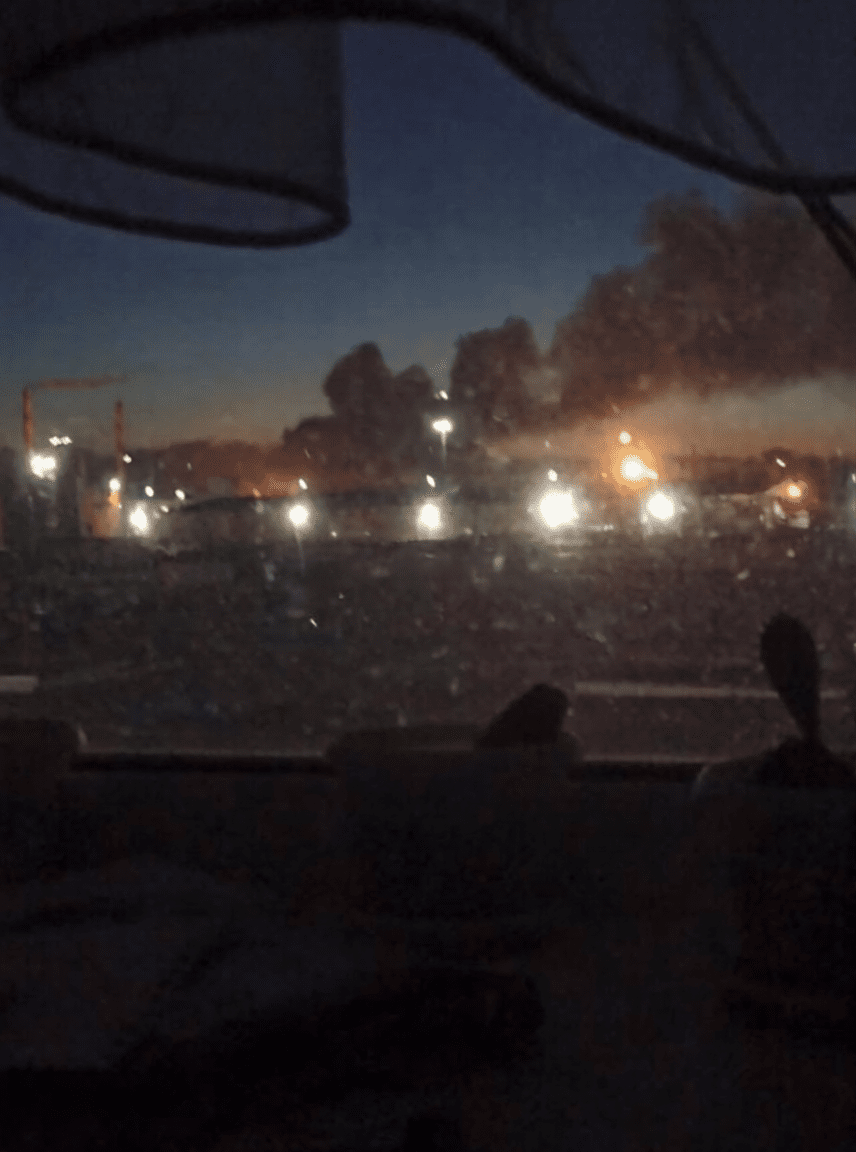
Strike drones targeted one of Russia’s largest oil refineries overnight on May 5, hitting the Kirishi Oil Refinery (KINEF), located in the city of Kirishi in Russia’s Leningrad region, as reported by media outlet Astra.
We bring you stories from the ground. Your support keeps our team in the field.
Satellite-based monitoring service NASA FIRMS also detected active fire hotspots on the refinery’s territory, indicating possible damage following the strike.
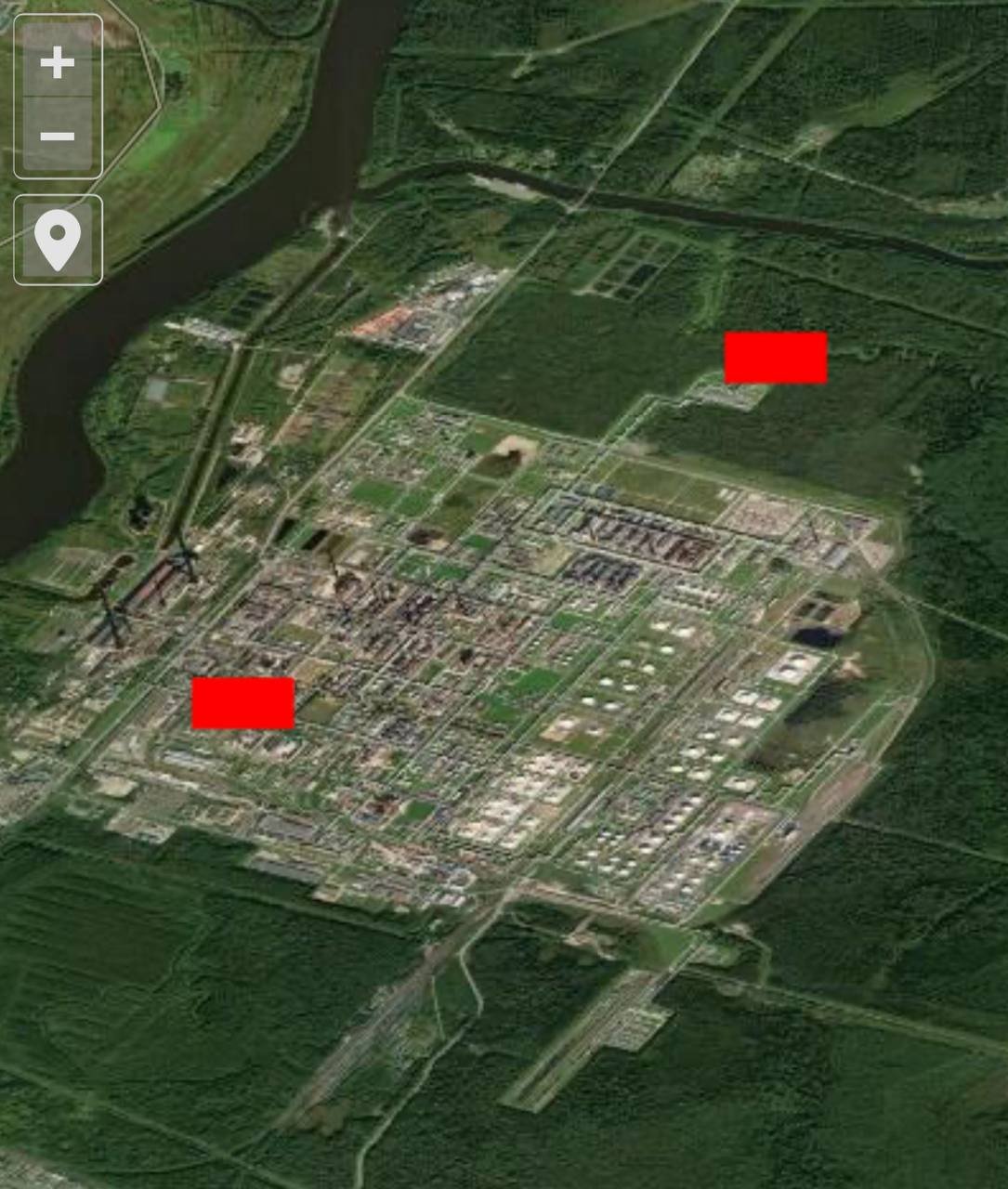
According to regional governor Alexander Drozdenko, Russian air defenses allegedly shot down 18 drones over the region. He added that emergency crews were working to contain the fires.
UPD: The Security Service of Ukraine (SBU) has confirmed that its Alpha unit, working alongside the Special Operations Forces and the Unmanned Systems Forces, successfully struck oil infrastructure in Russia's Leningrad region.
Following the SBU drone strikes on “Kirishinefteorgsintez,” hits were confirmed on three primary crude distillation units, which are responsible for initial oil processing, resulting in an ongoing fire. At the oil pumping station, a storage tank containing petroleum products was struck.
What is Kirishi Oil Refinery
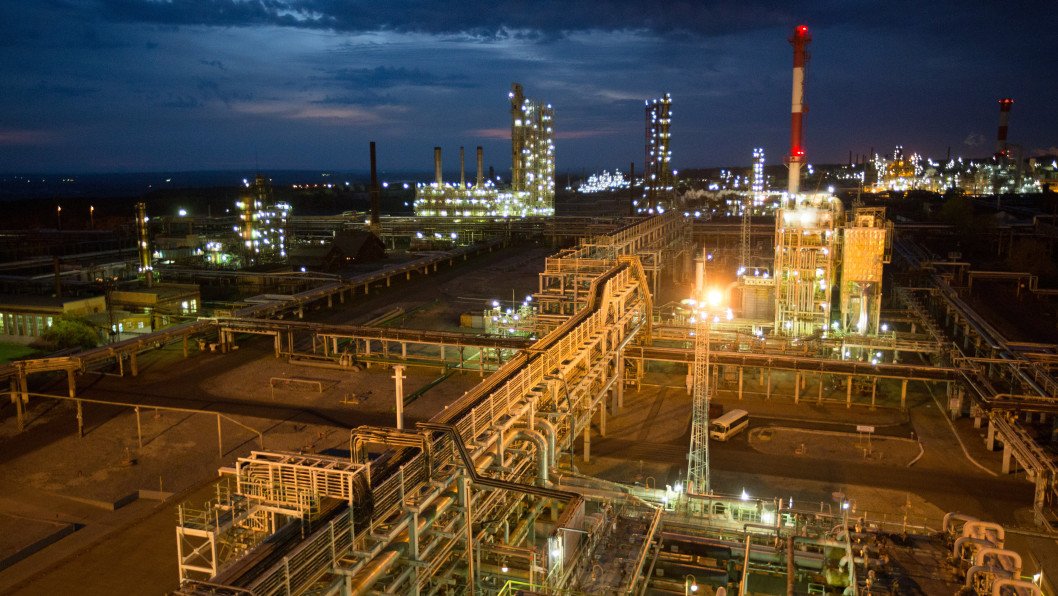
The Kirishi refinery, commonly known as KINEF, is among the largest oil processing facilities in Russia. It specializes in refining crude oil into a range of petroleum products, including gasoline, diesel fuel, fuel oil, and aviation fuel.
The facility is operated by Surgutneftegas and has an annual processing capacity of approximately 20.1 million tonnes of oil. It is located roughly 790 kilometers from Ukraine’s state border.
This marks the fifth known attack targeting the KINEF refinery since the start of the full-scale war.
Notably, previous Ukrainian strikes on the same facility have already demonstrated its vulnerability to drone attacks. According to Reuters, an earlier attack temporarily affected the refinery’s output after hitting a critical processing unit. The Kirishi plant, one of Russia’s two largest refineries, processed nearly 17.5 million tonnes of oil in 2024—about 6.6% of the country’s total refining volume.

Its production included roughly 2 million tonnes of gasoline, 7.1 million tonnes of diesel fuel, 6.1 million tonnes of fuel oil, and around 600,000 tonnes of bitumen, according to the report.
At the time, Drozdenko said three drones had been intercepted over Kirishi and that a minor fire caused by falling debris had been quickly extinguished, with no casualties reported.
However, industry sources told Reuters that the strike caused more substantial damage, including to a furnace and other equipment in a unit responsible for about 40% of the refinery’s processing capacity—estimated at around 20 million metric tonnes per year, or roughly 400,000 barrels per day. Repairs were expected to take up to a month.
To mitigate the impact, the refinery increased output at its remaining units by up to 20%, allowing it to continue operating at approximately 75% of its normal capacity.
At the same time, on May 5, in a first since the start of the full-scale invasion, an air raid alert was triggered more than 2,000 kilometers away from the Ukrainian border during the early hours of May 5. Warnings were issued across a minimum of 18 regions, highlighting the growing geographic scope of perceived threats reaching deep into Russian territory.
Astra reported that the alarm was activated in the Khanty-Mansi Autonomous Okrug—Yugra, representing the first time a missile alert has been declared at such an extreme distance from Ukraine. Regional Governor Ruslan Kukharuk confirmed that a "missile danger" status had been formally implemented
Discuss this article:
-9a7b3a98ed5c506e0b77a6663f5727c5.png)




-c439b7bd9030ecf9d5a4287dc361ba31.jpg "Photo of Katherina Popilnichenko")


-72b63a4e0c8c475ad81fe3eed3f63729.jpeg "Photo of Cyril Barabaltchouk")