- Category
- War in Ukraine
Europe Launches Homegrown Missile Shield Project to Counter Russia’s Oreshnik
 Prefer U24 Media on Google
- Authors


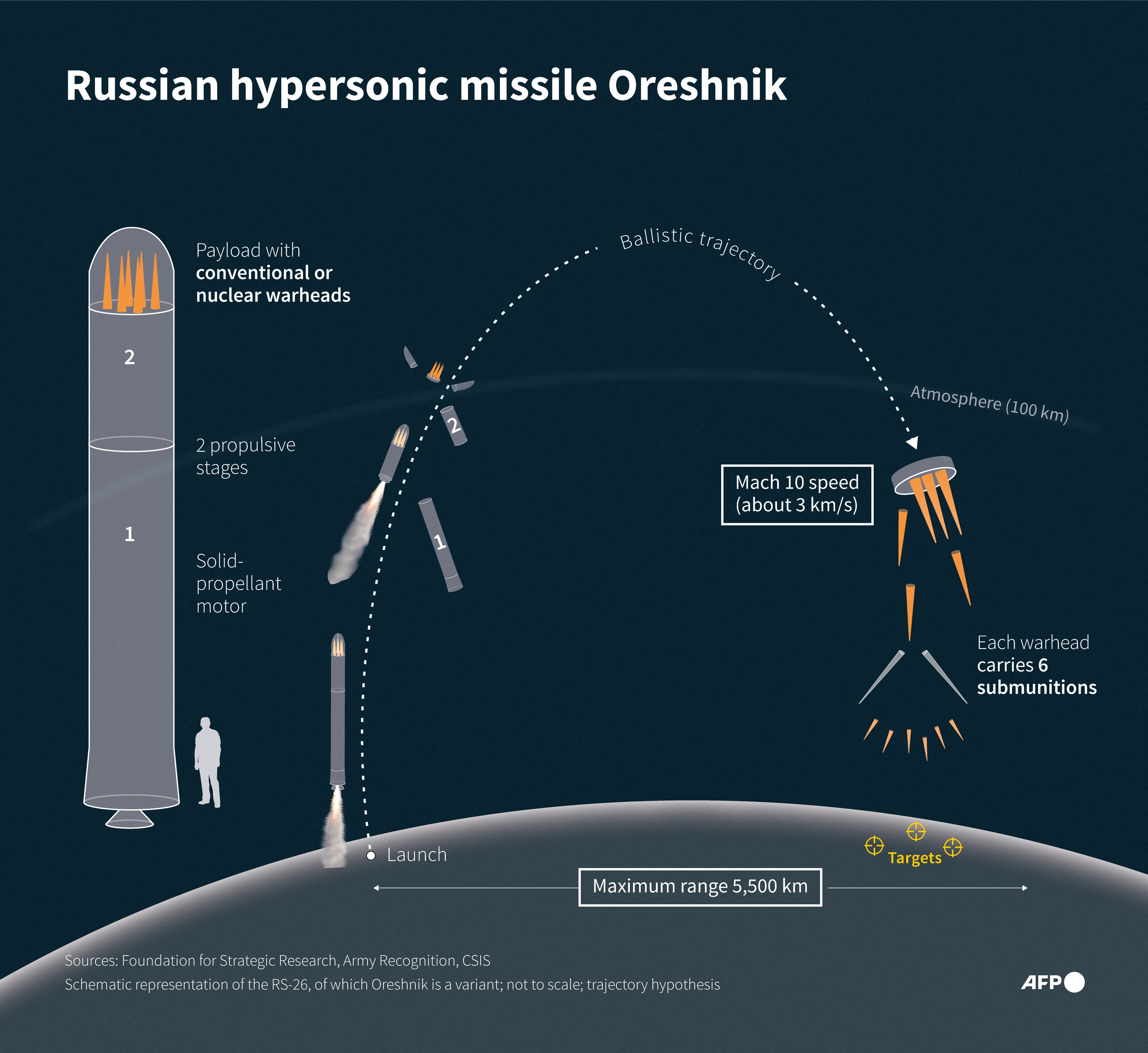
Europe’s defense industry has launched a new initiative to develop a sovereign exoatmospheric missile interceptor capable of engaging intermediate-range ballistic missile (IRBM) threats, including systems such as Russia’s Oreshnik.
We bring you stories from the ground. Your support keeps our team in the field.
According to Defense Express on July 15, five European defense companies have agreed to establish the Bliksem EXO consortium to develop the interceptor as part of broader efforts to strengthen NATO-compatible missile defense.
The project was announced during the first meeting of a newly formed European ballistic missile defense coalition, which includes Ukraine and nine other countries. According to Defense Express, the future system is intended to complement, rather than replace, existing missile defense capabilities within NATO and the European Sky Shield Initiative (ESSI).
The consortium will bring together Thales, Airbus Defence and Space, Destinus, MBDA Deutschland, and Safran Electronics & Defense. The companies have signed a letter of intent and aim to finalize a formal consortium agreement within the next three months.
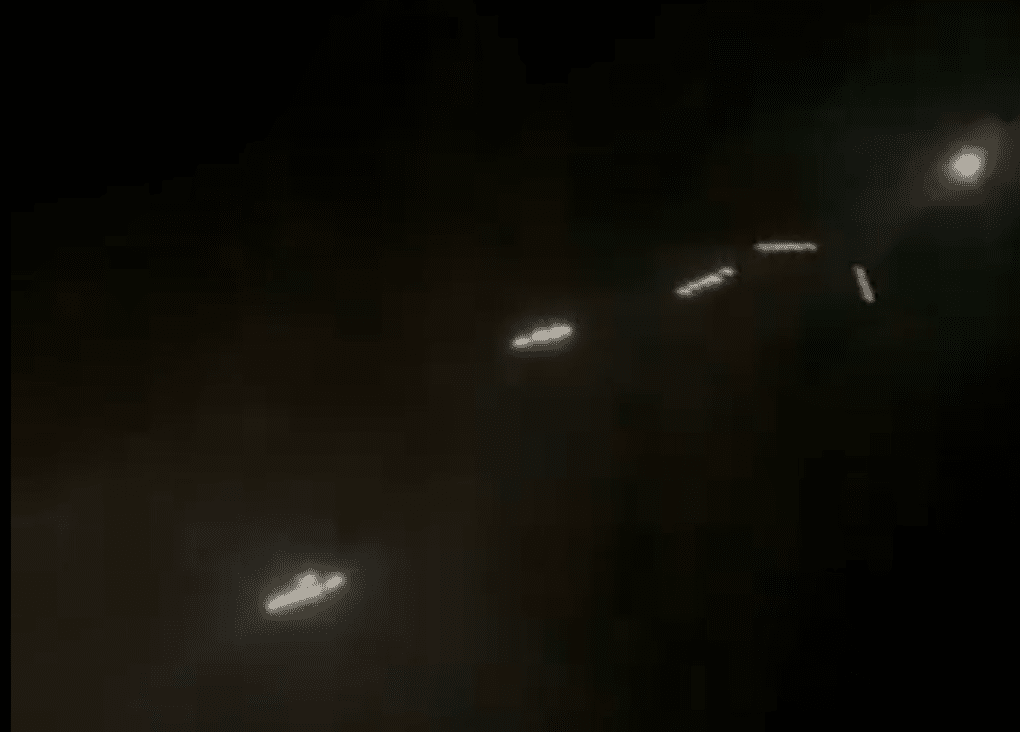
Footage of a Russian Oreshnik IRBM hitting Kyiv tonight, with its submunitions clearly seen. pic.twitter.com/aaUTVR3hU1
— OSINTtechnical (@Osinttechnical) May 23, 2026
Engineering work is expected to begin in August 2026, with initial testing of an Exoatmospheric Kill Vehicle (EKV) planned for 2027, Defense Express reported.
One of the notable aspects of the project is the selection of Dutch defense company Destinus as the consortium’s lead contractor and system integrator.
Founded in 2021, Destinus is best known for developing the Ruta cruise missile supplied to Ukraine. Under the Bliksem EXO program, the company will oversee overall system integration and development of the interceptor itself, according to Defense Express.
Russia struck the western Ukrainian city of Lviv tonight with an Oreshnik intermediate range ballistic missile (IRBM).
— OSINTtechnical (@Osinttechnical) January 8, 2026
New footage of the Russian reentry vehicles hitting a Ukrainian target. pic.twitter.com/4D9QhOmFfh
The remaining industrial responsibilities have already been divided among consortium members. MBDA Deutschland will develop the booster, launcher, and launch container, while Safran Electronics & Defense will provide the seeker along with guidance, navigation, and control systems.
Airbus Defence and Space will develop the battle management, command, control, communications, computers, and intelligence (BMC4I) architecture, and Thales will be responsible for the radar and sensor network, ranging from early warning to target detection.
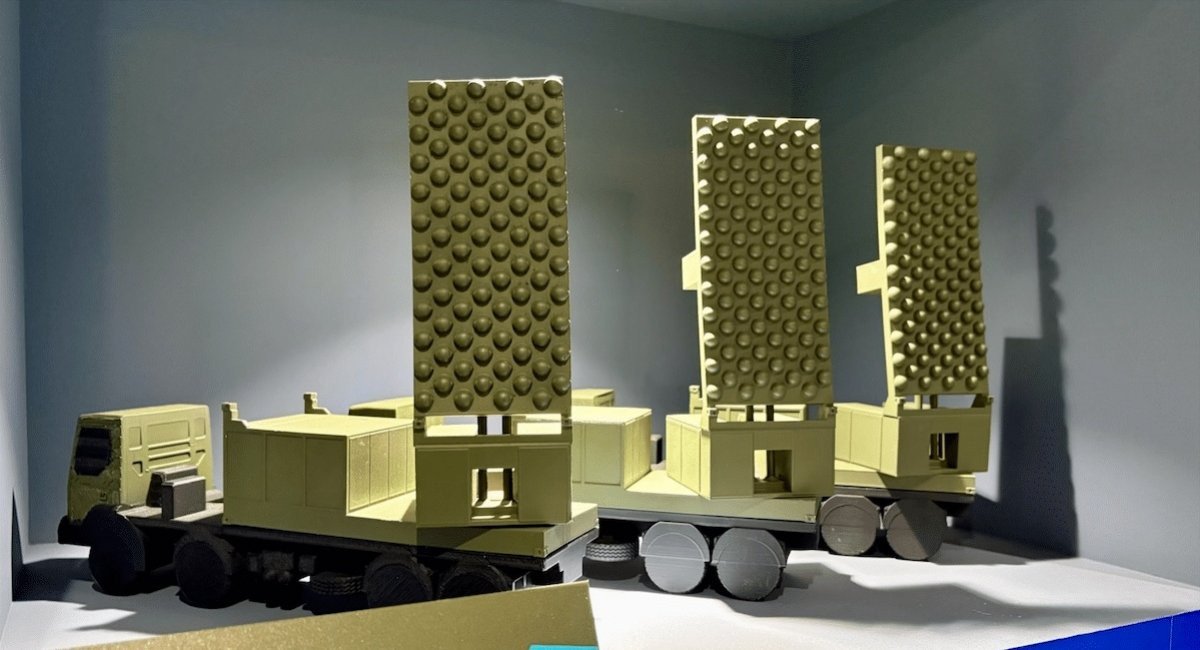
According to Defense Express, Thales recently unveiled its DeepFinder family of ultra-high-frequency early-warning radars at the Eurosatory 2026 defense exhibition. The company says the system is designed to detect ballistic missile launches at distances of up to 5,000 kilometers, reducing Europe’s dependence on US-provided early-warning capabilities.
In a statement cited by Defense Express, Thales said Bliksem EXO would become “not only a next-generation system, but also a system designed for the realities of modern warfare,” adding that the project would incorporate operational lessons learned by Ukraine in defending against large-scale missile attacks.
The publication notes that developing an exoatmospheric interceptor remains one of the most technically demanding areas of missile defense. Safran executive Alexandre Ziegler said that “intercepting targets above the atmosphere is the most complex mission in missile defense, requiring extremely high precision.”
The Bliksem EXO program follows the launch of the Integrated Anti-Ballistic Defense Coalition on July 13 by Ukraine and nine European countries. The coalition aims to develop a shared European missile defense architecture, with member states committing to joint research, technology development, and industrial cooperation to strengthen protection against ballistic missile threats.
Discuss this article:
-9a7b3a98ed5c506e0b77a6663f5727c5.png)


-c439b7bd9030ecf9d5a4287dc361ba31.jpg "Photo of Katherina Popilnichenko")