- Category
- War in Ukraine
"Every Day We Conquer Death": Ukraine’s Wartime Race to Transplant a Life
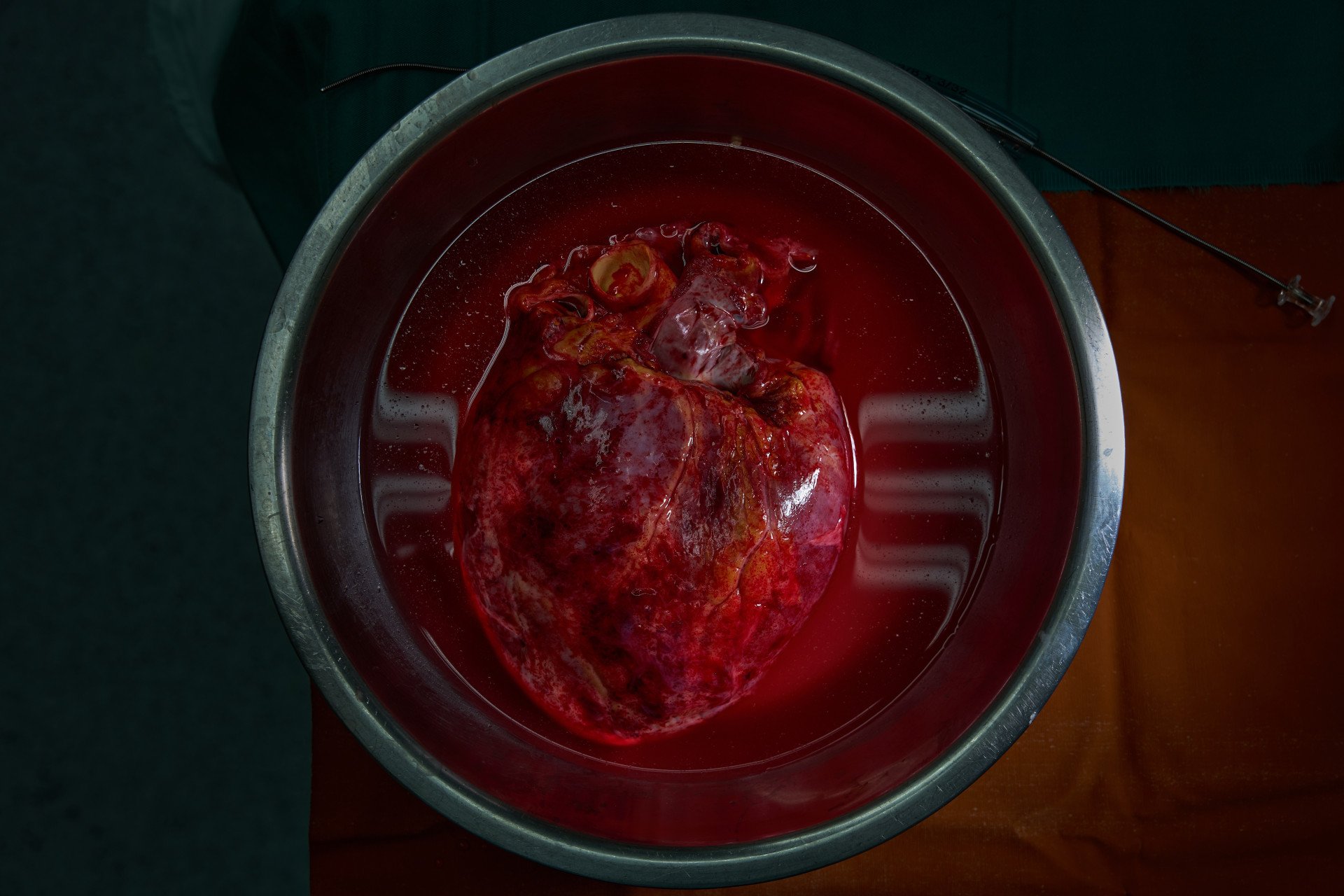
“What’s the name of those creatures in Harry Potter that Luna Lovegood says only appear to you after you’ve seen death? Well, whatever they are, we’re all gonna be seeing them now forever.”
 Prefer U24 Media on Google
- Authors



-42696701342093d1cdbc4069f0f07d6c.jpeg "Photo of Mykyta Shandyba")
And yet, in the wee aftermath of one of Russia’s most powerful aerial assaults against Ukraine during the full-scale invasion, involving 656 Shahed (Geran-2) drones and 73 missiles of various types, we were en route to bear witness to the granting of the gift of new life.
The air on the morning of June 2, 2026 was filled with a suffocating miasma of gunpowder and rocket fuel, discoloring the Sun and making inhaling and exhaling both heavy labor and indulgent reward.
We jumped into the Kyiv Heart Institute’s ambulance with Ukraine’s cardiac surgeons—everyone operating on 1-3 hours of sleep with a live air raid alert still active and Michael Jackson’s Will You Be There blaring through the sound system. I couldn’t help but smile at the irony of my own heart pounding through my chest, while a simple blue and white beer cooler sat on the floor in front of us, waiting to be a receptacle for the heart of the live—but neurologically dead— donor towards whom we were racing.
Upon arrival at the cardiac clinic in Berezan, just outside Kyiv, we were escorted into a small white room containing two men: one, our donor, had suffered a hemorrhagic stroke , rendering him a hunk of flesh, blood, and most relevant to our journey, vital organs that meant to save lives. We learned his name, his age, the composition of his family, and we learned that he had been a smoker; if there were any doubts about that, the thick purplish-black fluid draining from his lungs dispelled them.
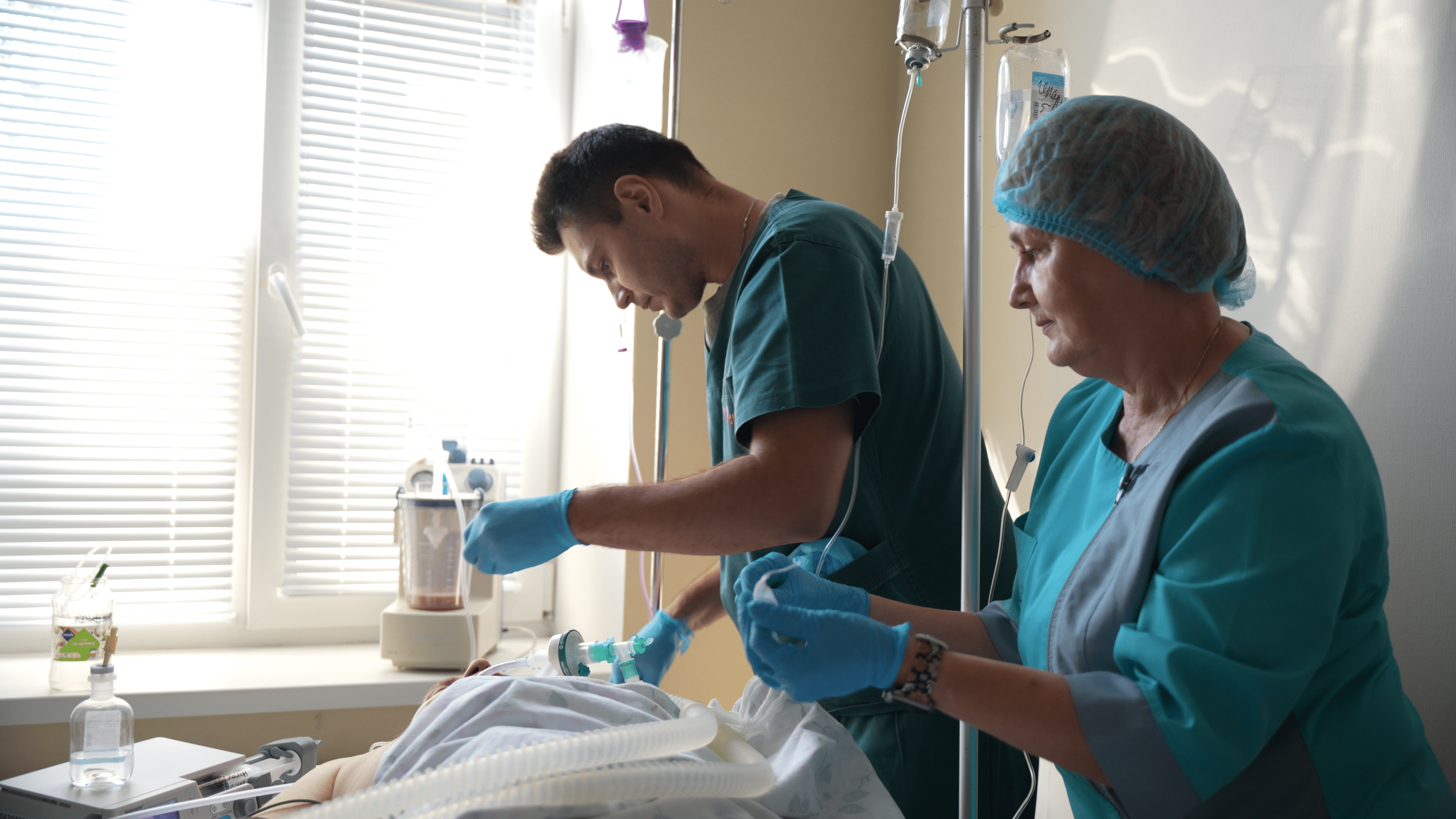
As we all lined up outside the operating room to pay our respects to this man’s sacrifice, I stared into the eyes of each medical professional as the steel gurney, sagging under the raw weight of its cargo, passed by: stoic, determined, and steady. While my stomach bubbled with anxiety, Mykola, a 32-year-old anesthesiologist flashed an eye-crinkling smile at me over his pale-blue surgical mask—an insistent reminder that everything would, and had to be alright.
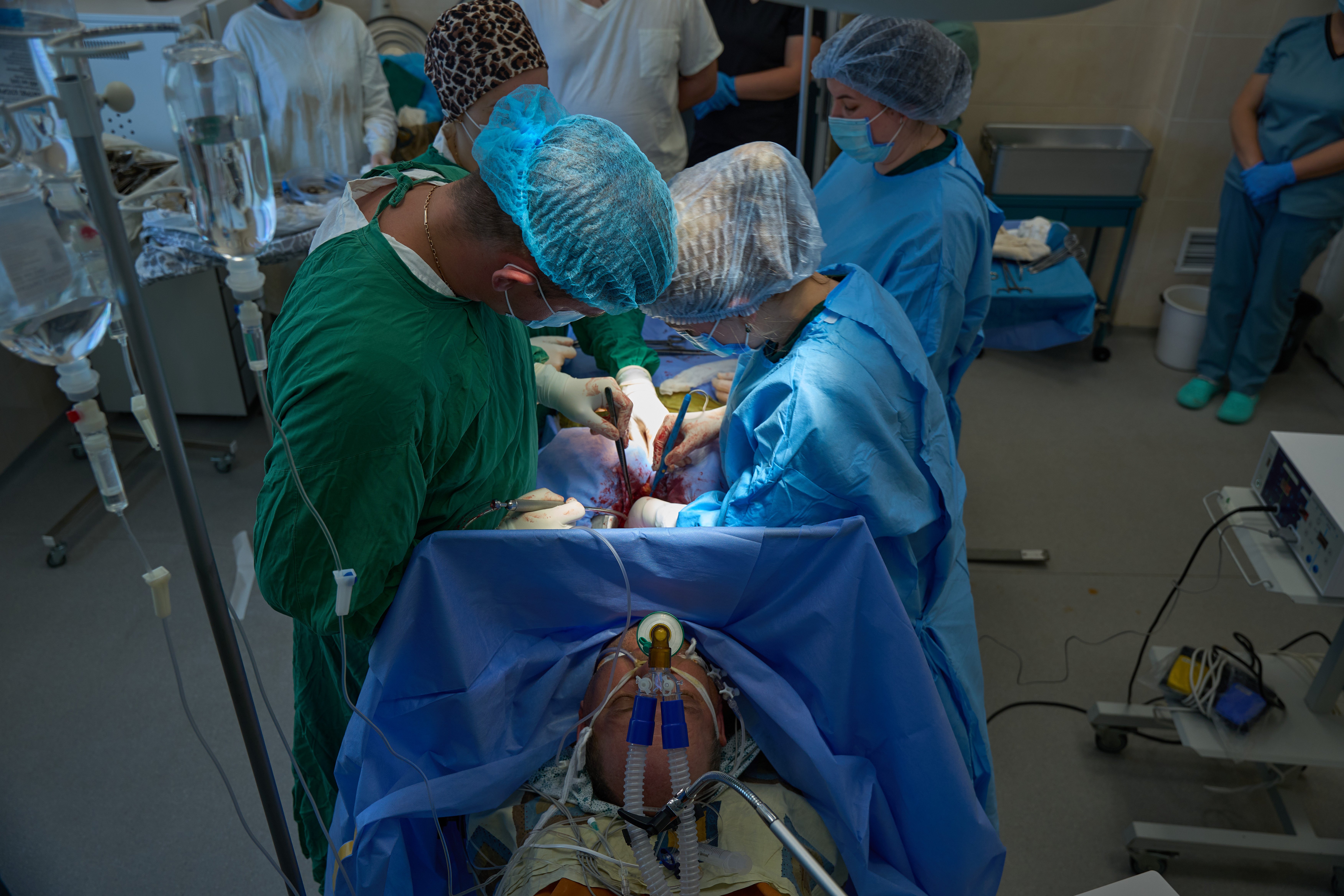
The surgeons started their work, preparing the donor’s body for the extraction of his vital organs. As they cleaned and isolated the areas of incision, I stood frozen in the doorway of the operating room. Watching our donor’s chest rise and fall heavily, made possible solely via the use of a complex mechanical apparatus that screeched a beeping noise every few seconds, the machine seemed to be doing the work this man’s voice and mind could no longer do, letting us know: I’m still here.
The electric scalpel vibrated to life, slicing greedily through epidermis, dermis, and hypodermis, spraying the air in the room with the sickeningly comforting aroma of Fritos. Wrinkling my nose and recoiling in confusion, I glanced over at my cameraman, who, with the widest grin, yelled in Ukrainian: “it smells like the dentist’s office in here!”
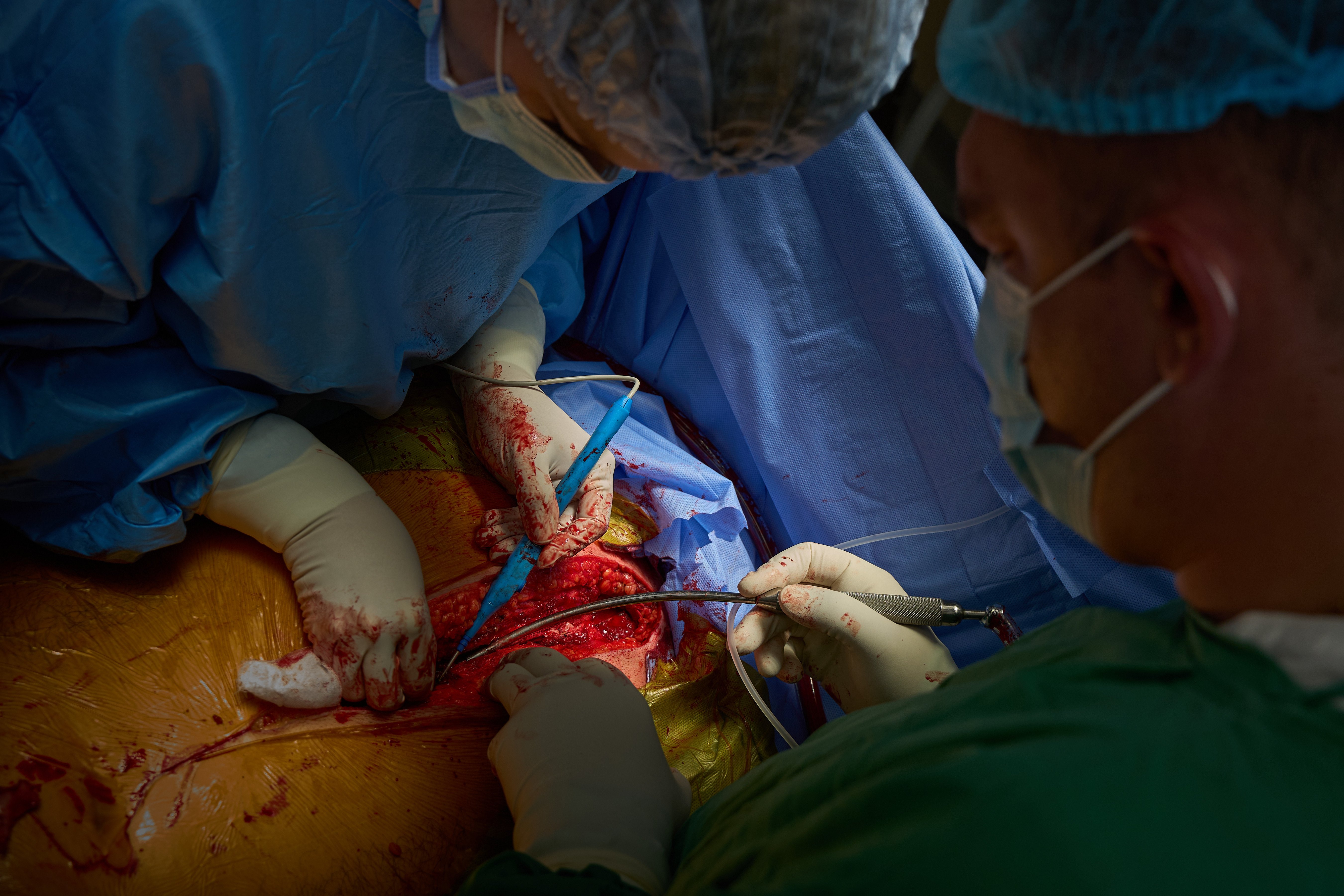
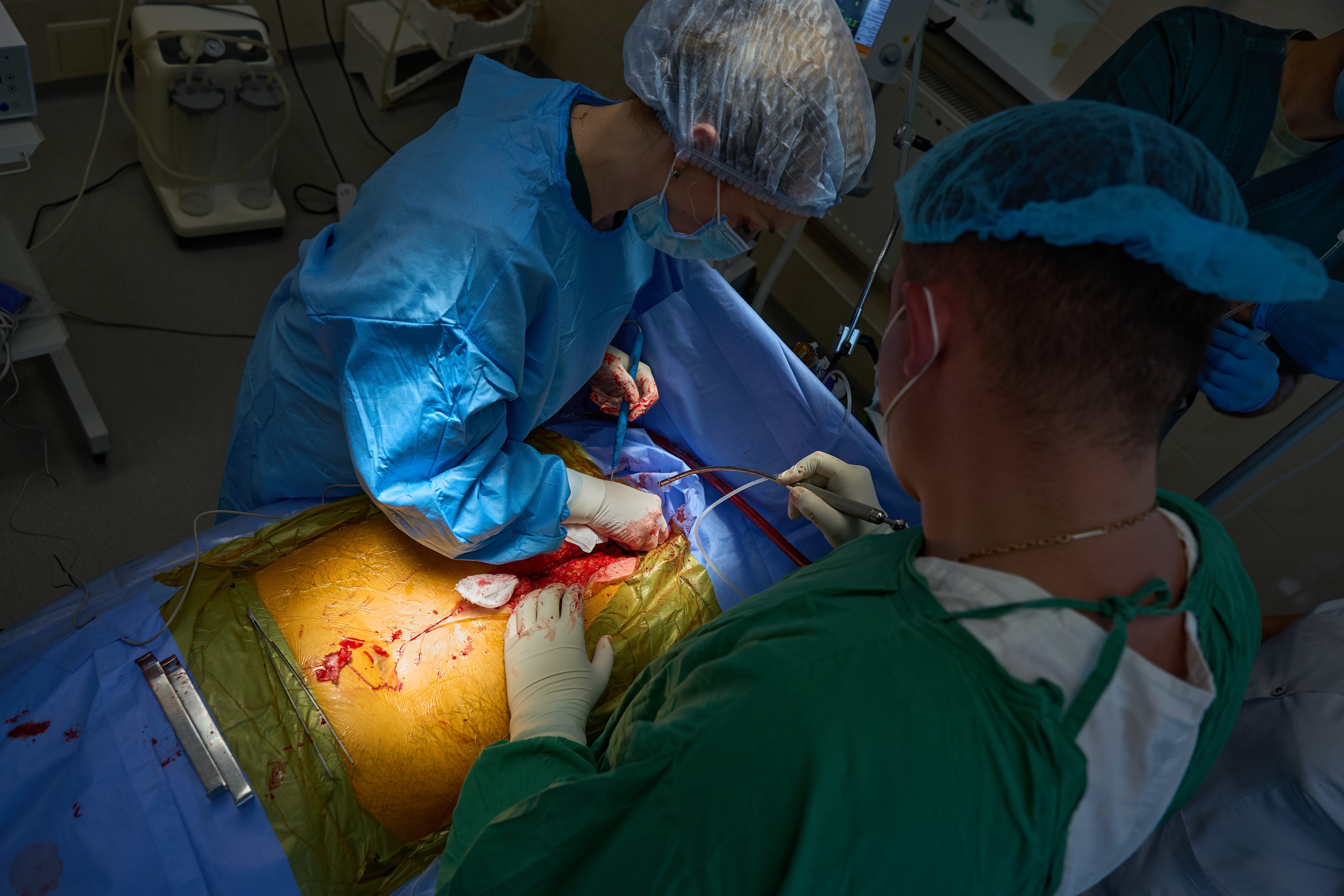
As blood eagerly leapt from our donor’s torso and the scalpel continued to sing, a surgeon called me over from the doorway to her side. She let me stand next to her silently for a few moments as I took a closer look at the donor, a gaping cavity of still-supple, pinkish skin, from the life flowing through his body, except for his inactive brain.
As I started slipping into an existential crisis, I heard the her answering my cameraman’s question: “yes, the heart can only last seven hours outside the body, so once the left atrium is detached, we need to run.”
Seven hours. Ukraine’s internationally-recognized territory measures at 603,600 km² (233,062 mi²). Covering this distance by plane or helicopter would be nothing in a country not at war. However, given that Ukraine’s airspace has been closed since the start of Russia’s invasion, air travel—even for urgent medical reasons—is strictly forbidden, and likely wouldn’t be safe anyway, given the drones and missiles constantly zipping through Ukraine’s airspace. Thus, the only options are rail or car. Yet, with Russia making a regular habit of attacking railway infrastructure, even these options are not without risks.
With the smell of viscera flooding my nostrils and the sound of intestines being sloshed aside to reveal deeper tissue, the surgeon continued to tell me about the difficulties faced by medical professionals during Russia’s invasion. During the most intense aerial assaults, for example, when Russia attacks energy infrastructure, even Ukraine’s medical facilities are not immune to threats. Following these bombardments, parts of Ukraine’s urban areas can be left without power for days, leaving even hospitals to seek alternatives in impossible situations.
Then suddenly, like a kid seeing a lit birthday cake being brought out, my cameraman excitedly beckoned me over.
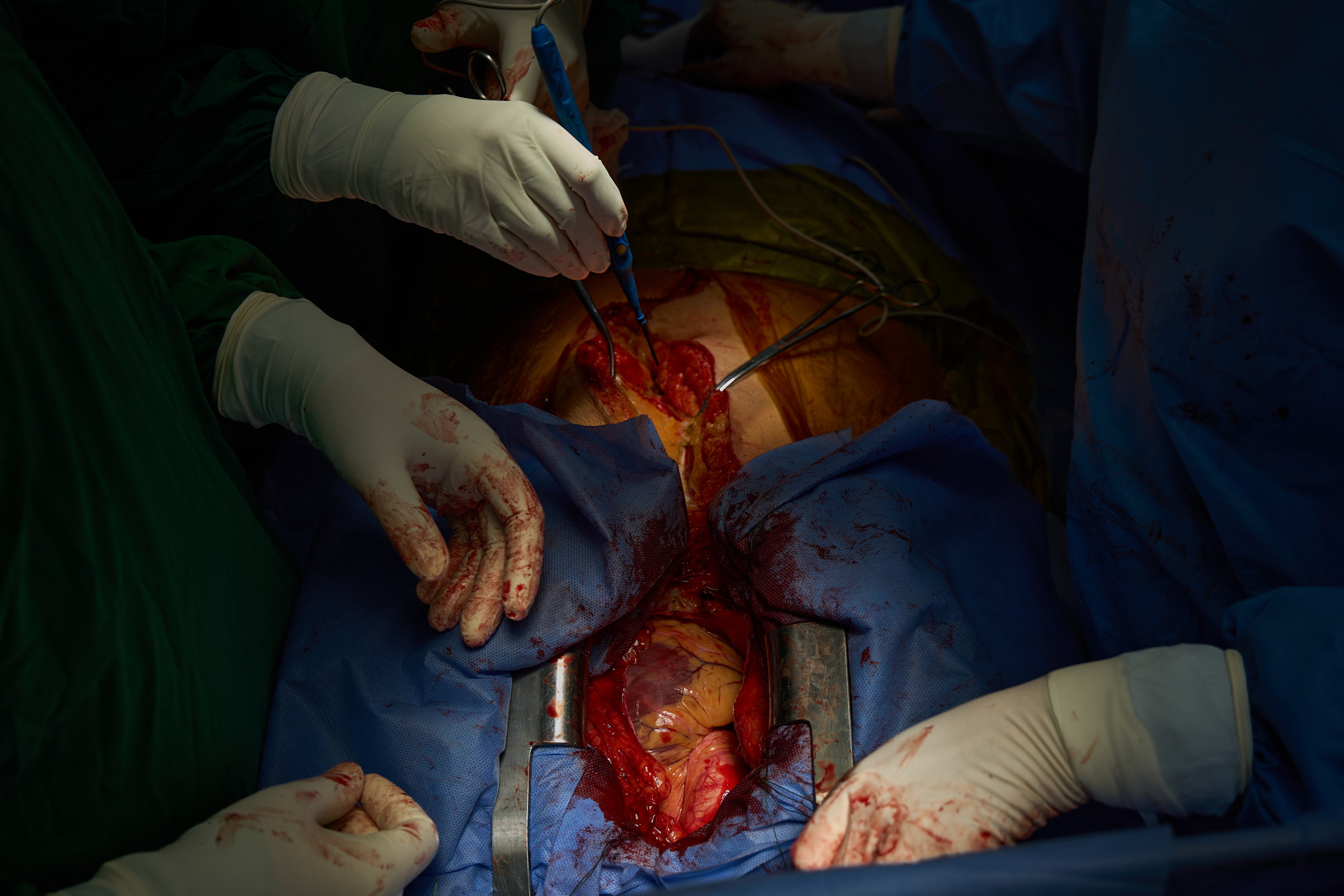
A hush fell over the room as the beating heart was exposed, peering through the chest cavity. The surgeons paused as we all stared at it; even with their years of experience, we all at that juncture shared a primal moment in which we couldn’t help but be in awe at the one thing working to separate us from the opposite ends of the scalpel.
And then they got to work.
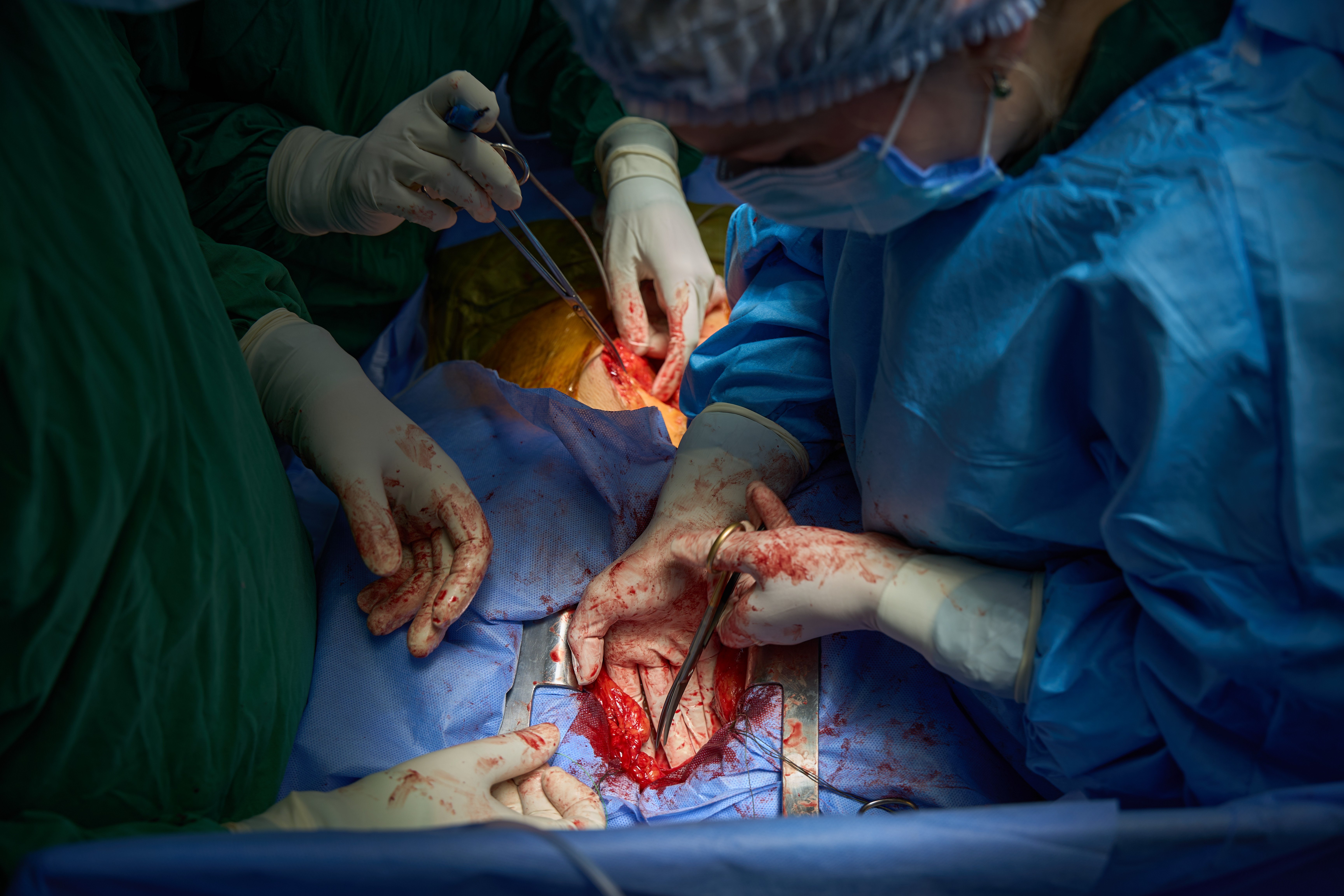
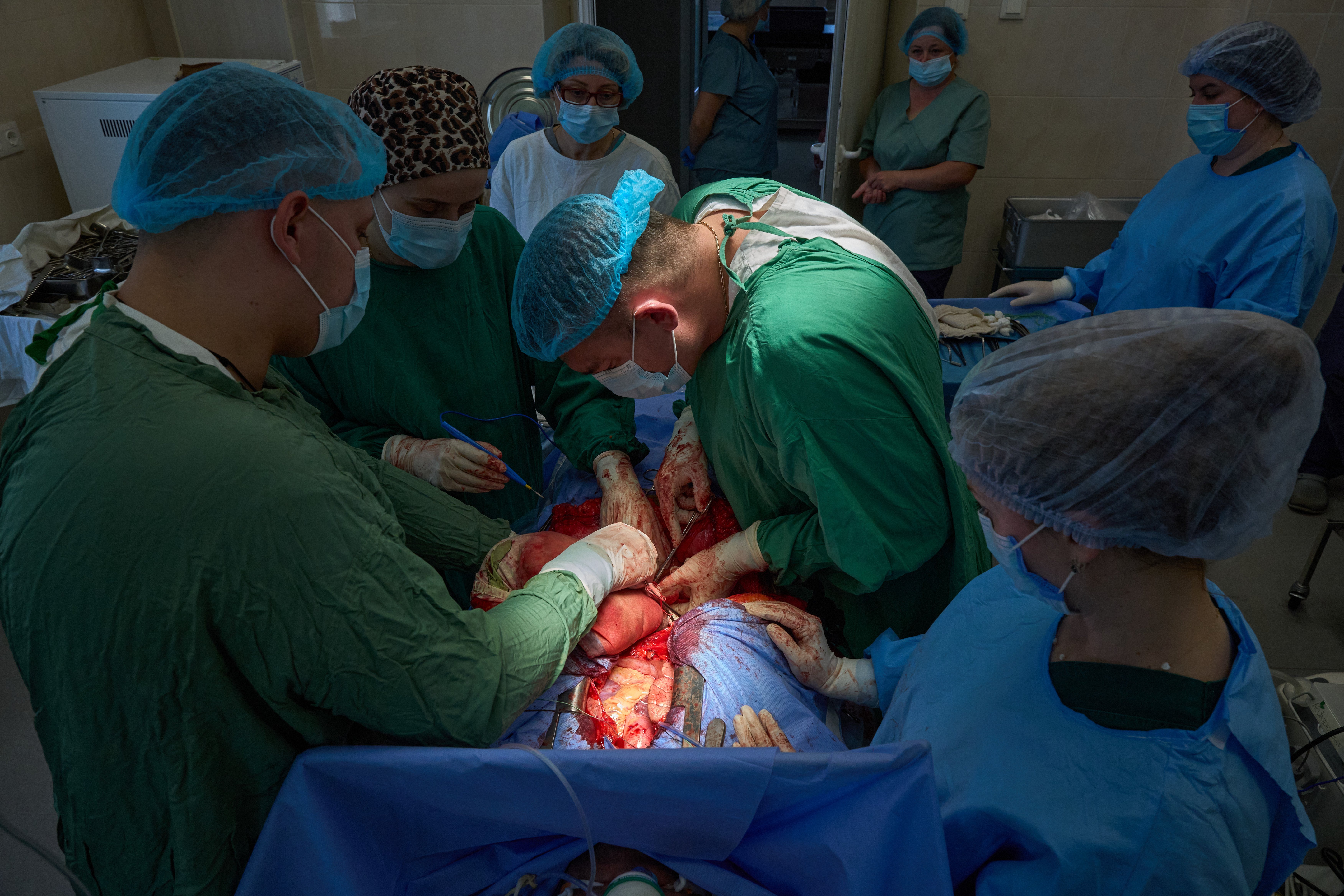
Slicing, cutting, and maneuvering, they moved to quickly sever the heart from the tubes that connected it to the donor’s chest. When they reached the left atrial roof , we all stopped and looked at each other for an eternal second.
As the final incision came and mercifully released the tension from the room, the life support machine gave one final plaintive chirp, at which point I glanced at the donor. In seconds, his skin hardened and turned a bluish-gray, indicating that his long farewell was coming to a close.
Something in me wanted to reach out and grab him, to lay a hand on his forehead and somehow urge the blood back into his face, so that he wouldn’t go so quickly—so impossibly quickly. Mykola must have sensed this because in that moment, he smiled at me again, stealing my attention and asking me questions about my life before Ukraine in rapid succession. When I glanced back at where our donor had been, there was now nothing.
“Time of death: 2nd of June, 11AM! Let’s wrap this up and get out of here!”
The heart was tagged, bagged, and we ran like hell to the ambulance, hurriedly thanking the clinic staff and slamming the vehicle door. We raced through the Kyiv region, trying as hard as we could to get to Kyiv without the aid of satellite navigation; Mykola called out: “It’s no use! Electronic jamming is working to confuse nearby drones!” Zipping and weaving through traffic, we finally screeched to a halt in front of the Kyiv Heart Institute an hour later. Five hours remaining.
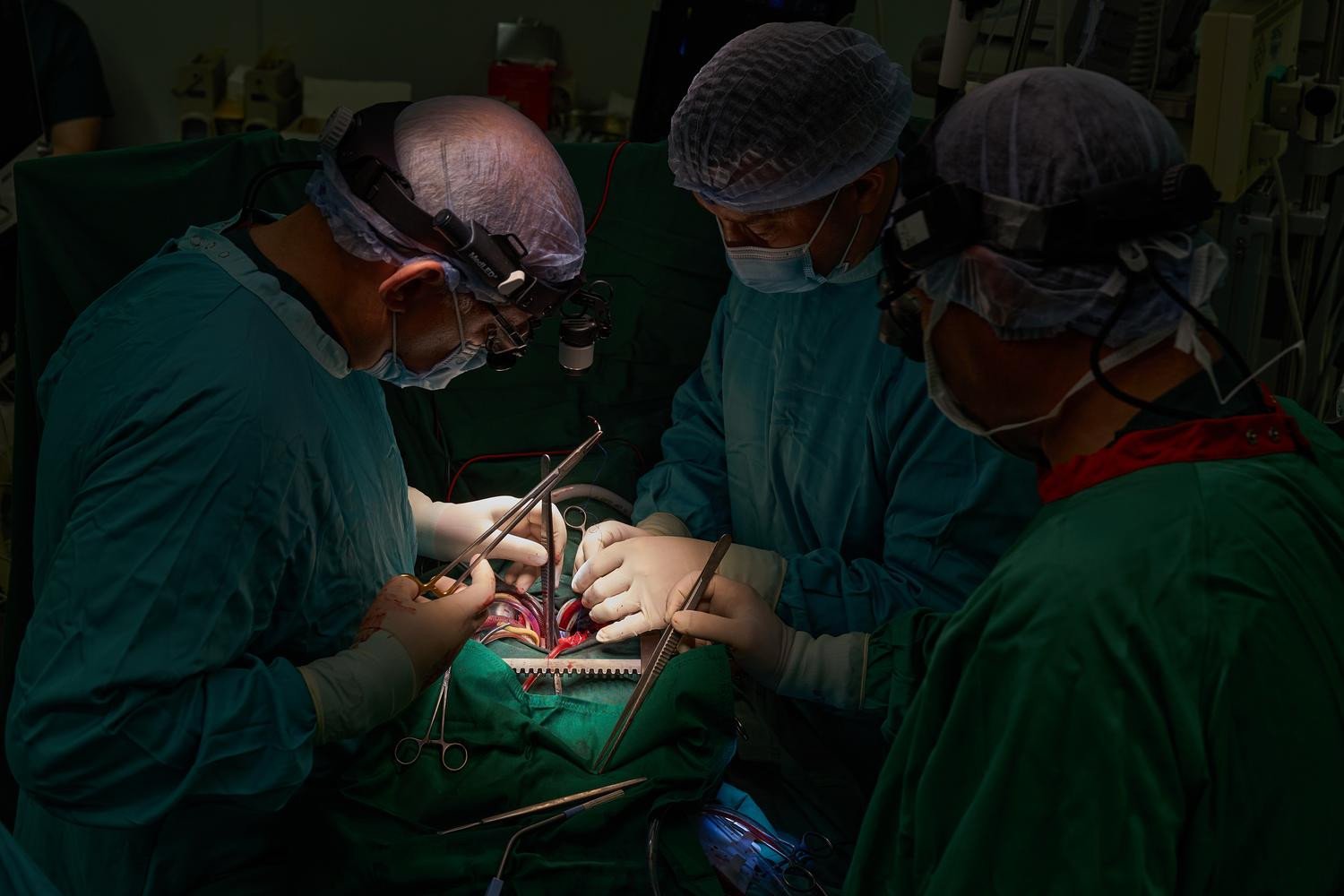
After changing into scrubs, we were herded into the clinic’s intensive care unit, which housed the operating room where our recipient was waiting, to our eyes, a gaping bloody hole, filled with tubes and tools.
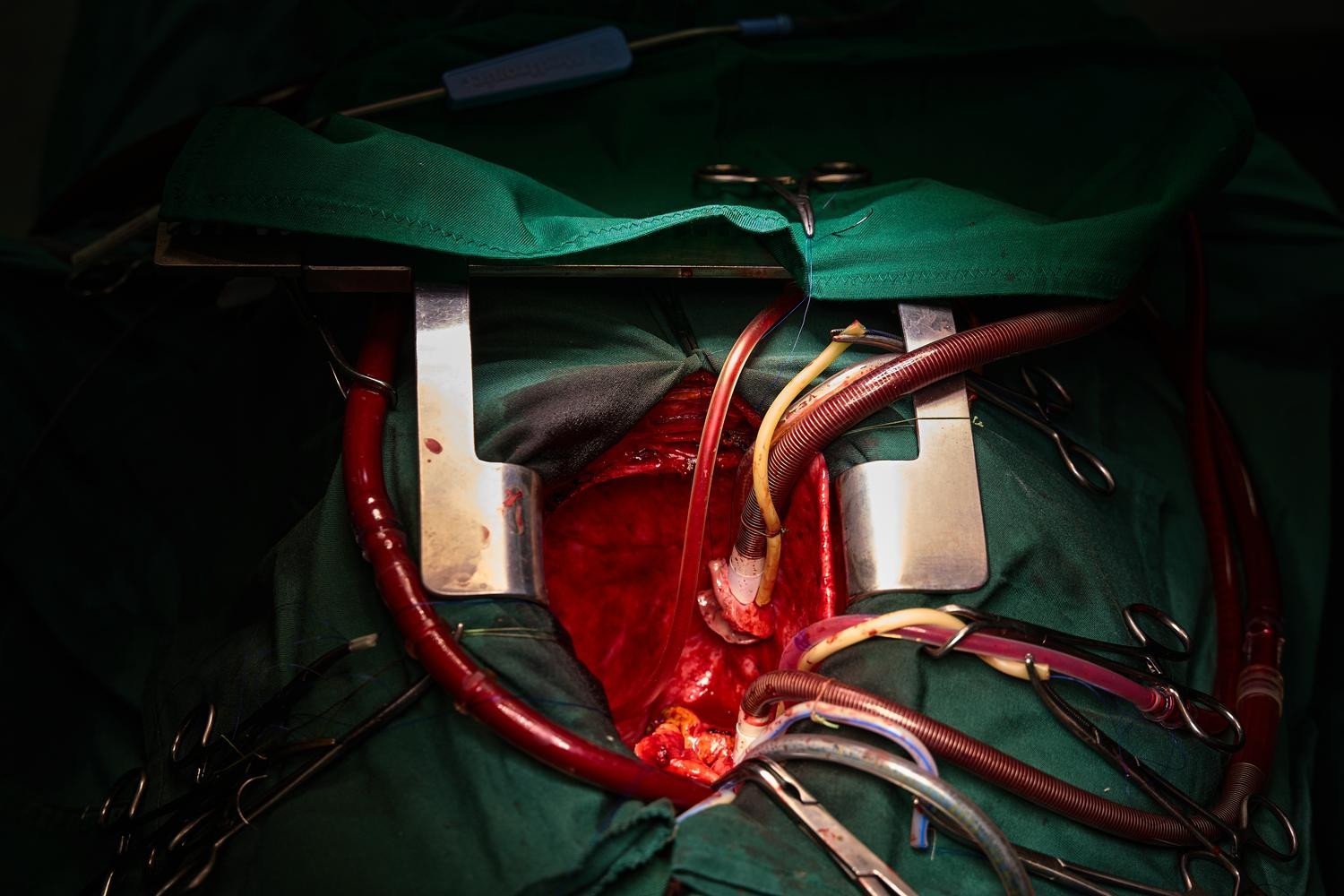
The orchestra of beeping machines, scraping metal, and swishing fabric was presided over by Dr. Borys Todurov, famed Ukrainian cardiac surgeon, whose tongue is just as sharp as the scalpel he waved around. With a determined look, he stared at me as he paused his work and said: “Every day we conquer death and sickness. There’s nothing more inspiring than that, and that’s why we keep going, regardless of everything against us.”
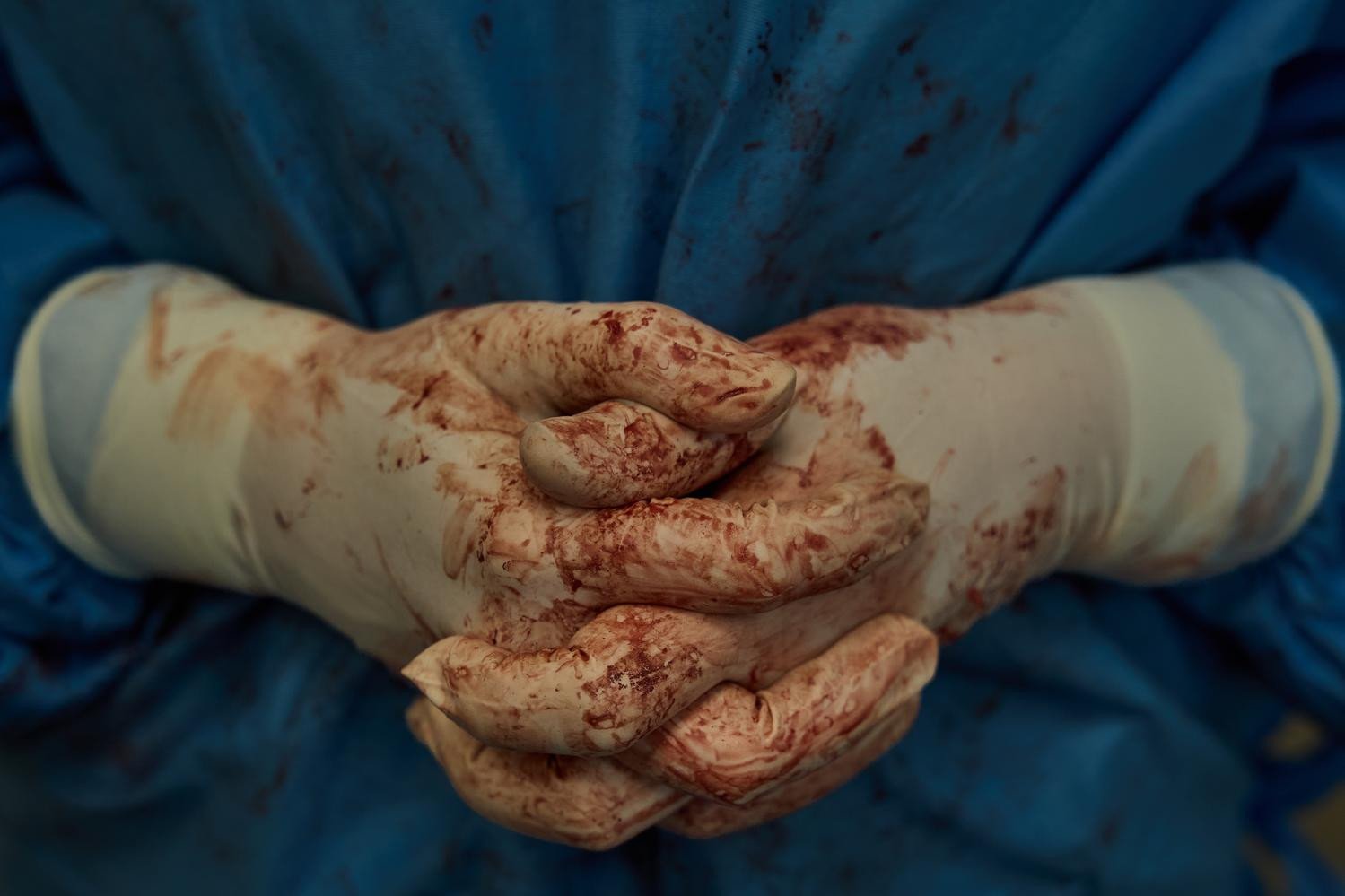
And indeed, there is much going against the life-saving work Ukrainian medical professionals complete on a daily basis. In addition to the challenges posed by constant drone and missile attacks and the destruction of energy infrastructure, the war has also presented significant supply chain difficulties.
Prior to Russia’s siege of Mariupol, Mykola explained to me that Ukraine sourced precious medical supplies like cannulae from this city; these devices are vital to ensuring safe, sanitary heart procedures. When Mariupol fell, Ukrainian medical professionals lost access routes to these, leading to professionals having to get creative about converting intended single-use devices into multiple-use ones.
Furthermore, he informed me that even the seven-hour window that doctors had to transfer a heart from donor to recipient was a new development, born out of necessity. Prior to 2022, this window measured at just 4 hours. However, thanks to organ preservation and transport methods learned and adopted through collaboration with American Vanderbilt University-based cardiac surgeon Dr. Ashish S. Shah, the opportunities to save lives significantly expanded.
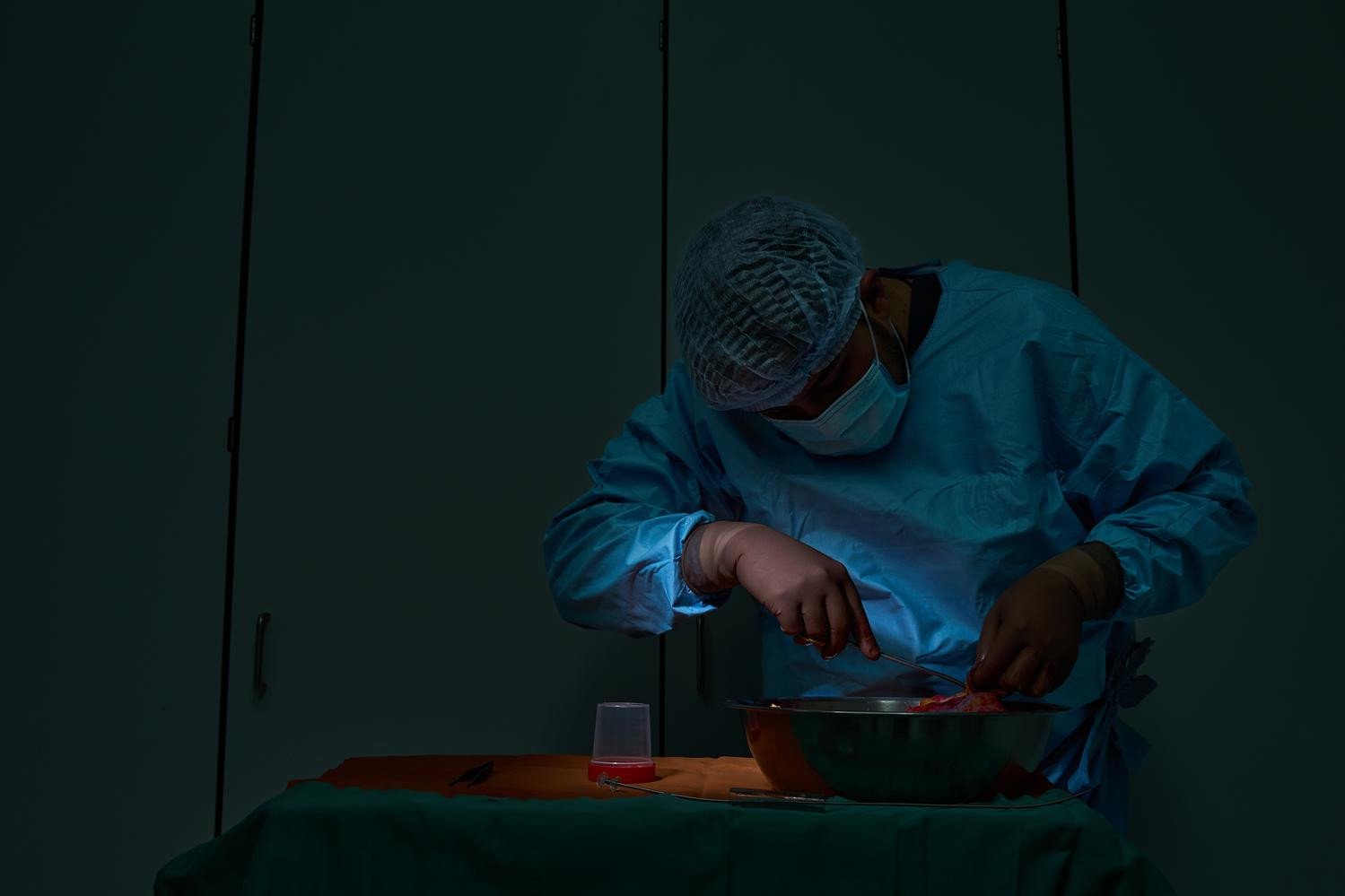
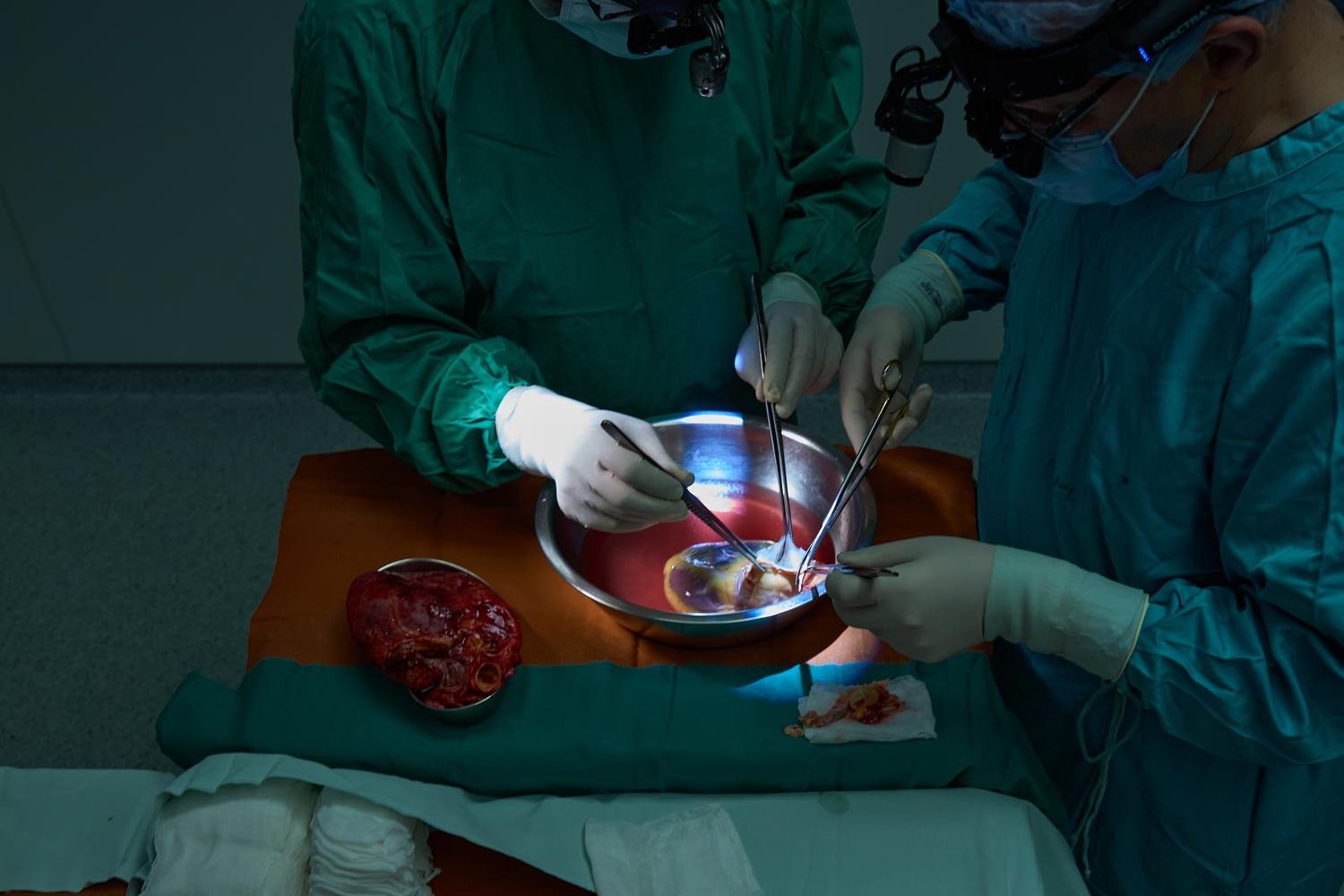
As the time came for the recipient to get his new heart, I looked across the room and noticed two other surgeons handling both the new and old hearts at a separate table. One of the surgeons next to me, noticing my confusion, explained to me that once the new heart is ready to be implanted, they take the old heart and cut out all the valves. Then, these are stored and used to treat Ukrainian children with congenital heart disease , at no cost to their families.
As this conversation was happening, before I even knew it, Dr. Todurov had been settling the donor heart into the chest cavity, attaching it to tubes and transmitting almost telepathic instructions to his colleagues. In a brief moment, he looked up at me and beckoned me over to more closely observe his work.
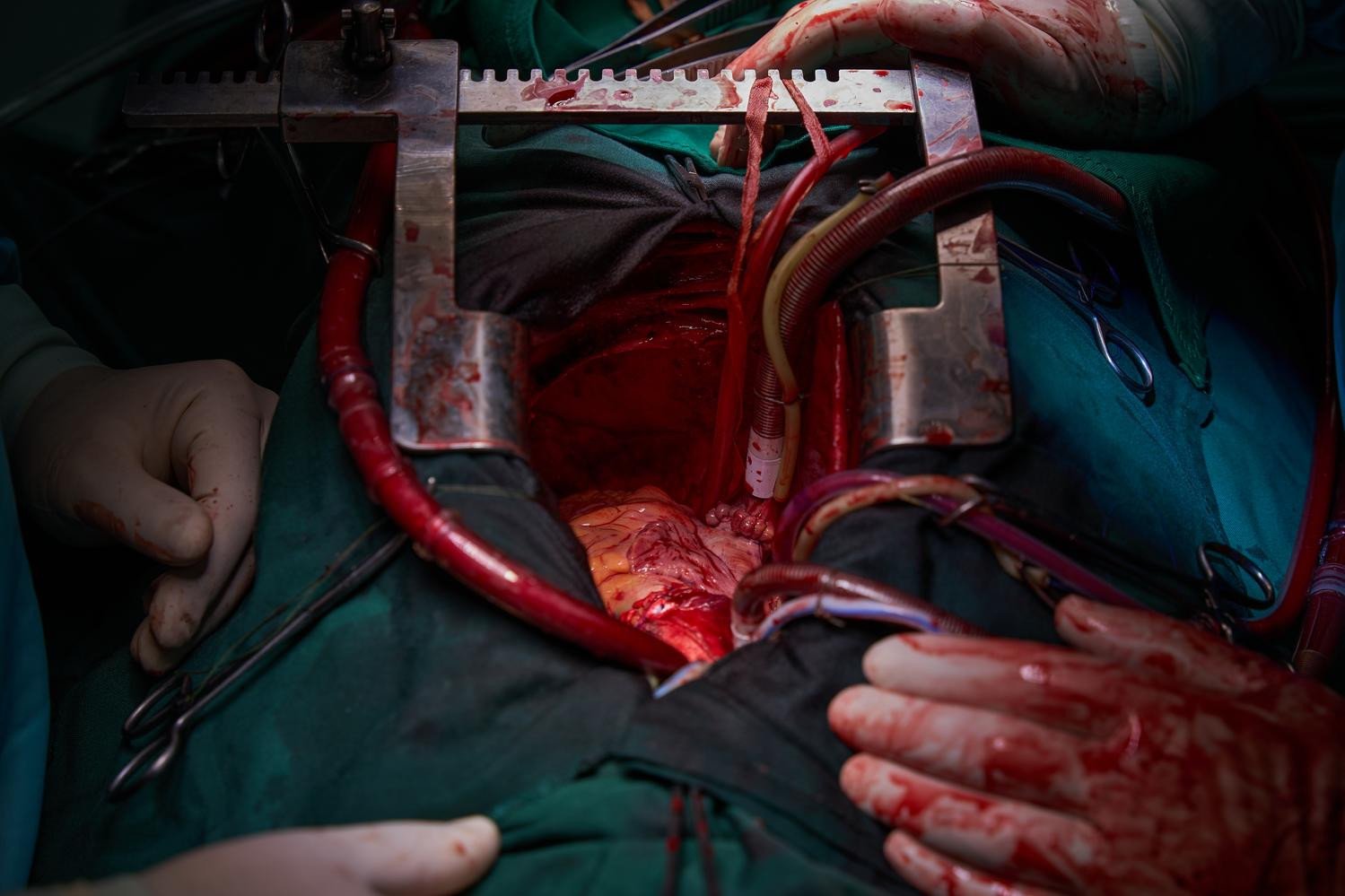
“Quiet, be quiet!” he yelled abruptly at all of us in the room.
Peering down into this anonymous chest, I couldn’t believe my eyes or my ears: the heart had started beating on its own, and there was now another sound added to the symphony of mechanical beeping and ticking. I looked up at Dr. Todurov, and he smiled at me over his mask, resembling the pleased expression of a parent who’s just given a child a long-requested, but unexpected gift on Christmas morning.
As my cameraman and I said our goodbyes to the surgical staff and were escorted out of the hospital, not too far away, we first felt, then heard the unmistakable boom of a Russian Shahed (Geran-2) drone exploding from a successful interception by Ukrainian air defense. We grinned conspiratorially at each other, noting that the day had both started and ended with explosions meant to bring death; somewhere in between, life still won.
Discuss this article:


-80134f2dc17b4a887d01513a1c7bc929.png "Illustration of Russian military infrastructure targeted by Ukrainian strikes in temporarily occupied eastern Ukraine. (Source: General Staff of the Armed Forces of Ukraine)")