- Category
- War in Ukraine
Is It Still Possible to Photograph War in the Age of Kill Zones And Drone Warfare?
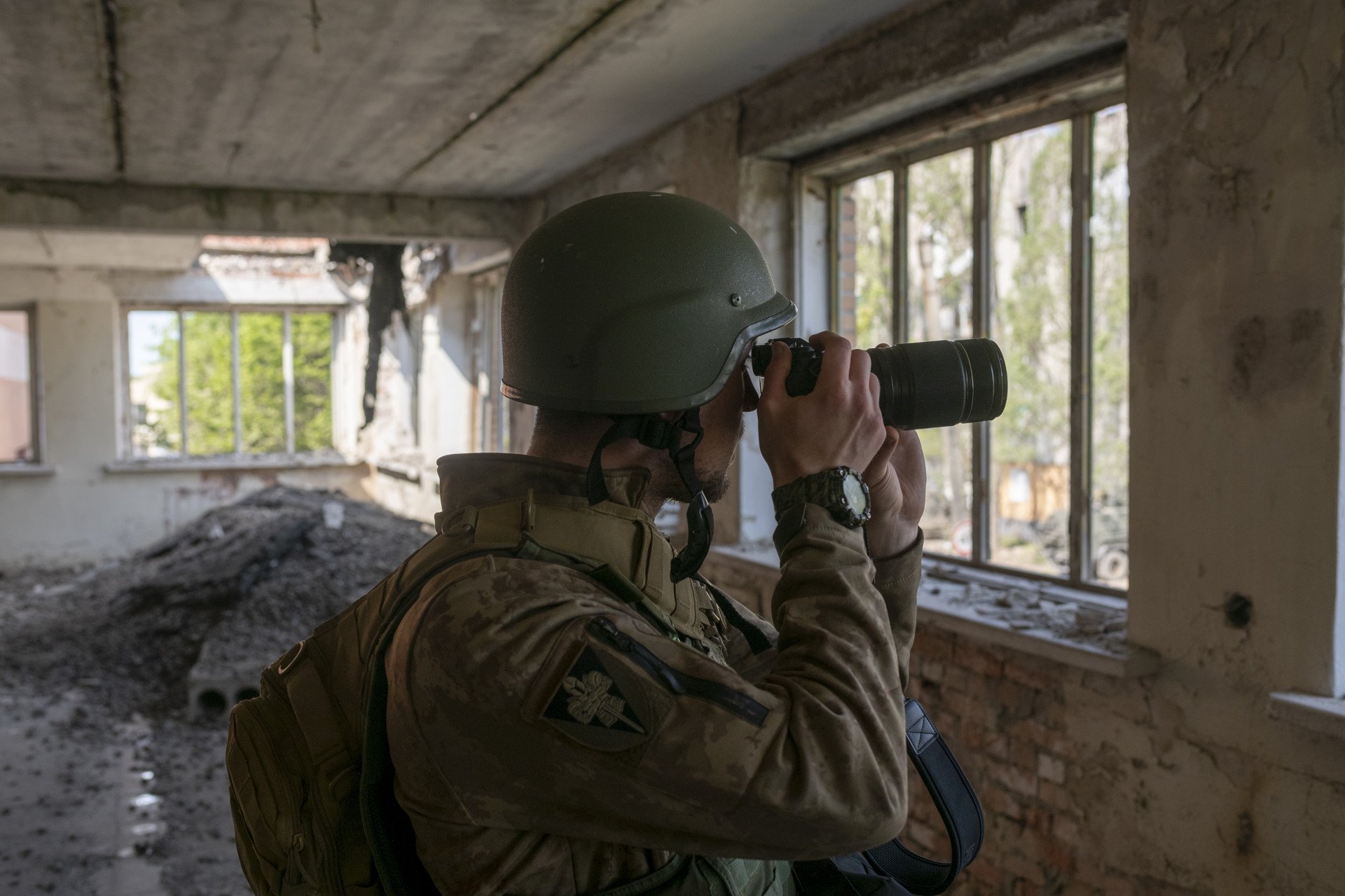
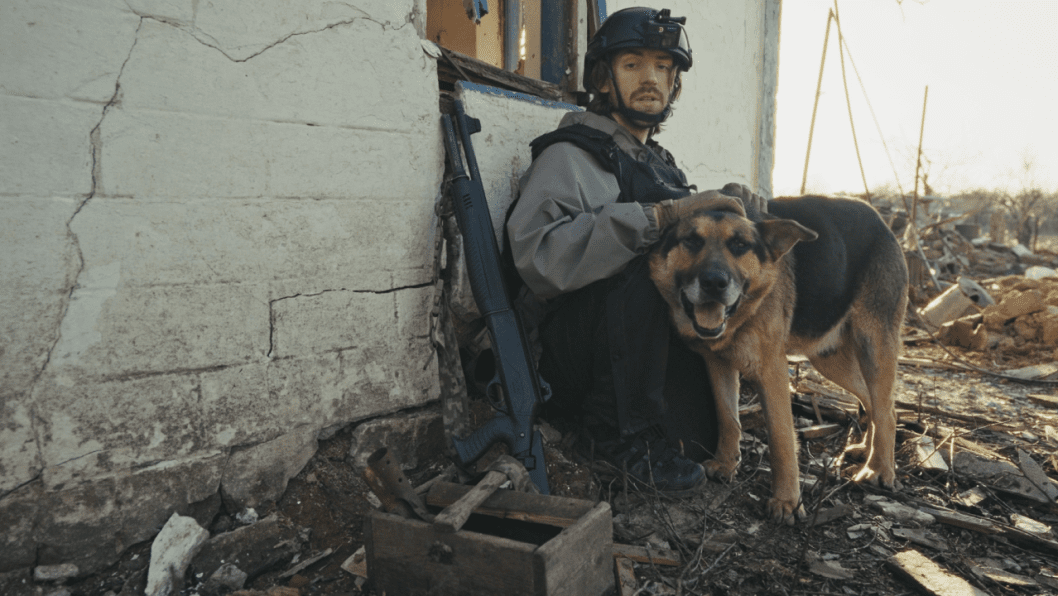
If you're a war photographer in Ukraine today, you may face a paradoxical question: how does one capture one of the "most documented wars in history" in the age of deadly drones and kill zones?
 Prefer U24 Media on Google
- Authors


Antoni Lallican. Maks Levin. Mantas Kvedaravicius. Brent Renaud. Yevhenii Sakun.
Whether Ukrainian or foreign, image professionals have been killed in the line of duty in Ukraine. Some because Russian forces targeted them for doing their jobs. Some, including Ukrainian photojournalist Maks Levin, fell victim to Russia’s summary executions.
In a world driven by images, videographers and photographers are the primary targets of those who, like Russia, deploy overwhelming and lethal resources into their propaganda machinery. Much like in Gaza or Mexico, journalism in Ukraine has become an exceptionally high-risk profession.
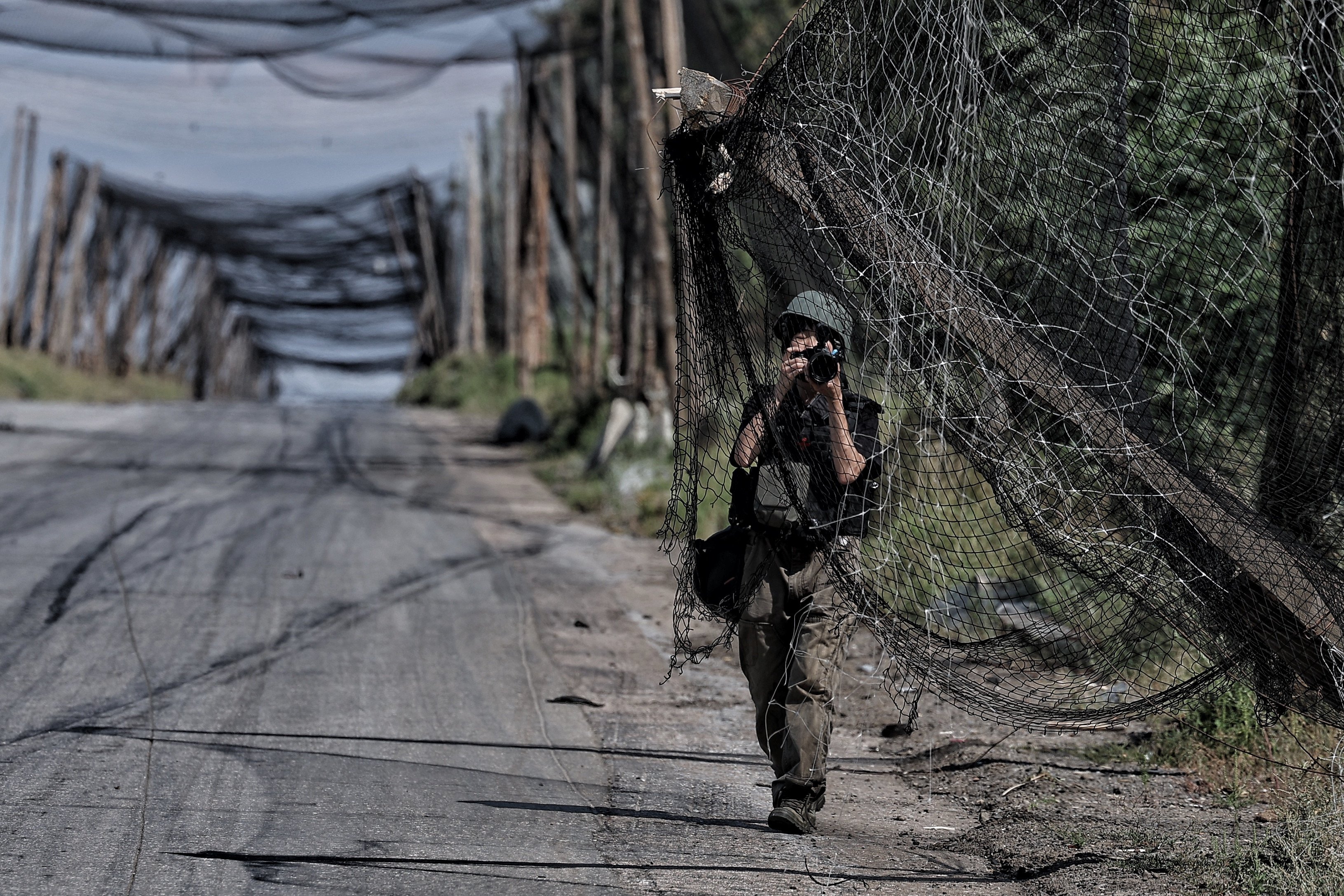
But what is a single image worth in a world saturated with them? Can it still move us when atrocities happen every day? And more broadly, has Russia's war in Ukraine changed how images are made, shared, and understood?
We bring you stories from the ground. Your support keeps our team in the field.
So many opinion pieces, viewpoints, and op-eds, but very little work on the ground. That is a horrific danger. It leads to a detached kind of journalism. You cannot disconnect yourself from people to that extent. You end up in inaccuracy.
Laurent Van der Stockt
Photographer
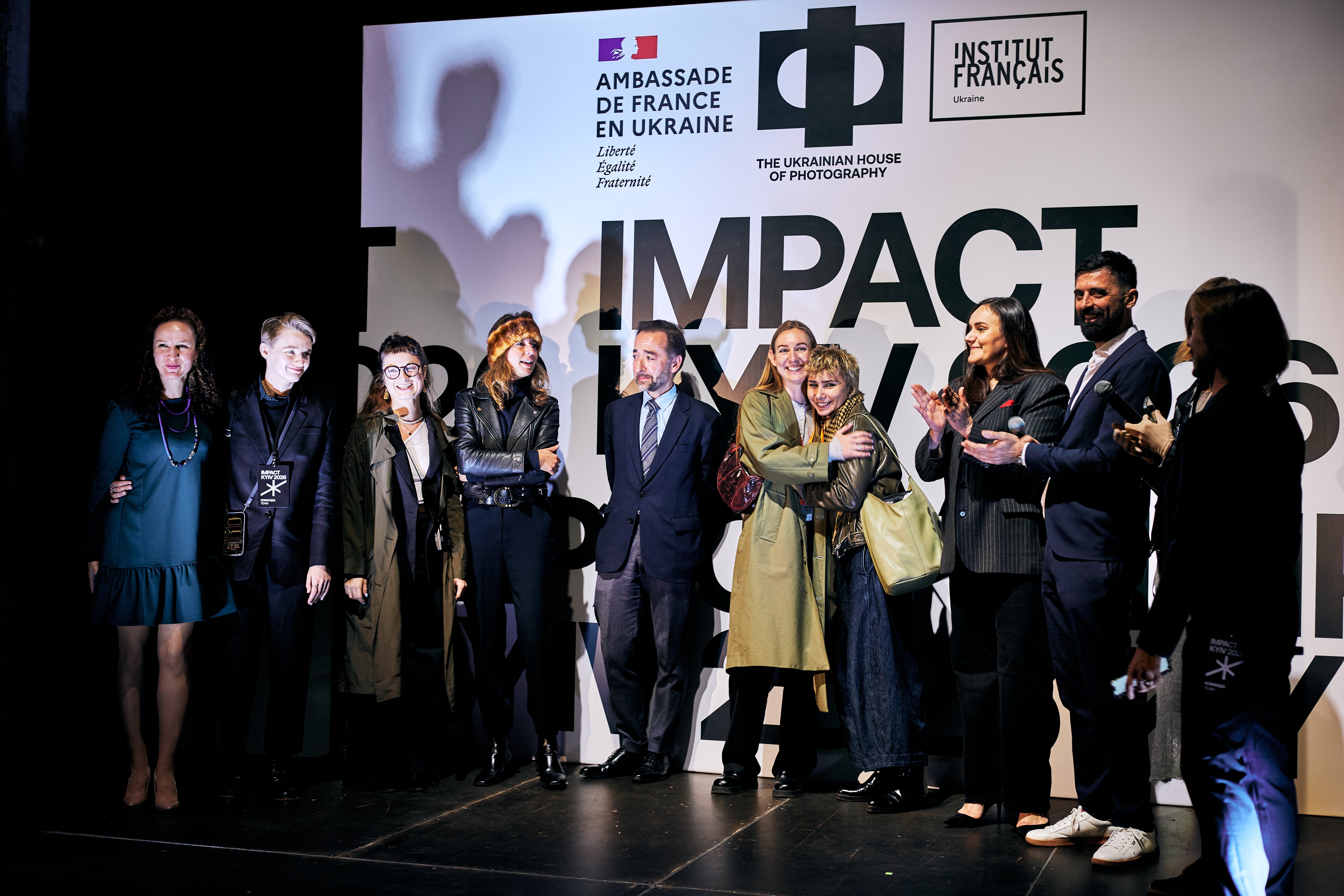
These are the questions that the IMPACT KYIV forum—the first-ever international Forum of War and Conflict Photography, launched by the Ukrainian House of Photography in cooperation with the Institut Français d'Ukraine and the French Embassy in Ukraine—sought to answer. Dozens of photographers, curators, and critics from around the world gathered in Ukraine’s capital from October 15 to 18, despite constant threats of Russian drone and missile strikes.
The director and four participants agreed to share their insights with us.
Photography is a "living organism" that never stops evolving
The scale of Russia's invasion shocked the world in 2022, explains Kateryna Radchenko, exhibition curator, World Press Photo board member, and head of the IMPACT KYIV forum war photography festival in the Ukraine’s capitale. The media rushed to cover it. But as the war transitioned into a prolonged phase, international attention dropped, much like in Myanmar or Sudan.
Russia’s war in Ukraine is evolving so fast. Society and the ways we talk about it are changing alongside it. It is essential to analyze how we communicate and archive this war.
Kateryna Radchenko
Exhibition curator and head of the IMPACT KYIV fourm war photography festival in Kyiv
So, is photography losing its impact in a world saturated with images? Not according to Radchenko. Photography, she says, "is constantly changing—it is a living organism."
For her, the core question is not whether photography can alter History itself, but how it can reshape our relationship with history.
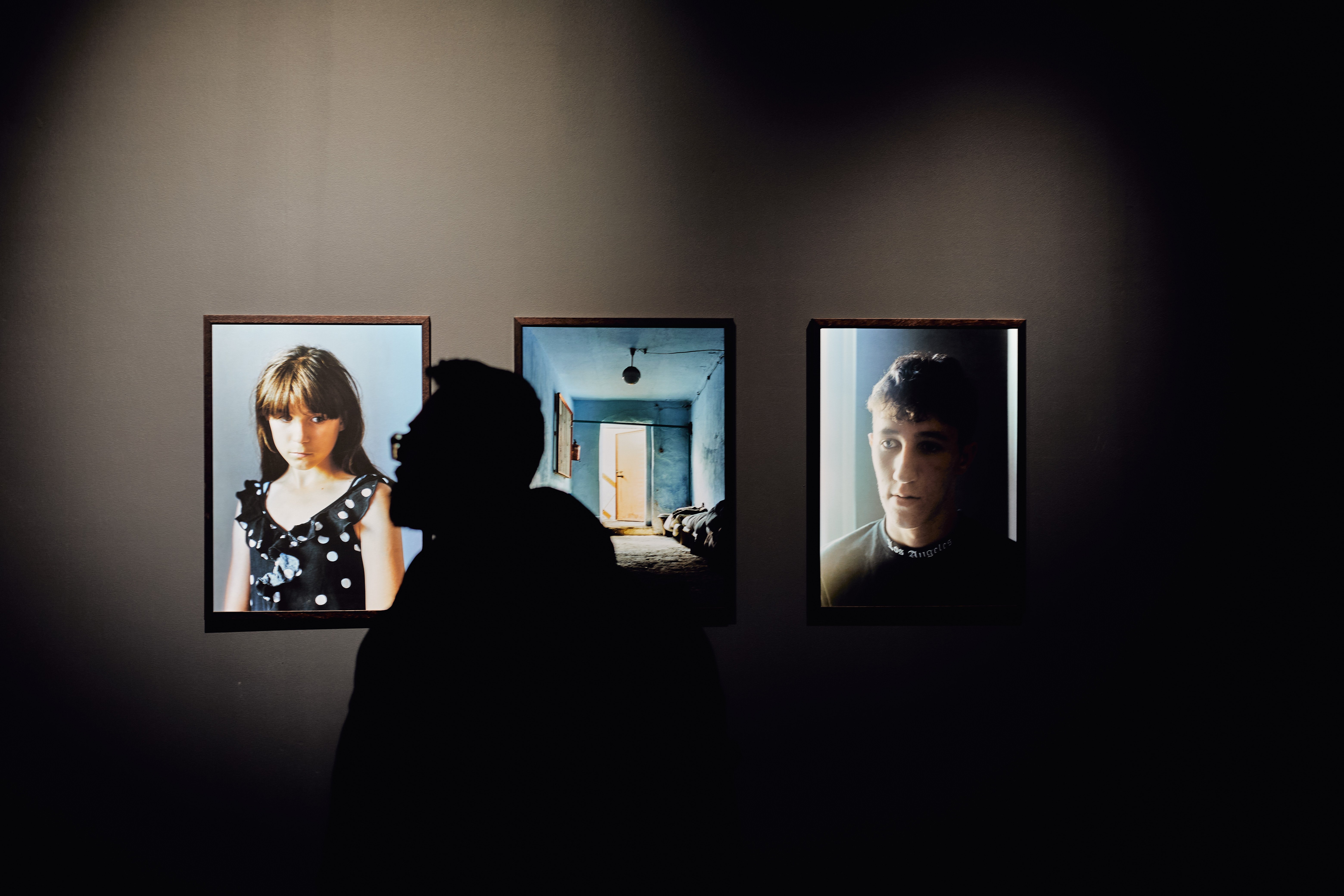
Although war in Ukraine is considered the "most documented war in history" (via GoPro cameras, FPV drones, and soldiers' phones)—a phrase echoed frequently during the forum's panel discussions—direct access for professional photographers to the zero line is increasingly restricted, posing the question of the legitimacy of the images. For Radchenko, historical truth emerges from assembling multiple perspectives: the work of photojournalists, but also military footage, and everyday vernacular photography.
What we are currently seeing in Ukraine is a form of visual democracy. We have several different perspectives, and it is through combining these angles that we can attempt to see the bigger picture of History.
Kateryna Radchenko
Exhibition curator and head of the IMPACT KYIV forum war photography festival in Kyiv
Selected from an open call that drew nearly 200 international submissions, the main IMPACT KYIV forum exhibition layout, designed by Radchenko, demonstrates a wide array of contemporary approaches to the conflict. These range from open data—such as Daria Vertilova’s project compiling portraits of dozens of children abducted by Russia who have yet to return—to the Olha Koval’s installation, Gilles Price’s use of photogrammetry, and the vernacular photography of the Behind Blue Eyes project.
Is it still possible to photograph the frontlines?
Laurent Van der Stockt has documented it all: the fall of the Berlin Wall, the siege of Sarajevo, the war in Chechnya, Iraq, Syria, and Ukraine. With over 30 years of experience, this Belgian photographer has become intimately familiar with the technical and ethical evolution of photojournalism.
In 2013, Van der Stockt accompanied the journalist Jean-Philippe Rémy to document the use of sarin gas by the Russian-backed Assad regime against civilians in Syria. Then-US President Barack Obama had declared the use of chemical weapons a "red line" for American intervention. As Van der Stockt notes, while intelligence services worldwide had proof of these attacks, the legitimacy of independent journalists investigating on the ground was essential to reach public opinion and influence policy decisions.
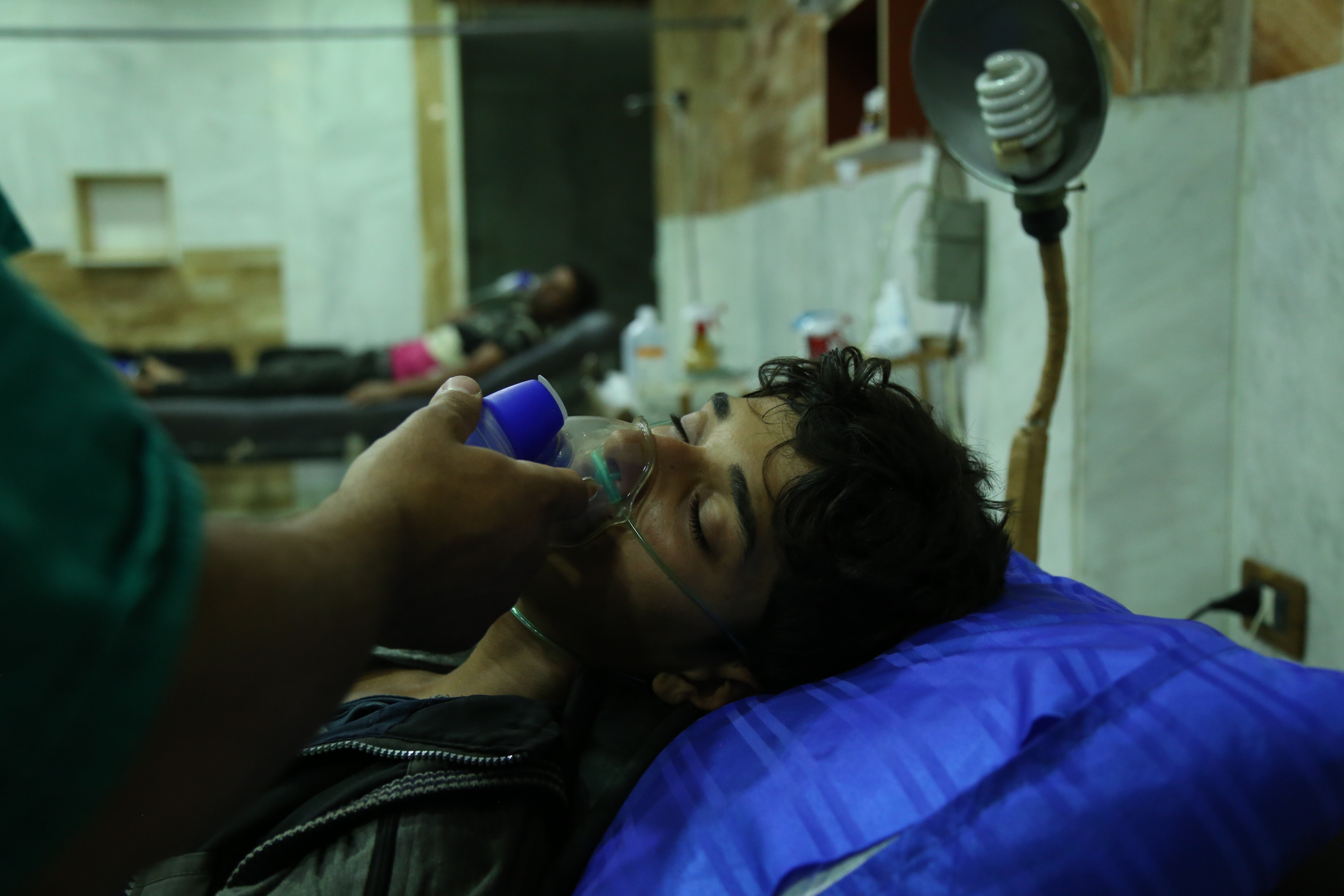
Their reporting and physical evidence sparked responses from several countries, including France, following publication in Le Monde. However, due to political considerations, the US did not enforce the red line it had drawn, giving Syrian and Russian forces free rein to continue their atrocities.
Laurent van der Stockt views the vital need for "the legitimacy of someone who is not a party to the conflict." Even if civilians or military personnel involved in the conflict are "honest people," there will always be a lack of legitimacy that only independent documentation professionals can provide, he said.
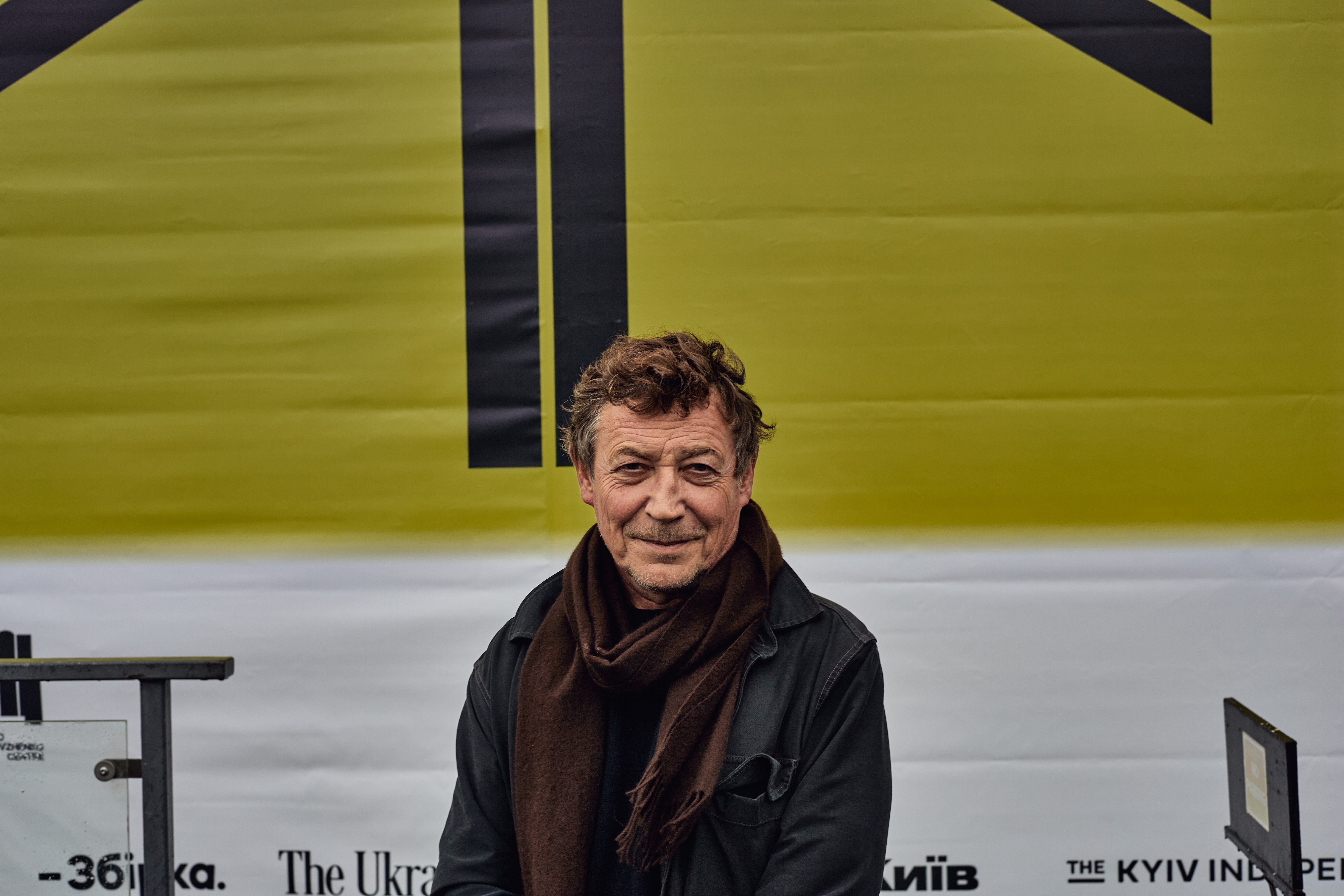
Comparing his experience in the Middle East with his work in Ukraine, van der Stockt highlights the unique characteristics of the war in Ukraine. For his generation of reporters, who were accustomed to revolutions and civil wars, Ukraine represents the first "true state-to-state war" featuring a continuous 1,500-kilometer frontline.
The functioning of the Ukrainian state and civil support allow journalists to work in relatively favorable conditions, he says. But the existence of a kill zone severely complicates access to the zero line. Photographers must stay alongside soldiers for dozens of days to align with rotation schedules:
“No one is going to risk their life just to drive you back and forth,” he says. “The cost is exorbitant in terms of investment and reporting yield.”
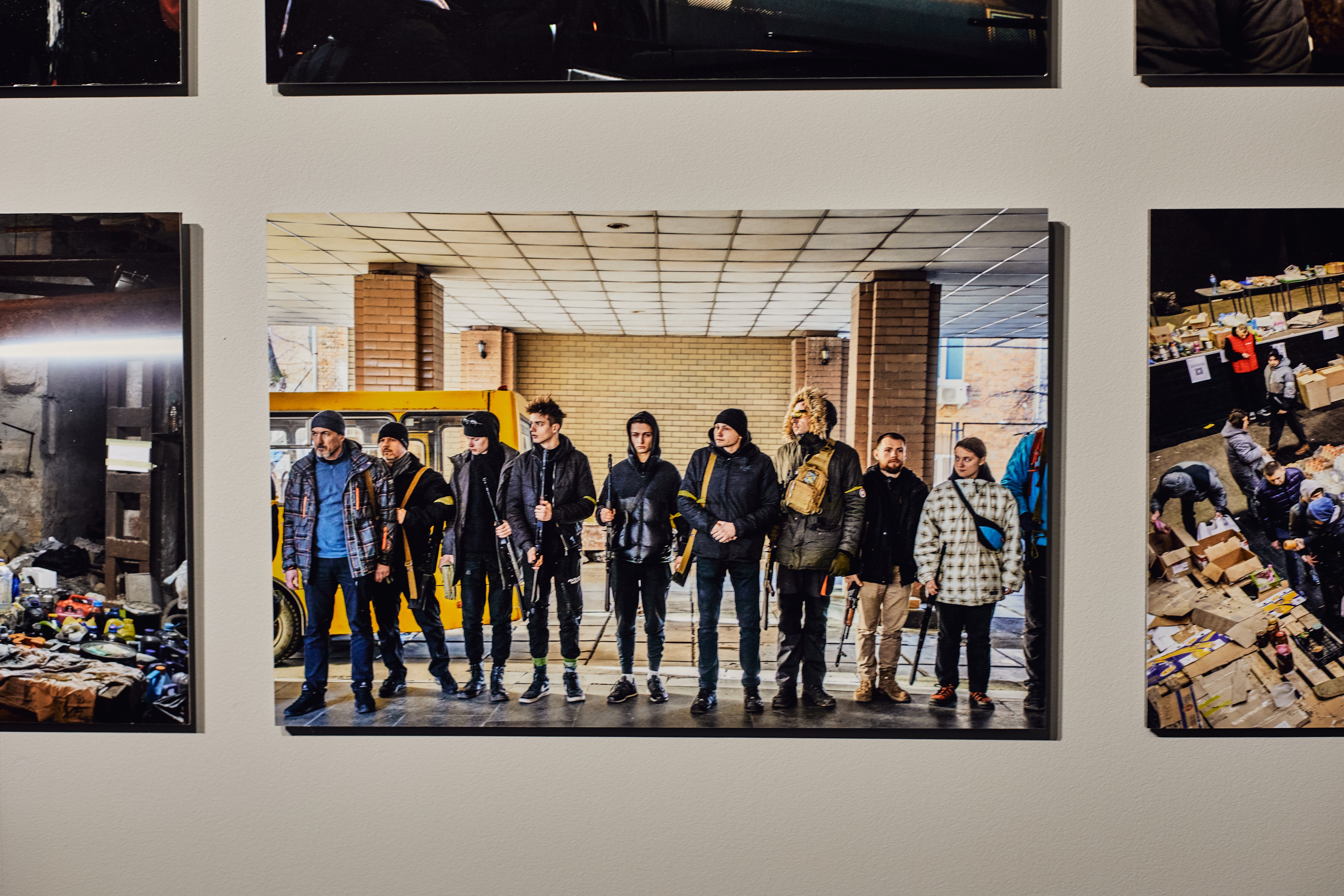
Although van der Stockt rejects the label of artist—"my job," he says, "is not to interpret; it's to deliver information to someone"—he recognizes the importance of keeping audiences engaged through innovative exhibition design.
“You exhaust the audience's capacity for empathy,” he continues. "Relentlessly churning out standard articles is almost counterproductive."
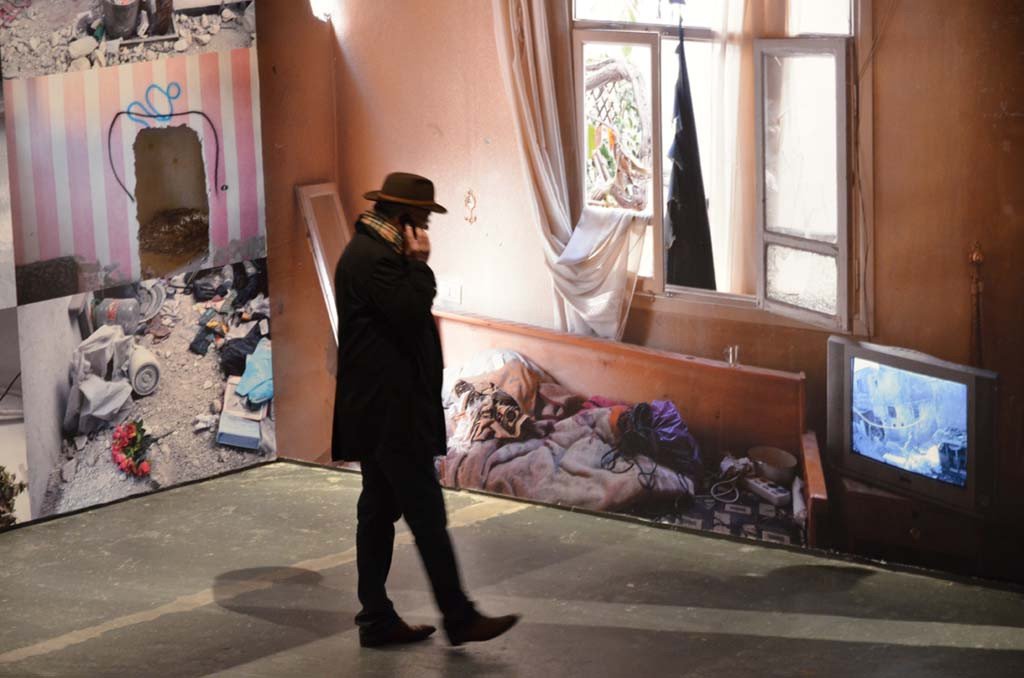
Upon returning from the frontline in Ghouta, Syria, he had traveled through a network of over a hundred homes—passing through tunnels, living rooms, and kitchens—to stay protected. Along the way, he captured direct, square, topographical images of these domestic spaces. Instead of merely displaying framed photos on a wall, he reconstructed a full-scale Syrian interior during a group exhibition in Dunkirk, using his photographs as a trompe-l'œil wallpaper.
The goal is to create “uncomfortable conditions”
"Standard images no longer work," realized Ukrainian photographer Olha Koval. So she created an immersive installation by recreating the setting used for the photographs displayed at the IMPACT KYIV forum.
Her latest project uses firebugs bursting through floorboards, creating a striking visual metaphor for the Russian invasion and occupation.
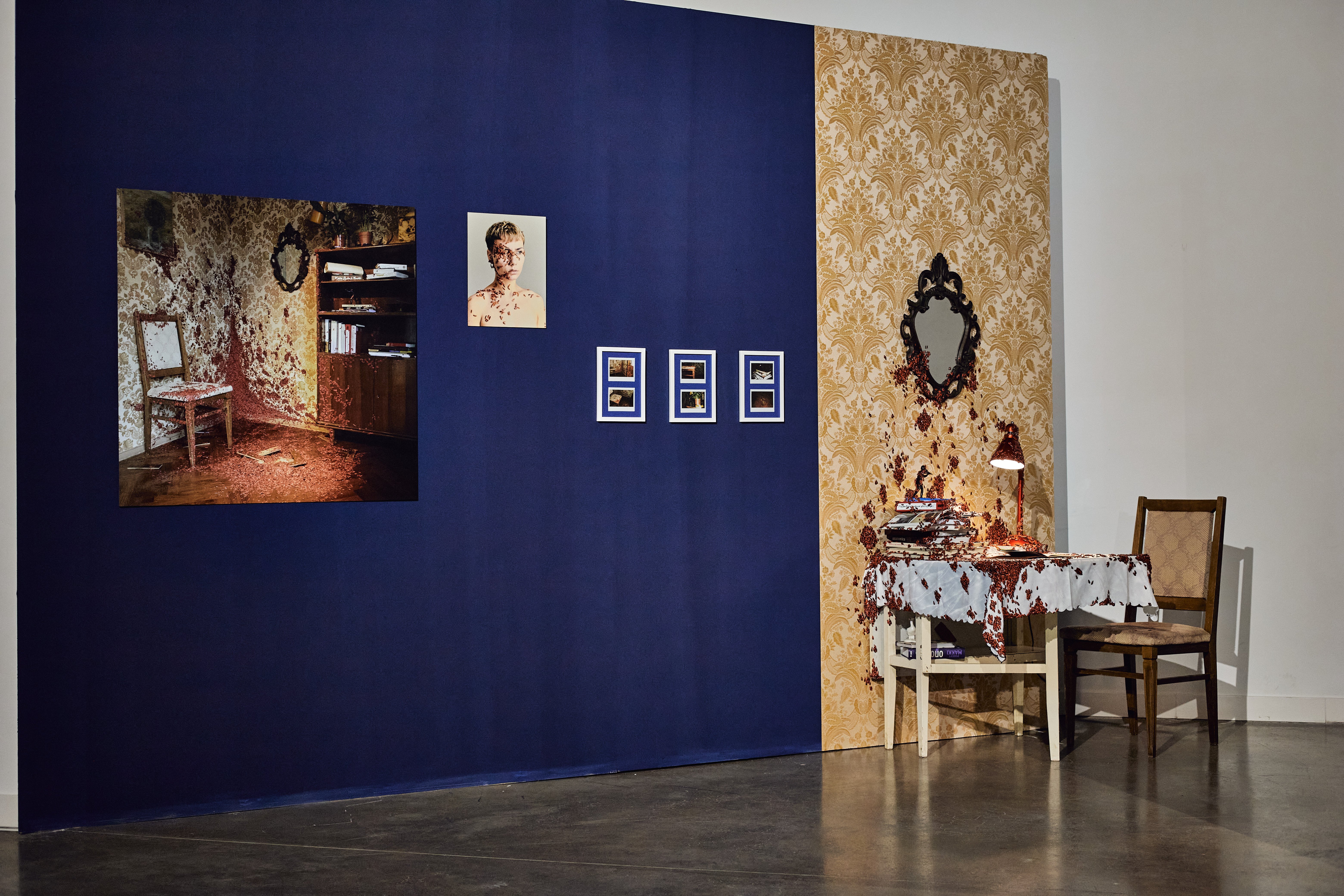
"For a foreigner, I try to create uncomfortable conditions," she says. "The result is a room filled with insects, forcing them to ask what they would do if they woke up to find their home occupied [...] It's a total nightmare."
Koval spent six months making and hand-painting 40,000 "soldier bugs" (Pyrrhocoris apterus, or firebugs) solely to construct the backdrop for a single analog photograph.
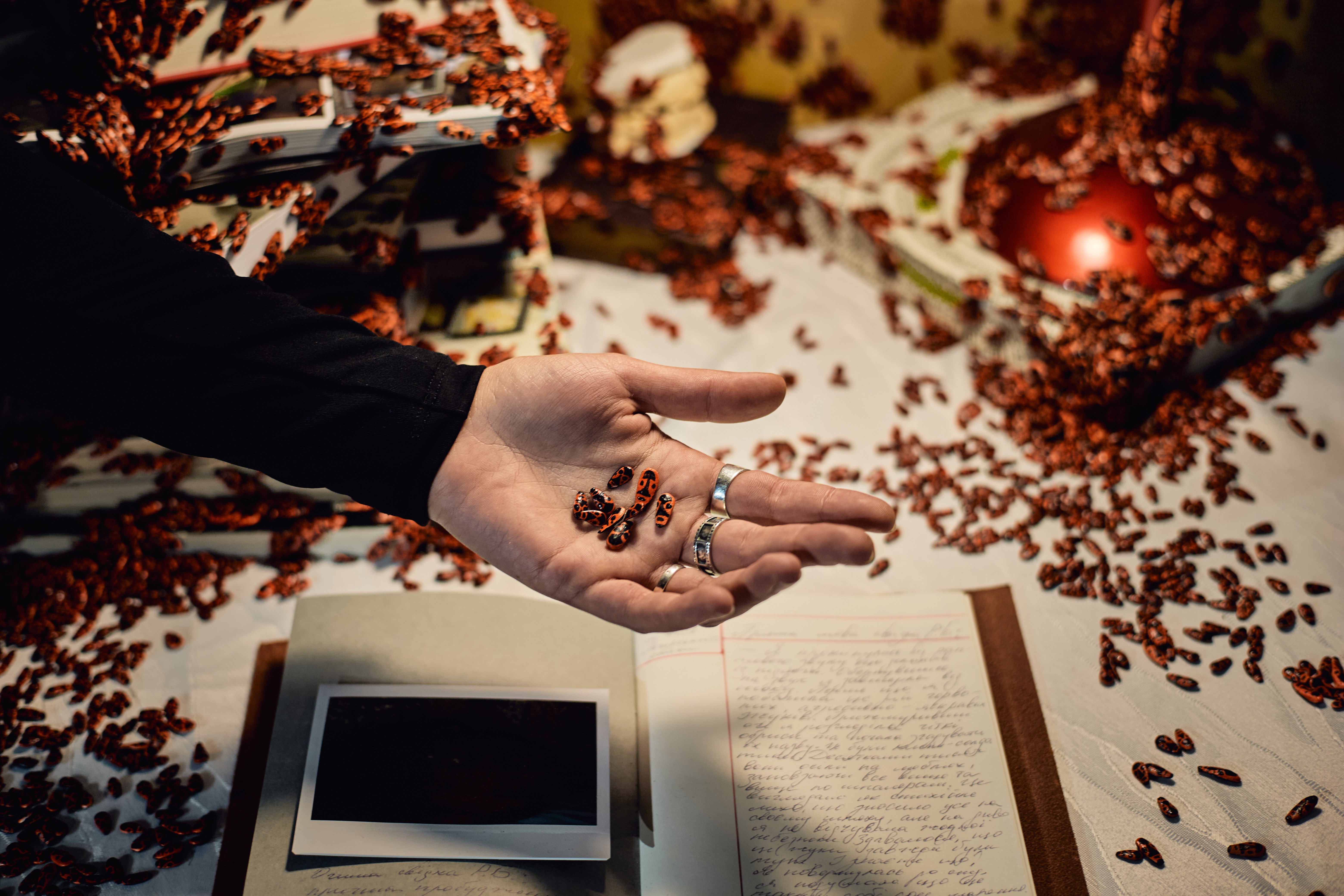
In the age of artificial intelligence, Koval highlights the value of physical craft and effort in artistic creation, noting how a photographer's willingness to take risks remains central to how audiences connect with their work. For her, war is a tangible physical and existential reality, and the creative process representing it must be just as real.
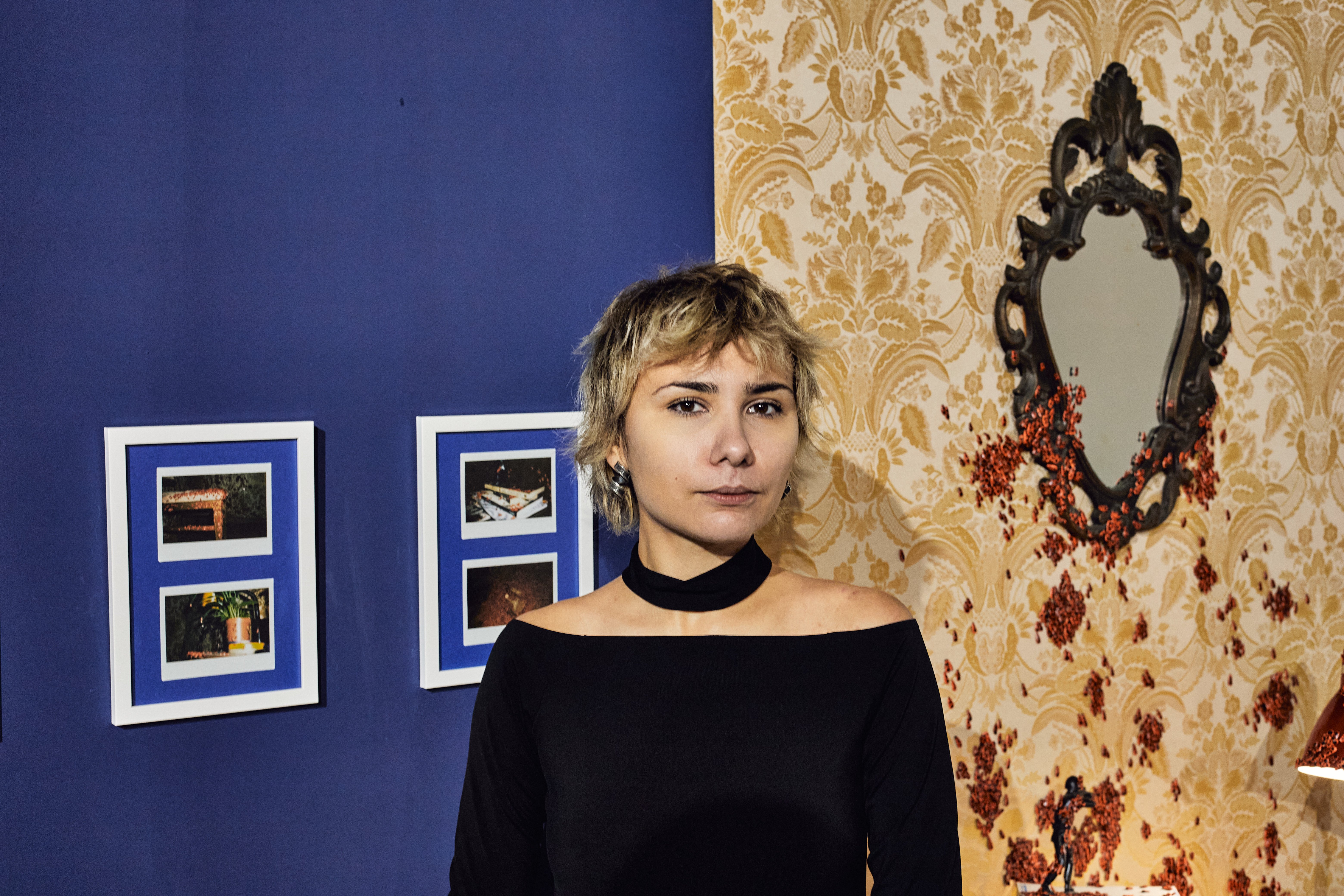
When we talk about AI photography, an interesting question arises: What do we actually value in photography? It is precisely that realism—the knowledge that this existed in reality.
Olha Koval
Photographer
Koval’s work illustrates how Ukrainian artists are reinventing the visual language of war by using allegory and artistic metaphor rather than relying solely on direct documentation, says Radchenko. It was recently shown in France, at the photo festival Circulation(s).
In the drone age, “the weapon system is now recording its own act”
Former British service member and photographer Giles Price also began exploring the evolution of photography early on. He started adapting to technological shifts that open new possibilities and transform our relationship with imagery, such as thermal cameras or 3D imagery.
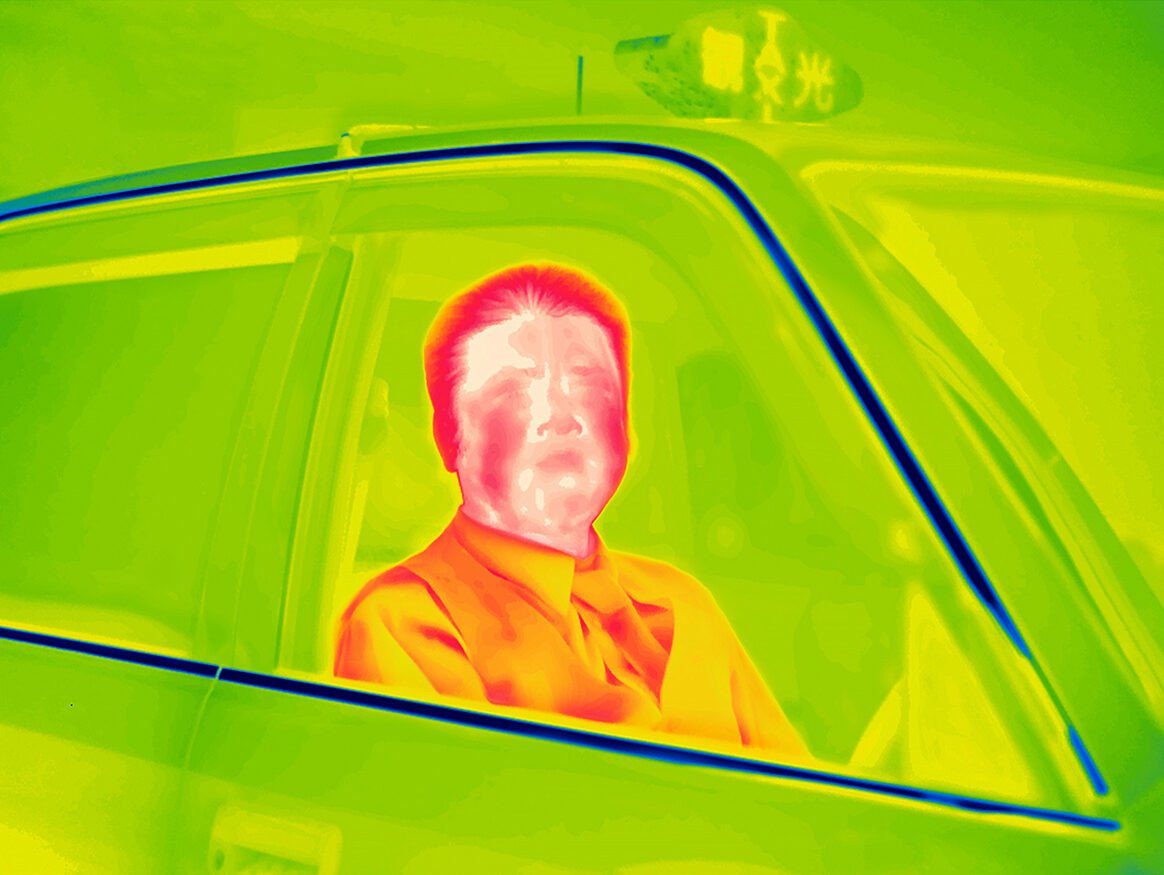
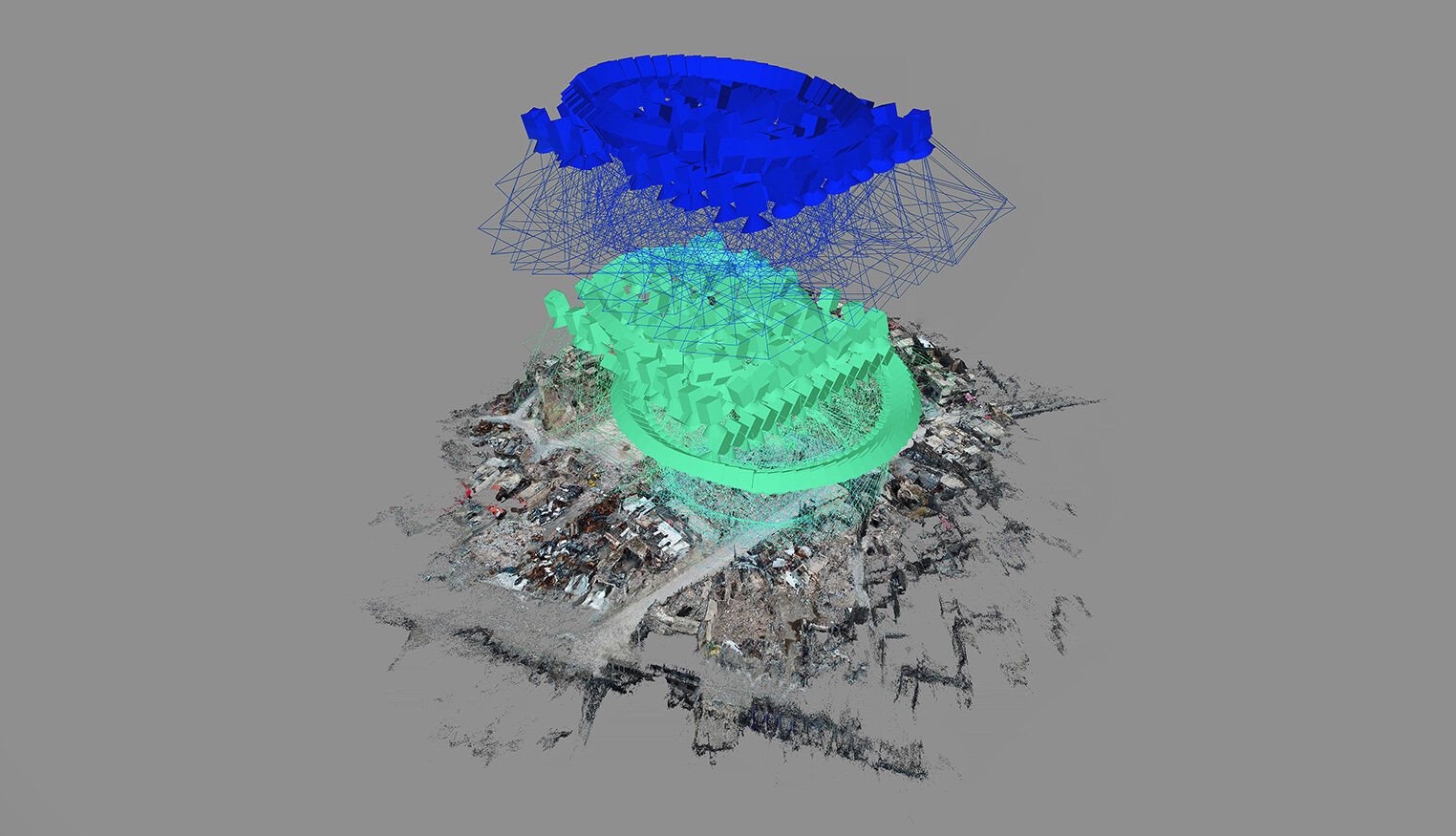
While covering the Battle of Mosul for The New York Times to document the destruction of civilian housing by US forces, Price was prohibited by local forces from using standard civilian drones. To overcome this constraint, he initially used a 12-meter carbon fiber pole to elevate his camera before bypass restrictions using photogrammetry applications.
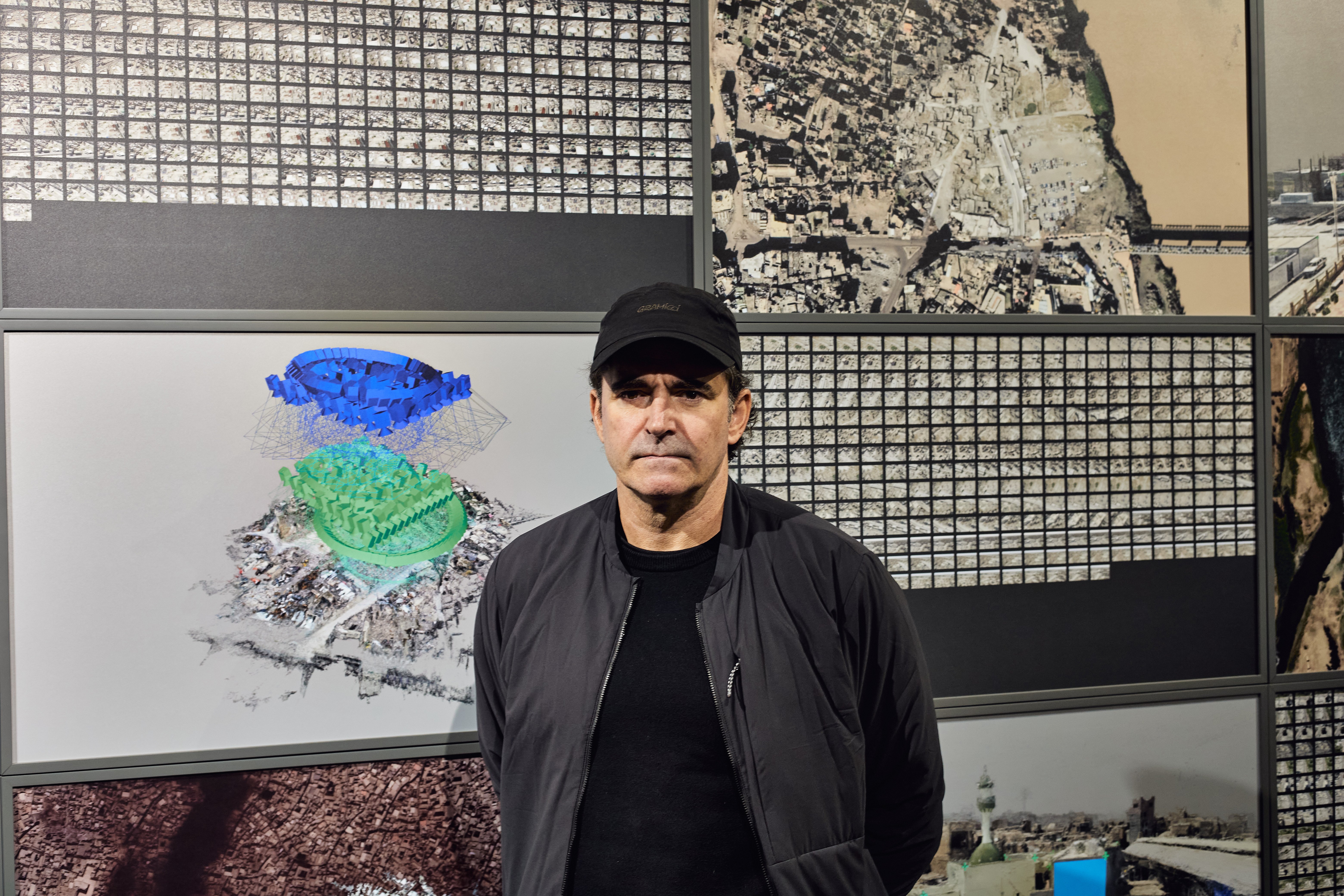
This technique involves stitching together hundreds or thousands of overlapping photographs to construct a three-dimensional visual model. Price notes that while the concept dates back to the early days of photography (Albert Meydenbauer in 1850) and First World War military targeting, modern technology allows it to serve as an innovative documentary tool.
The difference between me and documentary photographers is that arguably they're more like photojournalists. They are using all of that data to try and distil down a truth. Mine sits more in an art practice, because I'm trying to just show complexity and tensions.
Giles Price
Photographer
Opposing Laurent van Der Stockt statement that a photographer needs to be close to their subject to be able to document what’s happening, Price, to document the reconstruction of the Al-Nuri Mosque in Mosul, did not need to travel to the site: he trained a local videographer via WhatsApp to conduct drone flights and transmit the raw data, which Price then processed in the UK.
The nature of image producers has fundamentally shifted. In Ukraine, frontline documentation is increasingly conducted not by neutral or external journalists, but by military personnel themselves, who record their experiences and strikes for tactical analysis, battle damage assessment, or combat updates. FPV drones record the final moments before impact up close.
"You can't make a Robert Capa-type image anymore,” says Price, “On the zero line, it's too dangerous... That type of kinetic moment you can't make. That's been replaced by the FPV kill video, or the FPV kill still."
Now it's the weapon—the camera kills you and documents the act itself. That's where warfare has got to [...] the weapon system is now recording its own act.
Giles Price
Photographer
“Achilles” disrupts enemy offensive operations in the Kharkiv sector.
— 🇺🇦 Unmanned Systems Forces (@usf_army) September 8, 2026
The 429th Separate Unmanned Systems Brigade detects and strikes assault groups advancing toward Ukrainian positions, weakening the enemy’s offensive potential.
USF: One step ahead! pic.twitter.com/eY7y5OwJpt
To illustrate his point, Giles Price recalls Henri Cartier-Bresson’s canonical definition of documentary photography, applying it to our time. "What is a three-dimensional ‘decisive moment’?,” asks Giles Price. “You take Cartier-Bresson into the future, suddenly it's 3D…”
If Cartier-Bresson was here now, he'd be flying drones and probably doing stuff with 3D, because he had the latest technology at the time that allowed him to make a new vision of the world.
Giles Price
Photographer
Giving Ukrainian children a camera and a voice
In February 2022, Russian troops crossed into Ukraine's northern Chernihiv region from Belarus and occupied it. By early April, Ukrainian troops had pushed them out.
Soon after, two volunteers, Dima and Artem, began bringing humanitarian aid to the liberated villages. But they brought something else as well---disposable cameras for local children.
When they developed the film, Dima and Artem discovered that despite living amidst destruction, the children did not focus on capturing ruins or violence. Instead, they photographed their daily lives, loved ones, pets—dogs, cats, chickens, geese—games, nature—a dandelion set against a blue sky, which became the project's signature image—and occasional glimpses of the war, such as soldiers on armored vehicles.
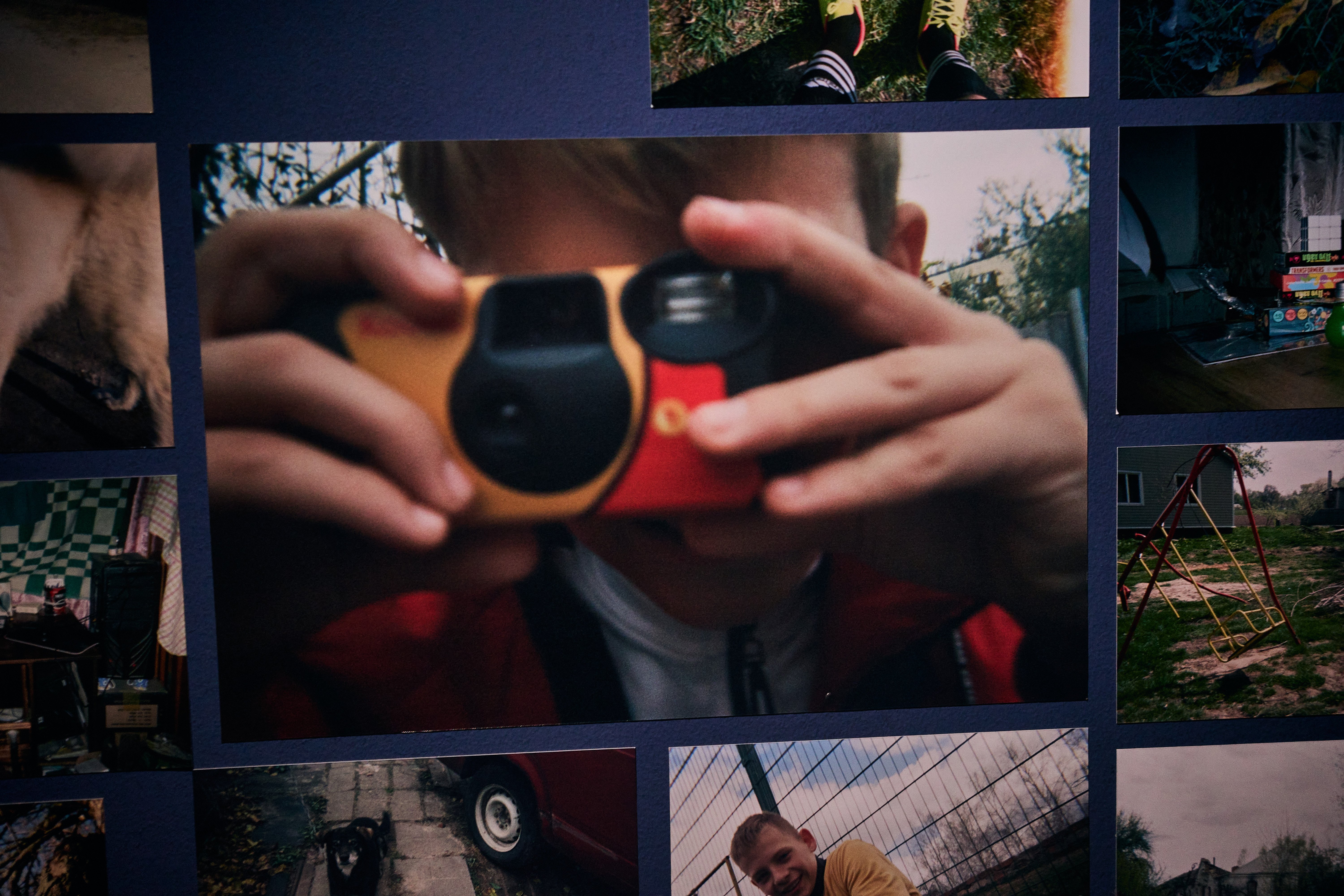
The name Behind Blue Eyes is not a reference to Limp Bizkit or The Who. Natalka, the project's director, explains: "It is about blue eyes—the sadness these children carry despite everything. It is about the experience behind their eyes. They smile, they are still children, but they carry such a heavy burden."
Following this initiative, and as the Ukrainian military liberated more territory during the 2022 counteroffensive, the project expanded to additional villages. It also developed a formal mission: building children's confidence in their own creative potential.
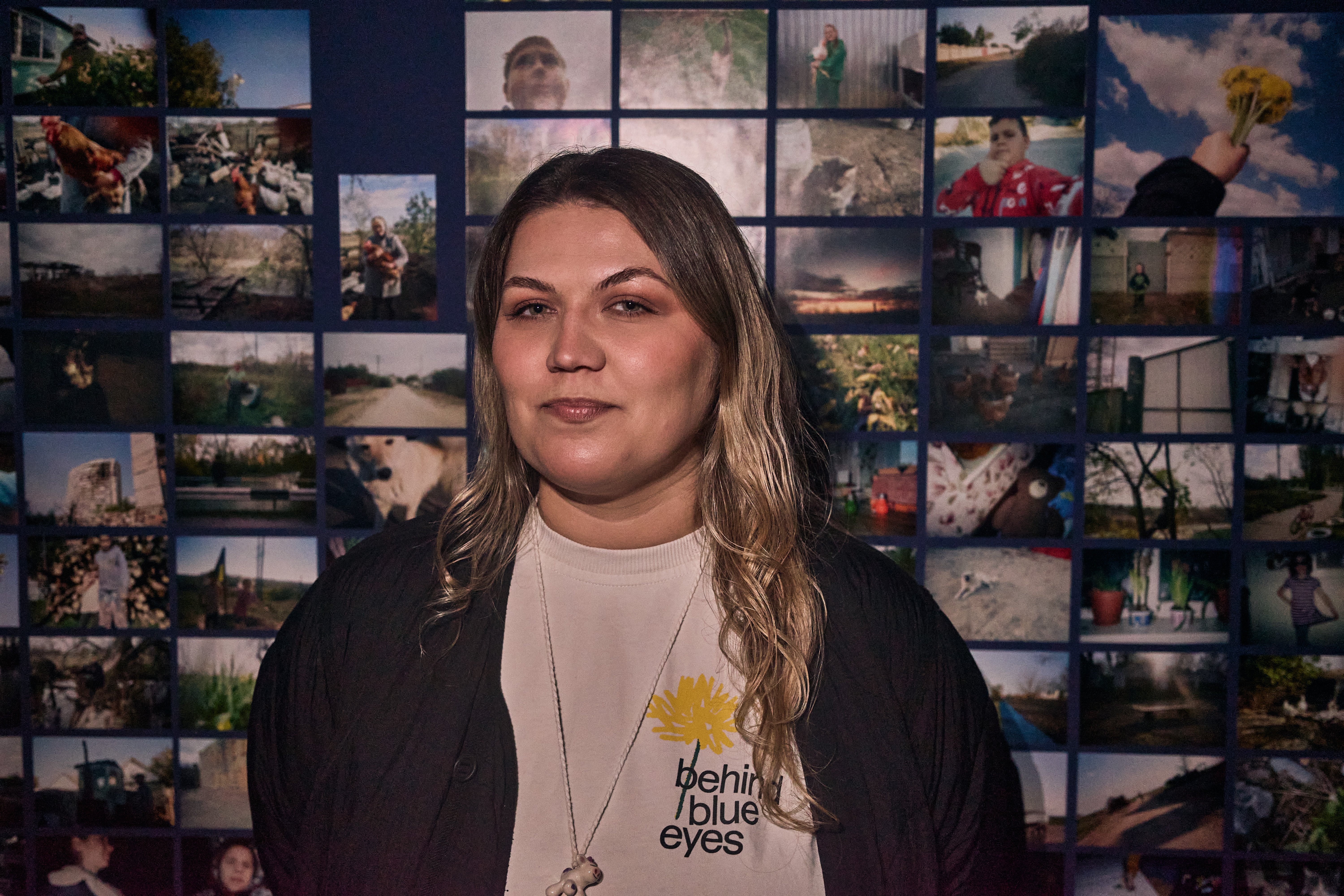
"We tell the children," says Natalka Sosnytska, general manager of the project, "You put in creative effort, took initiative, believed in your ability to accomplish something, and your dream came true. If you approach life the same way, anything is possible."
During final visits to the villages, the organizers return to fulfill the dreams the children had previously shared.
"We don't talk to the children as war victims,” she says. “They shouldn't feel that way [...] Pitying them and dwelling on how unfortunate they are won't help them. We want to empower them to take action for themselves."
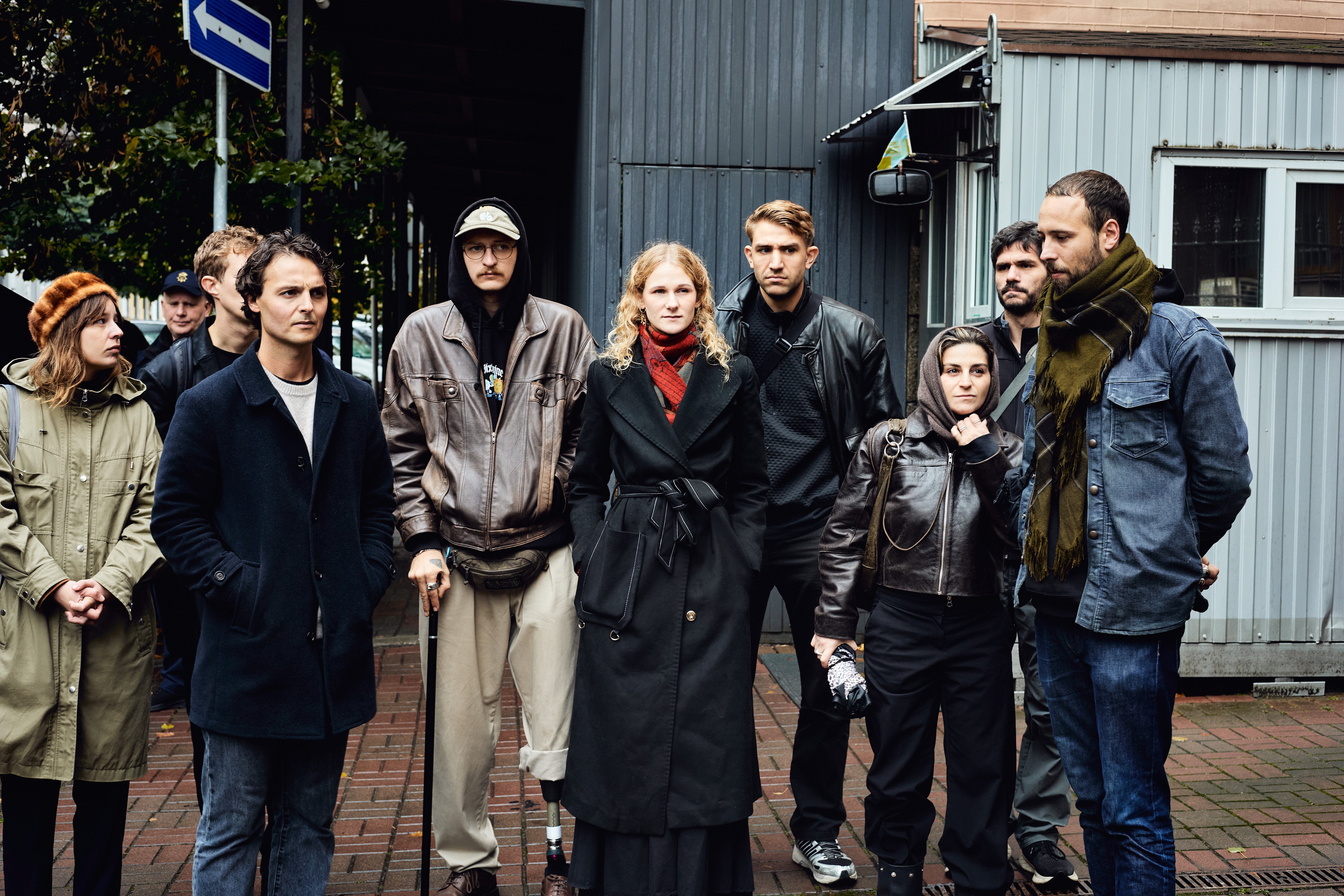
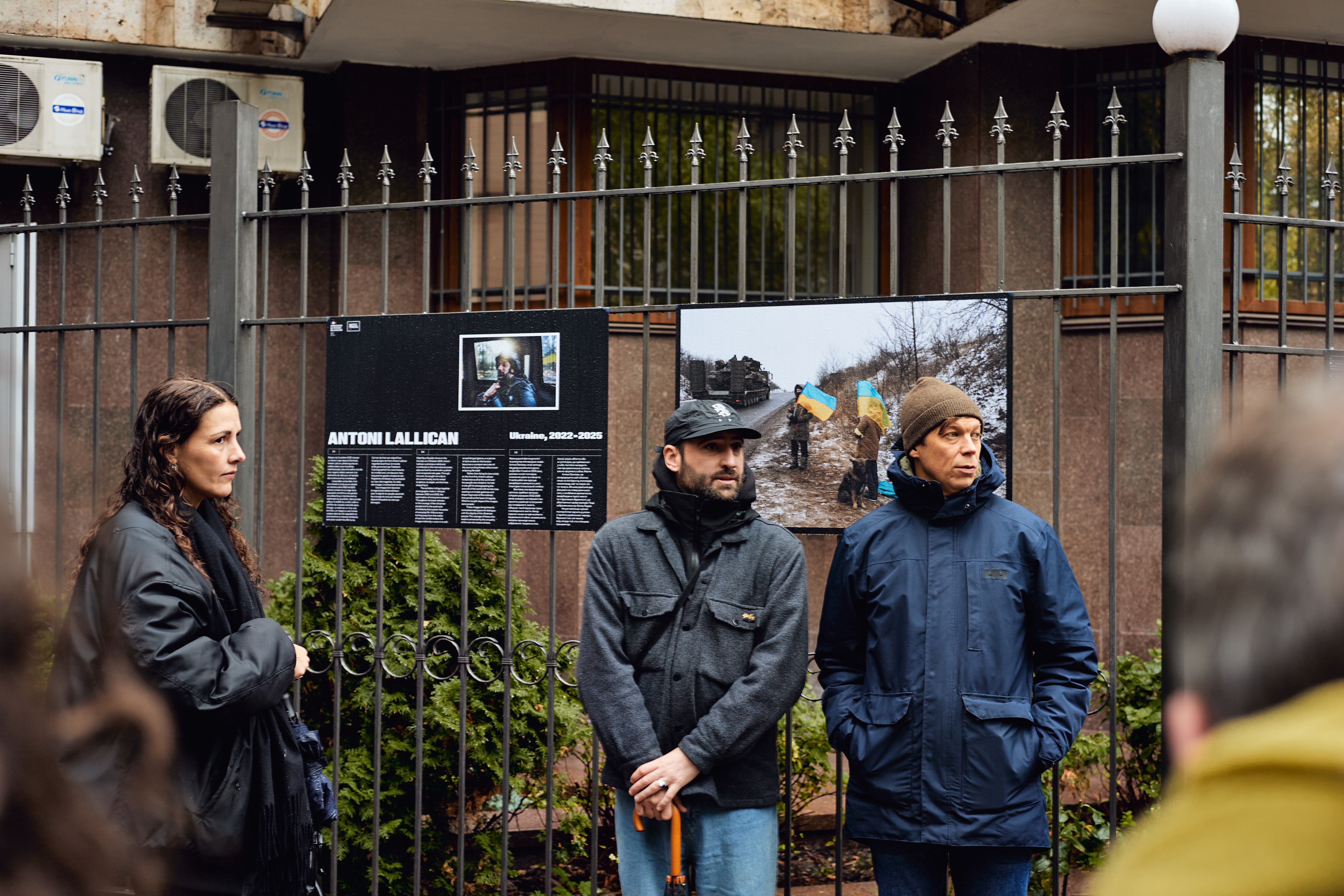
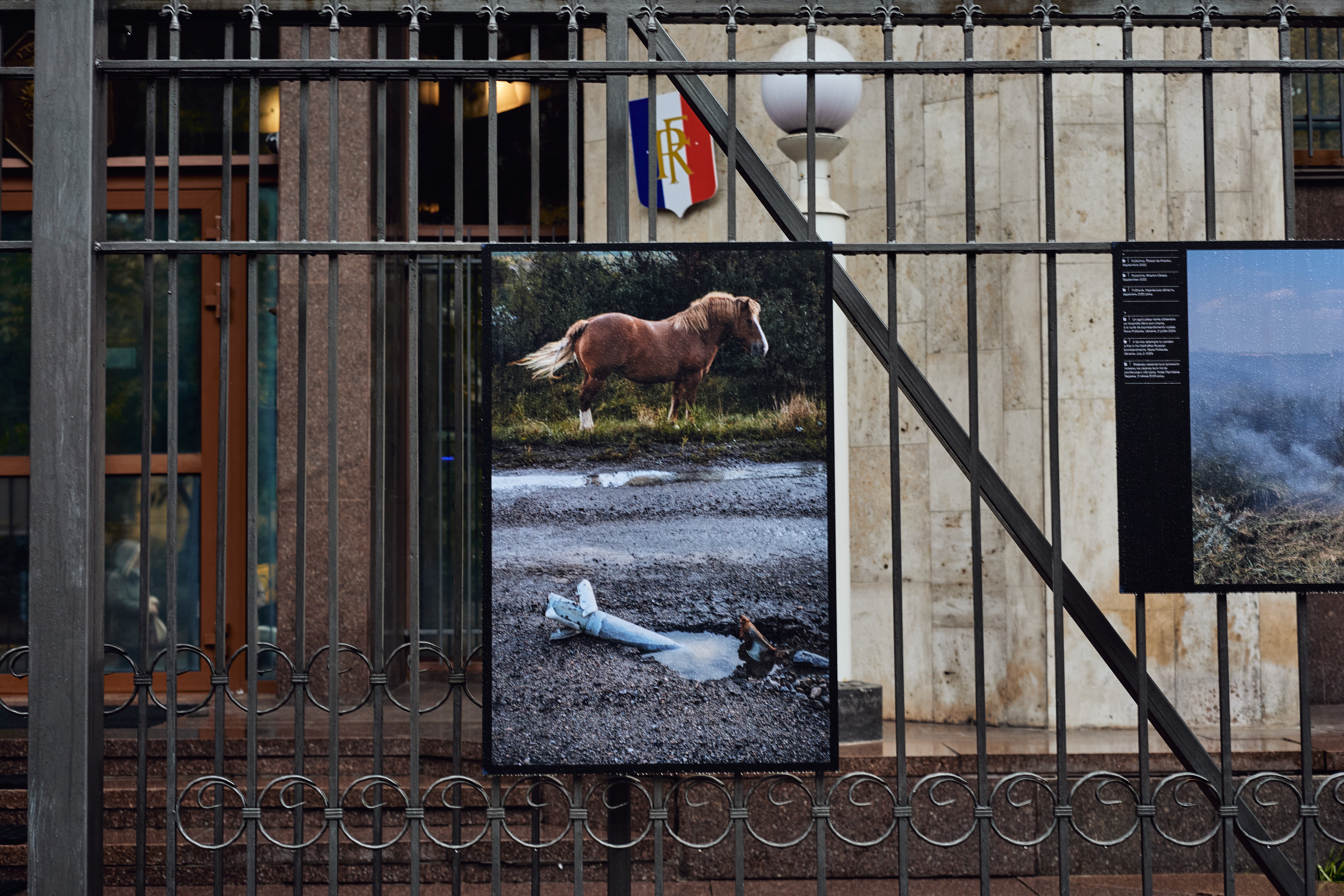
The IMPACT KYIV forum also served as a reminder of the risks faced by those documenting the war. In partnership with the French Embassy and the French Institute in Ukraine, an outdoor photography exhibition featuring the work of Ukrainian photographer Antoni Lallican opened on the embassy gates.
Lallican, who was known for his sensitive and human approach to his subjects, was killed by a Russian drone on October 3, 2025, while clearly wearing a "Press" badge alongside his companions. Georgiy Ivanchenko, a Ukrainian photographer with him at the time, suffered an amputation of his right leg at the hip. Just minutes after the attack, while still conscious, he took a photo of the soldier who evacuated him.
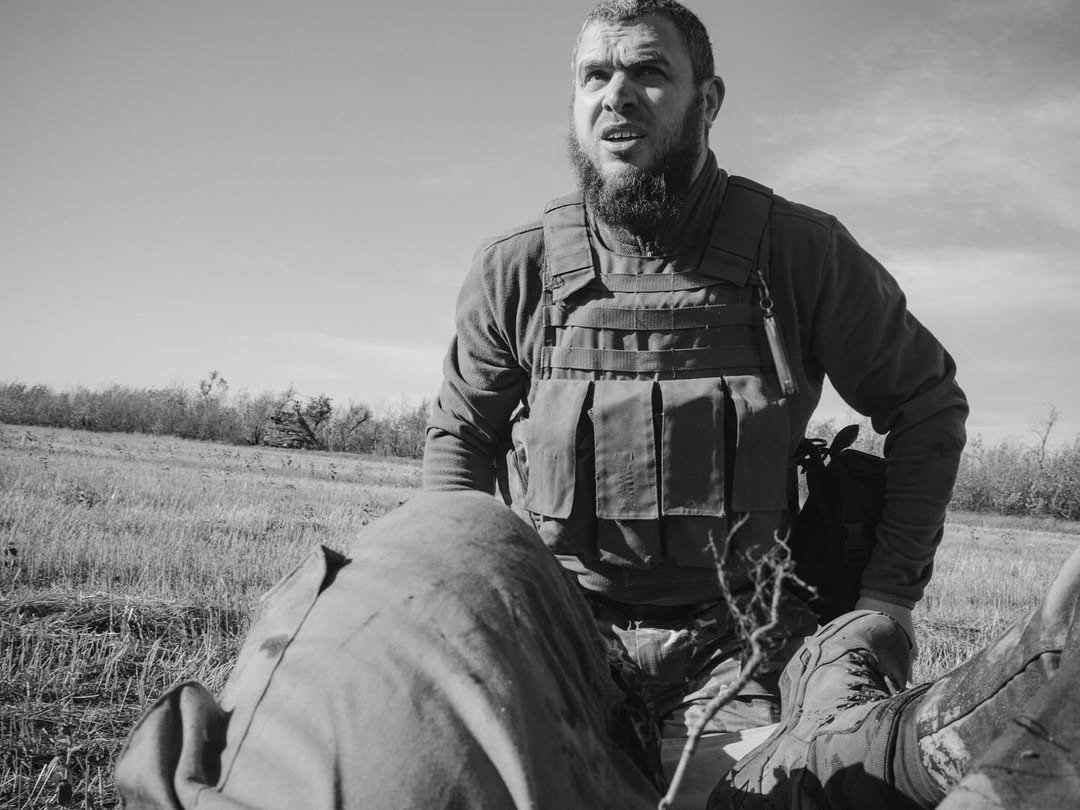
Photojournalism, though it takes many forms and carries varying levels of risk depending on its proximity to the subject, remains a dangerous profession. Yet, it is vital to informing the public about the reality of conflicts and showing people what humanity is capable of. The IMPACT KYIV forum, which took place under Russian bombardment, is a prime example.
According to Reporters Without Borders, 25 journalists have been killed worldwide while doing their jobs since January 1, 2026. Another 466 remain detained, and 136 are missing.
Discuss this article: