- Category
- War in Ukraine
Kremlin Shows Off Upgraded Tu-160M While Its Fleet May Be Falling Into Disrepair
 Prefer U24 Media on Google
- Authors


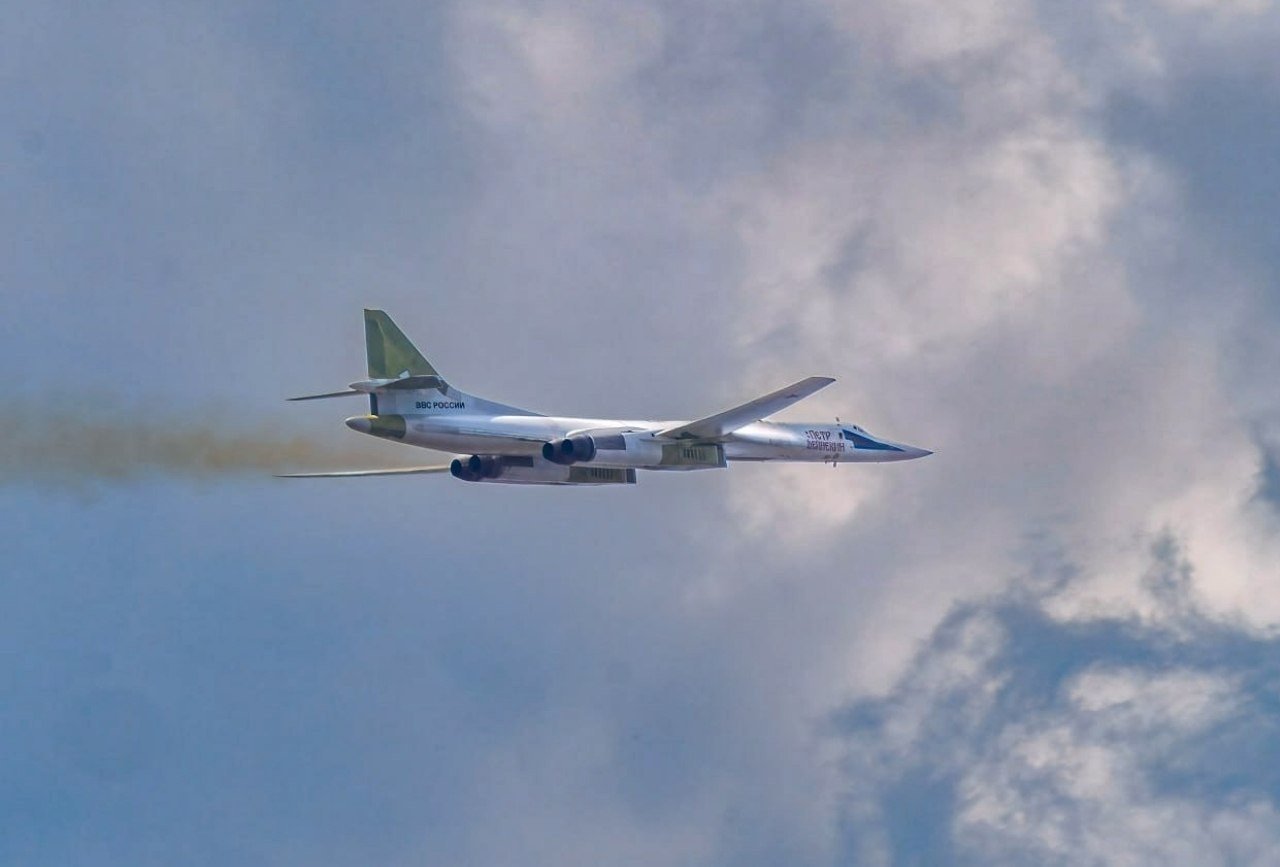
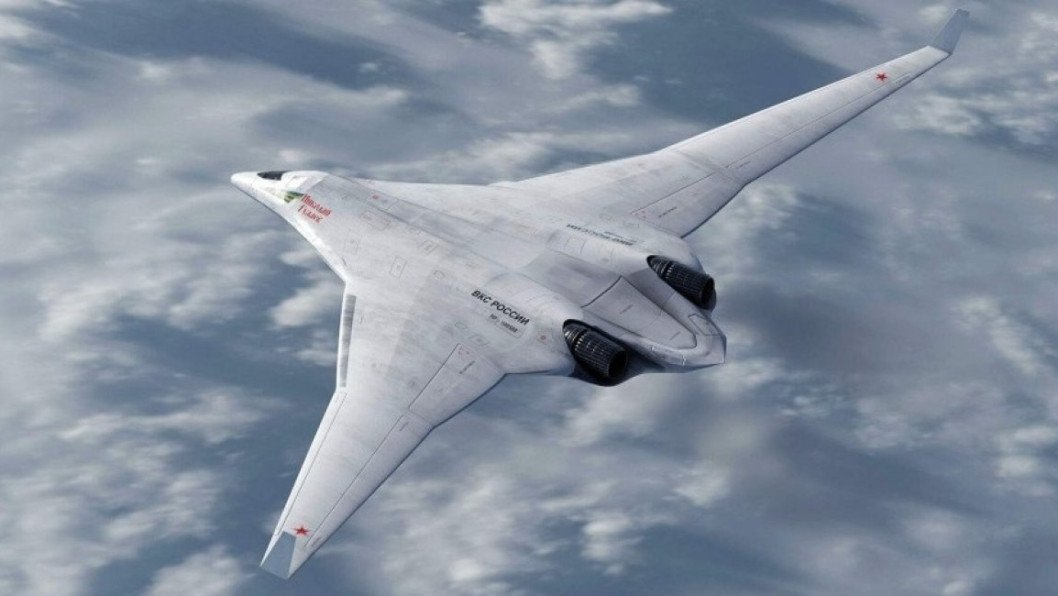
Russian pro-Kremlin military blogger Ilya Tumanov, who runs the Fighterbomber Telegram channel, has published the first known image of the upgraded Tu-160M strategic bomber “Piotr Deynekin” after its long modernization process, according to Defence Blog on May 11.
The aircraft, serial number 8-04, had previously been photographed undergoing upgrades at the Kazan Aircraft Production Association plant as far back as 2020, meaning the modernization process appears to have taken roughly five years.
We bring you stories from the ground. Your support keeps our team in the field.
The emergence of the aircraft is drawing renewed attention to the real condition of Russia’s Tu-160 fleet and the pace of its strategic bomber modernization program.
Known to NATO as the Blackjack, the Tu-160 remains Russia’s largest and most capable nuclear-capable strategic bomber. First introduced during the Soviet era, the swing-wing aircraft can carry up to 12 long-range cruise missiles, including the Kh-55 and Kh-101/102 families, giving it both nuclear and conventional strike capability at intercontinental distances.
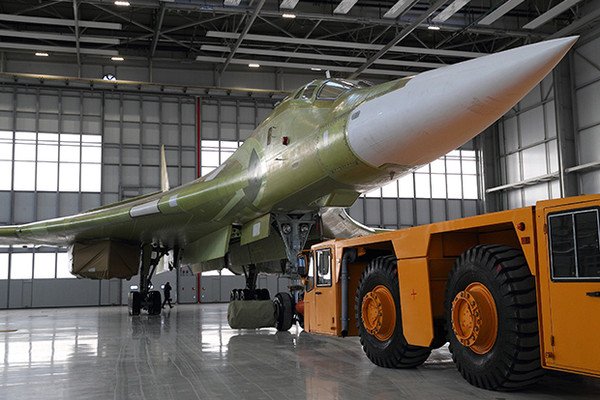
Under the Tu-160M modernization program, older bombers receive upgraded avionics, communications systems, navigation equipment, and improved NK-32 engines while retaining the original airframe architecture.
Russia also promotes the newer Tu-160M2 variant as a newly built aircraft rather than a modernized Soviet-era platform, although Moscow has disclosed few technical differences between the two versions.
At the same time, an analysis published by aviation-focused OSINT researcher AviVector and highlighted by Defence Blog and Defense Express suggests the actual operational readiness of Russia’s Tu-160 fleet may be significantly lower than official claims imply.
Tupolev Tu-160 'Blackjack' long-range strategic missile carrier.
— Massimo Frantarelli (@MrFrantarelli) May 9, 2026
[b/n 18 • RF-94111 • "Andrei Tupolev", probably] pic.twitter.com/snVgsw7BGc
According to the analysis, Russia formally lists 18 Tu-160M bombers in active service, yet only seven are regularly used for cruise missile strikes against Ukraine. The remaining aircraft are reportedly undergoing maintenance, testing, modernization, pilot training, or final assembly work.
If those figures are accurate, the operational readiness rate of Russia’s Tu-160 fleet may sit at only around 40%, despite years of Kremlin claims about rebuilding strategic aviation capabilities, as noted by Defense Express.
The operational fleet is reportedly split mainly between Engels-2 Air Base near Saratov and Ukrainka Air Base in Russia’s Far East.
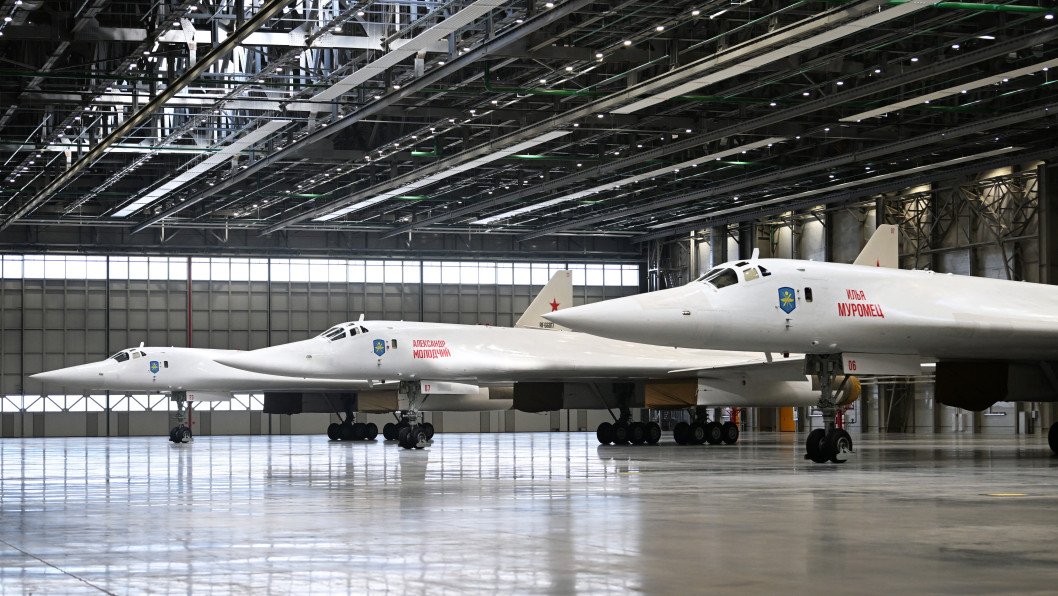
Analysts cited by Defense Express note that this dispersed basing structure became more important after Ukraine’s long-range drone attacks repeatedly targeted Engels beginning in 2022 and especially after Operation “Spiderweb” in June 2025.
The Kazan production and modernization pipeline also appears heavily burdened. Open-source estimates referenced by Defence Blog and Defense Express suggest that between seven and nine Tu-160M and Tu-160M2 aircraft may be sitting inside or around Kazan’s workshops at any given time—a remarkably high number considering the fleet’s overall size.
Satellite imagery from March 2026 reportedly showed multiple Tu-160s moved into a newly constructed production hall at the Kazan facility, while other bombers remained parked outdoors awaiting work.
Russia first announced plans to restart serial Tu-160 production nearly a decade ago, but the pace of new construction and modernization has remained considerably slower than initially promised.
Additional OSINT observations cited by Defense Express indicate that at least three Tu-160M bombers were spotted earlier this year at Ramenskoye airfield near Moscow, raising speculation that Russia could be preparing another protected basing location for parts of its strategic aviation fleet under the cover of Moscow’s dense air defense network.
The appearance of the upgraded “Pyotr Deynekin” may therefore represent more than just another modernization milestone. It also highlights the growing pressure on Russia’s strategic bomber force as it attempts to simultaneously sustain combat operations, modernize aging Soviet-era airframes, and restart production of one of the world’s most complex military aircraft.
Earlier, the Beriev Aircraft Plant (TANTK) in Taganrog, a cornerstone of Russia’s strategic aviation, reported a staggering $65 million loss for 2025.
This financial freefall marks a devastating reversal from its $15 million profit in 2024, signaling that Ukrainian precision strikes are effectively bankrupting Russia’s military-industrial complex.
Discuss this article:

-c439b7bd9030ecf9d5a4287dc361ba31.jpg "Photo of Katherina Popilnichenko")