- Category
- War in Ukraine
Rheinmetall to Supply Ukraine With 100,000 Long-Range Artillery Shells Annually
 Prefer U24 Media on Google
- Authors

-c439b7bd9030ecf9d5a4287dc361ba31.jpg "Photo of Katherina Popilnichenko")
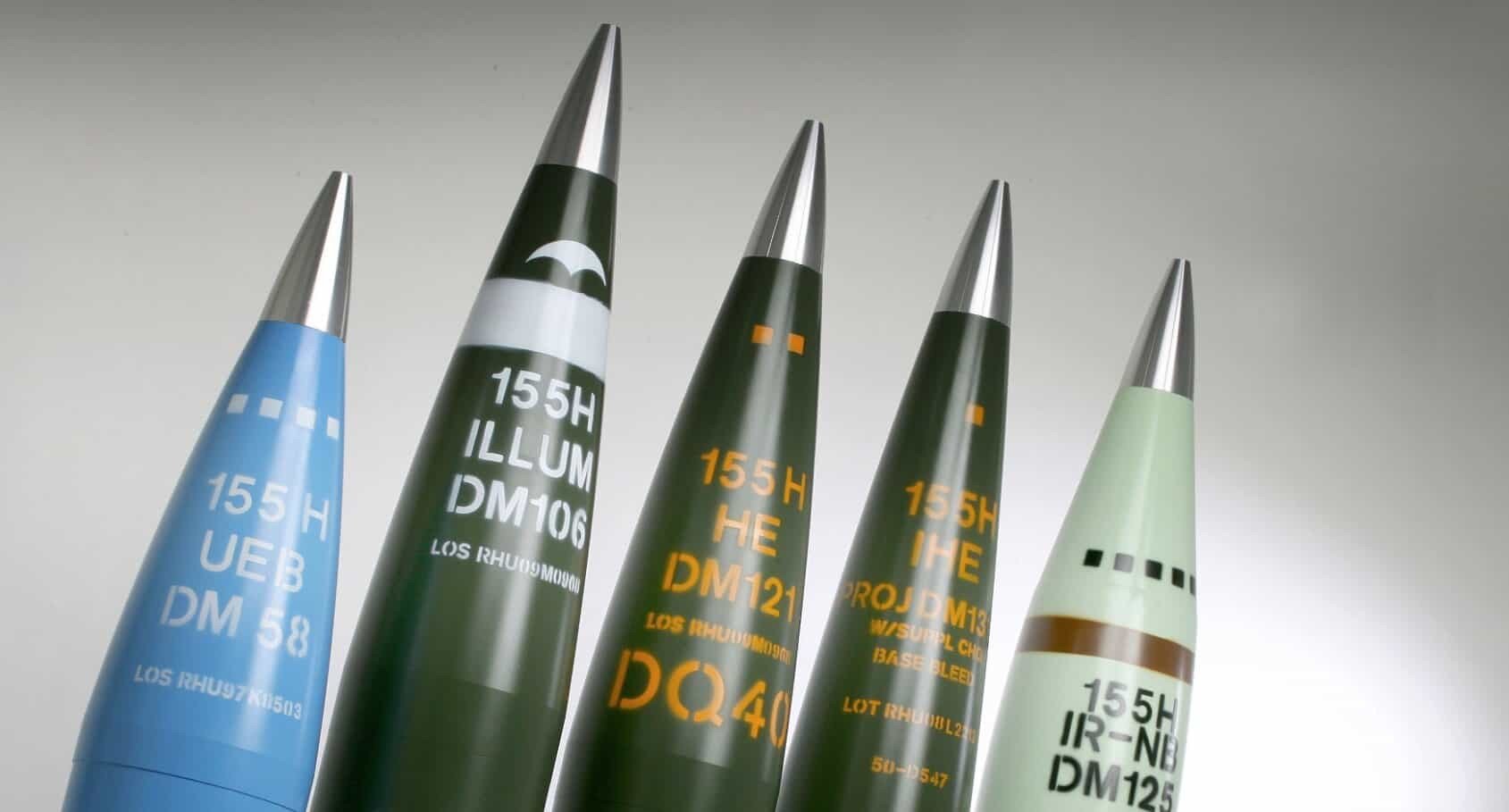
German defense contractor Rheinmetall has agreed to produce 100,000 long-range artillery shells per year for Ukraine.
These munitions have a strike range of up to 60 kilometers, significantly enhancing the capability of Ukrainian forces to reach targets deep behind the front lines, according to Militarnyi on May 7.
We bring you stories from the ground. Your support keeps our team in the field.
The announcement followed a conference call regarding the company's first-quarter results for 2026. According to the German Aid to Ukraine resource, Rheinmetall CEO Armin Papperger confirmed that the company is responding to a broader request from Ukraine for 1.2 million extended-range shells annually.
These 155mm munitions are designed for use with NATO-standard artillery systems already in service with the Ukrainian military, such as the PzH 2000, Caesar, and Archer.
The production boost comes as part of a larger effort by Rheinmetall to meet the growing demand for ammunition from both Ukraine and NATO member states following Russia’s full-scale invasion of Ukraine.
In February 2026, German Defense Minister Boris Pistorius stated that Germany would support Ukraine’s request by providing the necessary funding for these high-performance shells. This type of ammunition is critical for modern maneuver warfare, allowing for the destruction of logistics hubs and command centers at a safe distance.
Rheinmetall remains a primary European supplier of large-caliber munitions for Ukraine. Over the past few years, the company has expanded its manufacturing infrastructure to keep pace with the high consumption rates of artillery on the battlefield. In addition to ammunition, the company recently delivered a batch of Lynx infantry fighting vehicles to bolster Ukraine’s mechanized units.
Previously, Ukrainian Defense Minister Mykhailo Fedorov and his Swedish counterpart Pal Jonson announced that Ukraine and Sweden were nearing a final deal for the purchase of Saab-produced Gripen fighter jets.
During a joint press conference in Stockholm, Fedorov confirmed that funding issues had been resolved and expressed expectations that an agreement would be reached within months. While new aircraft deliveries were estimated to take three years, the ministers discussed the possibility of providing older Gripen models sooner through loans or gifts.
The financial pathway for the deal was further cleared after the European Union approved a massive support package and Hungary reversed its previous veto on the necessary loans.
Discuss this article:


-f8b795e6bf1d73fc2fdbfd74f5e7ea96.jpeg "Massive flames and thick black smoke rise from the Omsky Kauchuk chemical plant in Russia following a Ukrainian drone strike on October 24, 2026. (Source: Exilenova+)")