- Category
- World
Running Out of People, Russia Turns to Radical Migration to Sustain Its War and Economy
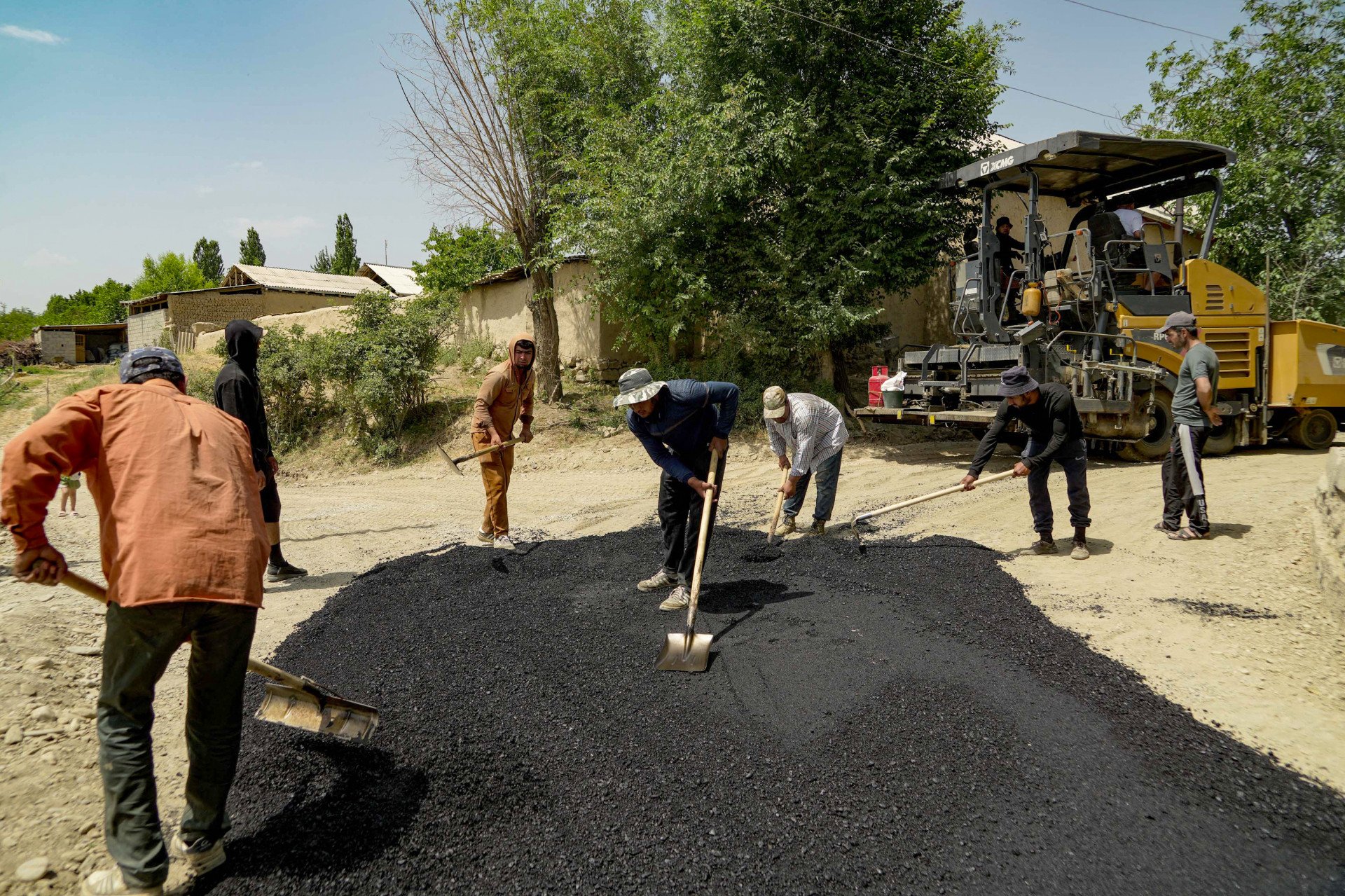
Russia’s years of demographic decline and wartime losses are now colliding into a full-scale labor crisis. What happens when a country runs out of people in the middle of a war?
 Prefer U24 Media on Google
- Authors

-92ecbb2b41f23705e2667acbfda7f06d.jpg "Photo of Aliona Chudnovets")
The “demographic pit” that has accompanied Russia throughout its years of independence has pushed its economy into a critical state. Russia’s war in Ukraine—war of attrition—has further removed millions of people from the labor market, and this process is only accelerating.
We bring you stories from the ground. Your support keeps our team in the field.
Russian media are already calling 2026 a “turning point”: the country is moving away from its traditional reliance on the post-Soviet space and shifting toward the costly and poorly understood recruitment of migrants from more distant regions. This unprecedented reorientation is undermining established ties and creating the conditions for a large-scale transformation of Russian society and key state systems.
How Russia exhausted its human resources
Russia enters 2026 in a state of deep demographic crisis and economic degradation. The country is experiencing prolonged depopulation while simultaneously maintaining one of the lowest birth rates in the world (8.62 per 1,000), comparable to EU levels, alongside one of the highest mortality rates (14 per 1,000), significantly exceeding the European average.
Negative population growth had been offset by migration from post-Soviet countries, but the full-scale war against Ukraine has entrenched a negative balance, adding substantial irreversible human losses—1.2 million killed and wounded soldiers, and up to 900,000 who have left the country. These are losses on a scale not seen in any conflict involving any state since World War II.
This reality is reflected in Russia’s domestic policy. Internal estimates indicate that the Russian economy is short between 2.6 and 3 million workers. By the end of 2025, unemployment had fallen to a record low of 2.1%, signaling the exhaustion of internal labor reserves. Demographic decline has created a trend in which approximately 100,000 fewer young people enter the labor market each year than in the previous year.
The situation in certain sectors is critical: retail is short 1 million workers, housing and utilities lack 200,000, and some police units report staffing shortages of up to 40%. Similar trends are seen in transportation, construction, logistics, and other industries across all regions. In Moscow alone, the labor shortage is estimated at 500,000.
The war and the ongoing restructuring of Russia’s economy onto a war footing have dramatically intensified the demand for human resources, which are not being replenished. Each month, Russia mobilizes 40,000–44,000 people, amounting to up to 420,000 new contract soldiers annually, plus an additional 30,000 volunteers. Meanwhile, the number of enterprises in Russia’s military-industrial complex has grown from 1,400 in 2022 to more than 4,000 in 2025, employing approximately 4.5 million people.
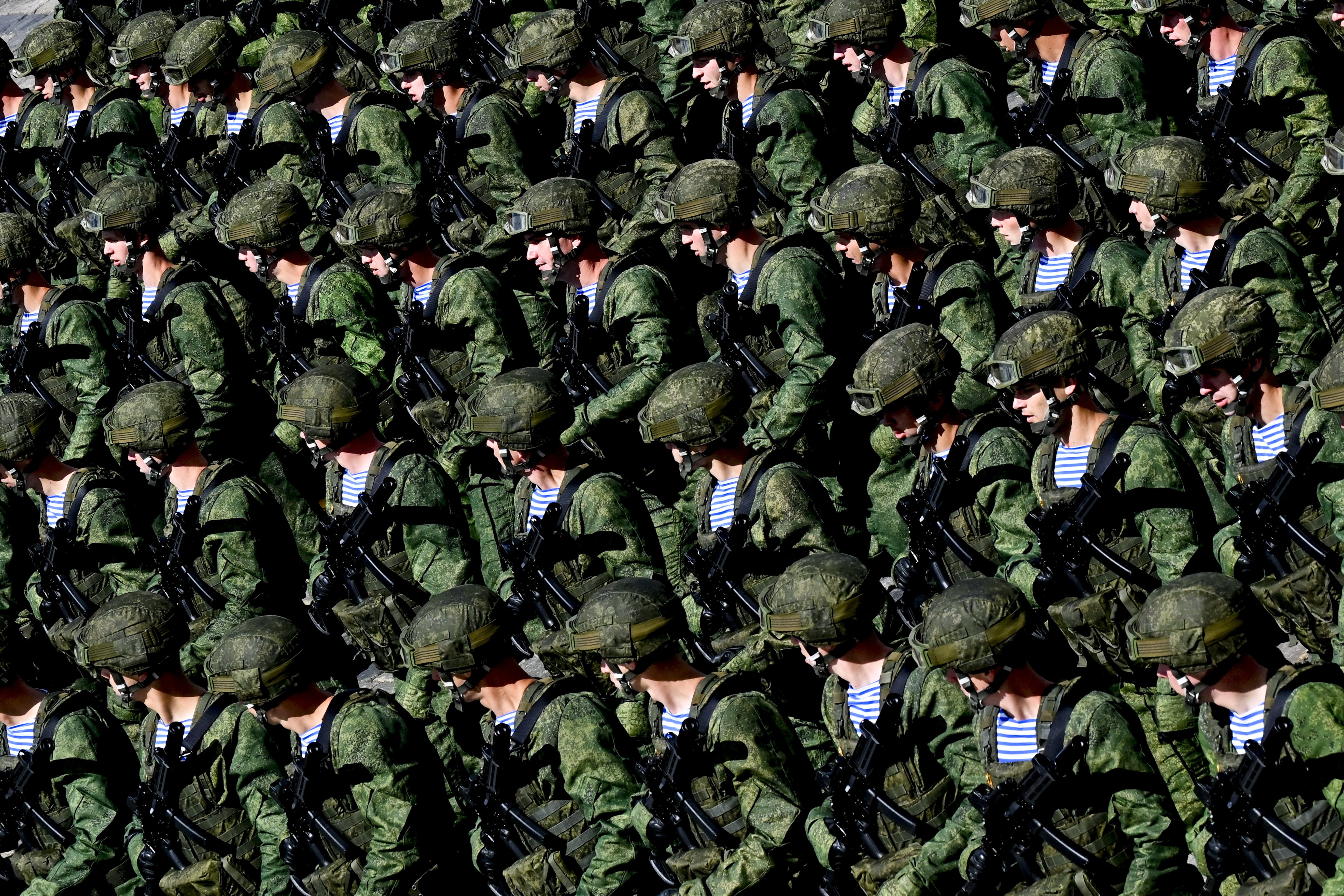
Despite the first reduction in the defense budget since the start of the full-scale war, actual spending continues to break records. In just the first two months of 2026, the treasury used 91% of the planned annual deficit (1.5% of GDP), exceeding the same period the previous year by 1.032 trillion rubles ($11–12 billion). War remains the priority, and in response to the crisis, Russia plans to cut all “non-essential” (civilian) spending by 10% in 2026.
These trends point to a sustained, long-term need for new human resources to wage war. Under conditions of demographic exhaustion and civilian economic decline, such resources are effectively unavailable domestically.
The emergence of a Demographic Strategy through 2036, along with regional initiatives such as payments to pregnant schoolgirls and students, indicates that Russian officials recognize the problem. However, such a severe labor shortage in Russia can only be filled by migrants.
Russia’s migration pivot
Foreign labor—the key personnel reserve of the Russian economy—has ceased to be a reliable source since the start of the full-scale invasion. Since the 1990s, Russia’s migration policy had been stable and oriented toward workers from CIS countries, primarily Central Asia—Turkmenistan, Tajikistan, and Uzbekistan—who worked under patent-based systems.
This group is often perceived as homogeneous: all Central Asian migrants are labeled “Tajiks,” a term that has lost its ethnic meaning and become synonymous with “manual laborer.”
Major Russian cities contain migrant ghettos formed around wholesale markets, such as Golyanovo, Nekrasovka, and Kotelniki. The Cherkizovsky market became a model for migrant life in such enclaves: divided into castes by type of work and residential zones, migrants rarely left the market’s territory, where even a Tajik consulate operated.
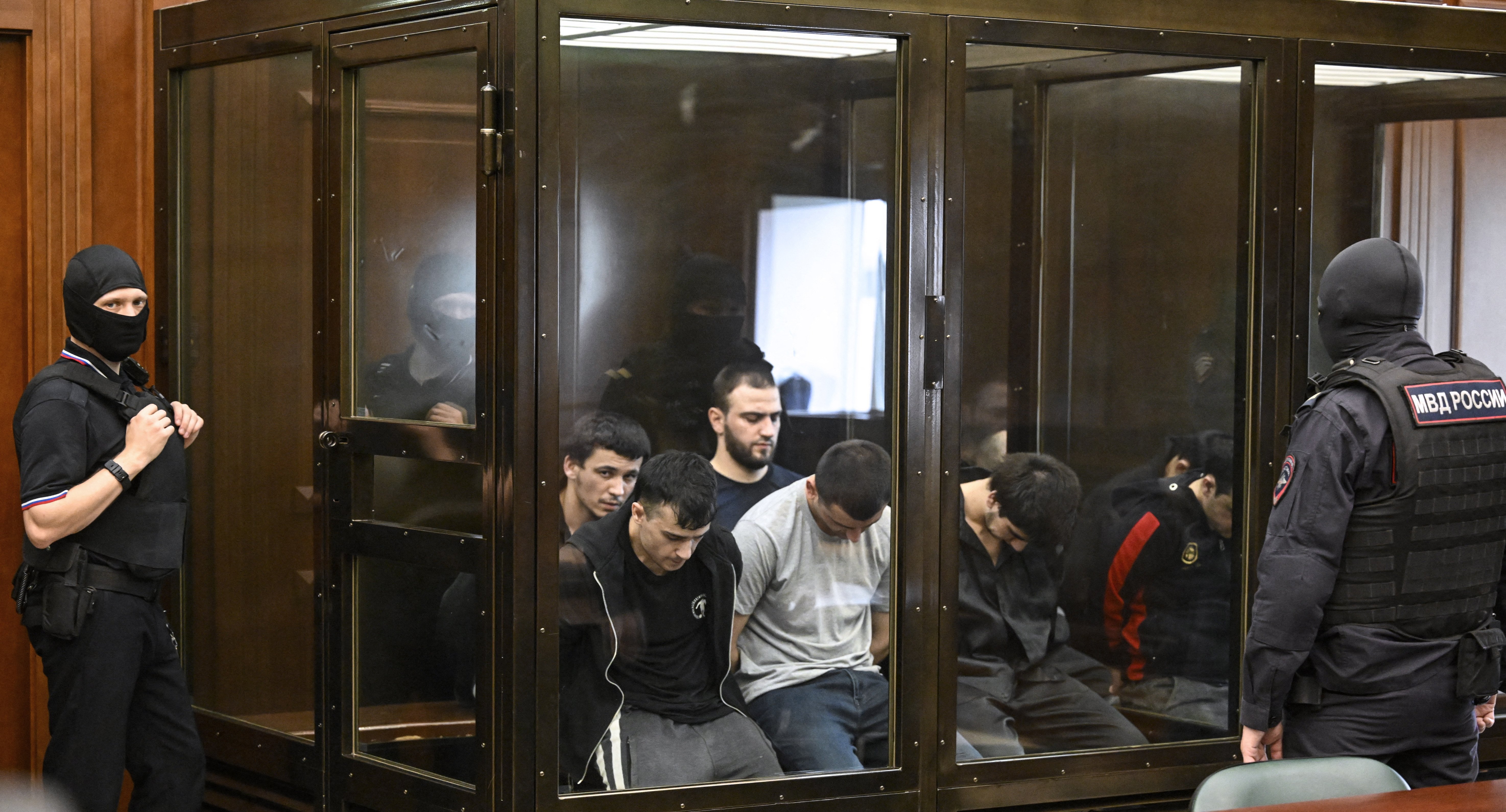
Hostility toward migrants has always been high, periodically erupting into violence, such as the terrorist attack carried out by the far-right organization “The Saviour” at the Cherkizovsky Market (14 killed, 61 injured). However, a turning point came after the March 2024 terrorist attack at Crocus City Hall—one of the deadliest in Russia’s history—in which perpetrators included individuals from Tajikistan. This triggered a new wave of xenophobia.
By the end of 2023, migration records counted 8.5 million individuals; by early 2026, this number had dropped to 5.7 million due to reduced inflows, restrictions, and forced mobilization. At the same time, 240,000 work permits were issued in 2025 (+42% year-on-year), with quotas expected to rise to 279,000 in 2026 (+16%). Since patent-based employment is effectively visa-free, the sharp increase in visa-based permits indicates a shift toward more distant countries.
Negotiations with several countries have peaked. Agreements with India were among the first to succeed in November 2025, and by December, Russia’s Deputy Prime Minister Denis Manturov stated that Russia was ready to host an “unlimited number of migrants from India,” with some officials citing figures of 1–3 million. Similarly, negotiations with Afghanistan were finalized to address a shortage of 130,000 agricultural workers. Other target regions include Africa, Malaysia, Bangladesh, and others.
This reorientation is partly driven by objective factors: in 2024 alone, 49 of Russia’s 89 regions introduced restrictions on foreign labor across sectors—taxi services and public transport (47 regions), trade (39), utilities (14), and courier services (12)—precisely the sectors already experiencing the most severe labor shortages.
Despite official claims of targeting “skilled” workers, Russia is primarily filling positions that are unattractive to its own citizens. Migrants from distant regions, with limited labor rights, are both the cheapest and most efficient workforce available.
At the same time, legal restrictions targeting traditional migrants have intensified: expulsion of migrants’ children upon reaching adulthood, revocation of residency permits if migrants work less than 10 months per year, and more. A registry of “controlled persons” now includes 770,000 individuals. Law enforcement efforts also aim to mobilize migrants with residence permits into the war: 30,000 were identified as not registered for military service, with 10,000 immediately sent to combat zones.
A new profile of Russia’s labor migrants
As Russia loses its CIS labor pool, it faces new challenges. Migrants from distant regions are unfamiliar with the Russian labor market and often have alternative destinations (especially among English-, Spanish-, and French-speaking populations). Recruitment now involves intermediaries, information campaigns, and even the incentivization of local influencers and politicians. Transportation and documentation costs are high, and coordination remains weak. This process is also poorly coordinated: for example, of the 500 Ugandans recruited by the Alabuga company to support Shahed drone production, only 60 actually arrived in Russia.
Russia actively hires Africans not only in the ranks of its army. African female students are actively involved in the assembly of Shahed drones in the city of Yelabuga in Tatarstan. In the special economic zone called "Alabuga" there is a plant for the mass assembly of
— Artur Rehi (@ArturRehi) May 31, 2024
1/5 pic.twitter.com/ZOhdPiYDCm
However, once migrants arrive in Russia, they enter a highly organized and controlled system designed for mass recruitment. Despite rising xenophobia, Russian businesses are increasingly willing to hire foreign workers: the share willing to employ workers from distant regions has risen from 5% pre-war to 37%, with another 43% considering it.
A wide-reaching effort was undertaken to shape public perception in Russia—framing migrants from the “far abroad” as a controlled, reliable workforce capable of filling gaps in sectors that hold little appeal for Russian workers.
Traditional migrants who do not work under a visa are not tied to a specific employer; within a given region, they are entirely free to choose their jobs. As a result, there is a growing trend of workers leaving sectors of strategic importance to Russia—such as construction or logistics—for more profitable fields like delivery services and taxi driving.
By contrast, the visa requirement imposed on workers from the “far abroad” serves as a guarantee that they will remain at a given enterprise for the duration of their contract, which now typically starts at five years. Accordingly, wages, working conditions, or the nature of the work itself cannot serve as grounds for resignation. This is critically important for the defense industry, where enterprises must consistently meet production quotas to supply the front.
In another critical sector—Russia’s railway system—labor shortages are being filled by workers from India. Russian employees within the same system are being laid off en masse, underscoring the role of financial incentives: wages that are low for Russian citizens and workers from the CIS remain competitive for migrants from more distant countries.
This reflects a dual dynamic: on the one hand, some qualified workers are leaving the sector due to uncompetitive pay; on the other, with its existing financial resources, the company is unable to retain even those employees willing to accept relatively low wages by Russian standards. When labor demand becomes this high, cost considerations become the decisive factor.
A class of “invisible people”
In Russia’s public discourse, traditional migrants are criticized for wanting to settle permanently. Attention has also turned to North Korean workers—35,000 to 40,000 people living in isolated communities. According to Russian Forbes, such workers have virtually no contact with local populations or even other workers.
In the Russian society they are described as “invisible people,” a model increasingly reflected in Russia’s broader migration strategy. Since 2024, 21 migration laws have been adopted, with five more under consideration, all of which have tightened control. A mandatory mobile app, “Amina,” tracks migrants’ real-time geolocation, enhancing surveillance.
The “African vector” of Russia’s migration policy
Despite high-profile cases involving India and Afghanistan, seven of the ten countries with the largest increase in job vacancies in Russia in early 2024 were African, including Kenya, Zimbabwe, Cameroon, Zambia, and Algeria.
Russia’s media increasingly highlight Africa’s labor potential while acknowledging challenges such as racism and limited prospects for attracting highly skilled workers. Given financial, linguistic, and geographic factors, many migrants may still prefer Western countries or Gulf economies.
UN estimates suggest that by 2050, about a quarter of the world’s population will live in Africa, making the continent a critical source of low-skilled labor to meet Russia’s demand. Even the most cautious critics suggest “starting with small projects and scaling up gradually.” Due to the high level of racism in Russian society, a project is being implemented to create a new type of ghetto, referred to as “Afro-villages.” As early as 2018, Russian officials claimed that around 15,000 Africans had expressed interest, though the initiative was never realized. Today, construction has begun on a pilot settlement in the Tver region, described by its organizers as a “colony.” According to preliminary plans, a network of approximately 30 such villages could accommodate up to 3,000 African farmers on five-year contracts.
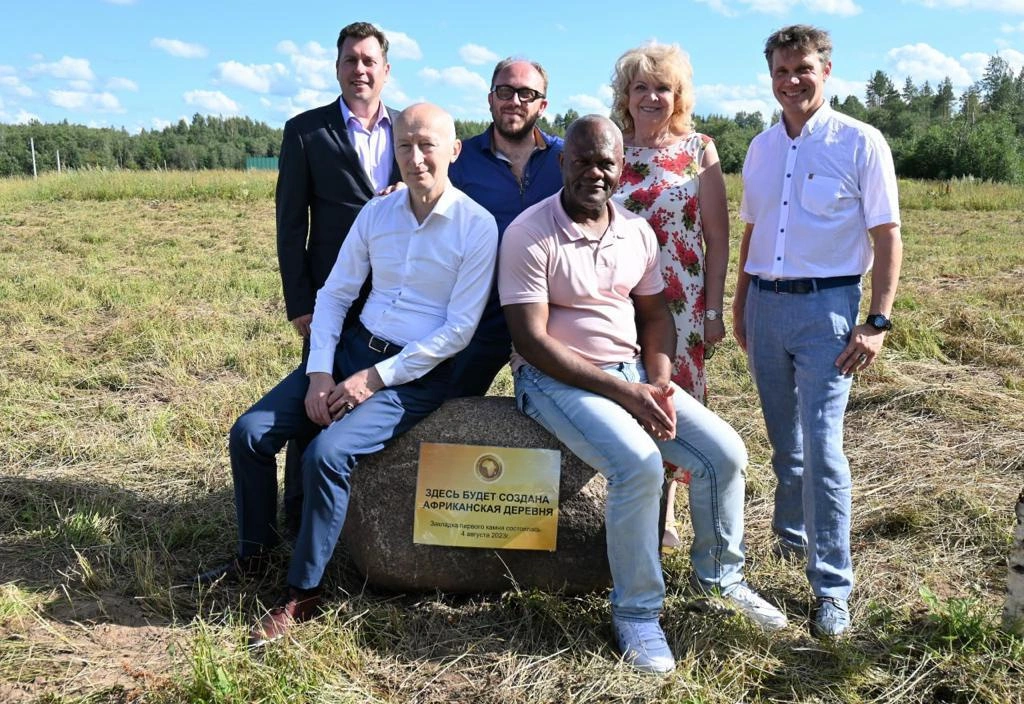
Russia has already signed agreements with at least six African countries. Recruitment campaigns for defense enterprises like Alabuga have been conducted via government channels in Nigeria, Uganda, Mali, and Burkina Faso. Kenya has agreed to send up to 10,000 workers annually.
These steps contradict claims that Russia’s migration policy is “limited” and directly enhance its capacity to sustain and expand the war against Ukraine. The lack of a systematic response and the effective disregard of these activities in the European arena create additional incentives for the Kremlin to deepen this policy and expand its external recruitment practices.
At the same time, Russia has intensified its informational and political influence networks across the continent. The “Lakhta” project network for foreign information operations, created by the late Russian mercenary leader Yevgeny Prigozhin, remains active.
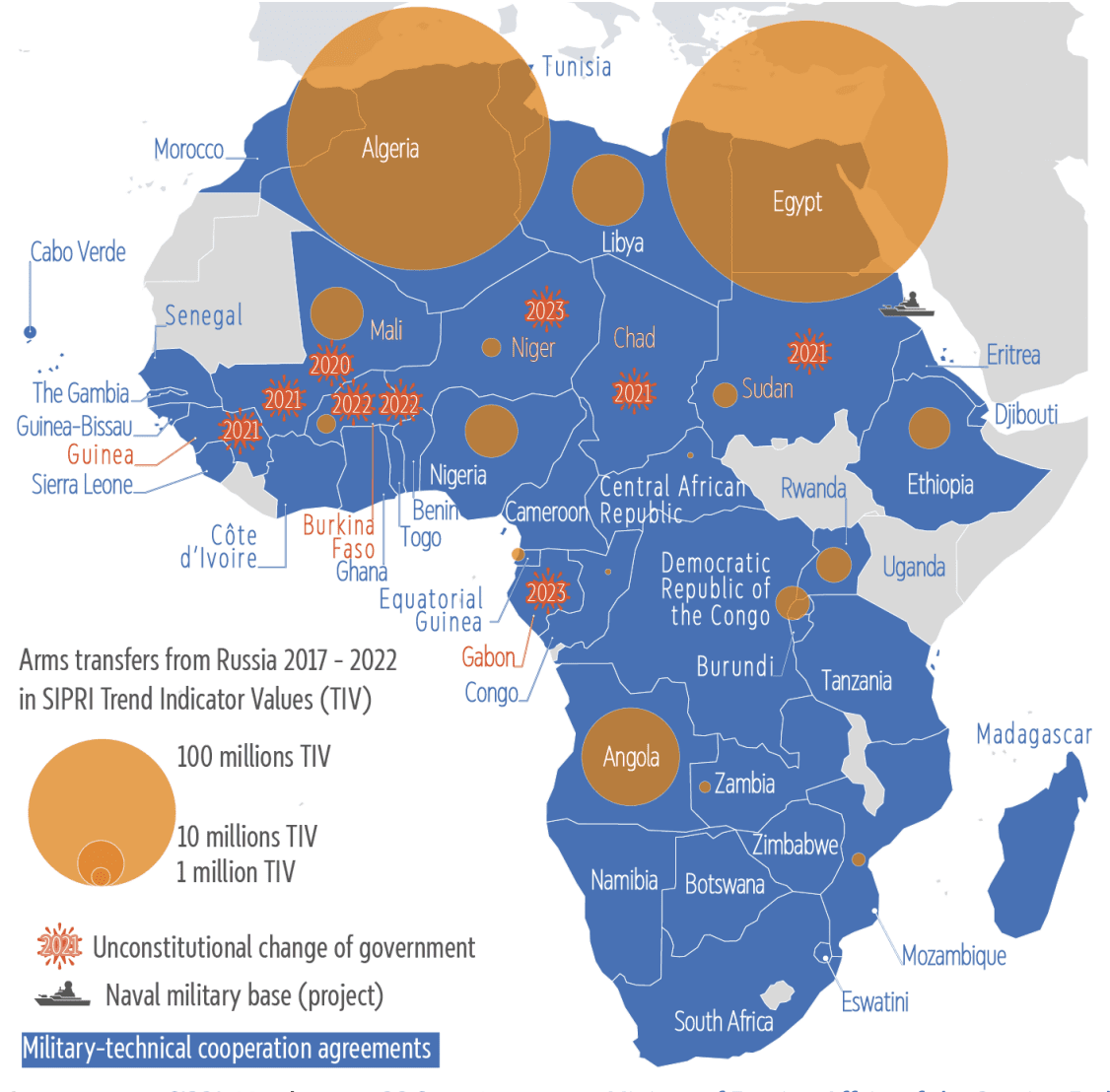
In several African countries, Russian networks have already influenced coups (in Mali, Burkina Faso, and Niger) and facilitated the deployment of the private military company Wagner Group fighters (in 16 countries across the continent).
By mid-2025, one in three contract advertisements on Russia’s largest social networking platform VKontakte targeted foreigners, compared to just 7% in 2024, research by the Danish Institute for International Studies (DIIS) shows. The dissemination of such materials by local influencers and politicians points to significant funding—and, consequently, strong interest from Moscow in the African labor market.
Migration as a tool for war
Labor shortages in Russia’s arms industry remain classified. However, as early as 2024, Russia’s ruling United Russia party member Oleg Morozov said that the deficit amounted to at least 400,000 workers. Russian authorities are attempting to offset this gap through various means; however, the scale of demand is forcing them to rely increasingly on labor migrants. At the same time, the defense industry remains relatively inert: production processes require a certain level of qualification and the consistent fulfillment of high monthly output targets.
Despite this, there are already illustrative projects demonstrating the growing role of migrants from the “far abroad” in military production. One such example is the mentioned Alabuga special economic zone in Tatarstan—the largest production center in Russia for Shahed-136 and Albatross M5 drones.
As of 2023, approximately 75% of positions at Alabuga remained unfilled, prompting management in 2024 to launch a large-scale international recruitment campaign, “Alabuga Start.” According to the company’s own published profile, the program primarily targets women aged 18–22 from African countries. As a result, around 1,000 women from 27 countries have already been brought into the production process. At least another 1,000 potential recruits are ready to join the enterprise, according to African media reports. Ukraine’s military intelligence (HUR) has also reported that by the end of 2025, Russia planned to recruit up to 12,000 “Shahed assemblers” from North Korea.
Alabuga’s management operates on pragmatic considerations: young women are considered easier to control, while men are viewed as more conflict-prone due to religious and cultural differences, says the All Eyes on Wagner agency. Workers are also reported to operate under poor conditions, including unpaid overtime, exposure to toxic chemicals, racism, and sexual harassment—all under strict prohibitions on contact with outsiders.
Within this system, a different role is envisioned for men. The same recruitment (or “tourist”) agencies that bring in labor migrants also channel young men into the Russian army. In this context, Moscow’s interest in Africa becomes clearer, as Russia has concluded military-technical cooperation agreements with 43 countries on the continent. Such agreements may include facilitating recruitment networks and simplifying personnel intake. Of the approximately 1,400 Africans currently participating in the war against Ukraine, only a small fraction joined voluntarily. Recruitment is most often based on deceptive job offers, promises of education (with a requirement of knowing 100 Russian words), or assistance with legalization for future migration to Europe.
Ultimately, this system creates a highly controlled and mobile labor resource that the state can deploy wherever the need is greatest.
Implications for Ukraine and the EU
Russia’s demographic and economic challenges have reached a critical point, forcing the state to embark on a large-scale transformation of its internal systems. Moscow is gradually reorienting its cooperation toward countries of the Global South, turning political, economic, and military-technical agreements into tools for filling internal gaps caused by the ongoing war against Ukraine. The reshaping of the legal framework, the revival of previously shelved projects, and extensive efforts to shape public understanding within Russian society all indicate that 2026 is intended to become a turning point in the formation of a new model for compensating resource shortages.
Migration is being transformed into a tool for the flexible redistribution of labor between civilian and military sectors, enabling Russia to offset its demographic deficit and sustain both defense production and the replenishment of military personnel. Notably, Russia’s official Demographic Strategy through 2036 prioritizes restoring population size primarily through higher birth rates among Russian citizens, rather than through long-term immigration. This suggests that recruitment from the “far abroad” is intended as a temporary measure to compensate for needs driven by the war against Ukraine. For countries of the Global South, this underscores the need to protect their citizens and prevent their exploitation in supporting this war.
At the same time, for European countries, Russia’s new migration strategy represents a slow-burning threat: if demand for the large numbers of workers currently being recruited declines, Moscow could leverage migration pressure against the EU, as it has done in the past.
Russia has been behind every migration crisis in Europe since the Syrian war (which displaced up to 2 million migrants), says European Commissioner for Migration Magnus Brunner. Since 2021, Belarus—aligned with Russia—has actively facilitated the illegal crossing of hundreds of thousands of migrants from the Middle East into Lithuania, Latvia, and Poland. Following the full-scale invasion, this policy has become more aggressive: reports indicate the establishment of camps to train migrants for confrontations with EU border guards and the spread of anti-European propaganda among irregular migrants.
As Russia’s new migration policy unfolds, its hybrid pressure on Europe is likely to gain substantial momentum, posing serious challenges for European societies and requiring heightened attention and a coordinated response.
This material was prepared as part of the cooperation between UNITED24 Media and the international analytical and information community Resurgam.
Discuss this article:
-4a56a6b482ec132402c16ef6fcabf9a2.png)


-c439b7bd9030ecf9d5a4287dc361ba31.jpg "Photo of Katherina Popilnichenko")