- Category
- War in Ukraine
Russia Excludes Foreign Recruits From Prisoner Swaps With Ukraine
 Prefer U24 Media on Google
- Authors


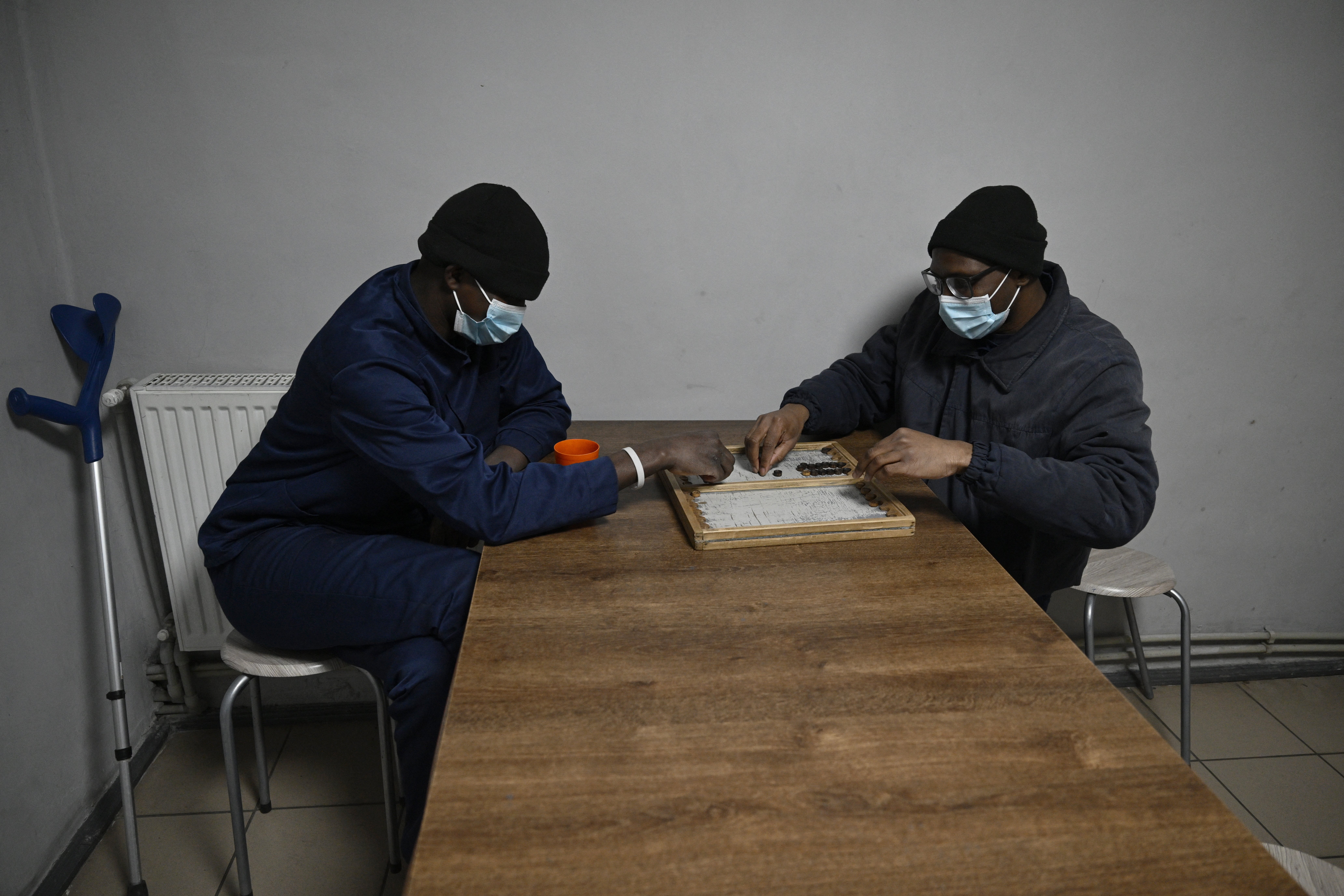
Russia has largely declined to include foreign nationals who fought in its armed forces in prisoner exchange negotiations with Ukraine, leaving hundreds of captured fighters from Africa, Asia, the Middle East, and Latin America in legal limbo.
We bring you stories from the ground. Your support keeps our team in the field.
According to an investigation published by Le Monde on June 14, Russia has largely refused to include foreign nationals who fought in its armed forces in prisoner exchanges with Ukraine.
The French newspaper reported that many were recruited with promises of high pay and fast-track Russian citizenship, but after being captured by Ukrainian forces, they were often left off exchange lists, leaving them in prolonged detention with no clear path home.
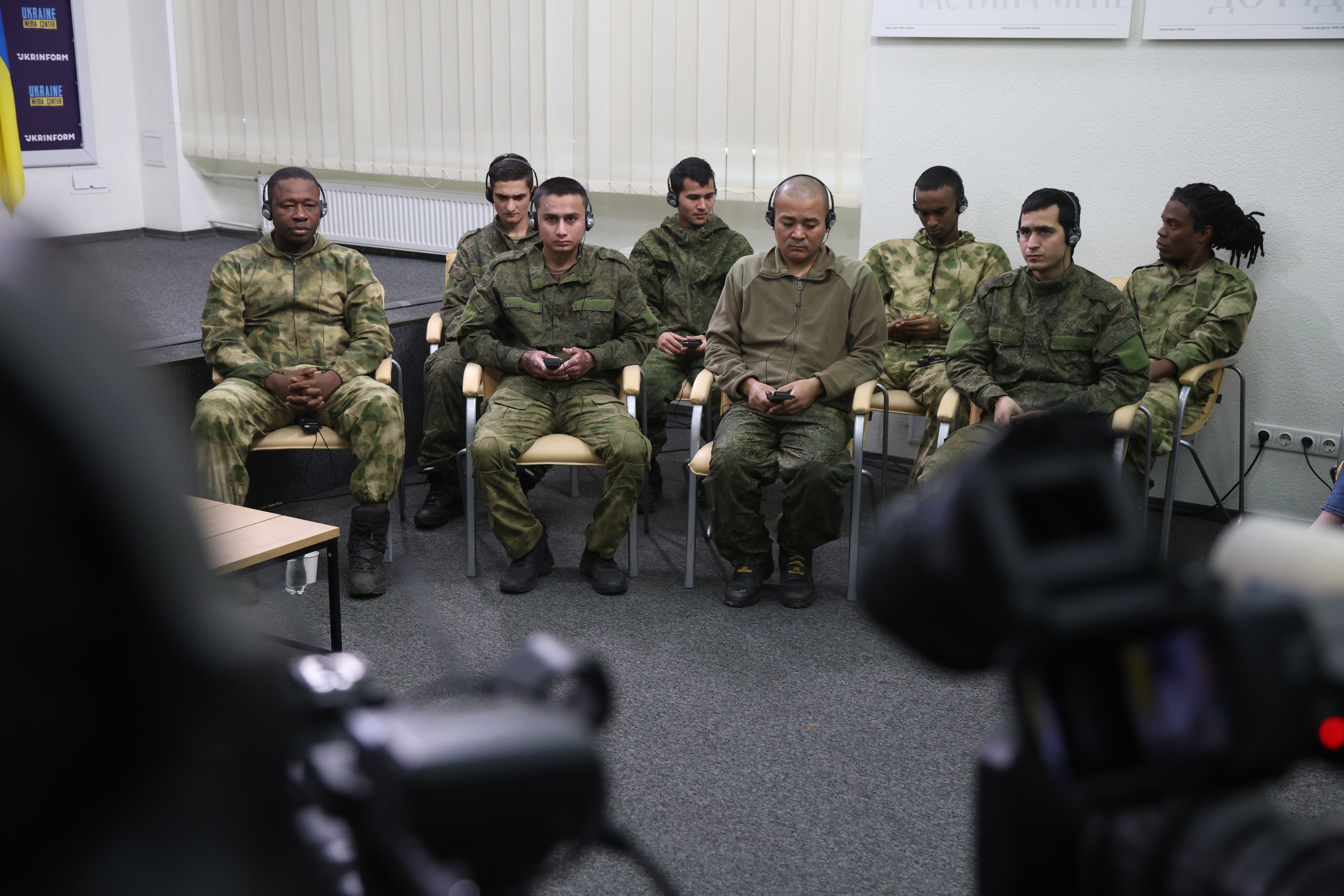
According to Le Monde, Ukrainian authorities have identified prisoners of war from 48 nationalities. Petro Yatsenko, spokesperson for Ukraine’s Coordination Headquarters for the Treatment of Prisoners of War, told the outlet that most foreign captives come from Central Asian countries, reflecting Russia’s extensive recruitment of migrant workers already living on its territory.
“We have identified prisoners belonging to 48 different nationalities,” Yatsenko said. He added that Ukraine possesses personal data for more than 28,000 foreign nationals who have signed contracts with the Russian armed forces since the start of the full-scale invasion, including nearly 13,000 citizens of Central Asian states.
Le Monde reported that Ukrainian detention facilities currently hold citizens of countries including Kenya, Mali, Egypt, Turkey, Nepal, Sri Lanka, and the Republic of Congo. Ukrainian officials say foreign prisoners are housed together and allowed to communicate with compatriots in their native languages.
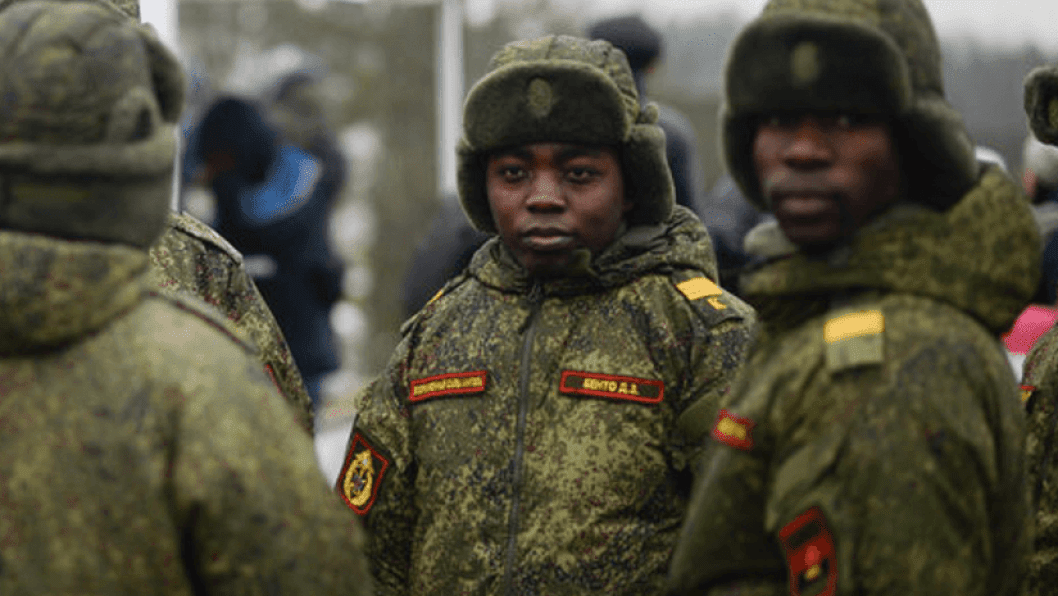
The issue extends beyond battlefield captivity. According to Le Monde, some foreign fighters have spent years in Ukrainian detention because Russia has shown little interest in securing their return, even in cases where they had already obtained Russian citizenship. The Russian Defense Ministry did not respond to the newspaper’s request for comment.
Bohdan Okhrimenko, head of the secretariat of Ukraine’s Coordination Headquarters for the Treatment of Prisoners of War, previously stated that Russia had not sought the return of most foreign captives. “There have been no requests from them, except concerning the North Koreans,” he told Ukrainian media, according to Le Monde.
The investigation highlights several particularly complex cases. Two North Korean soldiers captured by Ukraine in 2025 reportedly requested transfer to South Korea rather than return to North Korea. Ukrainian officials said international humanitarian law and the principle of non-refoulement complicate any such decision.
Le Monde also noted that two Chinese nationals captured while fighting for Russian forces in 2025 remain in Ukrainian custody after Russia reportedly showed no interest in including them in exchanges.
Legal experts cited by the newspaper said many foreign prisoners face additional uncertainty because some of their home countries criminalize mercenary activity. Returning home could expose them to prosecution, while a lack of documentation or limited engagement from national authorities can further delay their release.
According to Le Monde, Ukraine currently treats foreign fighters captured while serving in the Russian military as prisoners of war under international humanitarian law rather than prosecuting them as mercenaries.
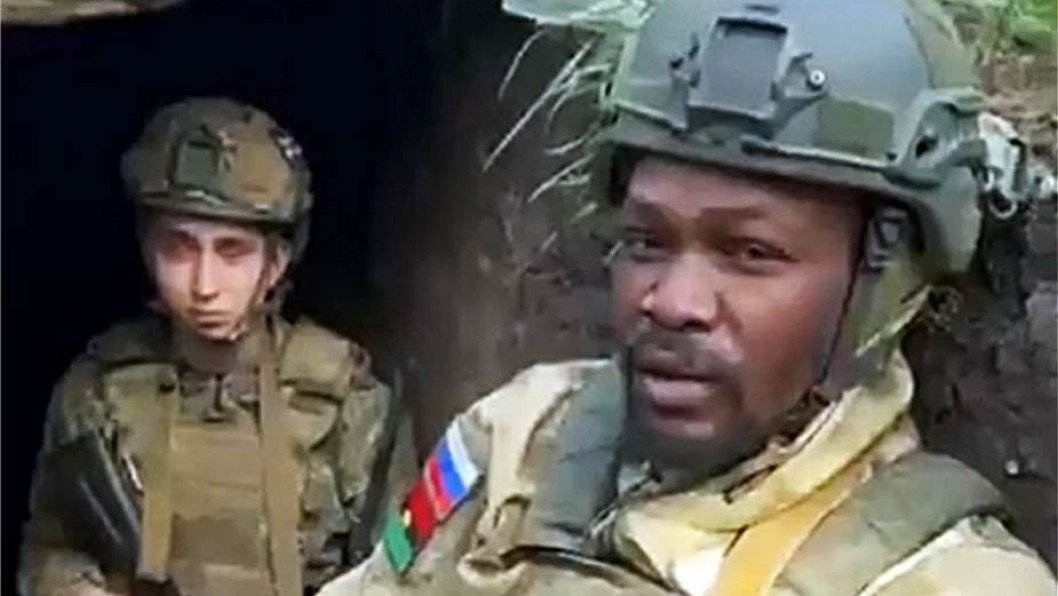
Legal analysts told the newspaper that this differs from Russia’s approach toward some foreign volunteers fighting on Ukraine’s side, who have at times faced terrorism or mercenary-related charges.
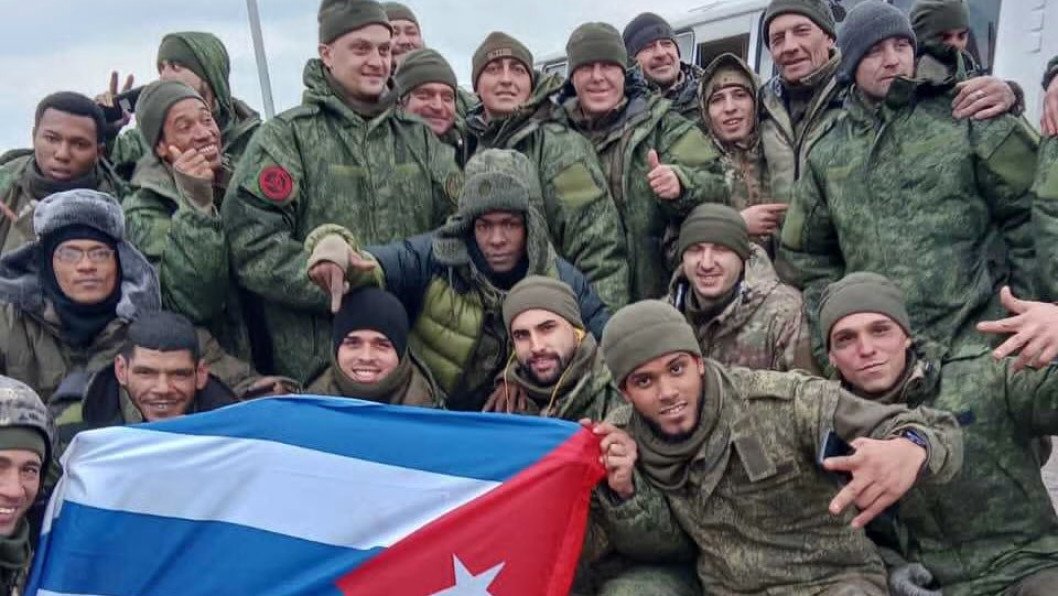
Earlier, an investigation by Truth Hounds and the International Federation for Human Rights reported that Russia had recruited at least 27,000 foreign nationals from more than 130 countries to fight against Ukraine since 2022. The report estimated that more than 5,000 foreign recruits had been killed and accused Russia of using deceptive and coercive recruitment practices that may constitute human trafficking under international law.
Discuss this article:
-9a7b3a98ed5c506e0b77a6663f5727c5.png)

-c439b7bd9030ecf9d5a4287dc361ba31.jpg "Photo of Katherina Popilnichenko")


-29a1a43aba23f9bb779a1ac8b98d2121.jpeg "Photo of Illia Kabachynskyi")