- Category
- War in Ukraine
Ukraine Identifies More Than 28,000 Foreign Nationals Fighting for Russia’s Army
 Prefer U24 Media on Google
- Authors


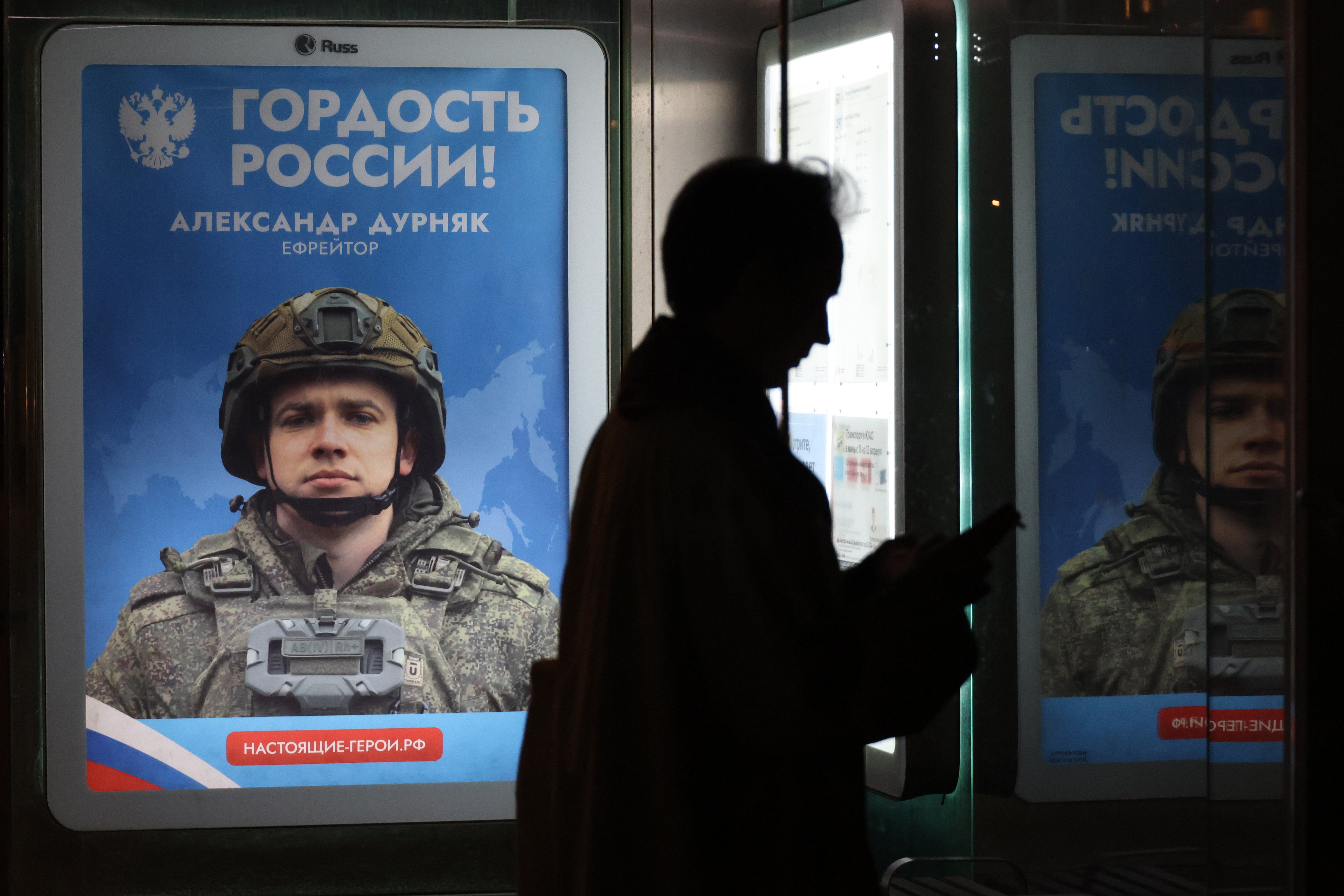
Ukraine’s Defense Intelligence (HUR) has identified more than 28,000 foreign nationals who are serving under contract with the Russian Armed Forces, a figure that continues to grow, officials said.
The data was presented by Dmytro Usov, a HUR representative and secretary of Ukraine’s Coordination Headquarters for the Treatment of Prisoners of War, during the report briefing examining Russia’s use of foreign fighters in its war against Ukraine on April 29.
We bring you stories from the ground. Your support keeps our team in the field.
According to Usov, Ukrainian authorities currently have verified personal data on 28,391 foreign individuals, including names and citizenship details.
HUR estimates that citizens from at least 136 countries are fighting within Russian forces. This figure does not include North Korean troops , whose number is estimated at nearly 14,100.
Usov also stated that Russia often prevents foreign recruits from leaving military service even after their contracts expire. According to Ukrainian intelligence, at least 3,080 individuals remain in the ranks despite the formal end of their service agreements.
“I want to draw attention to the figure of 3,080 people—these are citizens of foreign countries who signed contracts, whose contracts have ended, but they have not left the ranks of the Russian Armed Forces. Russia will continue to use them,” he said.
-75927b6cdbd6a2bae75db91d57457680.jpg)
Ukrainian intelligence has also recorded a rise in the number of foreign fighters captured on the battlefield, with citizens from 48 countries currently among prisoners of war, amounting to several hundred individuals.
According to Usov, foreign nationals are deployed in combat units and are also recruited into Russia’s defense-industrial sector before being sent to the front. Among the foreign fighters are citizens of countries belonging to the Collective Security Treaty Organization, as well as individuals from Africa, Asia, and Europe.
In parallel, Moscow is planning to enlist nearly 20,000 foreign nationals into its armed forces in 2026, relying in part on coercive measures targeting migrant populations. The agency said that Russia’s General Staff, together with the Ministry of Internal Affairs, has conducted inspections of foreign men aged 18 to 60 across all federal districts.
Recruitment offices have reportedly been assigned quotas requiring them to draft between 0.5% and 3.5% of the foreign population in each region, with a target of at least 18,500 new recruits this year. Citizens from Central Asian countries—including Kazakhstan, Kyrgyzstan, Uzbekistan, and Tajikistan—remain a primary focus.

HUR also noted that recruitment efforts extend beyond Russia’s borders, particularly in economically vulnerable countries such as Bangladesh, Chad, Sudan, and Burundi. Inside Russia, the campaign is coordinated through dozens of official contract recruitment centers, as well as through quasi-private military formations linked to Russian military intelligence, including Redut, Convoy, and Wagner-2.
Instead of relying only on financial incentives or offers of citizenship, Russian authorities are exploiting migrants’ legal precarity. According to HUR, officials specifically target foreigners with expiring visas or minor immigration violations, effectively forcing them to choose between prison sentences of up to eight years or signing a military contract and being sent to the frontlines in Ukraine.
Russia’s plan to recruit 20,000 foreign fighters builds on a broader pattern of systemic coercion identified earlier this year. Ukraine’s Foreign Intelligence Service has reported that Moscow is using immigration laws as a tool to pressure migrants into military service, while maintaining the formal position that no direct recruitment is taking place.
By widening the legal basis for deportation—citing minor administrative violations, alleged extremism, or risks to information security—authorities have effectively removed legal options for many migrants to remain in the country without proper documentation. This environment leaves non-citizens facing a stark choice: risk deportation and possible persecution, or “voluntarily” sign a military contract to secure legal status for themselves and their families.
Discuss this article:
-9a7b3a98ed5c506e0b77a6663f5727c5.png)

-c439b7bd9030ecf9d5a4287dc361ba31.jpg "Photo of Katherina Popilnichenko")
-72b63a4e0c8c475ad81fe3eed3f63729.jpeg "Photo of Cyril Barabaltchouk")