- Category
- War in Ukraine
Russia Blocks Bank Accounts and Fabricates Charges to Force Foreign Nationals Into Military
 Prefer U24 Media on Google
- Authors


Cases of pressure on foreign nationals in Russia aimed at forcing them to join the Russian military have become more frequent, according to the partisan movement ATESH, which cited its agents in a Telegram statement.
The reported incidents have been recorded in Saint Petersburg, Yekaterinburg, and Moscow.
We bring you stories from the ground. Your support keeps our team in the field.
According to the group, a recurring scheme is being used across these cities. Russia’s Interior Ministry migration services allegedly block foreigners’ bank accounts without prior notice or any confirmed violations, while simultaneously issuing orders requiring them to leave the country.
Criminal proceedings are then opened against individuals on allegedly fabricated charges. Following this, authorities reportedly conduct so-called “interviews” during which detainees are offered military contracts with the Russian Armed Forces.
The report claims that some individuals agree to these offers, particularly migrants from Central and East Asia as well as African countries.
-de2c558098fcd6f81f7520f209b95e06.jpg)
“Behind all this lies a simple reason: there are no longer enough volunteers from within Russia itself. Money is becoming an increasingly ineffective motivator, and the Kremlin has shifted its focus to those who have more to lose — status, documents, and freedom,” the partisan movement stated.
The movement further assesses that the introduction of open mobilization in Russia may now be only a matter of time.
In April, Ukraine’s Defense Intelligence Directorate has identified more than 28,000 foreign nationals serving under contract with the Russian Armed Forces, with officials noting that the number continues to rise.

According to Dmytro Usov, a representative of HUR and secretary of Ukraine’s Coordination Headquarters for the Treatment of Prisoners of War, Ukrainian authorities have verified personal data for 28,391 foreign individuals, including names and citizenship information. Intelligence assessments suggest that nationals from at least 136 countries are currently serving within Russian military units. This total does not include North Korean troops, whose numbers are estimated at approximately 14,100.
“I want to draw attention to the figure of 3,080 people—these are citizens of foreign countries who signed contracts, whose contracts have ended, but they have not left the ranks of the Russian Armed Forces. Russia will continue to use them,” he said.
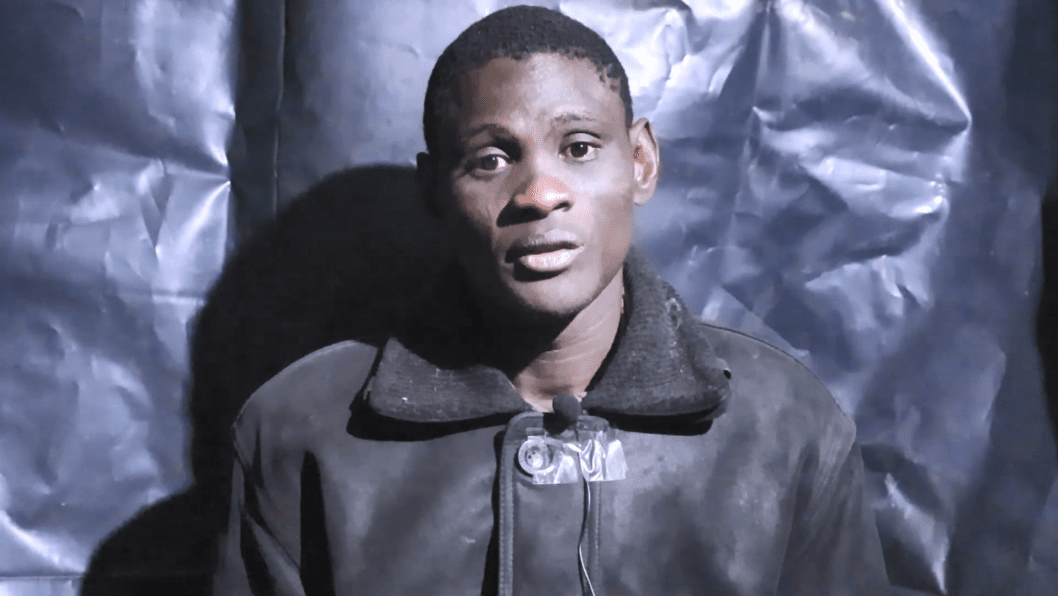
Despite Russia’s apparent efforts to recruit and mobilize foreign nationals, it has shown little urgency in seeking the return of its own citizens held in Ukrainian captivity. Ukrainian officials say Moscow has repeatedly expressed interest only in exchanging two captured North Korean nationals, while showing no engagement regarding other foreign fighters currently held by Ukraine.
“Sometimes we even have to persuade them to take back their own citizens. This also applies to foreigners who fought for Russia. We already have a significant number of them in captivity. In the negotiation process, the Russian side shows no interest in them. There has not been a single request from Russia, except for North Koreans. On several occasions, they asked whether we were ready to hand over specifically the North Koreans,” said Bohdan Okhrimenko, head of the Secretariat of Ukraine’s Coordination Headquarters for the Treatment of Prisoners of War.
Discuss this article:

-c439b7bd9030ecf9d5a4287dc361ba31.jpg "Photo of Katherina Popilnichenko")


-29a1a43aba23f9bb779a1ac8b98d2121.jpeg "Photo of Illia Kabachynskyi")