- Category
- War in Ukraine
Russia Has Been Strapping FPV Drones to Shaheds for a Year, but the Trick Keeps Failing
 Prefer U24 Media on Google
- Authors


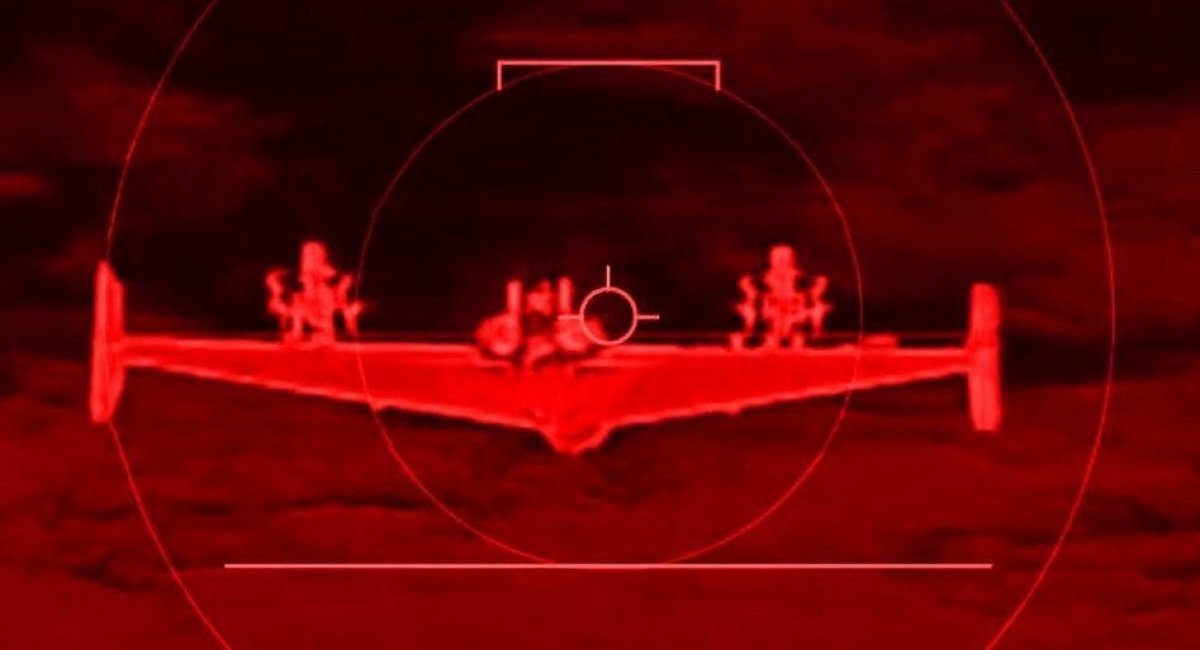
Russia has been experimenting for more than a year with Shahed-type drones as airborne carriers for smaller FPV drones, but the concept has proved unreliable and is rarely used, Ukrainian presidential adviser on defense technology Serhii “Flash” Beskrestnov said on September 3.
According to Beskrestnov, Russian forces attach two FPV drones to a conventional Shahed or Gerbera drone, effectively using the larger aircraft to carry the smaller UAVs closer to their intended operating area.
We bring you stories from the ground. Your support keeps our team in the field.
The FPV drones are controlled through LTE modems using cellular networks and SIM cards once deployed.
“The effectiveness of this solution is very low, and the enemy uses it rarely—literally once a week or once every two weeks. The FPV often loses connection, control, and crashes,” Beskrestnov explained.
Russian Shahed/Geran-type long-range UAV releasing an FPV drone over the Ukrainian city of Sumy.
— Status-6 (War & Military News) (@Archer83Able) February 17, 2026
An indication that the Russians have started employing Gerans in the role of an FPV drone carrier, just like they did with Molniya and Gerbera UAVs. pic.twitter.com/TjAFtsom5f
The concept could theoretically extend the operating range of short-range FPV drones by transporting them deep into Ukrainian territory before release. In practice, however, maintaining a reliable cellular connection while the smaller drone is in flight appears to be a significant limitation.
Beskrestnov also pointed to another constraint: the FPV drones can only be carried by conventional propeller-driven Shaheds.
“The FPV drones are attached to an ordinary Shahed. They would simply be blown off a jet-powered one,” he noted.
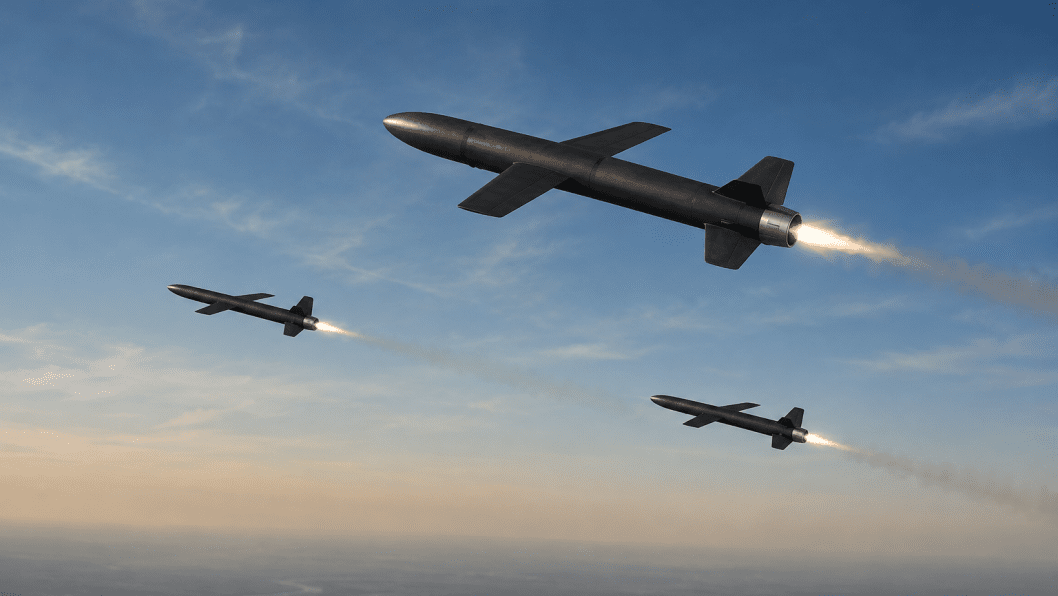
That distinction has become increasingly important as Russia shifts toward faster jet-powered Shahed variants in strikes against Kyiv, the surrounding region and other Ukrainian cities.
Moscow has increasingly relied on the faster models after Ukraine pushed interception rates against conventional Shahed-type drones above 90%, according to Beskrestnov.
Jet-powered variants are significantly harder to intercept because their higher speed leaves Ukrainian air defenses less time to detect, track, and engage them.
Earlier, reports emerged that a Ukrainian remotely operated machine-gun system originally designed for use across multiple combat platforms has now been adapted for aviation, with footage showing the Khyzhak module mounted aboard a helicopter and used to engage Russian Shahed-type drones.
Discuss this article:
-9a7b3a98ed5c506e0b77a6663f5727c5.png)


-c439b7bd9030ecf9d5a4287dc361ba31.jpg "Photo of Katherina Popilnichenko")

-72b63a4e0c8c475ad81fe3eed3f63729.jpeg "Photo of Cyril Barabaltchouk")