- Category
- War in Ukraine
Russia Is Building a Molniya-Shahed Hybrid Drone—and It Could Come in Swarms
 Prefer U24 Media on Google
- Authors


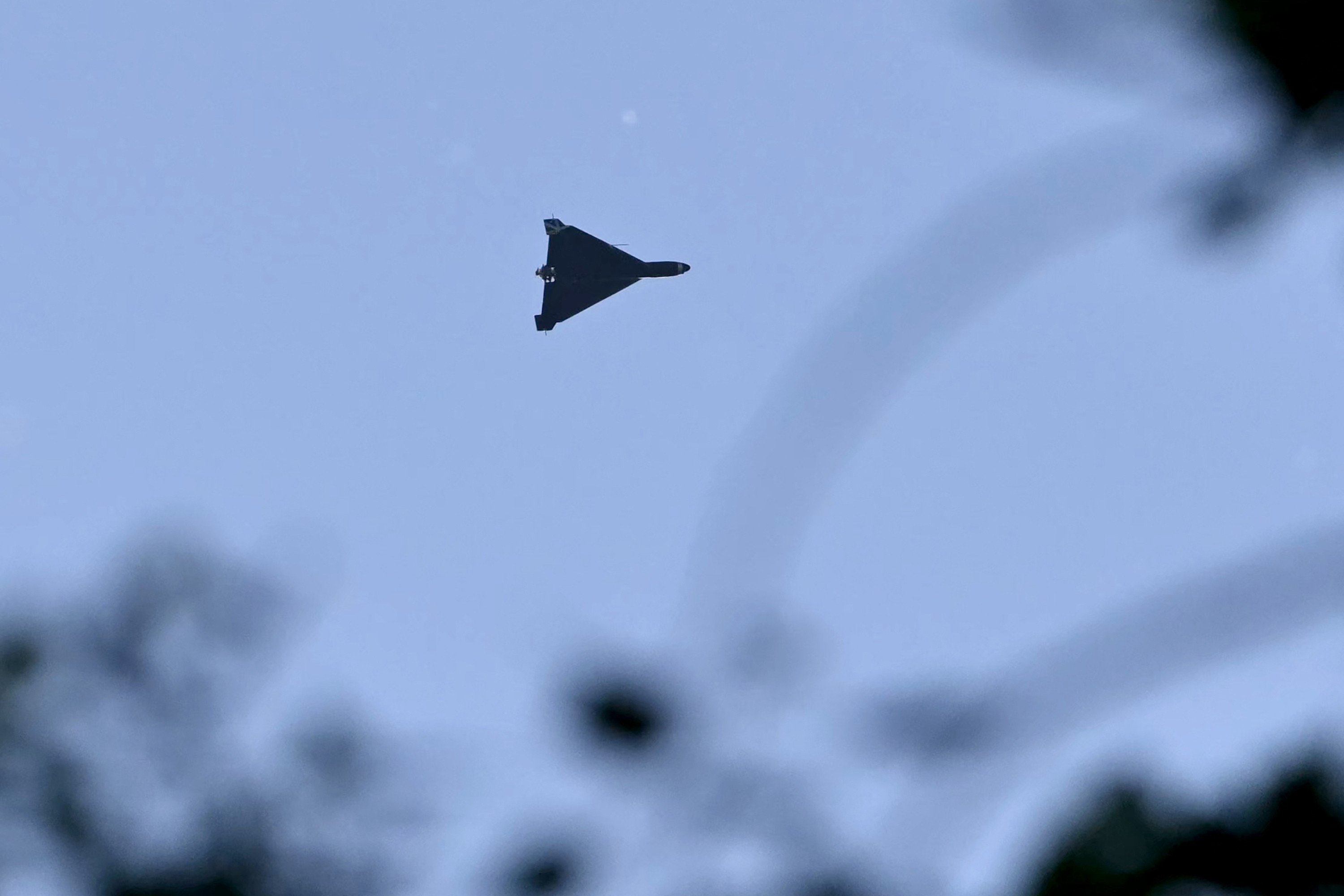
Russia is actively developing a new class of mid-range strike drones intended to attack Ukrainian logistics routes, Yurii Humenchuk, CEO of defense company Trident Group, told RBC-Ukraine in an interview published on July 13.
According to Humenchuk, Moscow is searching for a middle ground between relatively inexpensive Molniya drones and the much larger, heavier Shahed-type suicide UAVs.
We bring you stories from the ground. Your support keeps our team in the field.
“We must prepare very seriously for the mass appearance of such systems on the battlefield,” Humenchuk said.
The emerging drones could give Russian forces a cheaper way to reach targets beyond the immediate front line while carrying more destructive payloads than smaller tactical UAVs. Ukrainian supply roads, staging areas, equipment concentrations, and other operational-level targets could become their primary focus.
🔴 This is how the Russian forces launch Shahed drones to attack Ukraine, using American Dodge pickup trucks, as seen in videos released by Russian state media. pic.twitter.com/Qhr04xzVBM
— UNITED24 Media (@United24media) July 20, 2025
Discussing Russia’s growing use of civilian vehicles, Humenchuk said moving troops into ordinary cars would not solve Moscow’s wider logistical problems. Many large military systems and other high-value targets simply cannot be transported in standard pickup trucks.
He also said Russia is unlikely to deploy autonomous interceptor drones on a mass scale in the immediate future. Such a capability would require more than an effective interceptor—it would also depend on a comprehensive detection network and extensive command-and-control infrastructure.
Russian interceptor drones are therefore more likely to provide localized air defense around critical sites such as oil refineries, defense plants, Moscow, and St. Petersburg.
For Ukraine, the more immediate threat is Russia’s continued expansion of electronic warfare systems.
❗️Failed launch of the Molniya kamikaze drone by the 🇷🇺Russian military pic.twitter.com/vszHPOucHH
— 🪖MilitaryNewsUA🇺🇦 (@front_ukrainian) December 3, 2025
Humenchuk said Moscow already possesses proven technologies, deep expertise, established production lines, and the infrastructure needed to manufacture and deploy electronic warfare equipment at scale.
Russia’s growing electronic warfare capability is creating constant demand among Ukraine’s military and defense developers for new, unconventional communications systems capable of operating through or around Russian interference.
Previously, Russia had begun using a new autonomous version of its Molniya strike drone in Ukraine, adapting the cheap fixed-wing attack UAV to hit targets without the control antenna that made earlier models vulnerable to electronic warfare.
Discuss this article: