- Category
- War in Ukraine
Russian Drone Strike Hits Kharkiv Zoo, Damaging Enclosures and Injuring Animals
 Prefer U24 Media on Google
- Authors

-c439b7bd9030ecf9d5a4287dc361ba31.jpg "Photo of Katherina Popilnichenko")
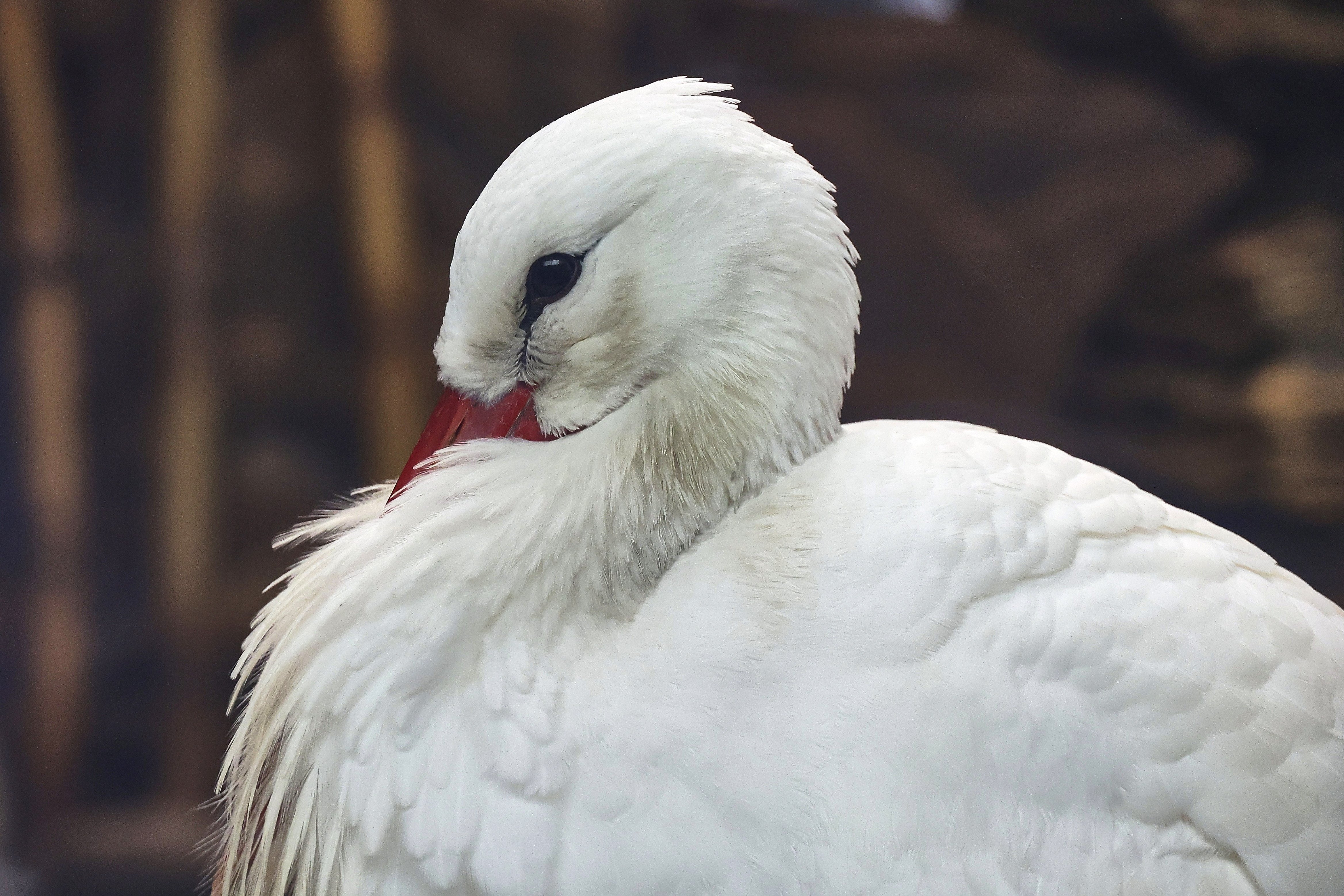
On the evening of June 15, Russian forces launched a drone attack on Kharkiv, targeting the city’s zoo in the Shevchenkivskyi district.
Kharkiv Mayor Ihor Terekhov confirmed that the strike resulted in damage to animal enclosures and reported that there are injured animals at the facility.
We bring you stories from the ground. Your support keeps our team in the field.
Oleh Syniehubov, head of the Kharkiv Regional Military Administration, stated that Russian forces used drones to attack both the Shevchenkivskyi and Kholodnohirskyi districts of the city.
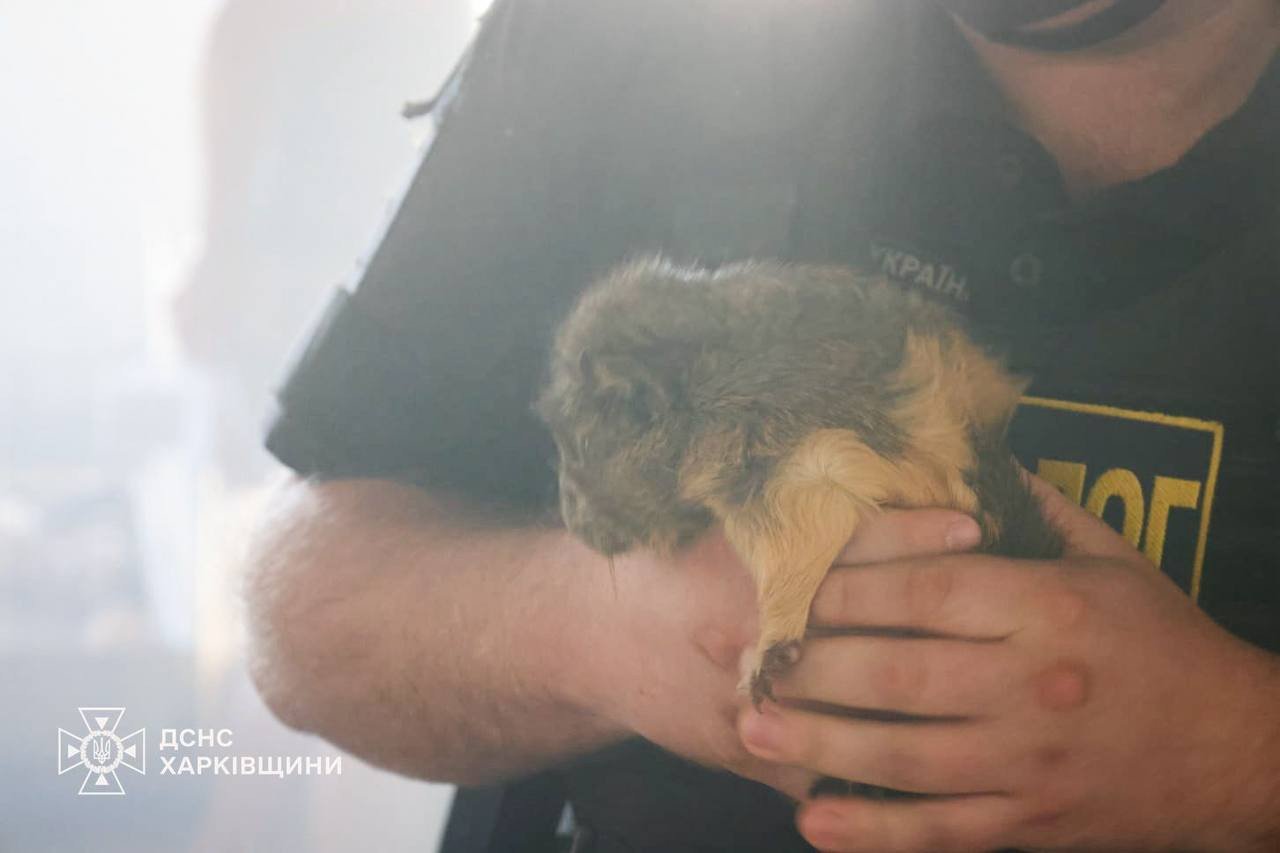
According to officials, one of the drones hit the territory of the zoo, sparking a fire. Additionally, debris from the drone fell onto a nearby road.
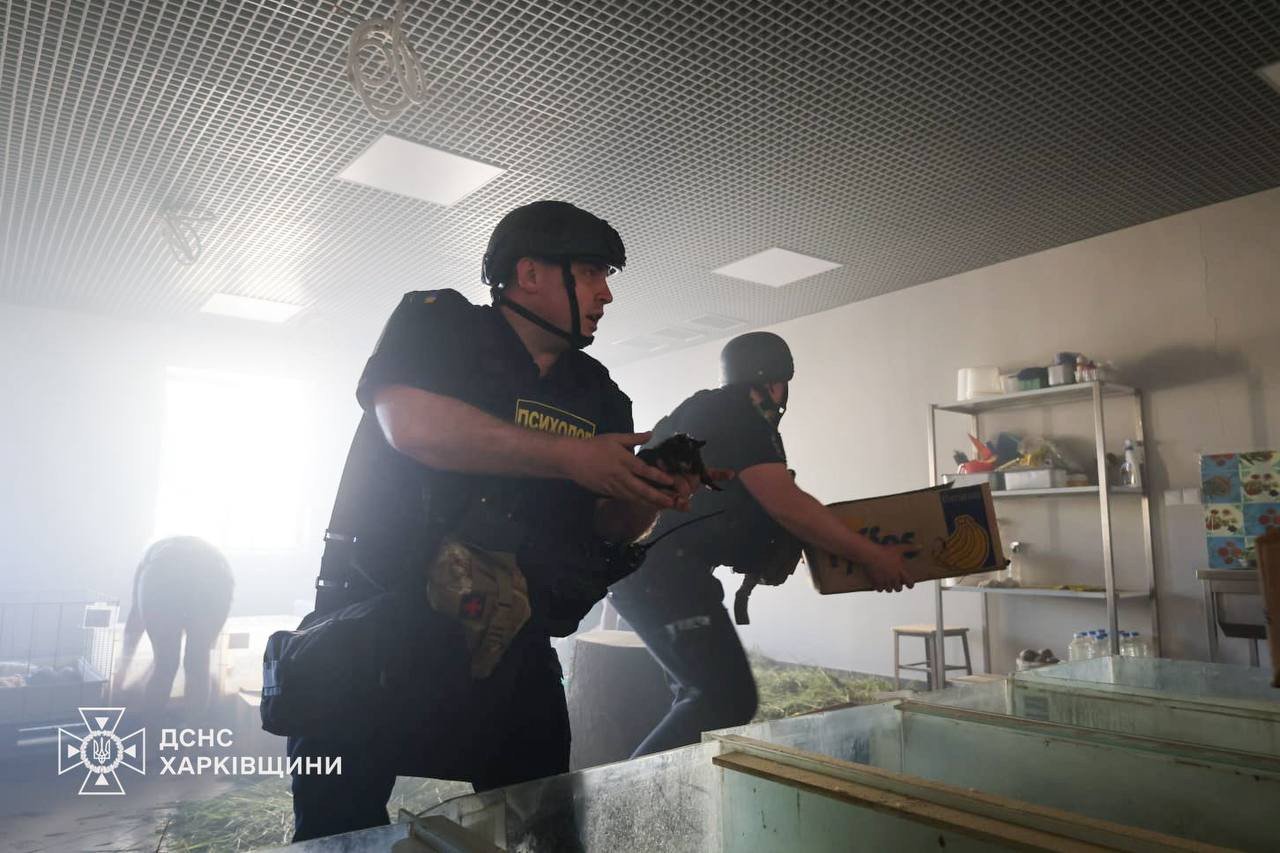
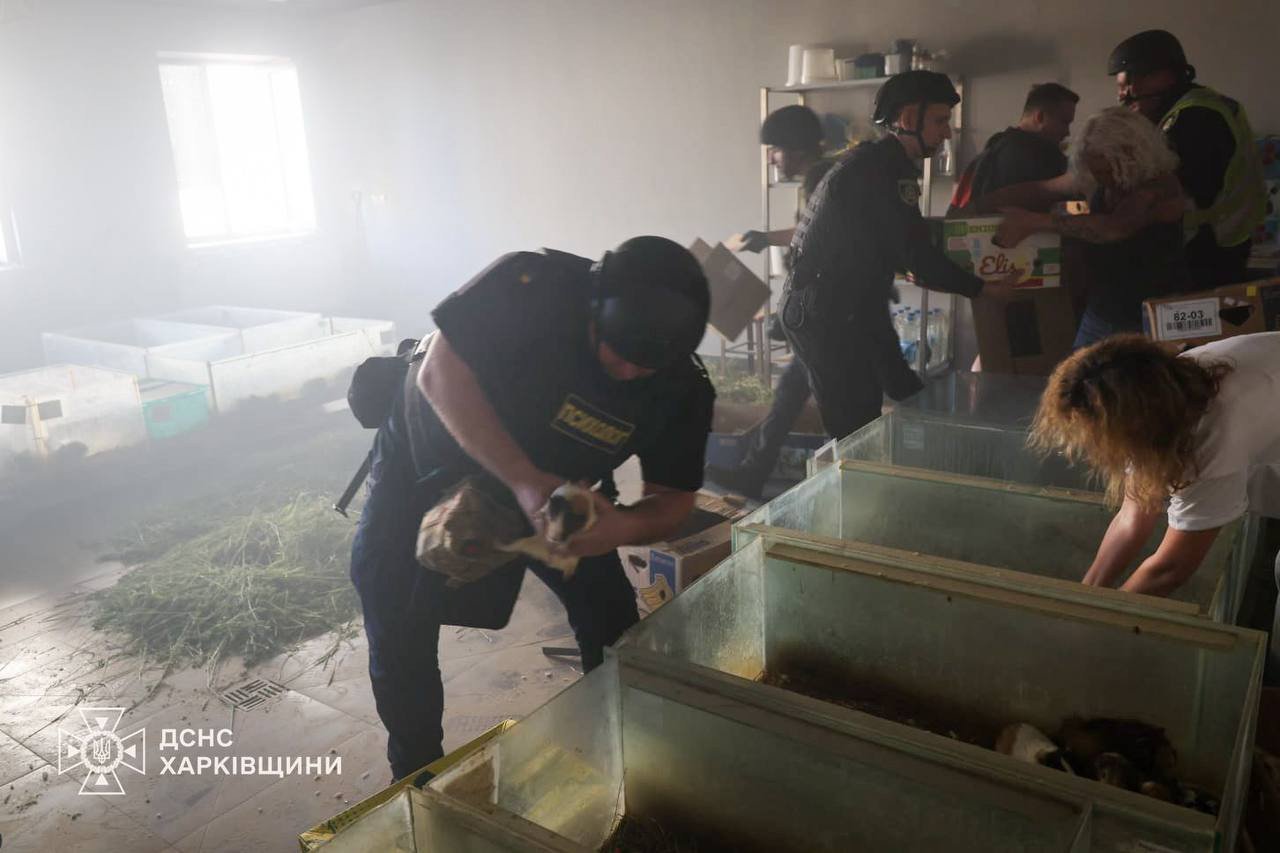
On January 1, 2025, Russian forces struck the Feldman EcoPark near Kharkiv with a guided aerial bomb, which destroyed winter shelters and resulted in a catastrophic loss of life among the park's rare bird population.
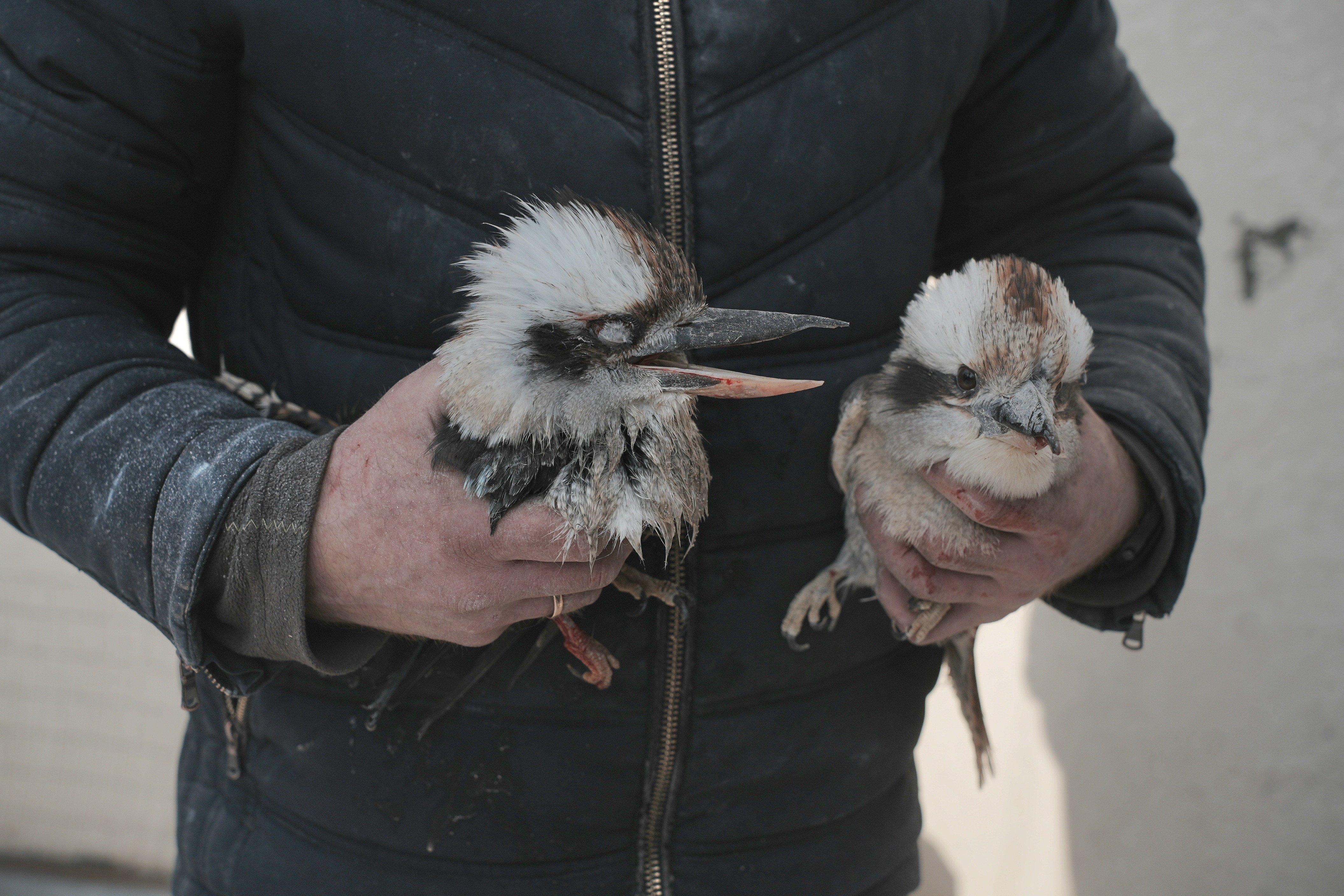
According to the park's founder, Oleksandr Feldman, the attack killed the vast majority of the parrots and pheasants housed in the facility, while also leaving several large animals, including lions, with injuries.
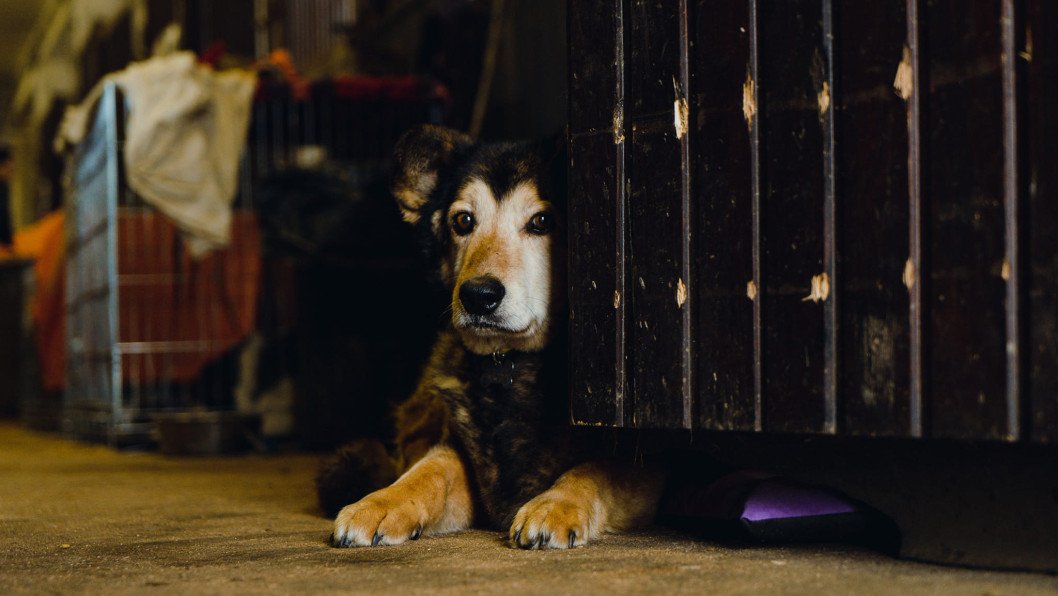
The strike further created a dangerous situation for the surviving tigers, forcing staff to wait for specialized equipment to safely relocate them, and it also left one volunteer hospitalized after she sustained blast injuries during the bombardment.
During the early stages of Russia’s full-scale invasion of Ukraine, the Mykolaiv Zoo faced a severe humanitarian and logistical crisis that left its staff struggling to sustain the animals under constant threat.
As Russian forces pushed toward the city, the zoo was cut off from essential resources, and the lack of reliable transport made the evacuation of large predators like the Amur tigers, Agrypyna and Penelopa, impossible.
For months, the dedicated staff rationed limited food supplies while contending with the destruction of critical infrastructure, including the city's main water line, which left the facility parched for nearly two months.
Amidst the persistent danger of incoming rocket fire—with eight shells eventually landing within the zoo's gates—zookeepers like Sasha worked tirelessly to protect the animals from the terror of the shelling, ensuring the survival of the species despite the surreal and harrowing conditions of life in a frontline city.
Discuss this article:
-4a56a6b482ec132402c16ef6fcabf9a2.png)






-72b63a4e0c8c475ad81fe3eed3f63729.jpeg "Photo of Cyril Barabaltchouk")