- Category
- War in Ukraine
Russian Military Occupation Harmed Chornobyl Wildlife Populations, Scientists Reveal
 Prefer U24 Media on Google
- Authors

-c439b7bd9030ecf9d5a4287dc361ba31.jpg "Photo of Katherina Popilnichenko")
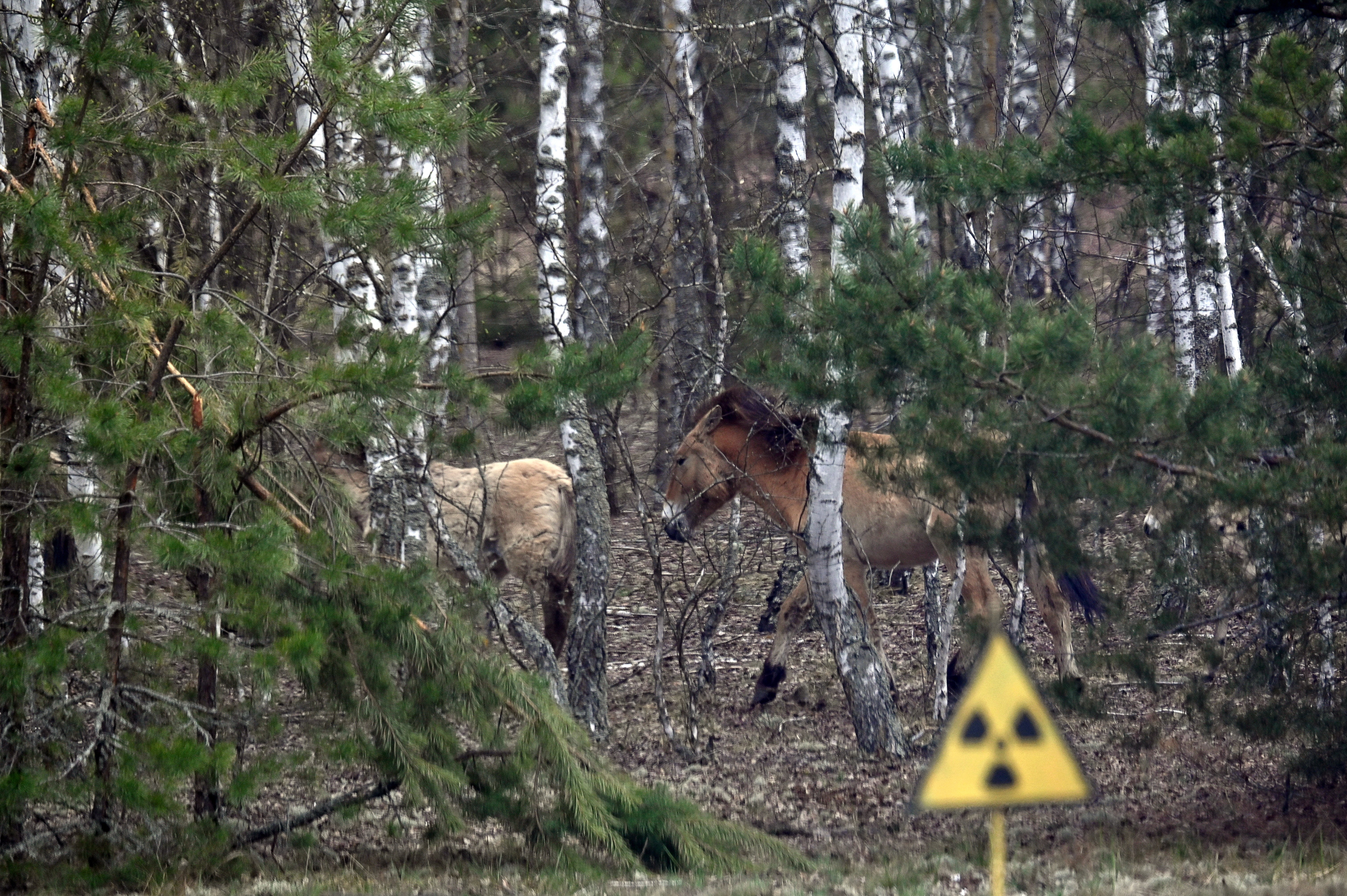
Camera traps installed in the 2,600-square-kilometer Chornobyl exclusion zone have captured the immediate behavioral shifts of local wildlife during the Russian military occupation of the territory in February and March 2022.
A new study reveals that following Russia's full-scale invasion of Ukraine, large mammals such as deer and horses became significantly less active and reduced their movements at night, based on data from NV on June 19.
We bring you stories from the ground. Your support keeps our team in the field.
Researchers discovered these behavioral alterations by analyzing nearly 2,000 photos and videos, comparing recordings from the initial months of the 2022 invasion with data collected during the exact same timeframe one year prior.
The findings, published in the journal Science, offer a rare look at how wildlife adapts to sudden anthropogenic shock in an area that has served as a unique natural sanctuary for decades.
Following the 1986 nuclear disaster, the evacuation of humans from the zone allowed animal populations to rebound dramatically. However, the sudden movement of heavy military equipment, troop deployments, and gunfire in early 2022 transformed the undisturbed ecosystem into an active zone of hostilities.
To assess the ecological impact, scientists utilized an existing automated camera network that had been monitoring the exclusion zone from 2020 to 2022. Gathering data on wildlife behavior during armed hostilities is typically dangerous and logistically difficult, making this continuous automated monitoring network a rare and valuable asset for ecological research.
-8bfe9fea14b8de336a73d8807157ae8f.jpg)
The collected data tracked the responses of 11 terrestrial mammal species. Among them, the European roe deer, red deer, moose, and red fox exhibited the most noticeable drops in activity during the occupation, showing a clear reluctance to move during their usual nighttime hours.
Experts suggest that automated camera traps can serve as a vital global tool for documenting environmental damage and measuring how ecosystems react to sudden human-induced disruptions.
"I wish the opportunity to analyze how the unfolding invasion affected wildlife had never happened," said Svitlana Kudrenko, who conducted the study as part of her doctoral research at the University of Freiburg in Germany.
She noted that modern international conflicts cause particularly severe harm to wildlife due to the wide array of advanced weaponry and tools used, which are often operated from a distance.
Kudrenko emphasized the importance of developing new environmental strategies based on these findings. "Our study highlights the need to develop and implement research and conservation strategies aimed at studying the impact of armed conflicts on wildlife and the environment as a whole, especially in areas important for conservation," she concluded.
Previously, fighters of Ukraine’s 429th Separate Unmanned Systems Brigade “Achilles” rescued an owl that had become trapped in an enemy anti-drone net and fiber-optic lines while they were carrying out a combat mission.
The bird was unable to free itself and faced certain death until Ukrainian servicemembers stopped, carefully disentangled the owl, and released it back into the wild.
Discuss this article: