- Category
- War in Ukraine
Russia’s Jet Shaheds Are Scaling Fast—Helsing Just Unveiled an AI Air Defense Built to Hunt Them
Europe’s answer to Russia’s growing jet-drone arsenal is taking shape around a simple idea: use AI to coordinate mass interceptions, then kill fast threats with cheaper missiles instead of burning through million-euro air-defense rounds.
 Prefer U24 Media on Google
- Authors


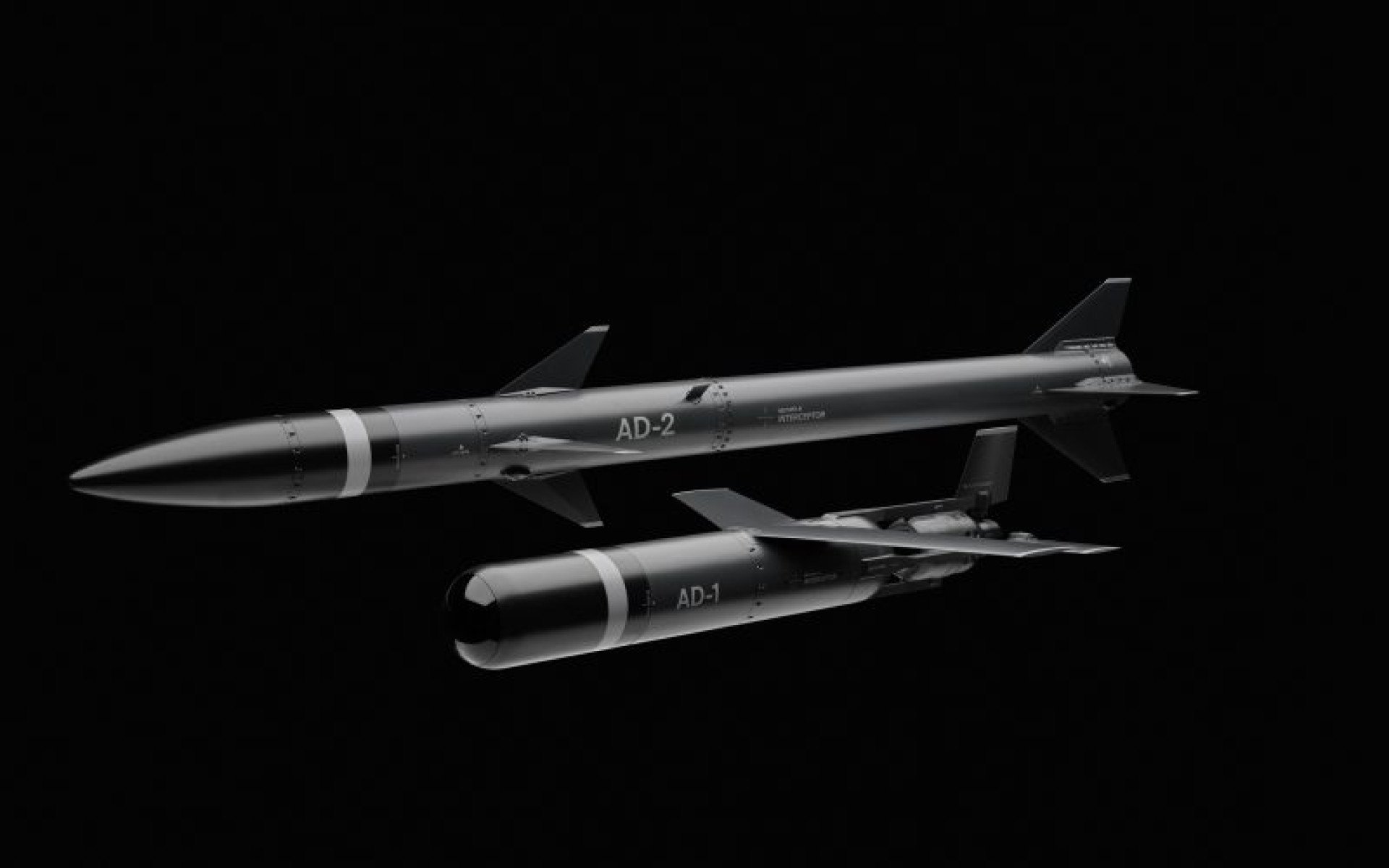
European defense technology company Helsing has unveiled Contra, a new AI-controlled air-defense system built to counter large-scale drone and missile attacks, alongside two new interceptors designed to chase down fast jet-powered UAVs and cruise missiles, according to a press releaseHelsing shared with UNITED24 Media on October 26.
The system is particularly relevant to Ukraine, which is already facing a growing Russian arsenal of jet-powered Geran drones.
Helsing says recent intelligence assessments indicate Russia has sharply increased production of Geran-4 and Geran-5 systems, with output reportedly reaching as many as 4,000 units per month while Moscow expands the number of launch sites.
Today we are unveiling Contra, an AI-controlled autonomous air defence system designed to protect countries from scaled drone and missile attacks.
— Helsing (@HelsingAI) October 26, 2026
Alongside Contra, two new interceptors:
AD-1 Inferno to counter jet-powered threats. AD-2 Ambush to counter high-altitude threats. pic.twitter.com/Z9HE2UB2ft
Built for the jet-Shahed problem
Contra is designed for exactly that kind of saturation threat.
According to Helsing, the system can detect and coordinate engagements against hundreds or even thousands of incoming drones and missiles at the same time by combining multiple sensors and weapons into a single air picture. Its sensor architecture can include radar, electro-optical, infrared, and acoustic systems, while the Altra command-and-control platform keeps human operators in control of targeting priorities and decisions.
The architecture is also intended to remain functional under battlefield disruption, including jamming, broken communications links, and the loss of individual nodes.
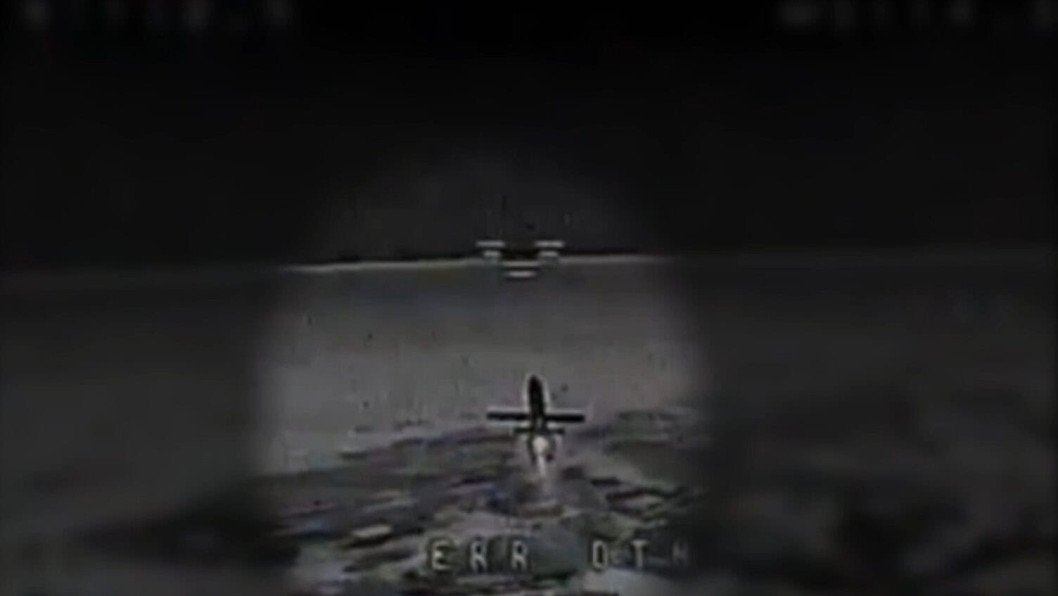
For Ukraine, that matters because Russia’s newer jet-powered Geran variants are substantially faster than conventional Shahed-type drones, increasing the pressure on both interceptor drones and traditional surface-to-air missile systems.
Two new interceptors for two different threats
At the center of Contra are two Helsing-developed interceptors.
The AD-1 Inferno is a jet-powered interceptor intended to fill the gap between slower electric or propeller-driven drone interceptors and traditional missiles that are too expensive to fire in large numbers. Helsing says AD-1 can loiter after launch, operate in swarms, and re-engage targets in flight while receiving midcourse updates from Contra ground radars.
Company specifications list a maximum speed above 700 km/h and an operating altitude exceeding 9,000 meters.
The AD-2 Ambush, meanwhile, uses a solid rocket motor and is intended for faster and higher-flying threats. Helsing says it is designed to defeat high-speed one-way drones and subsonic cruise missiles beyond AD-1’s reach.
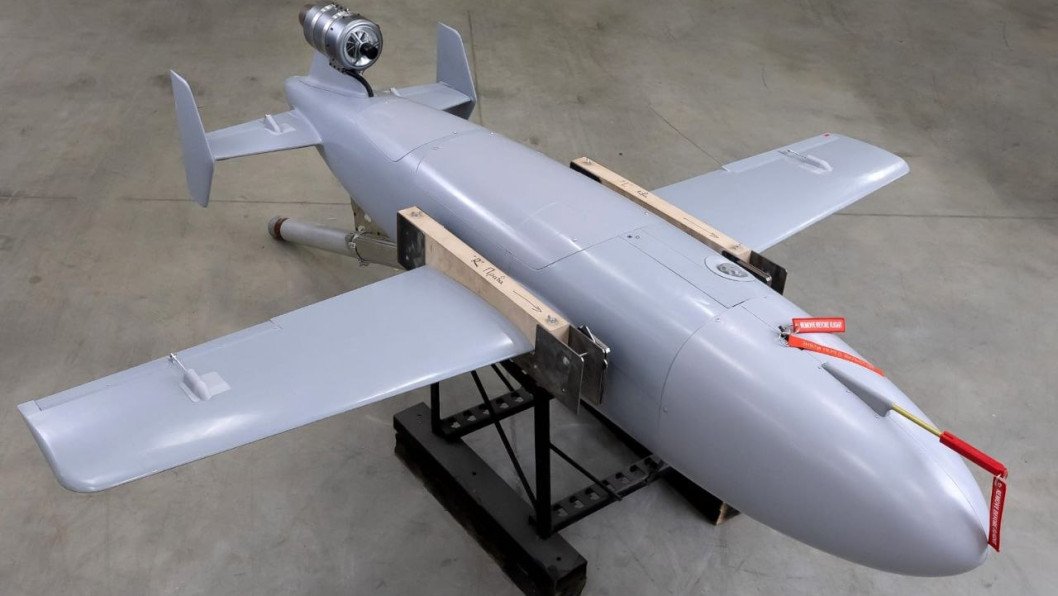
In its announcement, Helsing said AD-2 can reach roughly Mach 2.5 and engage targets beyond 20 kilometers.
Both interceptors use onboard radar seekers for terminal guidance, allowing them to operate in darkness, cloud, and fog—conditions where cheaper optical or infrared seekers can struggle. Helsing’s technical brief specifically emphasizes that the radar seekers are intended to maintain performance when visibility is poor.
Built for mass attacks, not one-off shots
Helsing is positioning Contra as more than a closed missile system.
The architecture is designed to integrate third-party weapons—including other interceptors, anti-drone lasers, guns, and even net-based systems—within days.
That would allow operators to choose different weapons for different targets rather than firing an expensive missile at every incoming drone.
The same command architecture is intended to protect population centers, borders, military bases, and maneuvering forces, with the sensor and weapon mix changing depending on the mission.
Helsing says both AD-1 and AD-2 are intended for mass production through separate European supply chains, reducing dependence on a single production line.
Niklas Köhler, Helsing co-founder and president, framed the system around the cost problem now confronting Ukraine and Europe.
“Contra ends the air defence dilemma: slow fair-weather drones, or million-euro missiles fired at cheap, mass-produced targets. Our AI links existing sensors and effectors in real time and adds our interceptors, AD-1 and AD-2. With jet and rocket propulsion, a low-cost all-weather radar seeker, and two independent European supply chains, they deliver autonomous fire superiority up to ten kilometres high—affordable and at industrial scale,” he said.
Ukraine already fighting the threat Contra was built for
For Ukraine, that dilemma is no longer theoretical.
Russia is moving beyond slower propeller-driven Shahed-type drones toward faster jet-powered systems such as the Geran-4 and Geran-5, forcing Ukraine to field increasingly fast interceptor drones, fighter aircraft, surface-to-air missiles, and other layers of defense.
The challenge is not simply destroying one fast drone, but doing so repeatedly during mass attacks without exhausting expensive interceptor stocks.

Contra is Helsing’s attempt to turn those different defensive layers into one coordinated network—using AI to manage the air picture while cheaper, mass-produced interceptors take on threats that would otherwise consume far more expensive missiles.
If Russia continues scaling jet-powered drone production at the rate Helsing describes, that cost equation could become one of the defining problems for both Ukrainian and European air defense.
Earlier, German defense company Helsing’s Ukraine-proven HX-2 drone performed successfully during tests with US soldiers in Lithuania.
Discuss this article: