- Category
- War in Ukraine
Russia’s Offensive Has Become One of the Slowest in a Century, CSIS Report Finds
 Prefer U24 Media on Google
- Authors


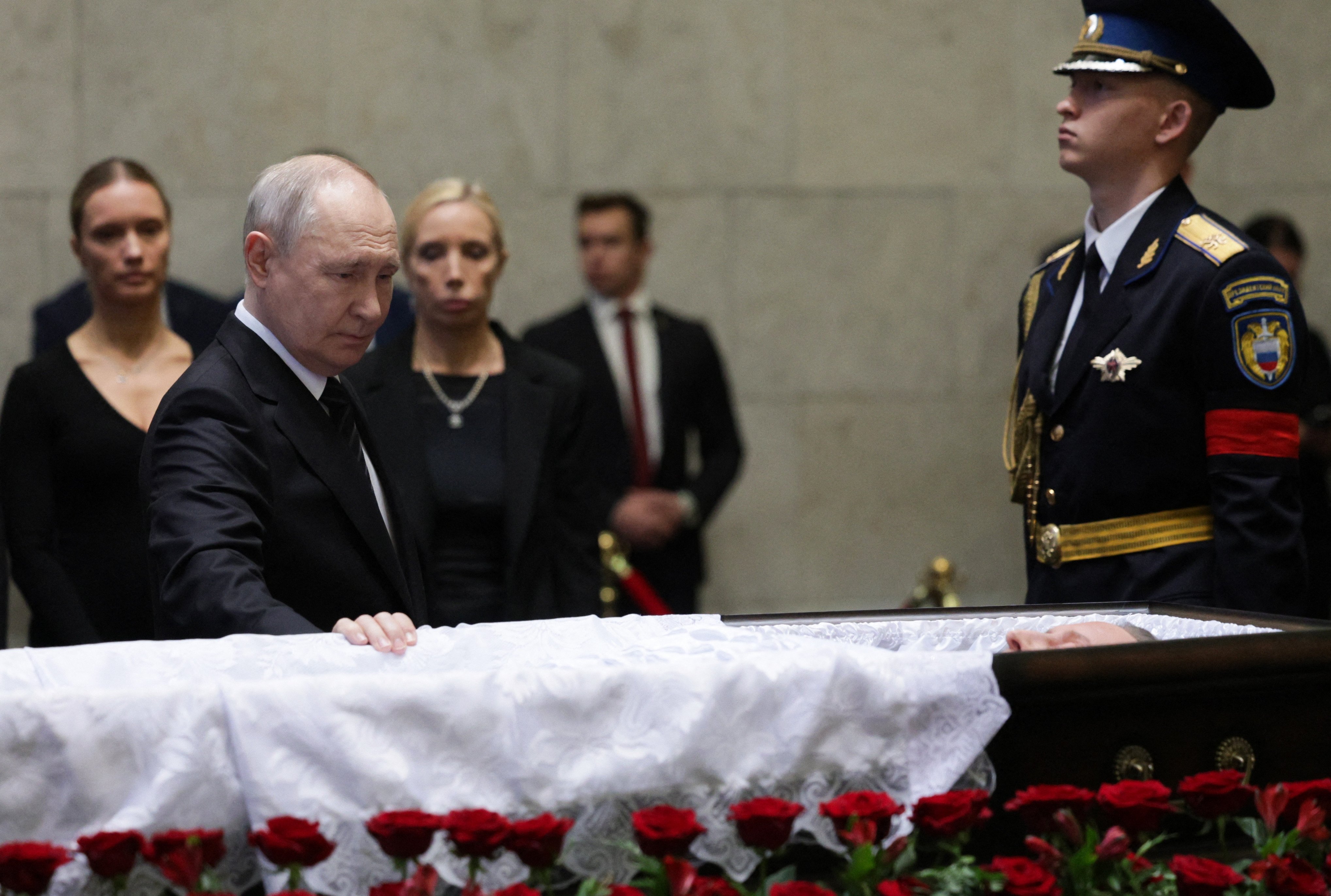
Russia has lost the military initiative in Ukraine, while the cost of Russian leader Vladimir Putin’s war continues to rise sharply, according to a new Center for Strategic and International Studies (CSIS) study published on July 1.
The report, titled “Russian Blood and Treasure: The Mounting Costs of Putin’s War,” was written by CSIS analysts Seth Jones and Riley McCabe.
We bring you stories from the ground. Your support keeps our team in the field.
The authors analyzed a large body of battlefield data, including more than 20,000 recorded strike incidents against Russian targets.
Russia’s ground offensive has stagnated; its losses remain extremely high, and Ukraine’s use of drones, long-range strikes, and artificial intelligence is changing the battlefield faster than Moscow can adapt.
According to CSIS estimates, Russian forces suffered around 1.4 million total casualties from the start of the full-scale invasion in February 2022 through June 2026. Of that number, between 400,000 and 450,000 are estimated to be irreversible losses, meaning killed in action.
💀Russian soldier confused its drone with a Ukrainian one…
— MAKS 26 🇺🇦👀 (@Maks_NAFO_FELLA) June 28, 2026
Pokrovsk direction of the front, Donetsk region. Footage of the combat work of the "Birds of the Magyar". pic.twitter.com/k6w96GoIwF
The report says these figures are unprecedented. Russia’s losses are more than four times higher than total US casualties in all wars after World War II, and more than nine times higher than the combined Soviet and Russian losses over the same period, including Afghanistan and Chechnya.
The manpower problem is getting worse. In the first half of 2026, Russia was losing between 30,000 and 34,000 troops per month, while recruiting roughly 27,000 new soldiers monthly. That means Russia’s army is losing people faster than it can replace them.
CSIS also found that the casualty ratio, which for much of the war stood at around two or three Russian losses for every Ukrainian loss, has now shifted dramatically. In 2026, the ratio has reportedly risen to around 8:1 in Ukraine’s favor.
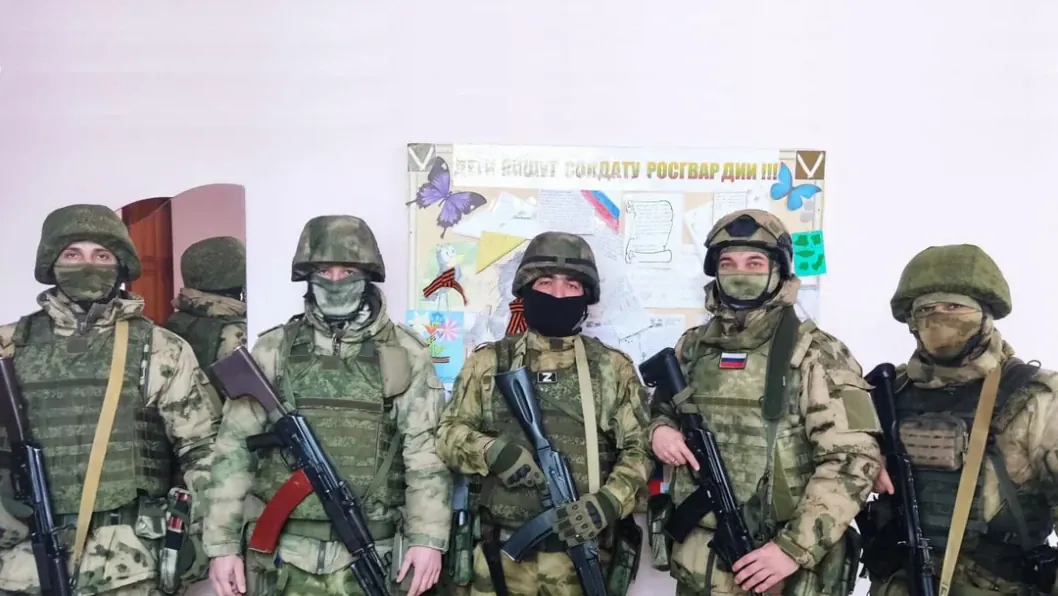
At the same time, Russia’s offensive has slowed to a crawl. Near Kostiantynivka, Russian forces are advancing at an average of about 50 meters per day. Around Pokrovsk, the pace is roughly 70 meters per day. Near Sloviansk, it is about 90 meters per day.
The report describes this as one of the slowest offensives in modern military history over the past century, with rates comparable to the Battle of the Somme during World War I.
Russia also began losing net territory again in spring 2026. In April and May, Russian forces lost more land than they captured, resulting in a net loss of about 400 square kilometers. According to the report, those were Russia’s first monthly net territorial losses since August 2024.
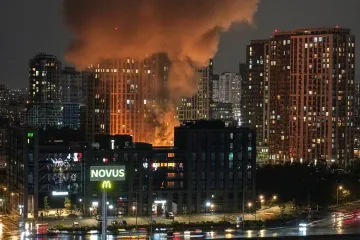
CSIS also highlighted Ukraine’s expanding strike campaign, which has hit targets both near the front and deep inside Russia. Ukrainian strikes have reached Crimea, Belgorod, and long-range targets thousands of kilometers away, including the Ukrainka air base.
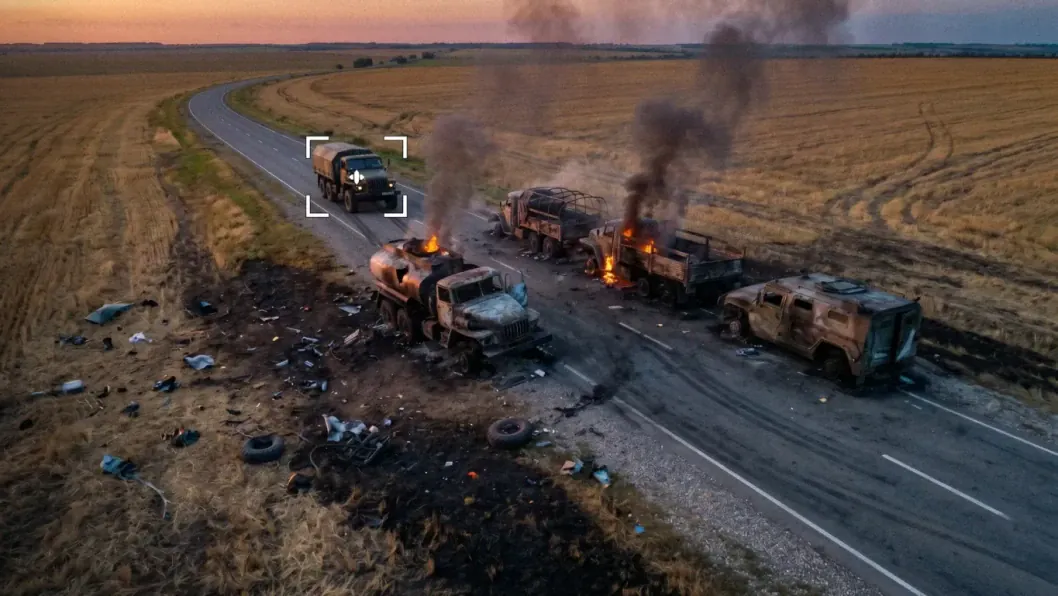
A major part of Ukraine’s advantage, according to the report, is the growing role of artificial intelligence and autonomous systems. CSIS pointed to Ukraine’s Hornet strike drone, which costs around $6,000 and has a range of up to 150 kilometers.
The drone uses onboard AI to analyze video in real time, distinguish real targets from decoys, and carry out attacks without relying on satellite communications. That makes it harder for Russian electronic warfare systems to stop.
The report estimates that more than 90% of Russian losses in so-called “kill zones”—areas stretching 20 to 40 kilometers along the front line—are now caused by drones rather than direct small-arms combat.
Russia has lost more than 1,000 troops every day from June 1 to June 22, 2026, marking the first such streak since March 2025.
On almost every day of June, Ukrainian forces reported Russian personnel losses ranging from 1,130 to 1,550 troops. Only three days in the period showed losses slightly above 1,100.
Discuss this article:
-9a7b3a98ed5c506e0b77a6663f5727c5.png)

-c439b7bd9030ecf9d5a4287dc361ba31.jpg "Photo of Katherina Popilnichenko")

-72b63a4e0c8c475ad81fe3eed3f63729.jpeg "Photo of Cyril Barabaltchouk")