- Category
- War in Ukraine
SBU Busts Russian Spy Network Tracking F-16s, Mirage 2000s and Their Flight Schedules
 Prefer U24 Media on Google
- Authors


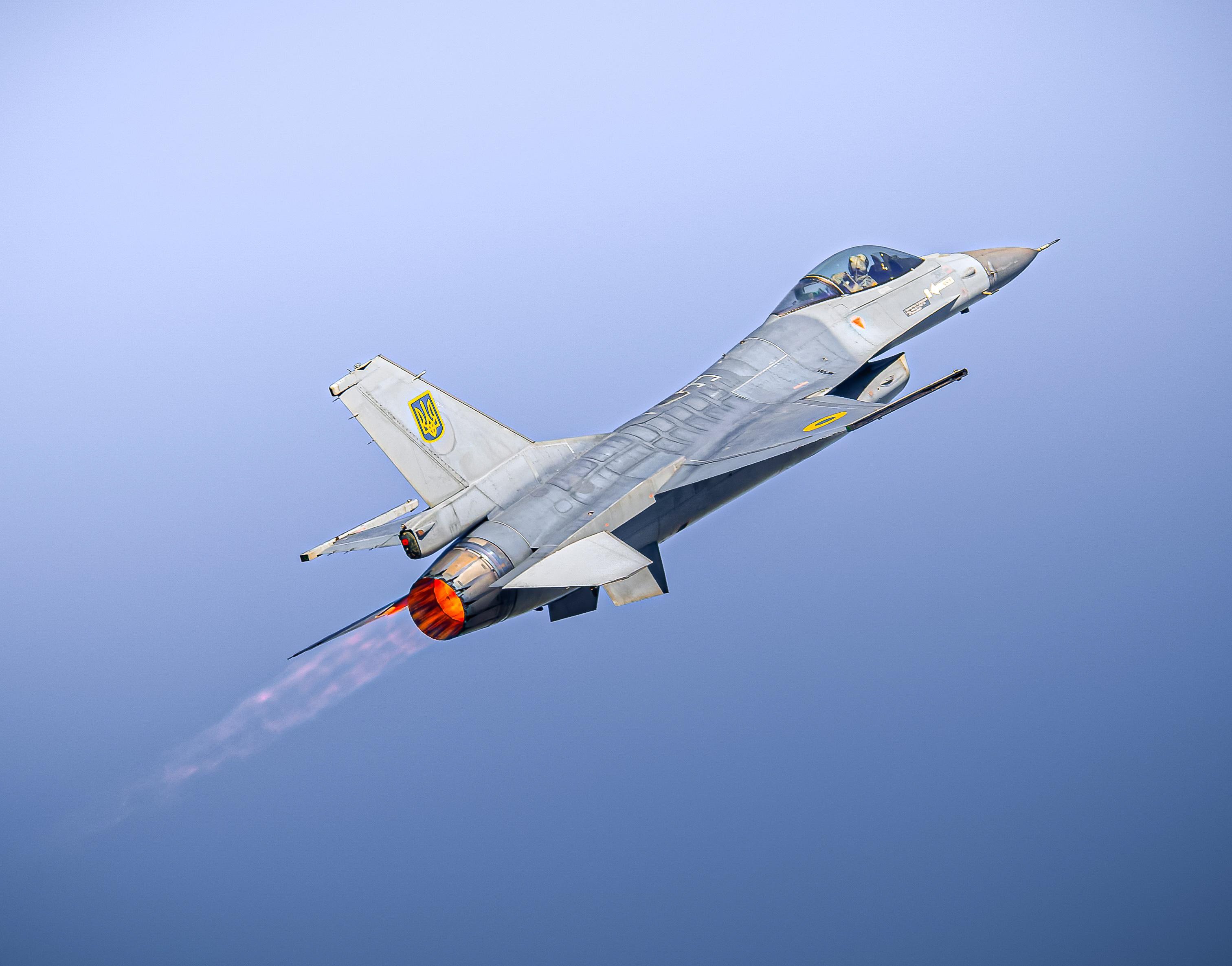
Ukraine’s Security Service (SBU) says it has dismantled a 14-person Russian military intelligence network that was collecting information on Ukrainian air bases hosting F-16 and Mirage 2000 fighter jets, potentially helping Russia plan missile strikes against the aircraft and the infrastructure supporting them, SBU reported on August 13.
The operation was carried out by SBU military counterintelligence under the coordination of Oleksandr Poklad, the agency said.
We bring you stories from the ground. Your support keeps our team in the field.
According to investigators, members of the network photographed Ukrainian airfields, combat aircraft, flight crews, and maintenance personnel. They also collected information on takeoff and landing schedules that could have helped Russian military intelligence determine when and where aircraft were most vulnerable.
The SBU said the intelligence gathering was specifically aimed at air bases used by Ukraine’s F-16 and Mirage 2000 fighters.
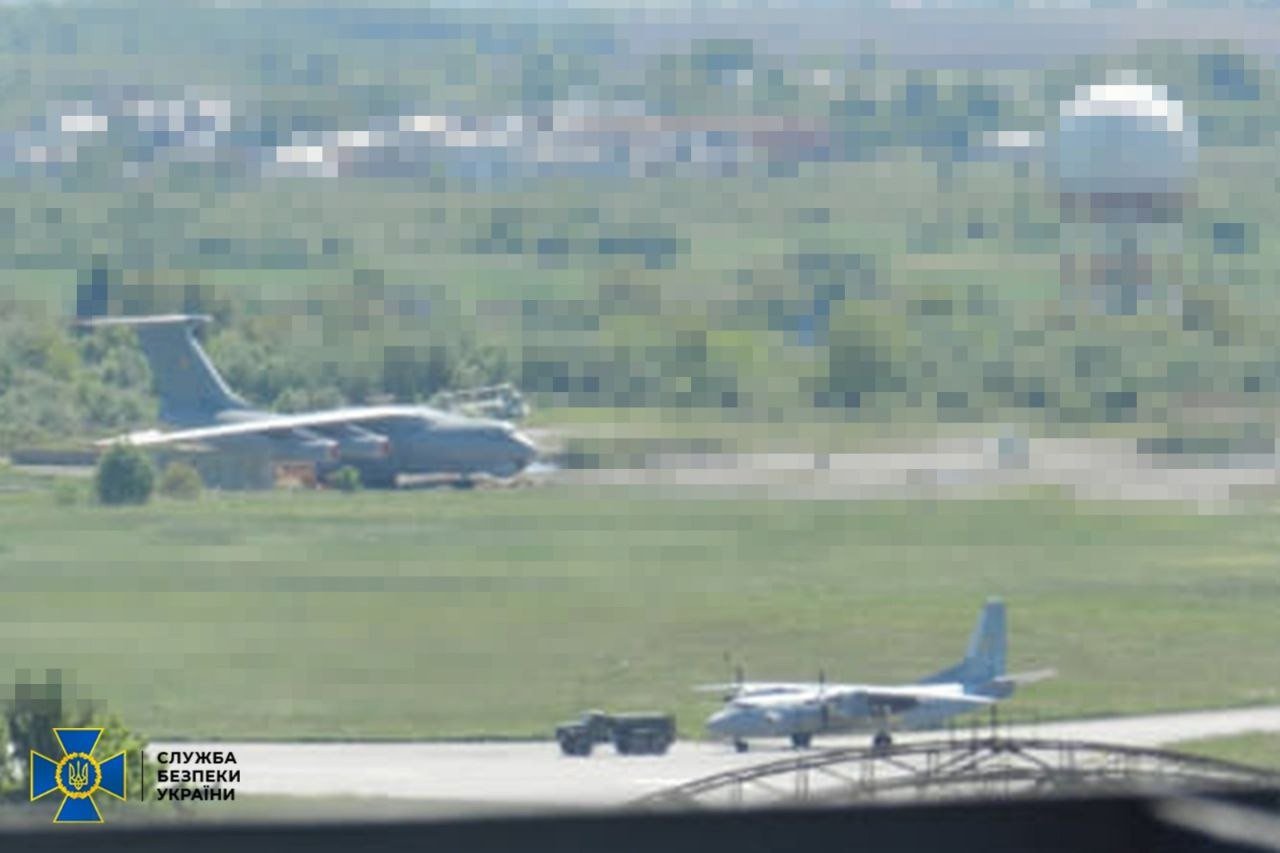
The alleged network consisted of 14 people living in different regions of Ukraine.
“Countering Russian intelligence services that seek to destabilize Ukraine from within is one of the SBU’s main priorities today. Anyone who agrees to work in Russia’s interests should understand: the SBU will inevitably hold you accountable,” Poklad said.
According to the investigation, Russia’s GRU initially recruited a resident of Lviv who administered a Telegram channel focused on military aviation.
‼️ SBU exposed the Russian military intelligence network GRU, which included 14 people who were “hunting” for F-16 and Mirage 2000
— MAKS 26 🇺🇦👀 (@Maks_NAFO_FELLA) August 13, 2026
They were supposed to photograph Ukrainian airfields, military aircraft, their crews and technical personnel, as well as record the time intervals… pic.twitter.com/RXCgtHdSC8
The man allegedly drew the attention of Russian intelligence after posting photographs of Ukrainian combat aircraft in pro-Kremlin online groups.
To carry out the assignments, the agent then involved 13 subscribers to his channel, reportedly without telling them that the information was ultimately being collected for Russian intelligence.
Many of those subscribers lived near Ukrainian military aviation facilities and owned professional or high-quality camera equipment.
They were allegedly instructed to photograph Ukrainian air bases, aircraft, crews, and technical personnel, as well as record the approximate timing of takeoffs and landings. The participants were told the material was being collected for the Lviv blogger’s aviation-focused Telegram channel.
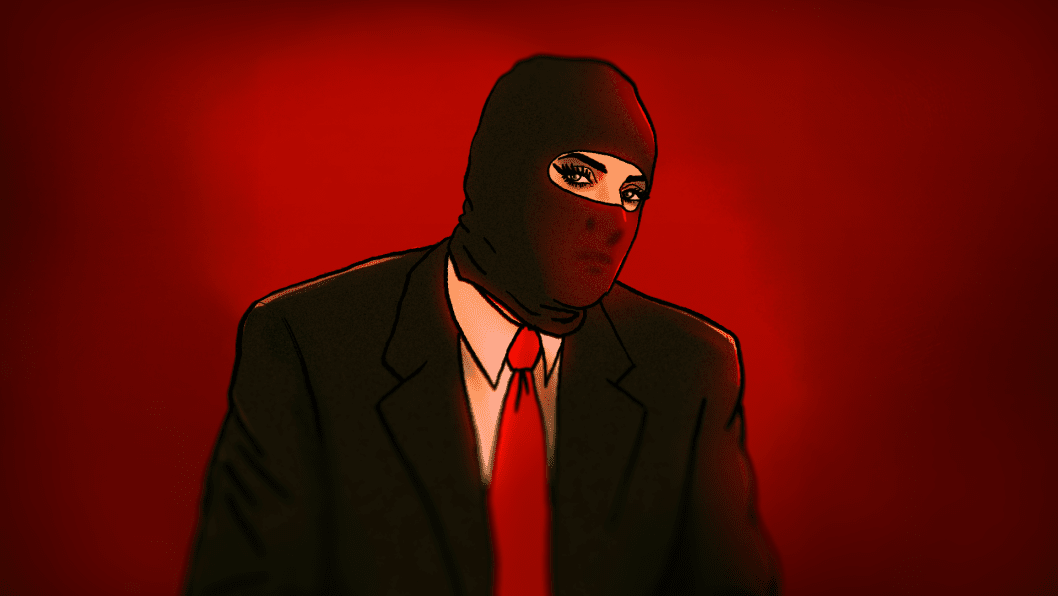
According to the SBU, some members of the group used professional cameras while hiding in abandoned buildings or positioning themselves in open areas near military airfields.
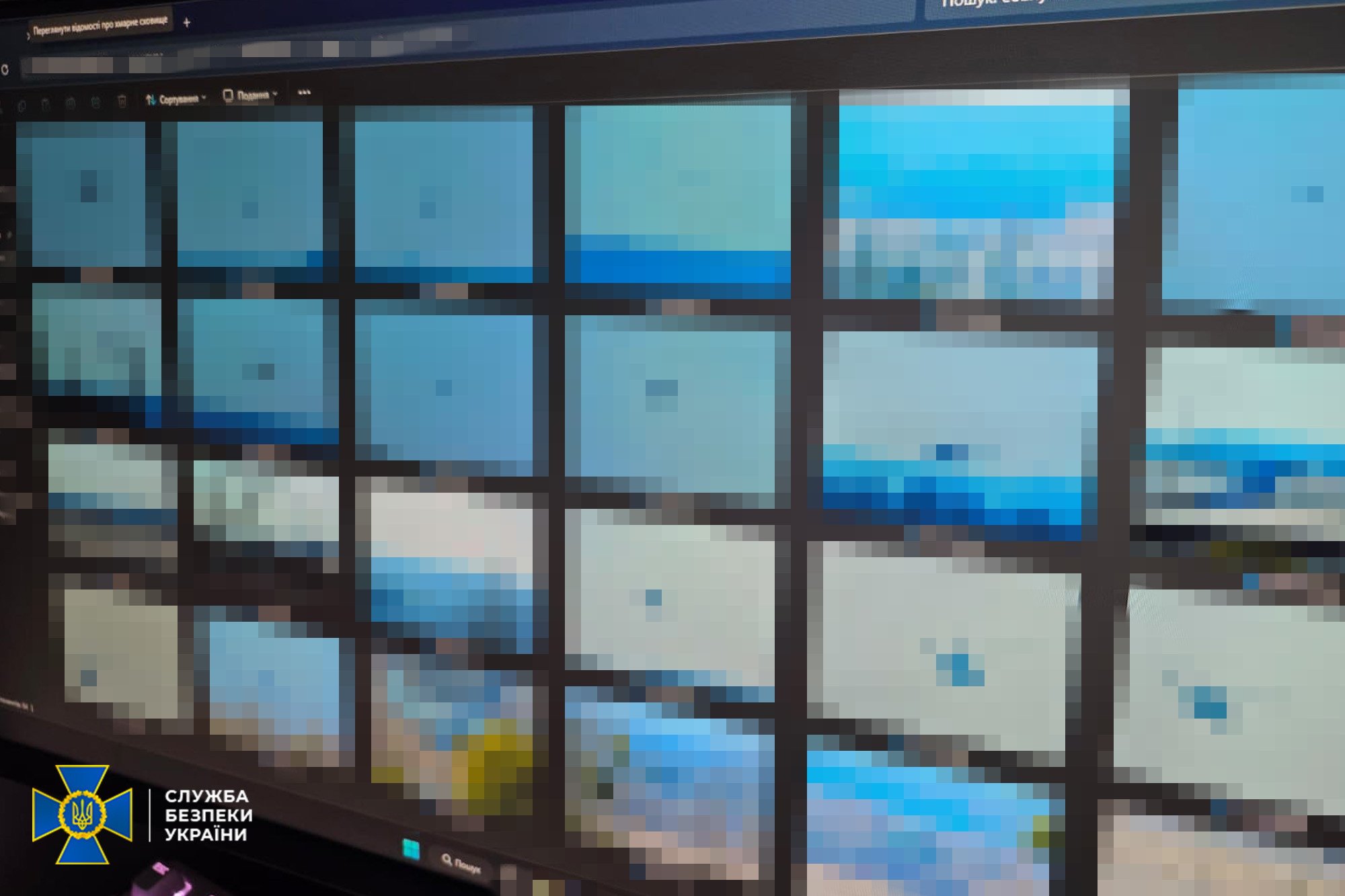
The photographs were then uploaded to an online storage service that the main agent had arranged access to in advance.
Investigators say he subsequently passed the material to a Russian handler whose identity has already been established by the SBU.
The suspected agent was also accused of providing Russia with flight schedules for Ukrainian combat helicopters.
According to the SBU, that information came from a Ukrainian Armed Forces aviation squadron commander who allegedly provided the data on his own initiative.
Such intelligence could have allowed Russian forces to build a more detailed picture of Ukrainian aviation activity, including when aircraft were present at particular bases and when flight operations were underway.
That information would be especially sensitive for Ukraine’s Western-supplied fighter fleet, including F-16s and Mirage 2000s, which Russia has repeatedly sought to locate and destroy on the ground.
During searches of the suspects’ homes, SBU officers said they recovered smartphones and digital photography equipment containing evidence of alleged cooperation with Russia, along with images of Ukrainian military aviation facilities.
The agency also blocked four Telegram channels and 10 specialized groups that had been used to distribute photographs and other information concerning Ukrainian aviation units.
Earlier, reports emerged that the Russian Orthodox Church (ROC) has systematically coordinated with Russia’s FSB security service to identify and punish priests who oppose the war against Ukraine.
Discuss this article:
-9a7b3a98ed5c506e0b77a6663f5727c5.png)

-c439b7bd9030ecf9d5a4287dc361ba31.jpg "Photo of Katherina Popilnichenko")
-72b63a4e0c8c475ad81fe3eed3f63729.jpeg "Photo of Cyril Barabaltchouk")