- Category
- War in Ukraine
“Significantly Less Than Needed”: Zelenskyy Reveals Ukraine’s 57% Interception Rate for Jet Drones
 Prefer U24 Media on Google
- Authors

-c439b7bd9030ecf9d5a4287dc361ba31.jpg "Photo of Katherina Popilnichenko")
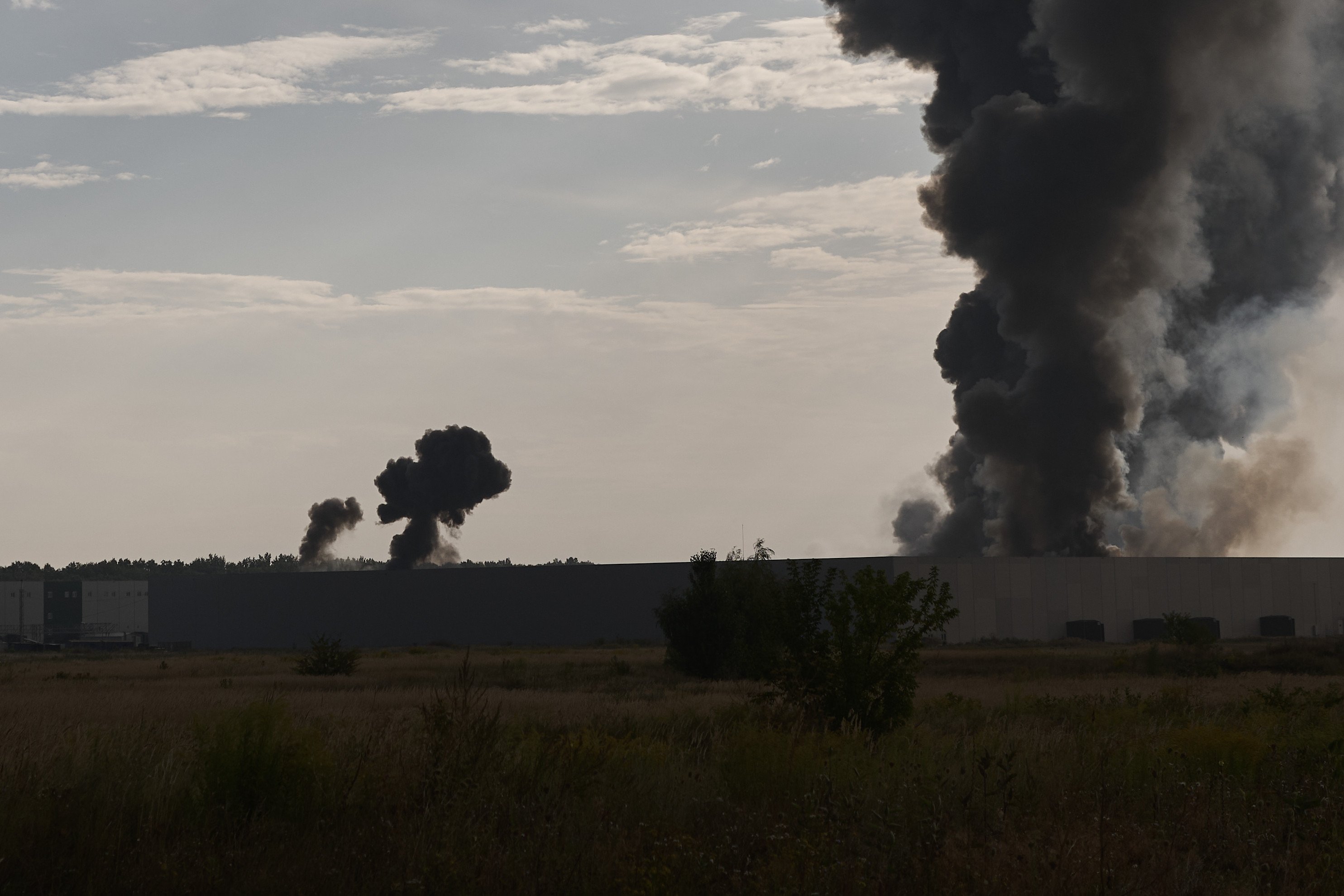
Ukrainian forces are currently intercepting 57% of the jet-powered drones launched as part of Russia’s full-scale invasion of Ukraine.
In his evening address on September 28, Ukrainian President Volodymyr Zelenskyy reported that the country’s overall drone interception rate stands at 70%, a figure that combines stats from both standard and jet-propelled unmanned aerial vehicles.
We bring you stories from the ground. Your support keeps our team in the field.
Addressing the lower interception numbers for jet-powered models, Zelenskyy noted that the success rate is "significantly lower than needed."
To address the gap, Ukrainian forces are actively testing new interceptor systems, with several combat units already deploying the technology in operations.
Developers are working to refine these defense platforms to boost efficiency and prepare the systems for scaled domestic production.
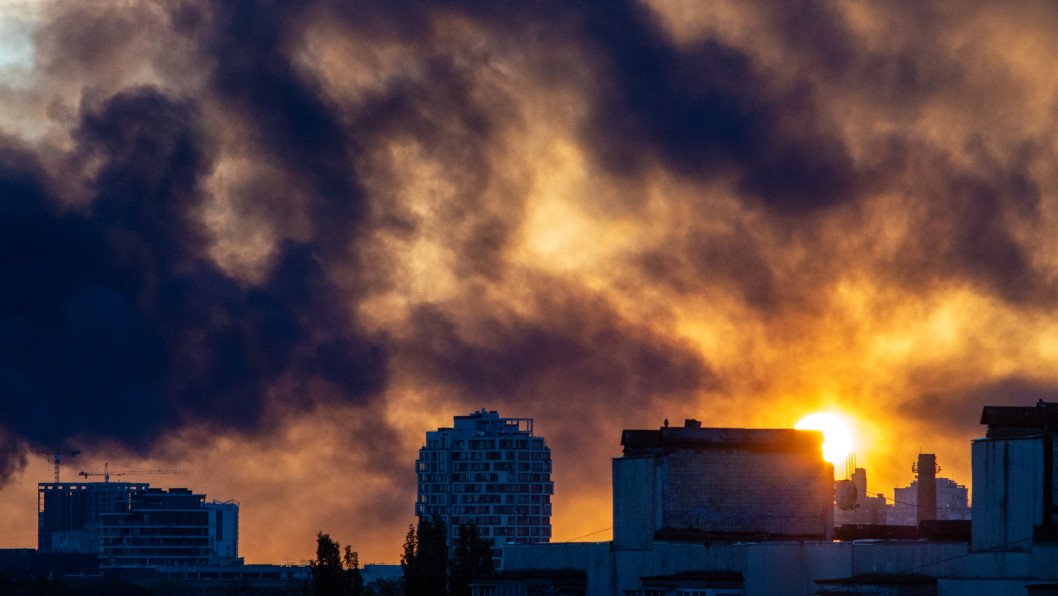
Previously, Ukraine’s efforts to manufacture Patriot air defense systems domestically faced resistance from US defense contractors Raytheon and Lockheed Martin.
While the companies officially cited concerns over intellectual property theft and technology security, a Republican congressional official disclosed that their primary fear was commercial—specifically, that Ukrainian manufacturers would streamline the system to produce it faster, better, and at a significantly lower cost.
This industrial friction unfolded as Ukraine faced severe interceptor shortages during intensified Russian missile strikes, leaving President Volodymyr Zelenskyy to pursue immediate missile deliveries alongside long-term domestic licensing agreements.
Discuss this article:



-72b63a4e0c8c475ad81fe3eed3f63729.jpeg "Photo of Cyril Barabaltchouk")

-111f0e5095e02c02446ffed57bfb0ab1.jpeg "Photo of Roman Kohanets")