- Category
- War in Ukraine
Spain and Greece Refuse to Give Ukraine Patriot Missiles Even as Their Shelf Life Runs Out
 Prefer U24 Media on Google
- Authors


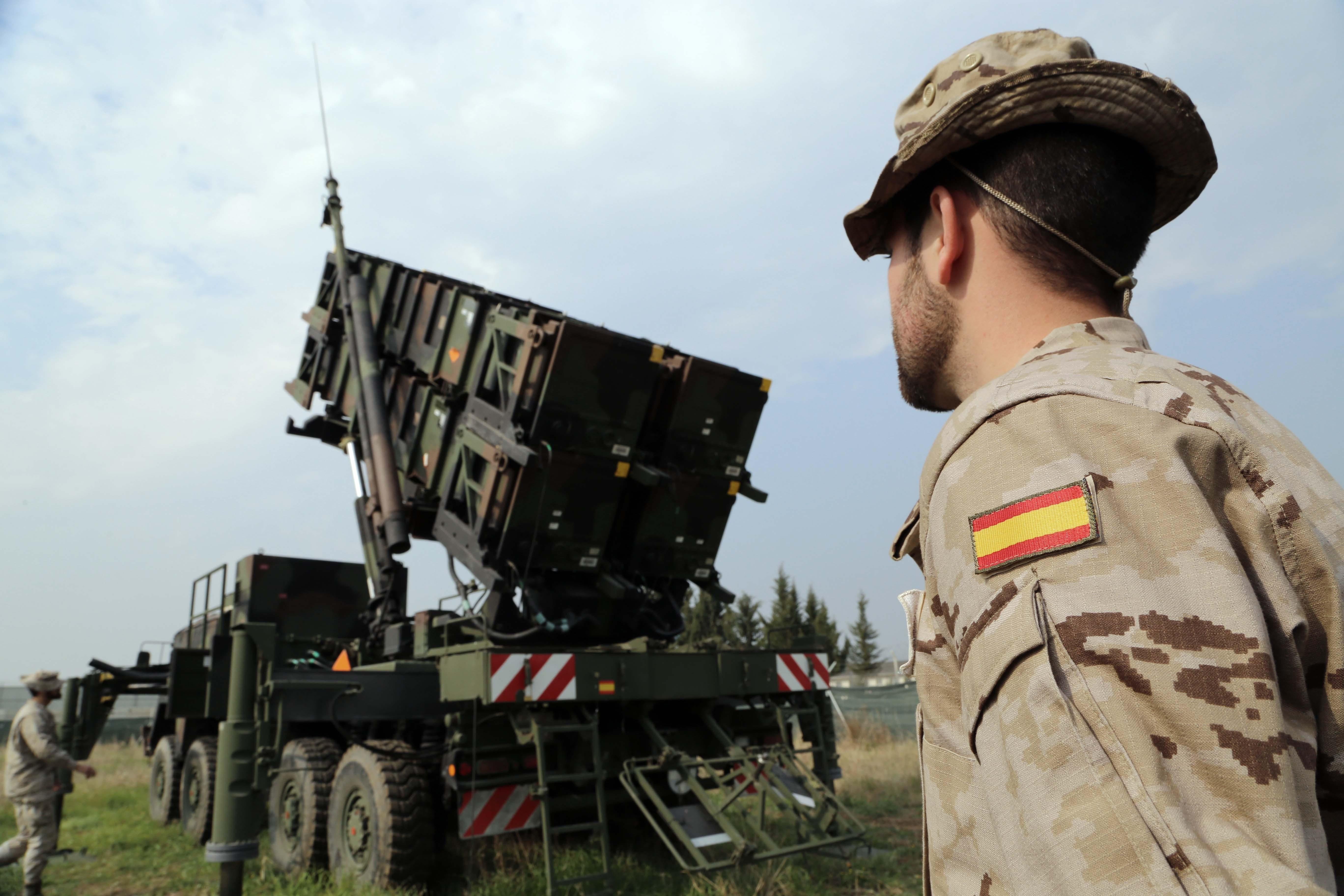
Spain and Greece have declined to transfer additional Patriot air defense missiles to Ukraine, despite holding stocks of interceptors approaching the end of their recommended service lives, as Kyiv seeks to strengthen its defenses against Russian missile attacks ahead of winter.
We bring you stories from the ground. Your support keeps our team in the field.
According to The Telegraph on October 9, NATO and European Union officials have been urging both countries to release older Patriot interceptors that could still be used by Ukrainian forces. Greece reportedly holds more than 200 PAC-2 missiles, while the size of Spain’s remaining stockpile is unclear.
The Greek missiles have reportedly been in service for approximately 23 years, approaching the end of their manufacturer-guaranteed operational lifespan. However, reaching that limit does not automatically make the interceptors unusable.
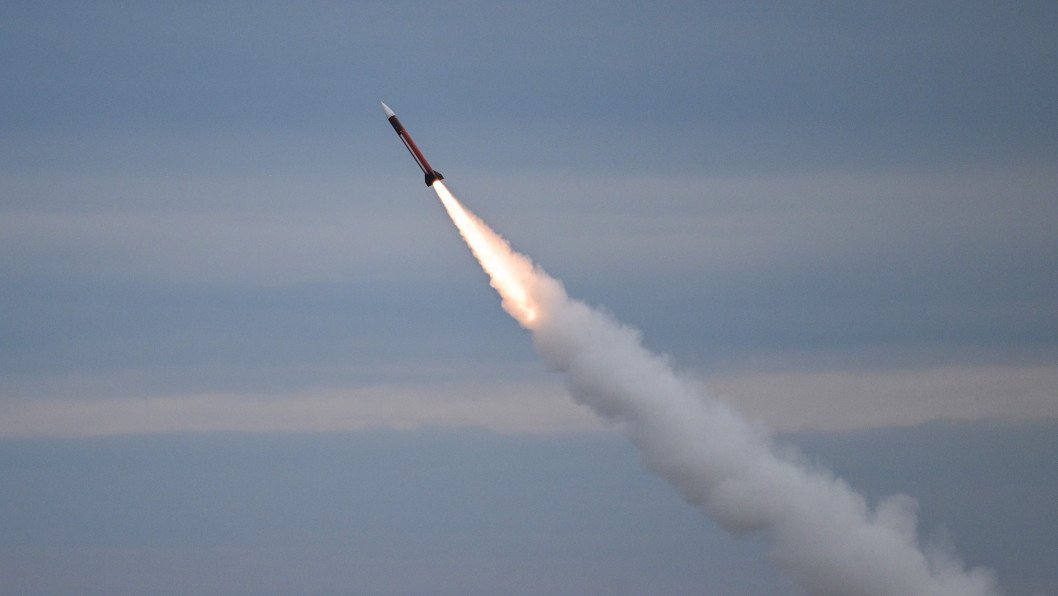
The PAC-2 is designed to engage aircraft and incoming missiles, making it a potential addition to Ukraine’s air defense capabilities as Russia continues targeting Ukrainian cities and critical infrastructure.
EU foreign policy chief Kaja Kallas raised the issue in September during a visit to Ireland, calling on European countries to make aging interceptors available to Ukraine rather than retain them until their service lives expire.
Spain has already provided limited assistance, announcing the transfer of five Patriot missiles last month. However, Madrid has not agreed to release larger quantities, while Athens has resisted requests to supply its existing stockpile, The Telegraph reported.
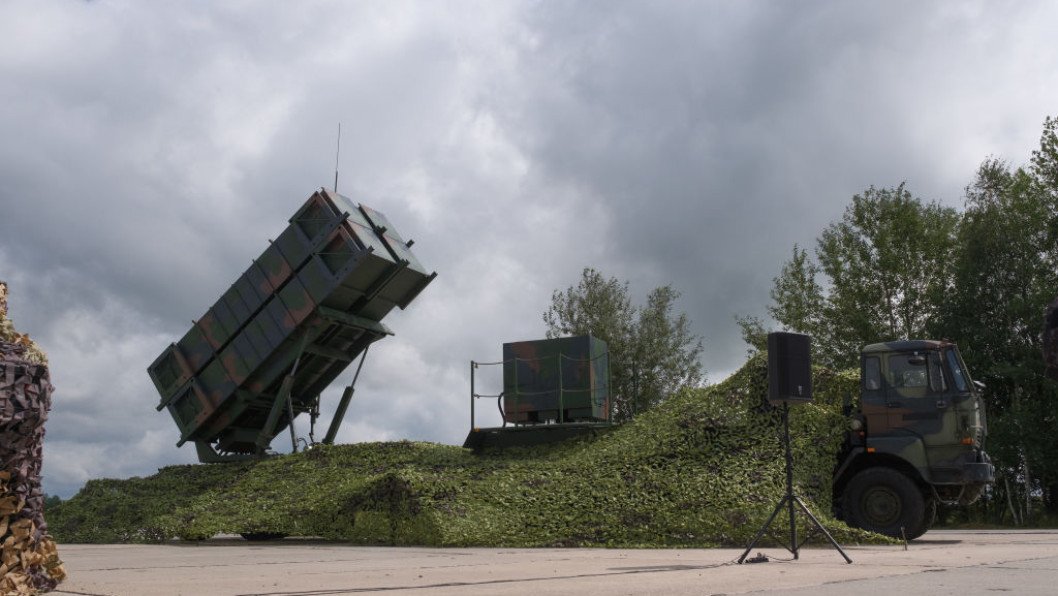
The debate comes as Ukraine prepares for another winter of Russian aerial attacks. Ukrainian officials have warned that the country needs at least 300 Patriot interceptors to maintain its defenses against incoming ballistic missiles.
President Volodymyr Zelenskyy previously said Ukraine was securing additional missiles in extremely small quantities, sometimes receiving only one or two interceptors from individual partners. He emphasized that the United States remains the only country capable of supplying the weapons on a substantially larger scale.
Discuss this article: