- Category
- War in Ukraine
Top 10 Facts About the Azov Brigade That May Surprise You
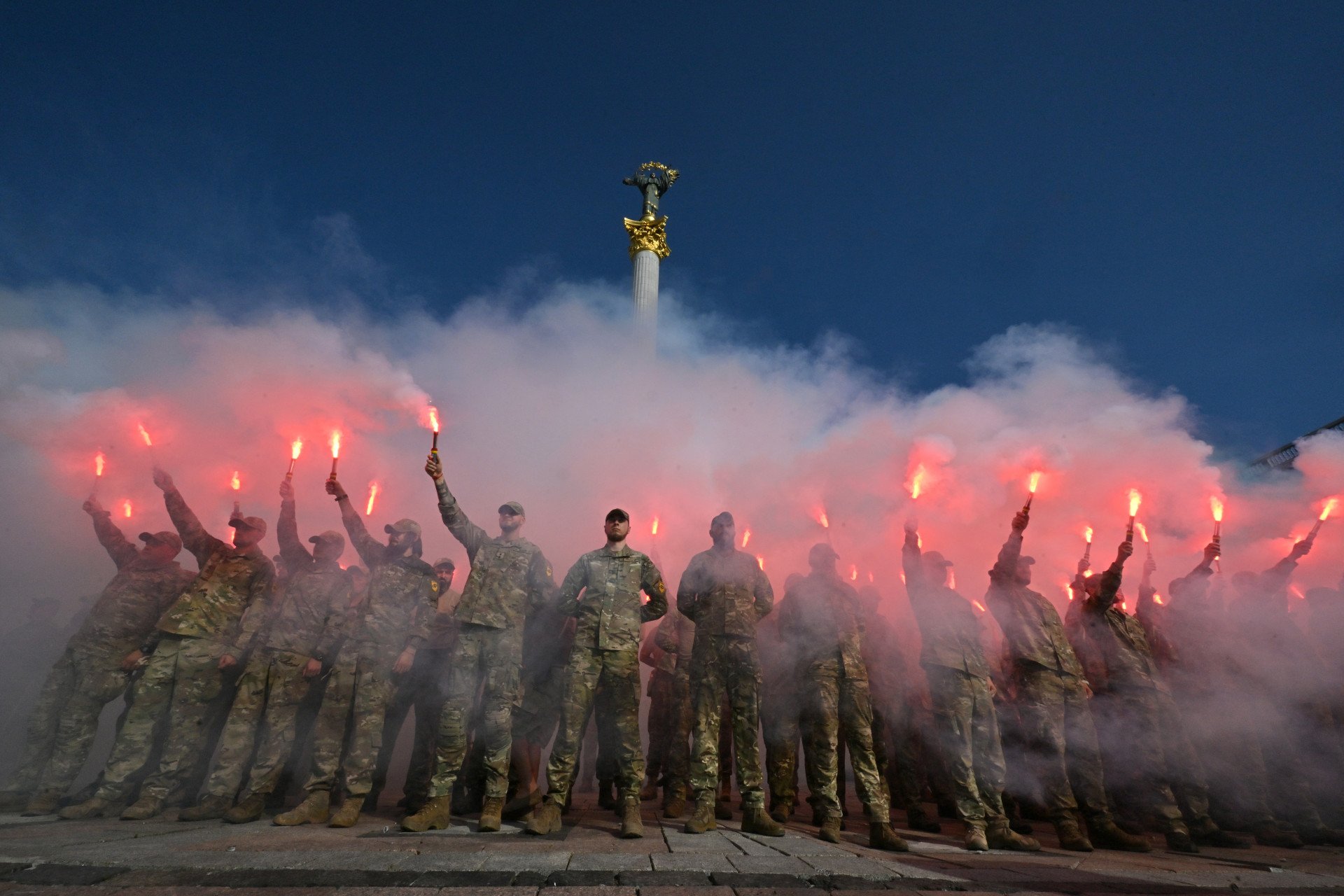
“Azov” is one of Ukraine’s most well-known military units. Today marks its 12th anniversary. But behind the name lies more than just the heroic defense of Mariupol under complete encirclement or successful operations. It is a story of constant transformation, military innovation, and tangible battlefield results. Here are ten facts that help explain why “Azov” is more than just a unit.
 Prefer U24 Media on Google
- Authors


Dozens of volunteers
In May 2014, “Azov” began as a small volunteer formation—just a few dozen people with no systematic combat experience who set out to stop pro-Russian proxy forces from seizing eastern Ukraine. Within a few months, the unit grew into a regiment and later became an official part of Ukraine’s National Guard.
In 2023, after Russia’s full-scale invasion, “Azov” was expanded into a brigade—meaning a formation of several thousand fighters. By 2025, an entire corps had been formed on its basis—an operational-tactical grouping made up of several brigades.
Moreover, Ukraine’s famous Third Army Corps was founded by those who served in the Azov.
Liberating Mariupol back in 2014
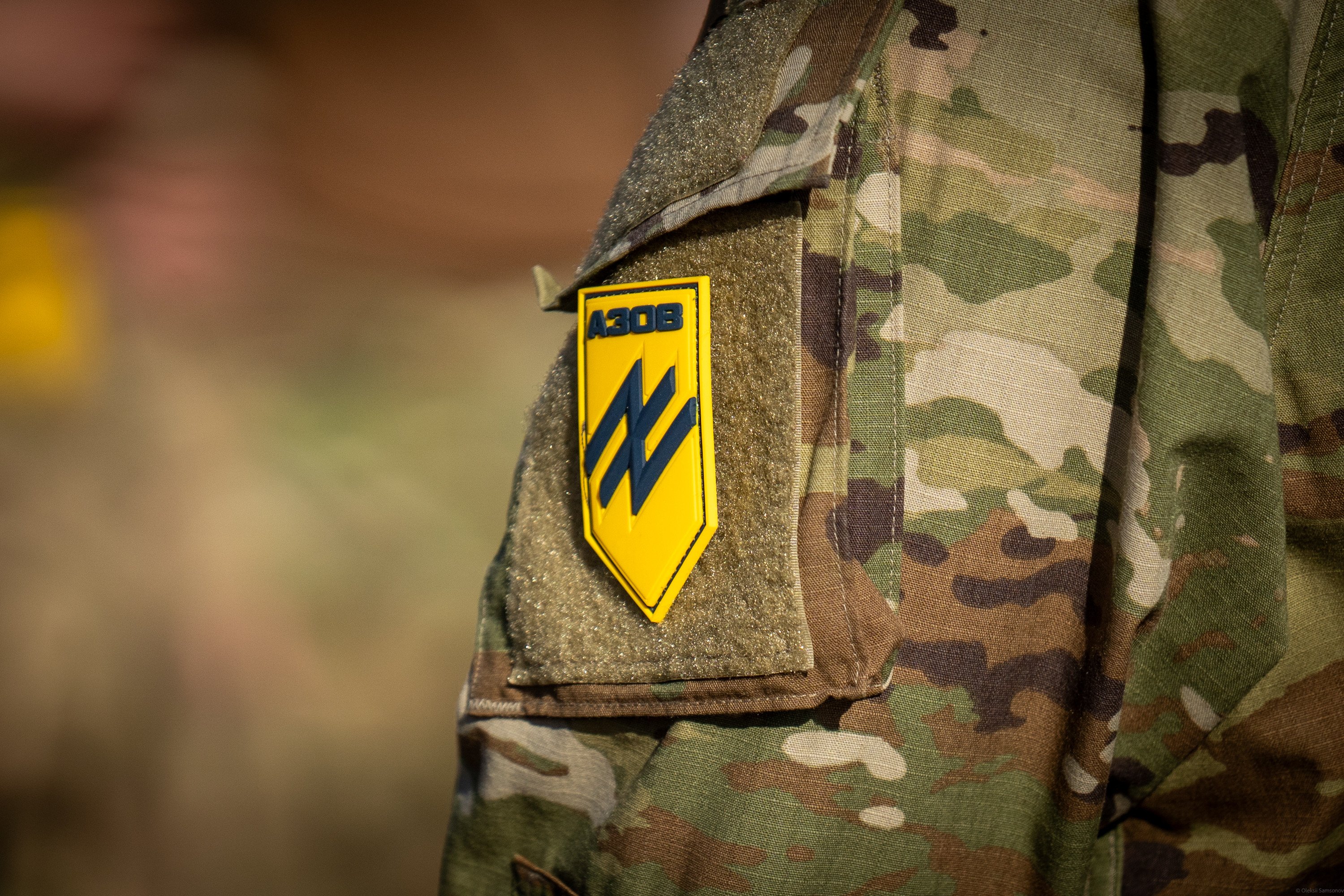
Before Azovstal, there was another Mariupol. On June 13, 2014, “Azov” played a key role in liberating the city from Russian-backed forces. This was effectively one of Ukraine’s first major victories in the early phase of Russia’s war against Ukraine.
The operation was swift and effective: Azov fighters, together with other units, attacked fortified positions in the city center, including the local police headquarters, which had become the enemy stronghold. Within hours, the Ukrainian flag was raised over Mariupol again.
Importantly, the city was retaken without prolonged fighting or extensive destruction, which became a clear example of an effective urban assault.
Victory over Russian propaganda
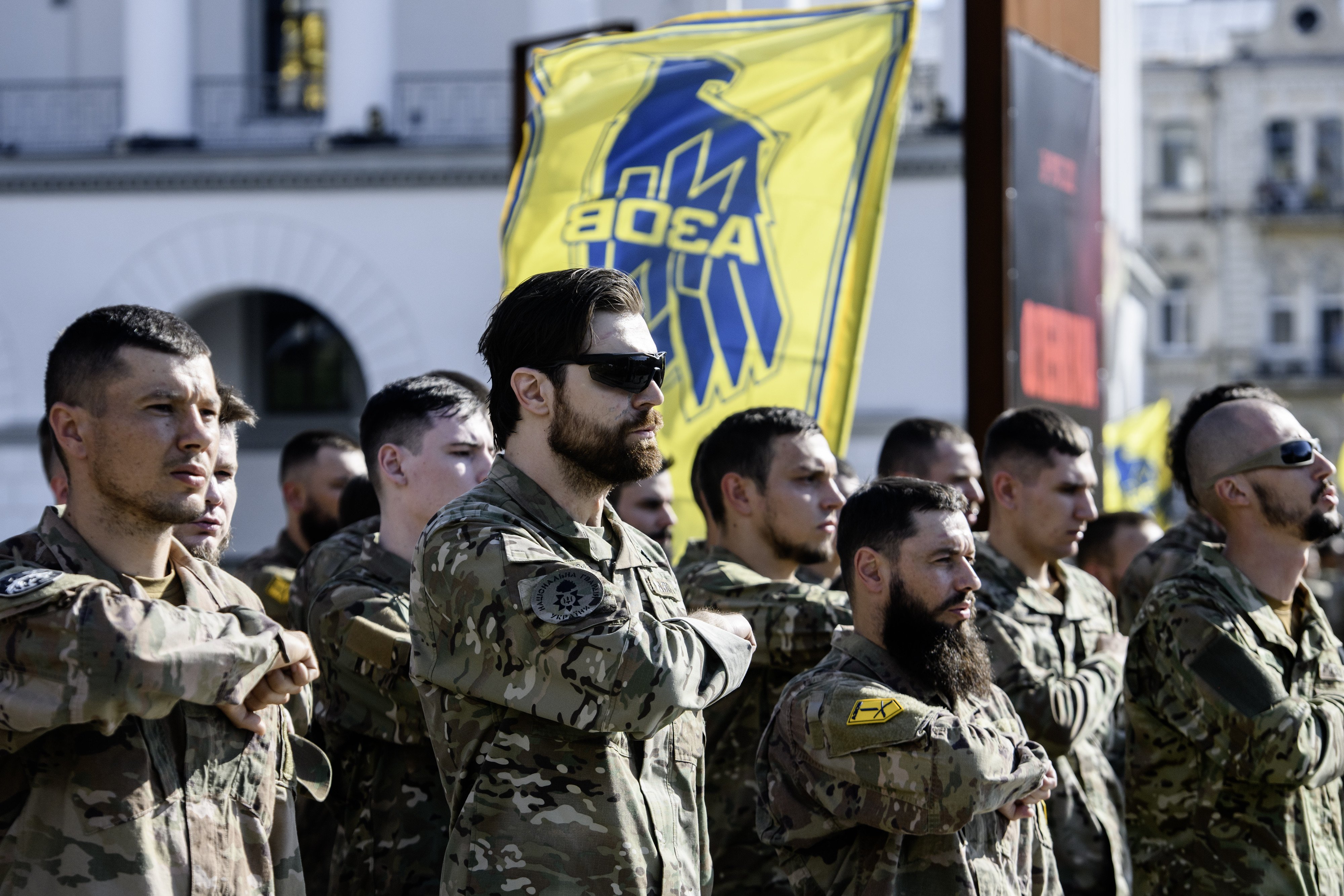
For years, Russian propaganda spent millions of dollars attempting to discredit the unit globally. One outcome was a US ban on supplying Western weapons to “Azov.” But in June 2024, that changed. The US State Department conducted a thorough review and found no evidence of human rights violations or alleged ties to Nazi ideology. The ban was lifted.
Now, Azov fighters officially use Western weapons, effectively dismantling one of the Kremlin’s central narratives and dealing a blow to a years-long information campaign.
The 2022 defense of Mariupol
In 2022, these fighters were among the last defenders of Mariupol. Eighty-six days of resistance, with the final stronghold under complete encirclement at the Azovstal steel plant. It was then that the name “Azov” began appearing in global media on a daily basis. The unit became a symbol not only of Ukrainian resistance but of resilience and courage itself.
During the siege, the Ukrainian command carried out a series of highly complex and near-suicidal helicopter missions into the fully encircled city. Pilots delivered ammunition and medical supplies and evacuated the wounded. Volunteers from Azov also flew in to reinforce their comrades, even knowing the chances of returning were minimal.
These missions became one of the defining episodes of the war—a demonstration of Ukraine’s determination to support Azov fighters to the very end, as they came to be seen as modern-day “300 Spartans.”
Returning to the fight
In total, about 2,500 soldiers from various units were taken prisoner at Azovstal, around 1,400 of them from Azov. Their return remains a priority for the Ukrainian state. On September 21, 2022, 108 fighters—including commanders—were freed in the first exchange.
In July 2023, unit commander Denys “Redis” Prokopenko returned to Ukraine. “We will still have our say on the battlefield,” he said at the time. After recovery, most fighters indeed returned to combat duties.
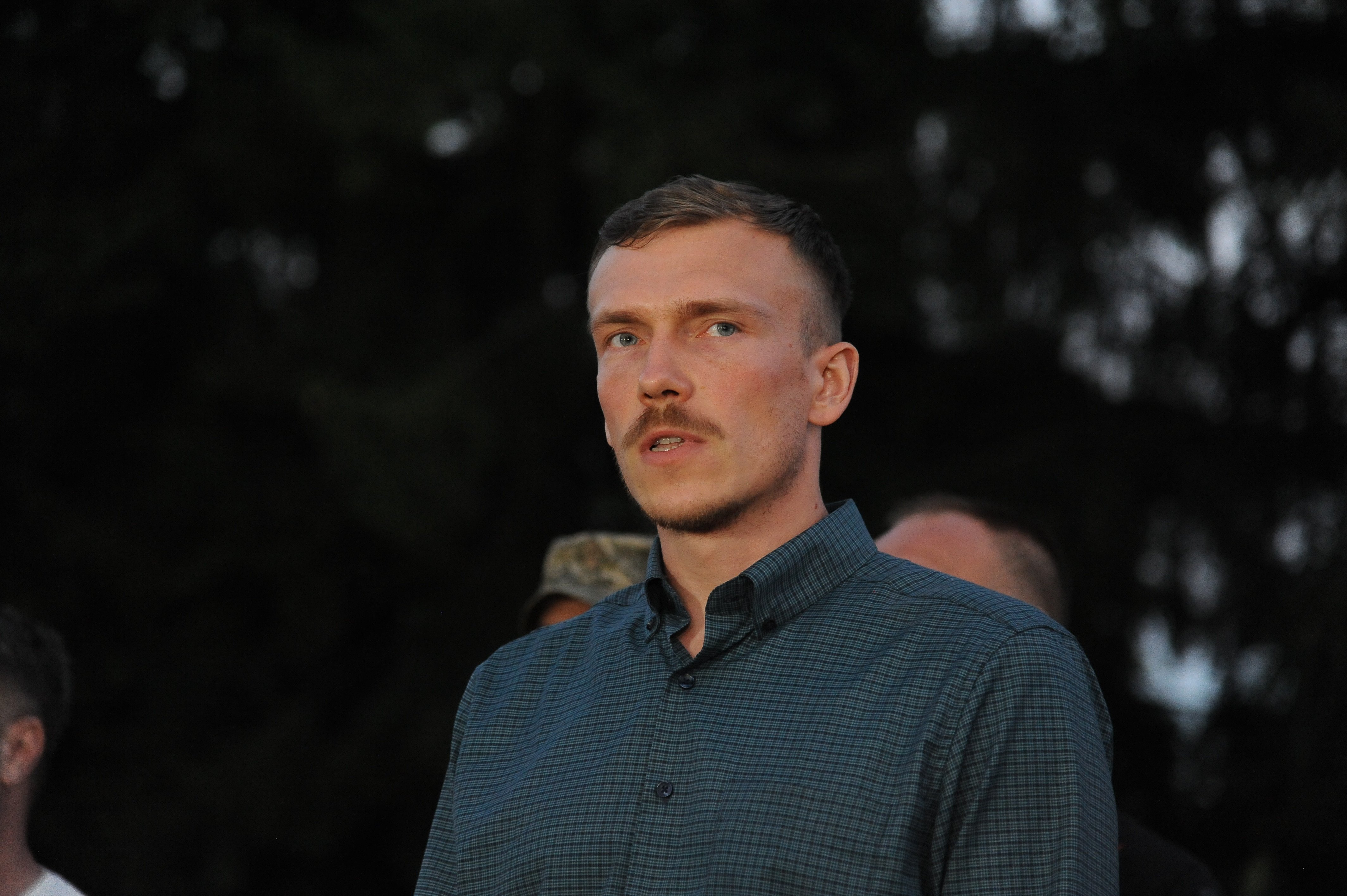
At the same time, hundreds of Azovstal defenders are still awaiting their return. Ukraine continues to fight for them.
A modern unit
As early as 2015–2018, “Azov” began developing a systematic approach to unit-level warfare. It developed its own model across all areas: personnel selection, training, command, and tactical medicine.
This was a practical implementation of NATO standards in real battlefield conditions. Azov introduced NCO schools, its own training programs, and structured combat coordination. Soldiers were selected for specific roles based on their skills. Over time, this logic—specialization, responsibility, and continuous training—became standard across Ukraine’s Defense Forces.
In 2023, the unit relaunched recruitment as a full-fledged structure. Instead of chaotic intake, it implemented structured roles, task-based selection, and mission-specific training. This transformed Azov into not just a combat unit but a self-replicating system capable of scaling without losing quality.
This approach also works internationally. Volunteers from different countries serve in Azov’s International Battalion. For example, this winter, they captured 18 Russian soldiers in a single day during a clearing operation in Zolotyi Kolodiaz, a village in the Donetsk region.
All types of weapons
Modern “Azov” is far more than assault infantry. It operates across the full spectrum of combat capabilities: tanks, artillery, unmanned systems, intelligence, logistics, and medicine. It is an autonomous combat system capable of planning and executing operations comprehensively.
But the essence lies not just in the weapons, but in how they are used. Azov is among the units shaping new battlefield tactics: mass use of FPV drones, data analytics, real-time integration of intelligence and strike systems, and innovative battlefield medicine.
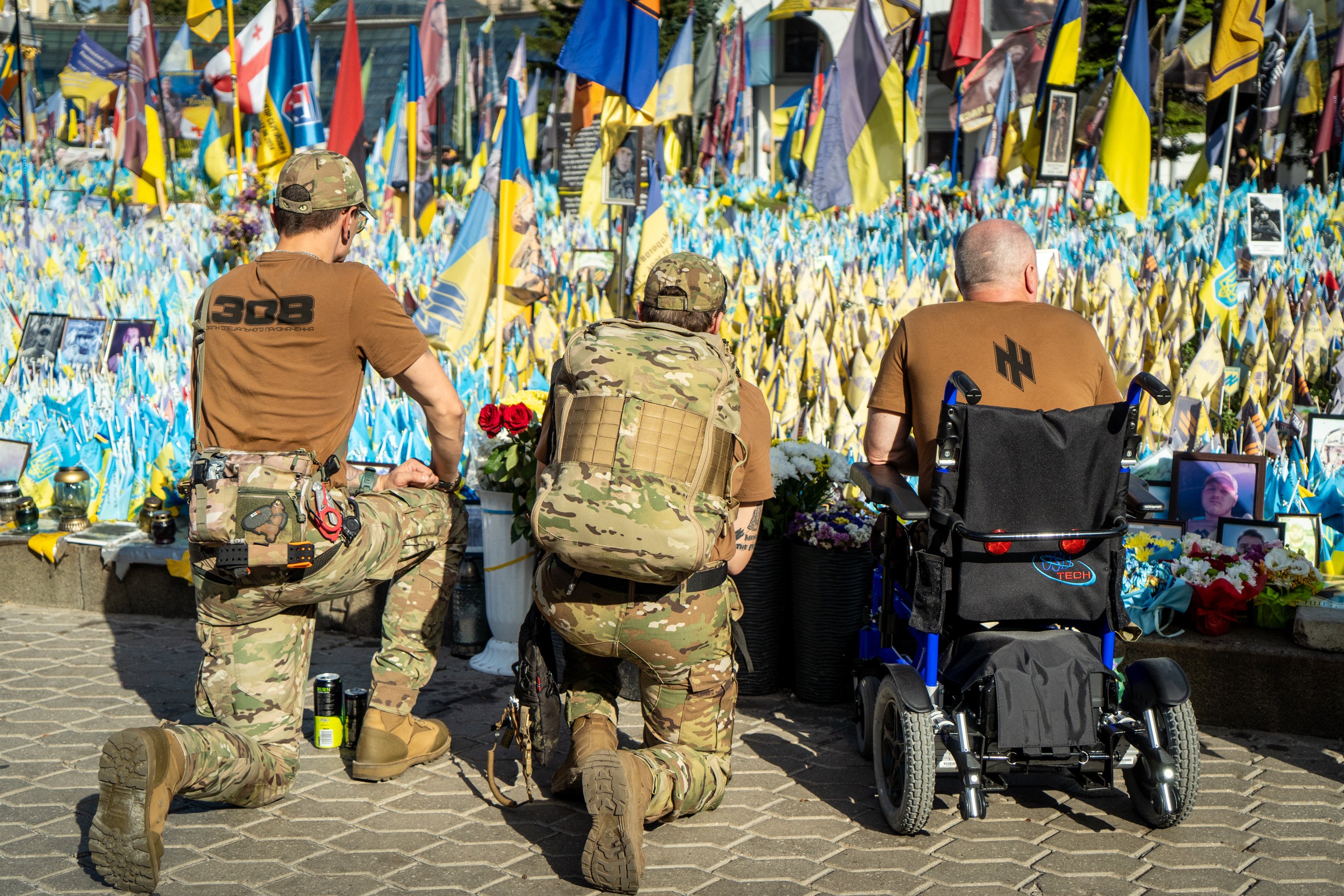
One example highlights this adaptability. In winter 2025, under heavy fire when evacuation was impossible, a medic with the callsign “Sprite” organized a unique operation: a drone delivered a container of donor blood directly to the position. Under remote medical guidance, a transfusion was performed in a trench under fire. The soldier’s life was saved, and the method later became a prototype for a broader frontline practice.
This is what modern warfare looks like—technology, tactics, and on-the-ground decisions working as one system.
Not just defense
In 2023, “Azov” took up defensive positions in the Serebryansky forest—one of the most difficult sectors in eastern Ukraine. As a result, Russian advances were halted. By mid-2024, the fighters had counterattacked and regained part of the territory.
This was not static defense but a continuous effort to wear down the Russian forces. Azov systematically built tactics around small units, combining infantry, reconnaissance, and drones. This is the unit’s hallmark style: holding positions while constantly seeking to seize the initiative.
Always at the hottest frontlines
“Azov” is always where the fighting is toughest. The unit has fought near Terny in the Kreminna direction, in the Toretsk sector (the Donetsk region) and has stabilized situations after Russia’s breakthroughs elsewhere. It is deployed where maximum resilience—and effectiveness—is required.
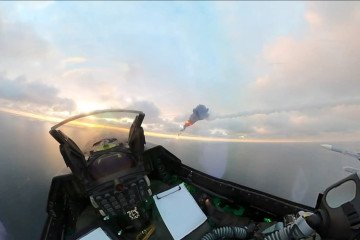
The TOS-1A ‘Solntsepyok’ heavy thermobaric rocket system, one of Russia’s most feared weapons, can incinerate everything across an area the size of a large shopping mall or park in a single volley. Yet in early 2024, near Terny, an Azov FPV drone operator with the callsign “Zero” destroyed two of these systems.
In April of that year, Russian forces deployed a top-tier T-72B3M tank in an assault near Terny. Azov fighters repelled the attack, leaving the tank in the gray zone. What followed was a bold operation: under fire, soldiers carried 70-kilogram batteries on foot for over a kilometer to restart the tank right under Russia’s nose. Eventually, the tank drove itself to Ukrainian positions—and now fights against its former owners.
Patronage service
“Azov” maintains a powerful support system for its fighters. Its patronage service accompanies wounded soldiers from the operating table through rehabilitation. Every fighter knows that a large support network stands behind them, fighting just as fiercely for their recovery as they do for Ukraine.
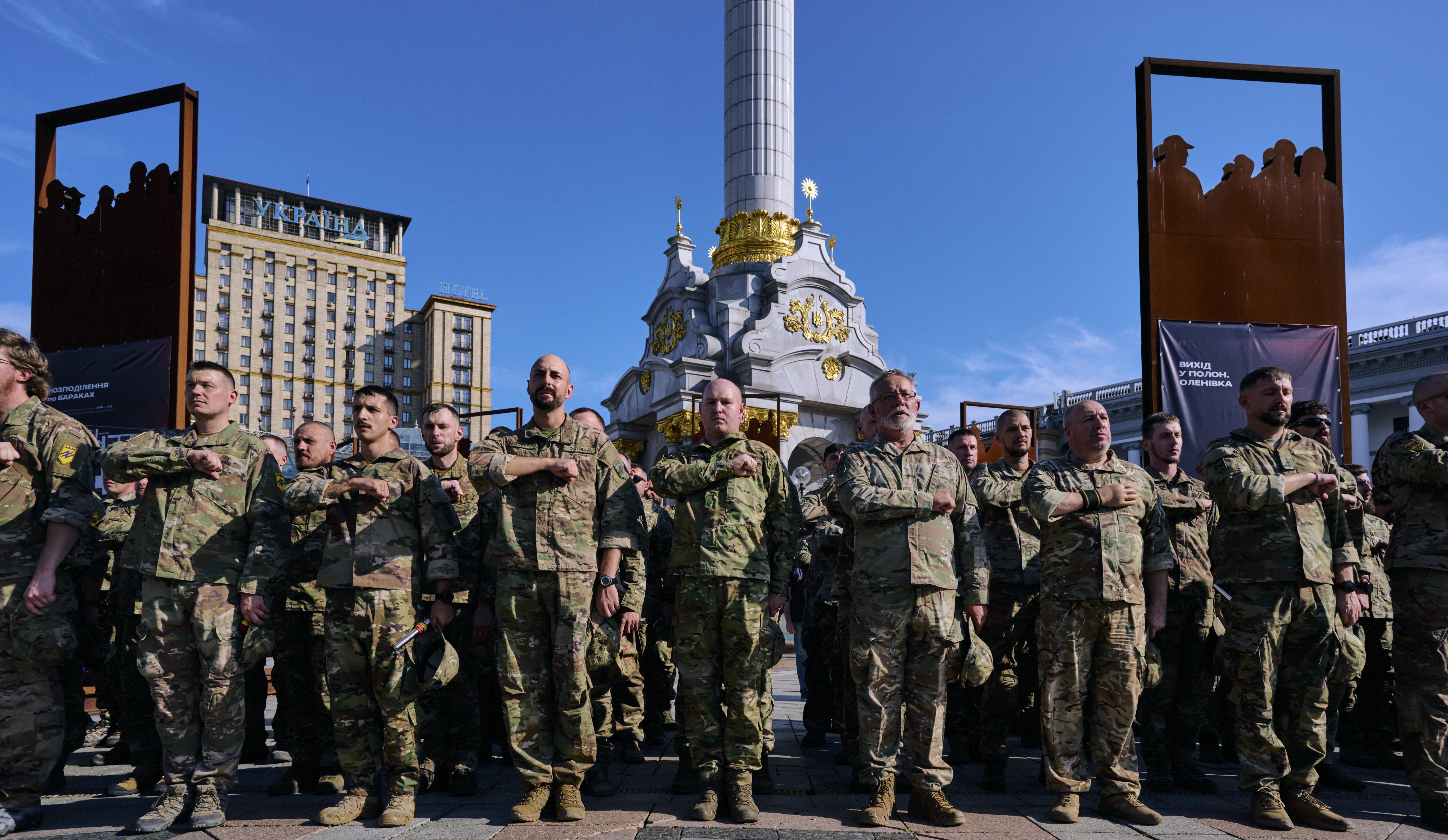
In essence, it is a full ecosystem: coordinating treatment in leading clinics in Ukraine and abroad, organizing complex surgeries, prosthetics, and rehabilitation. It goes beyond physical recovery—fighters receive psychological support, family assistance, and help with education and employment after injury.
The story of “Azov” is not just the combat history of a single unit. It is the story of how a volunteer movement becomes a professional army, how chaos becomes a system, and how a group of motivated fighters becomes a model.
Today, “Azov” continues its path—naturally, on one of the most difficult fronts, the Dobropillia direction in the Donetsk region. As their motto says:
“Fire melts metal into steel. Struggle melts a people into a nation.”
Discuss this article: