- Category
- War in Ukraine
Ukraine’s Azovstal Defender Saves Lives as Russia Strikes Lviv
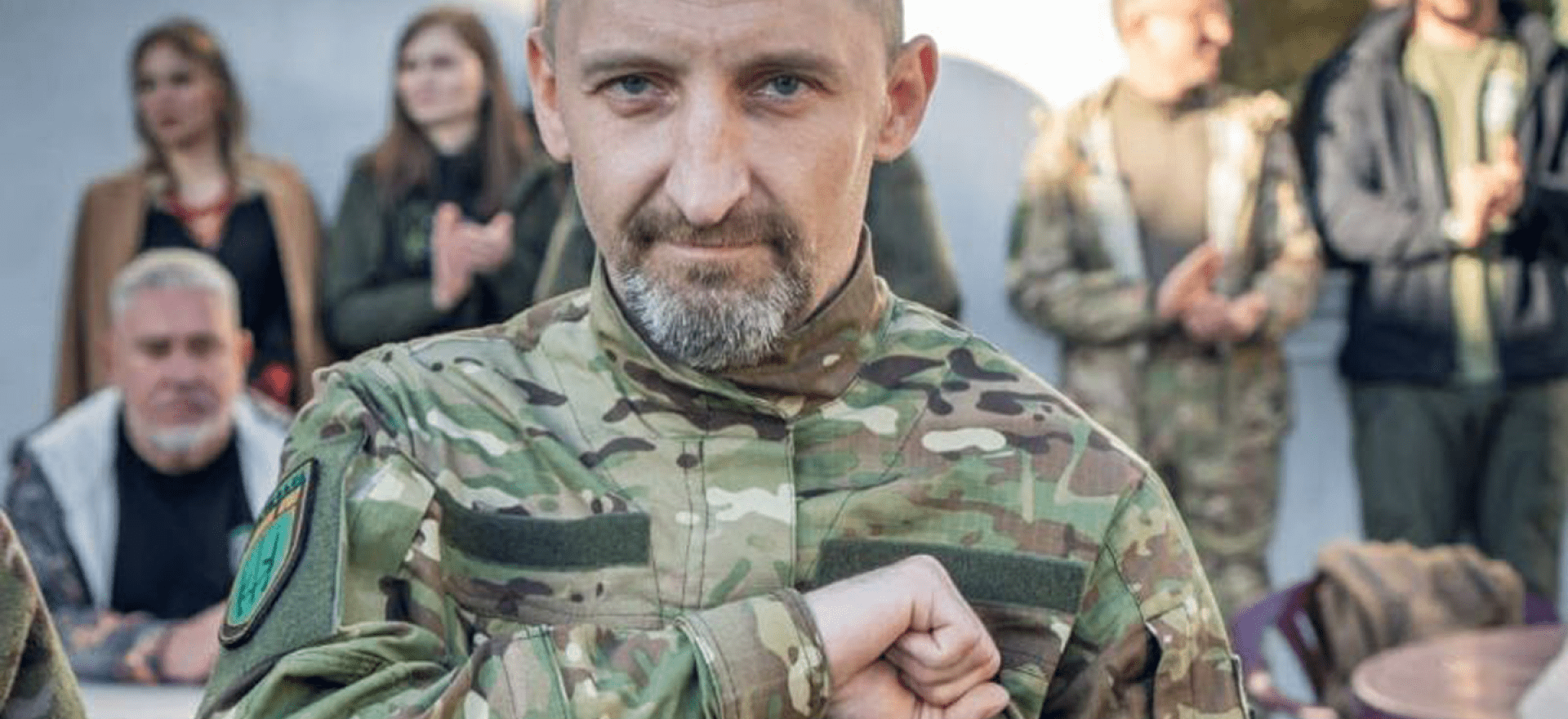
Carrying the scars of years in Russian captivity and a bullet lodged in his heart, combat medic “Bizon” saved civilians during Russia’s recent drone attack on Lviv. This is his story.
 Prefer U24 Media on Google
- Authors

-46f6afa2f66d31ff3df8ea1a8f5524ec.jpg "Photo of Jess Daly")
Russian forces launched 982 drones, cruise missiles, and ballistic missiles at Ukraine in less than 24 hours between March 23 and 24, 2026, marking the largest air attack on Ukraine since the full-scale invasion began.
Several people were killed, and dozens were wounded across multiple cities, with central Lviv among the primary targets. At least 32 residents were reported injured in the city alone. Russia damaged the 17th-century Bernardine Monastery, a UNESCO World Heritage site, and hit residential buildings. In the Sykhiv district, a high-rise caught fire, trapping residents inside.
🚨 BREAKING: Footage shows a Russian drone hitting historic buildings and a church in central Lviv, including UNESCO World Heritage sites.
— UNITED24 Media (@United24media) March 24, 2026
Emergency crews are on the scene as officials race to assess casualties. pic.twitter.com/nE7ZS7yYmh
Near the Sykhiv high-rise residential building was a combat medic from the Hospitallers Medical Battalion, call-sign “Bizon,” alongside his childhood friend and a HUR veteran. Together with police and other soldiers, they rushed to evacuate civilians and provide urgent care.
I prayed to God that there wouldn’t be any injured children.
Bizon
Combat Medic, Hospitallers Battalion
A man sustained a shrapnel wound to the chest, and a woman had shrapnel torn through her arm, mostly from broken glass and concrete fragments. Bizon and his friend transported the man to the hospital, then returned to the building, but as they re-entered, a drone struck the upper floors, ricocheted, and its burning debris landed just in front of their vehicle.
“The last time I provided medical care was back at Azovstal in 2022,” Bizon told us. “The last medical training I underwent was in 2021. I was a little afraid I might have forgotten the protocol, but my hands remembered it all.”
Thankfully, Bizon says, there were no seriously wounded people at the scene.
Witnessing Mariupol’s deadly siege
Bizon is a defender of Azovstal —one of those who endured the unthinkable. He was never meant to live this long—born with a heart defect that should have killed him as a child. Instead, he survived, saving countless others while enduring shelling, torture, and even a Russian bullet to his heart.
Bizon spent 3 years, 3 months, and 3 days in Russian captivity. When he was finally freed, he weighed just 42 kilograms—a stark measure of what he had been forced to endure.
His story didn’t begin there.
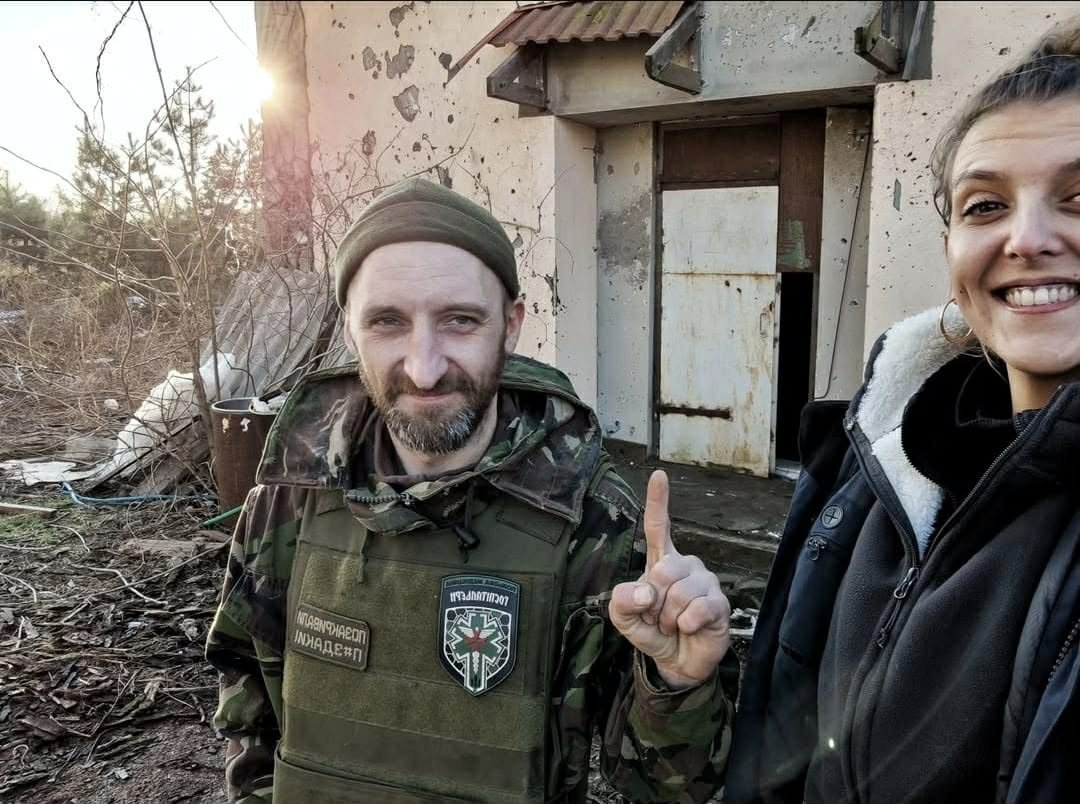
In November 2013, Berkut forces stormed Independence Square, beating students with batons as they protested the Yanukovych regime. Ukraine's Revolution of Dignity became a turning point for Bizon. From then on, he threw himself into supporting Ukrainian youth, aiding the families of the Heroes of the Heavenly Hundred , and even closed his construction company to dedicate himself fully to Ukraine’s cause.
In 2018, he joined the Hospitallers Medical Battalion, becoming part of a lifeline that ran along Ukraine’s front lines—evacuating the wounded, working under constant threat, the sound of incoming fire never far behind.
In January 2022, just weeks before the full-scale invasion, a UNITED24 Media reporter was embedded with his unit in the village of Vodiane, near Mariupol—then considered one of the hottest positions on the entire frontline. A full-scale war is coming, he warned, as more Russian troops were rotating to frontline positions.
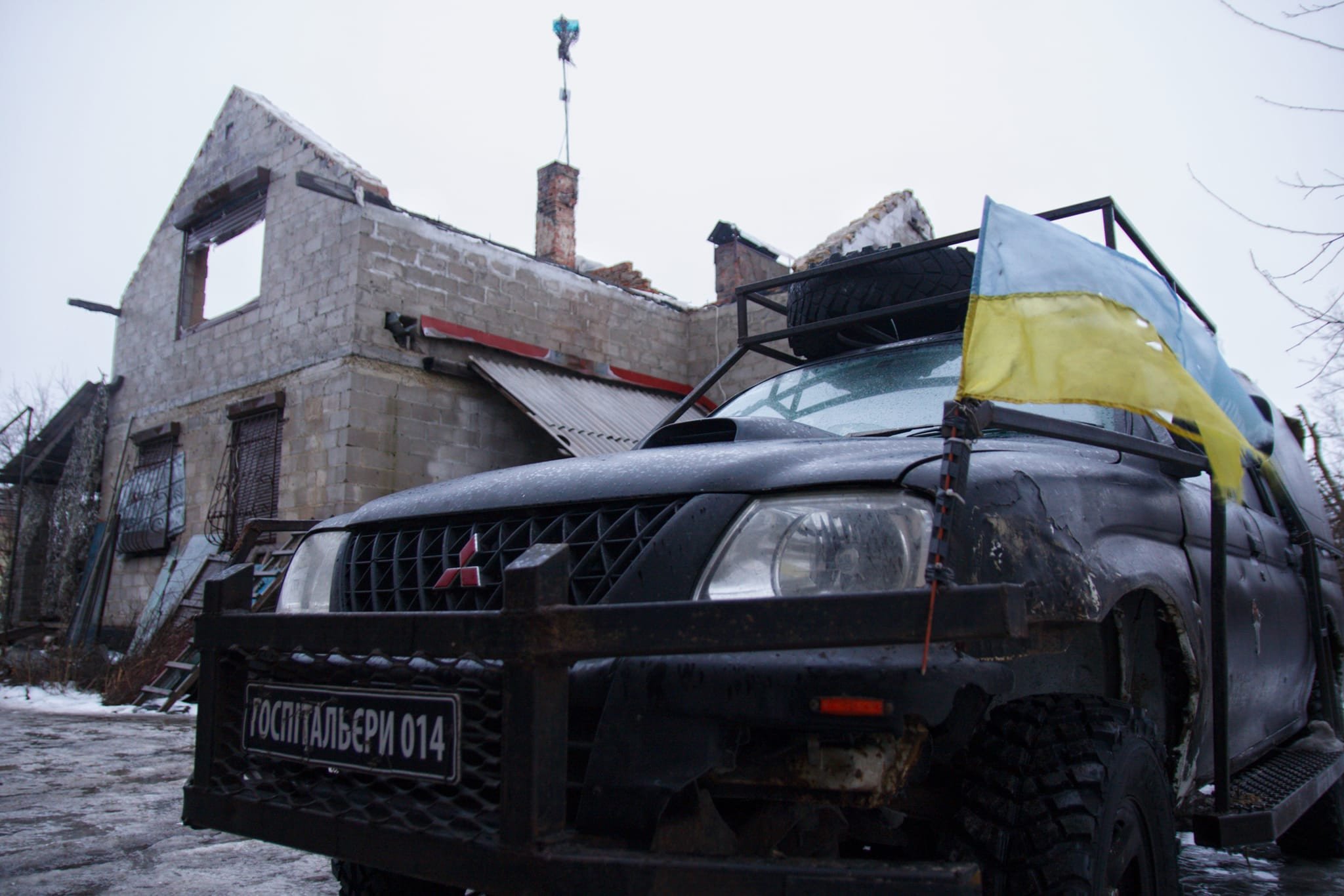
“Over there,” Bizon whispered, pointing towards Russian positions. “We’re directly in their line of sight right now. If we listen carefully, we can hear them talking. If the wind blows in our direction, we can smell their cigarettes.”
Just a day before the full-scale invasion, the last message we received from the team read: “They’ve hit us with Su-300s, it’s getting more intense.”
Then, Russia launched its full-scale invasion. Bizon and his team were supporting civilians in Mariupol as the siege began, alongside other Ukrainian units at the city’s maternity hospital. He gathered what spare medical supplies he could find—desperately needed by the women and children sheltering inside the drama theatre.
On March 15, 2022, Bizon delivered those supplies to a woman in labour at the theatre. The next day, Russian aircraft dropped two 500kg bombs on the building, killing at least 600 people, women, and children who were sheltering there in one of Russia’s deadliest attacks since the full-scale invasion.
The faces of those buried beneath the rubble have never left him.
Through bullets and blood: a journey to Azovstal
The team of Hospitallers —Bizon, Dreams, Ptashka, and Borysivna, whom we had spoken with in earlier interviews—made a desperate escape from their position in Vodiane back towards Mariupol. The journey was harrowing: they faced direct tank fire while tending to soldiers who had lost limbs, each step a fight for survival.
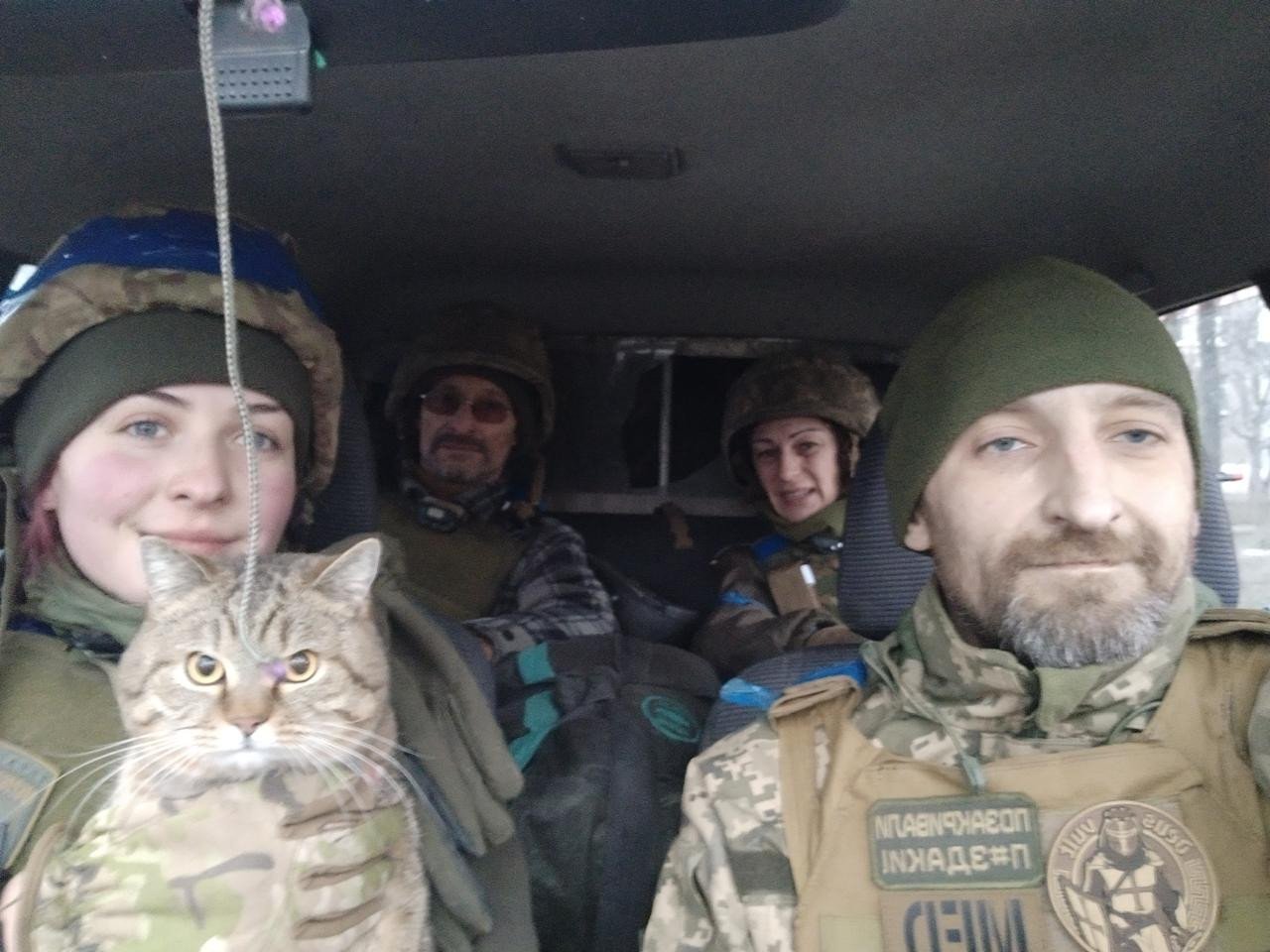
They reached the stabilization point before pushing on toward the Ilyich Iron and Steelworks It was there that their vehicle came under fire, and Bizon was hit. A bullet slipped between his plate carrier and body, entering his right sternum and tearing through his lung.
Borysivna opened fire to cover him. Bizon collapsed out of the vehicle but refused to give up, continuing to fight even as blood filled his lungs. Only after relentless effort was he finally evacuated and onto the plant.
Their journey did not end there. They couldn’t stay at Ilyich any longer; columns of Russian forces were heading towards them. “Surrender or break through; no one will come back from Azovstal for you,” the message to Bizon read.
This prospect did not suit me as a volunteer. I already pulled out a grenade, I wanted to pull the pin on myself.
Bizon
Combat Medic, Hospitallers Battalion
They pressed onward through another punishing battle to the Azovstal steel plant. April 15th, they made it to the plant, and in May, they were captured and handed over to the Russian Penitentiary Service (FSIN), the Federal Security Service (FSB), and special forces, before ultimately being transported to Former Penal Colony №120, Olenivka, in the Russian-occupied Donetsk region.
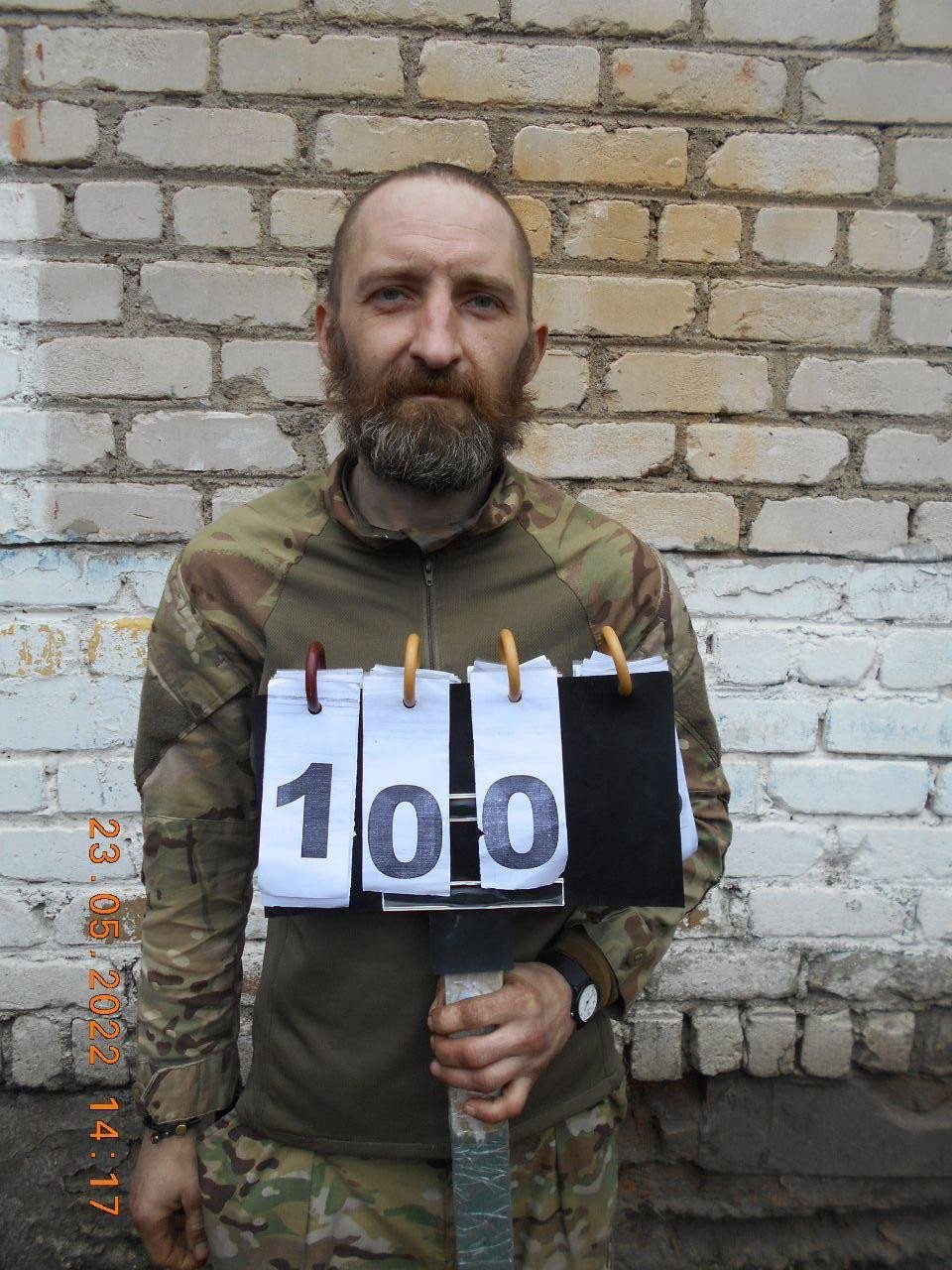
Behind bars in captivity
Food, water, and medicine were reportedly scarce in Olenivka. In barracks built for 200, over 750 prisoners were crammed for more than a week before being sent to other prisons.
Inside, conversation steers clear of family and pain. They talk food and cars instead—swapping recipes, dreaming of bakeries, pizzerias, and trucks they’ll own once free.Bizon says he was transferred from Olenivka to Horlivka, a city northeast of Donetsk, on July 28, just one day before the tragic execution of the Azov fighters, when an explosion at the prison killed 51 and injured at least 139 Ukrainian POWs.
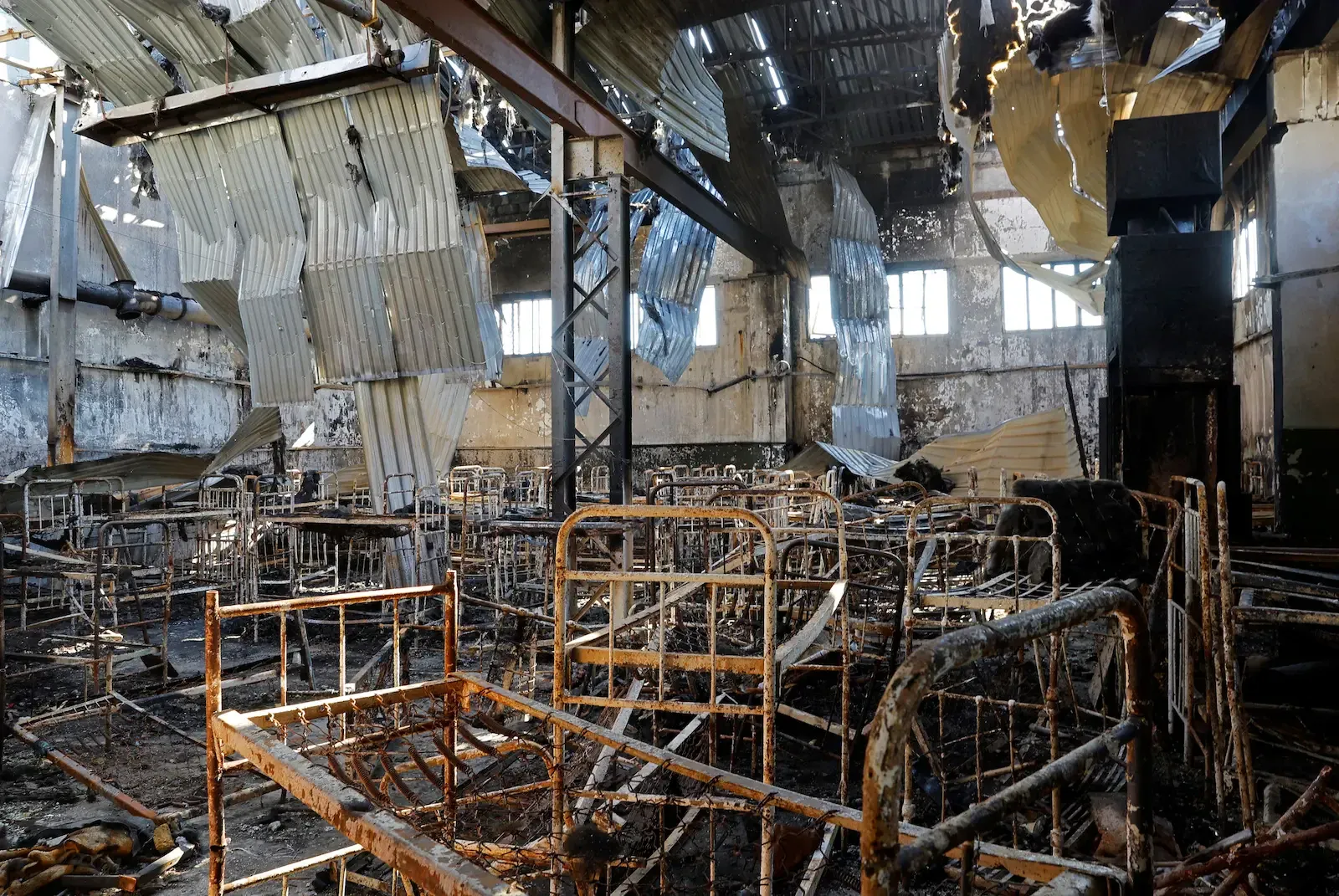
Upon arrival, he endured a brutal welcome: an onslaught of fists, kicks, batons, and tasers.
Later, he was transferred to a prison further east in the Donetsk region, closer to the Russian border, where he remained in captivity for six months. Next, Bizon and other prisoners were taken on a 5-day train journey to a prison in Biysk, a southeastern city of Russia. After another savage “welcome,” Russians threw him into solitary confinement and again subjected him to a relentless routine of beatings—morning and night.
Bizon says he was forced to loudly sing the Russian anthem multiple times a day—after sleep, before meals, and before dismissal. Strict cell rules dictate who sits and who walks, or face beatings. Weekly “interviews” meant torture: electric shocks in a water-filled basin with a plastic bag over his head until he fell unconscious. To bring him around, they would beat him, then start again—repeating the cycle for hours on end.
It’s easier to endure your own torture—adrenaline helps you group together. A real test for the psyche is the daily screams of your comrades; it’s impossible to develop immunity to this. It’s a sound that is impossible to endure.
Bizon
Combat Medic, Hospitallers Battalion
Bizon’s cellmate, who he says was widely known among Ukrainian POWs, had the call sign “Kraken”. Bizon says he turned against Ukraine and gave Russian forces anything they wanted, even beating Bizon himself, just for a few cigarettes.
Resilience beyond captivity
One day, the door to Bizon’s cell swung open. His face and hands bound, he was bundled into a van and driven from Biysk to Russia’s Novosibirsk airport. He spent the night cramped inside the van, waiting because, as he recalls, Russians said they “couldn’t find a sober pilot on weekends.” The next day, he boarded a charter plane alone, flying to Moscow—and finally, the first steps of his long journey home.
The bullet lodged in his heart all this time had found an unlikely sanctuary: the very spot where he had undergone heart surgery as a baby. A childhood defect, once a threat, had now saved his life.
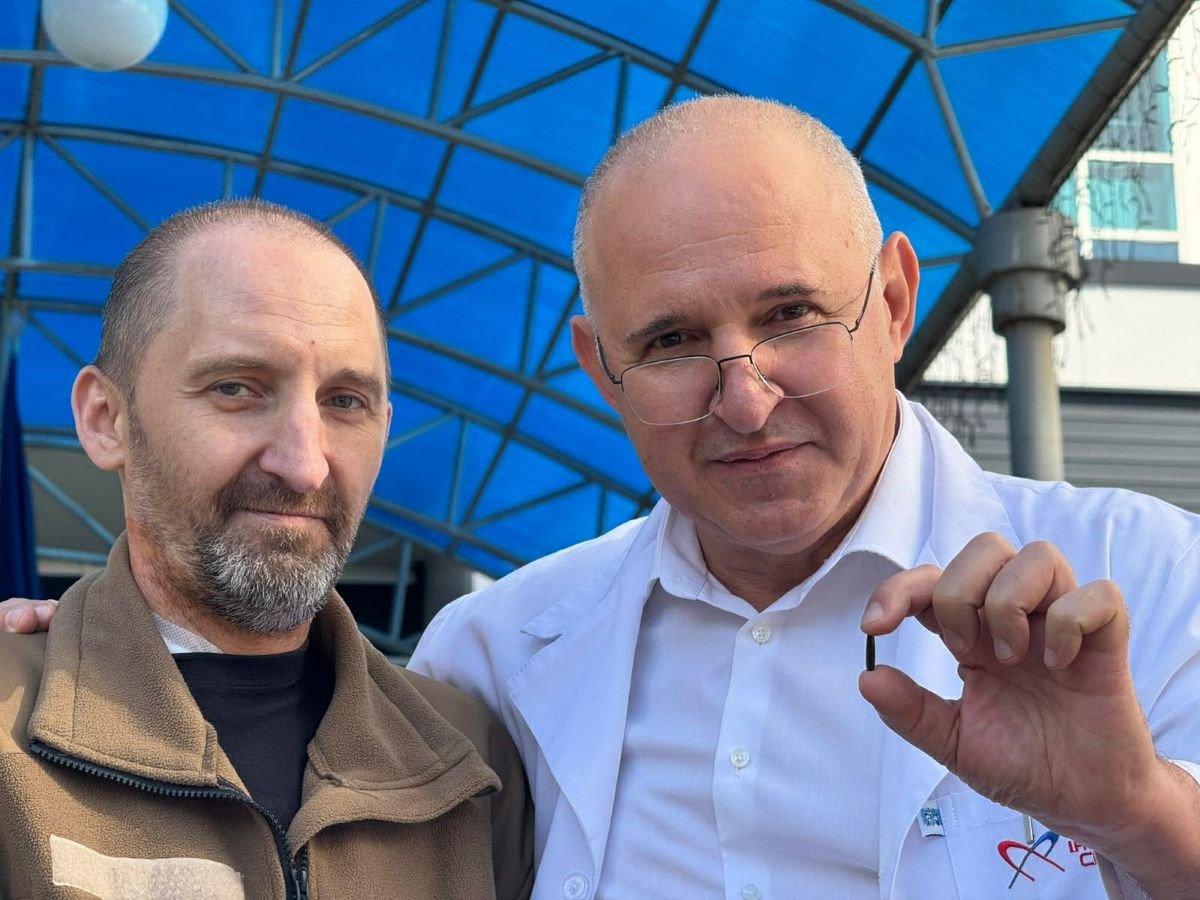
“I’ve reevaluated a great many things,” says Bizon. “I’ve had time to reflect on numerous issues that didn’t concern me before, and I’ve certainly come to appreciate life, freedom, and my loved ones more.”
Bizon carries the scars of years under Russian captivity, but he refuses to be defined by them. Returning to the frontlines of care where his journey began in 2014, he works within the Hospitallers’ patronage service, overseeing the treatment, rehabilitation, and social protection of Ukraine’s soldiers.
He says the words of US Admiral William McRaven echo in his mind—how a single person can change the world—and Bizon lives them, turning survival into a mission to save others.
Every life is of immense importance, and if God gave me the chance to survive in Russian captivity, it means he wants me to continue this work—I wouldn't dare refuse.
Bizon
Combat Medic, Hospitallers Battalion
Discuss this article: