- Category
- War in Ukraine
Tuned to Moscow: How Russia Turns African Airwaves Into a Military Recruitment Tool
 Prefer U24 Media on Google
- Authors


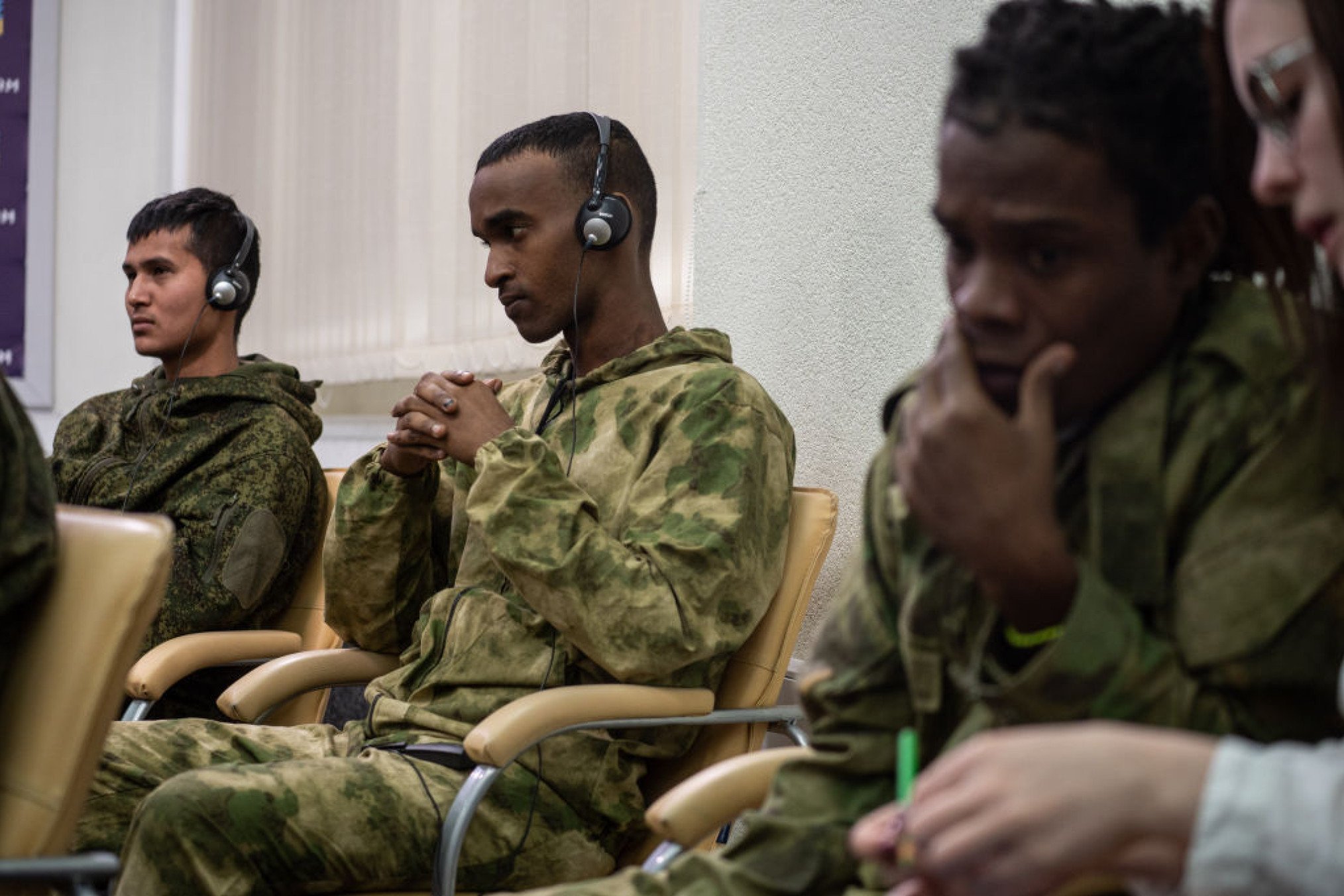
Russia is expanding its media influence across Africa through state-controlled news outlets, local radio partnerships, and digital platforms while simultaneously intensifying efforts to recruit African citizens into its military for the war against Ukraine, according to Ukraine’s Defense Intelligence (HUR).
According to Ukrainian intelligence, Moscow is expanding its information network across Africa, moving beyond traditional cultural institutions such as Russian Houses and Rossotrudnichestvo. The Kremlin is establishing editorial centers, securing broadcasting agreements with local radio stations, and engaging journalists and social media influencers to strengthen its presence across the continent.
We bring you stories from the ground. Your support keeps our team in the field.
HUR reported that these initiatives, often presented as cultural cooperation and educational exchanges, are being used to disseminate Kremlin-aligned narratives, including anti-Western and anti-Ukrainian messaging intended to justify Russia’s invasion of Ukraine.
Ukrainian intelligence also warned that Moscow is seeking to establish a favorable information environment for recruitment campaigns targeting African citizens, many of whom are allegedly attracted by promises of civilian employment and financial compensation before being sent to fight in Ukraine.
A central component of Russia’s expanding media presence is the state-owned news agency Sputnik, which has established editorial centers in Johannesburg, South Africa, and Dar es Salaam, Tanzania.
According to HUR, the Kremlin plans to distribute multilingual content through local journalists and partner radio stations, potentially reaching an audience of nearly 300 million people. The broadcasting network involves radio companies in Ethiopia, Botswana, Malawi, Uganda, Nigeria, the Central African Republic, Mali, Niger, Guinea, and Cameroon.
Beyond conventional news coverage, these outlets are intended to promote narratives emphasizing opposition to Western influence, resistance to neocolonialism, and the protection of African sovereignty.
Ukrainian intelligence argues that Russia is using these messages to portray itself as an alternative partner to Western countries while concealing its own military aggression and imperial ambitions.
Another component of Moscow’s information operations is the digital platform GlobUs, which has been linked to Russian influence networks associated with structures previously controlled by Yevgeny Prigozhin.
According to HUR, citing a report by France’s government agency VIGINUM, the network is led by Russian political consultants Yulia Berg and Andrey Gromov, who have organized information campaigns in several African countries, including Cameroon and the Republic of the Congo.
HUR reported that GlobUs works with local journalists, bloggers, and political figures to distribute anti-Ukrainian and anti-Western content. The network also operates three Telegram channels with a combined audience exceeding 75,000 subscribers.
Gromov was previously involved in establishing the Vozrozhdeniye Foundation, which promoted Russian narratives about the war against Ukraine, organized visits by foreigners to temporarily occupied Ukrainian territories, and supported the production of propaganda films about Donbas.
According to Ukrainian intelligence, these initiatives form part of a coordinated effort to influence public opinion across Africa, undermine Ukraine’s international standing, and strengthen support for Moscow’s foreign policy objectives.
Alongside its expanding media operations, Russia has significantly intensified efforts to recruit African citizens into its armed forces as it seeks additional personnel for its war against Ukraine.
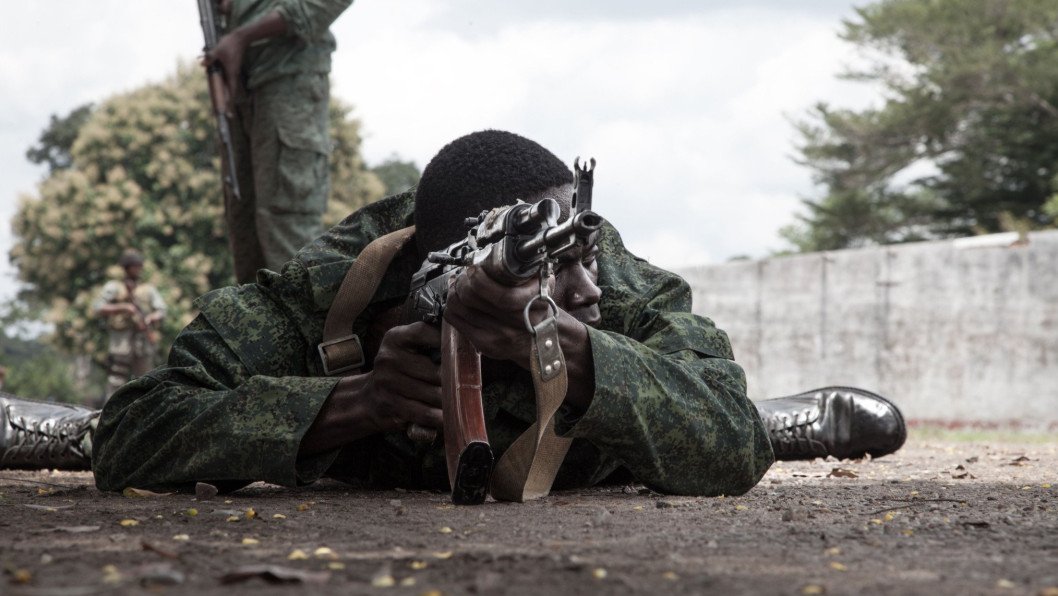
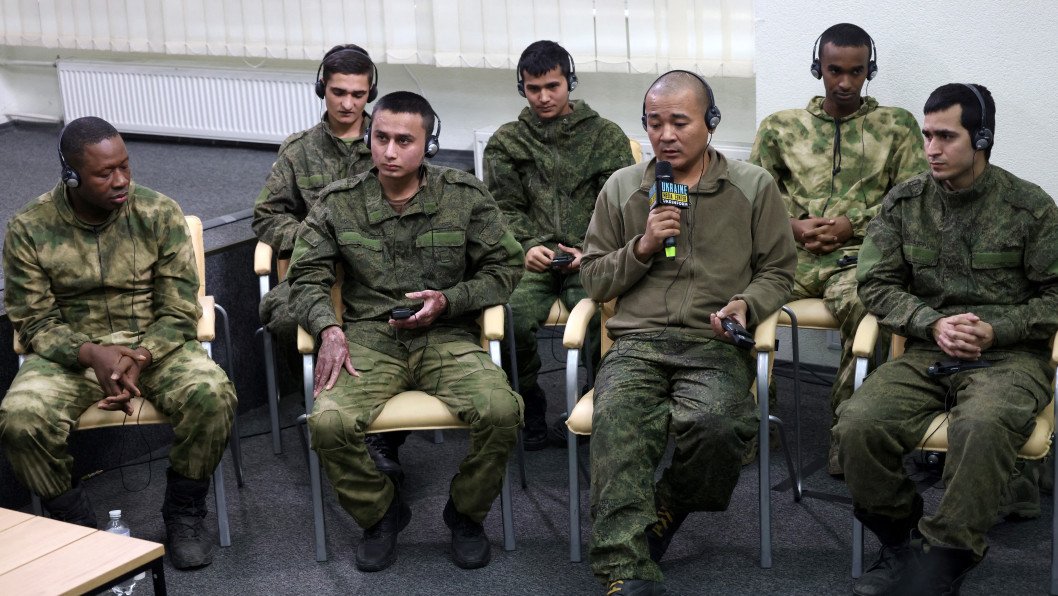
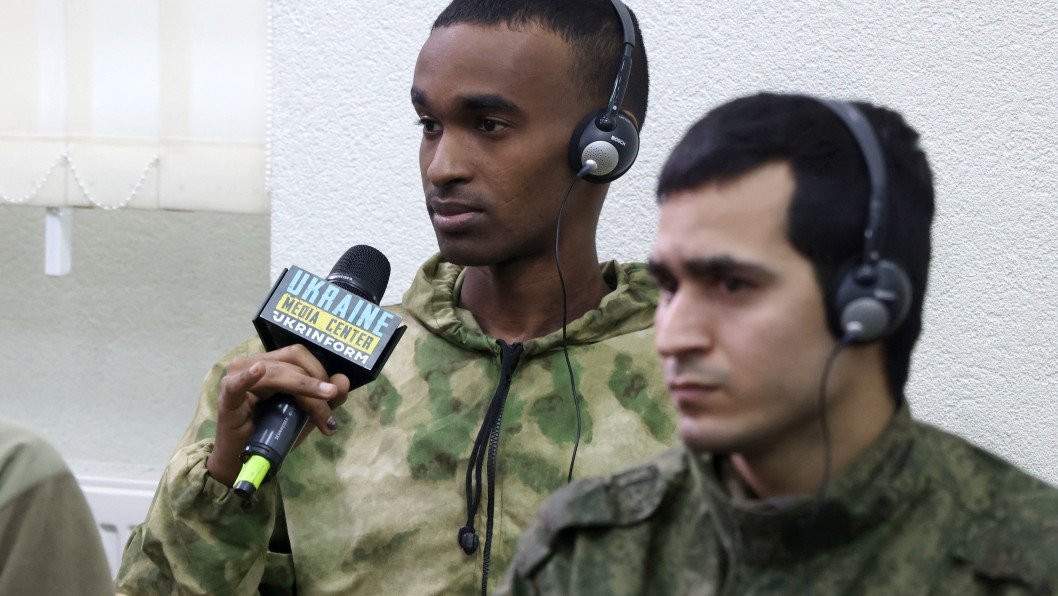
According to HUR, Ukrainian intelligence had identified at least 5,451 citizens from 43 African countries who had signed contracts with the Russian military as of October 2026. Among them were at least 335 citizens of Ghana.
Recruitment figures have increased particularly sharply in several African countries, with Burundi and Zimbabwe recording substantial growth in the number of citizens joining Russian forces.
During the first nine months of 2026, Russia recruited 699 citizens of Burundi and 530 citizens of Zimbabwe, according to Ukrainian intelligence. By comparison, only 30 Burundian citizens and 65 Zimbabwean citizens were recruited throughout 2025.
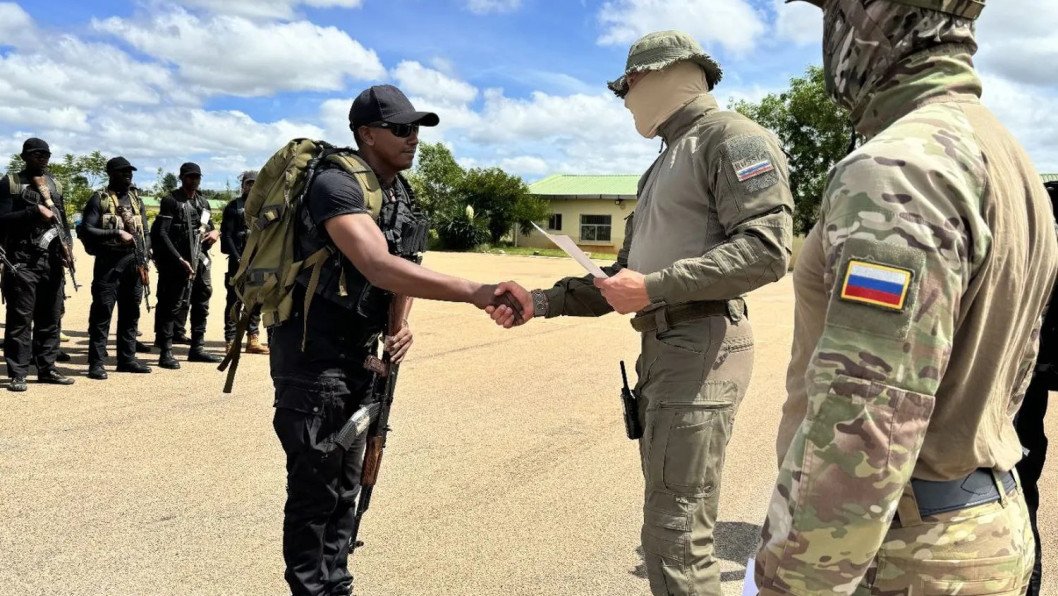
According to the intelligence agency, recruiters frequently advertise well-paid civilian positions, substantial signing bonuses, Russian citizenship, and social benefits. Prospective recruits are often offered jobs as drivers, security guards, construction workers, or logistics personnel, without being fully informed about the military nature of the arrangements.
In many cases, HUR said, recruits only discover the actual purpose of their travel after arriving in Russia, where they are presented with military contracts written in Russian, a language many do not understand.
Those who sign the contracts are subsequently deployed to combat zones in Ukraine, often without adequate military training or a clear understanding of their contractual obligations.
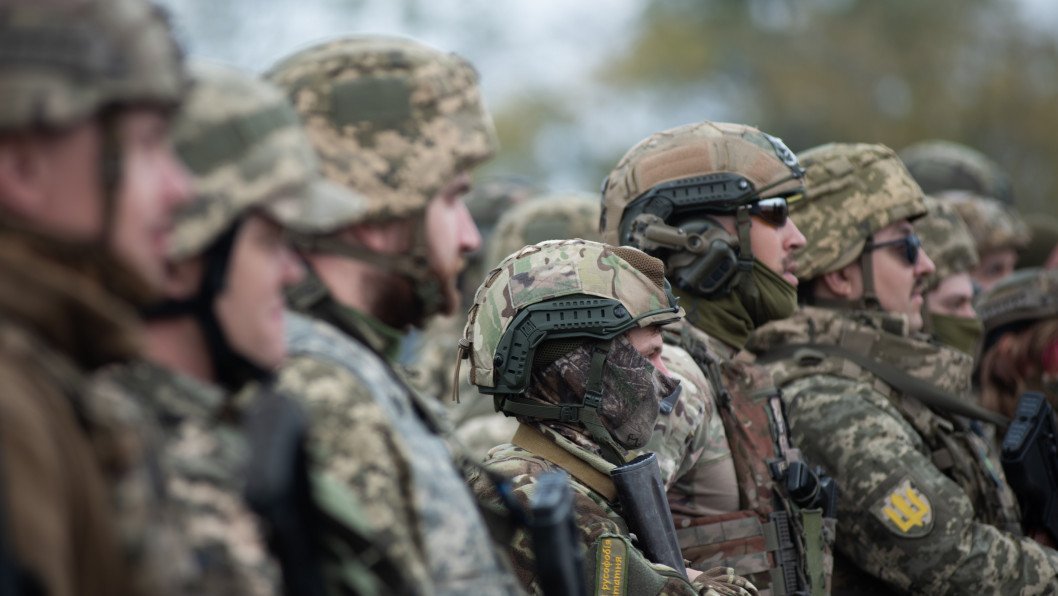
The use of misleading recruitment practices has also been documented in online campaigns targeting African nationals, including schemes disguised as opportunities in the entertainment industry.
According to a September 22 investigation by POLITICO, citing research by Code for Africa, a nonprofit network of African digital democracy and data journalism laboratories, Russia-linked recruiters have used fraudulent film casting advertisements to attract African men.
One such advertisement presented itself as an international casting call seeking African male actors for an upcoming film production, concealing what researchers identified as a recruitment effort connected to Russia’s war against Ukraine.
Discuss this article: