- Category
- War in Ukraine
Russia Sent Latin American Recruits to War. They Shot Their Way Out and Surrendered to Ukraine
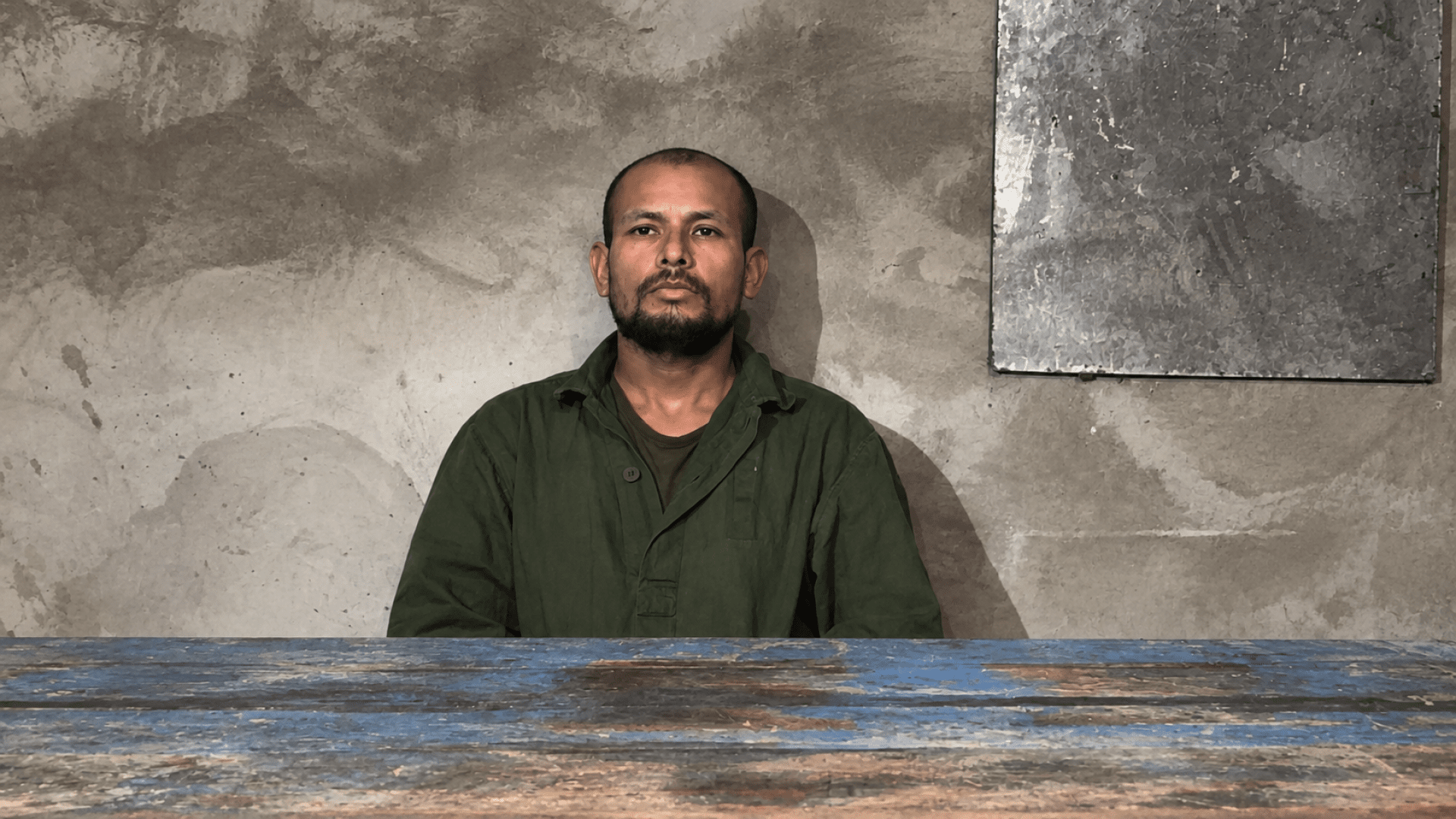
Russian soldiers opened fire at Latin American recruits who tried to abandon their position and surrender to Ukraine. The men returned fire, killing two Russians, before moving toward Ukrainian lines.
 Prefer U24 Media on Google
- Authors

-21f402f6f32da8b0165ae48804a71feb.jpeg "Photo of Gonzalo Leon Bustos")
For Wilson Noel Quintero Guzmán and Marcos Nahuel Cáceres Bogado, surrendering to Ukraine had become their best chance of survival.
The group of Russian recruits from Latin America had initially consisted of eight men. By the time Quintero Guzmán left the position, he says, he was in contact with only four of them: the three companions who eventually surrendered alongside him and a wounded Bolivian. He said he later received information that three others had been killed, allegedly on the orders of their Russian commander. Another man's fate remained unknown.
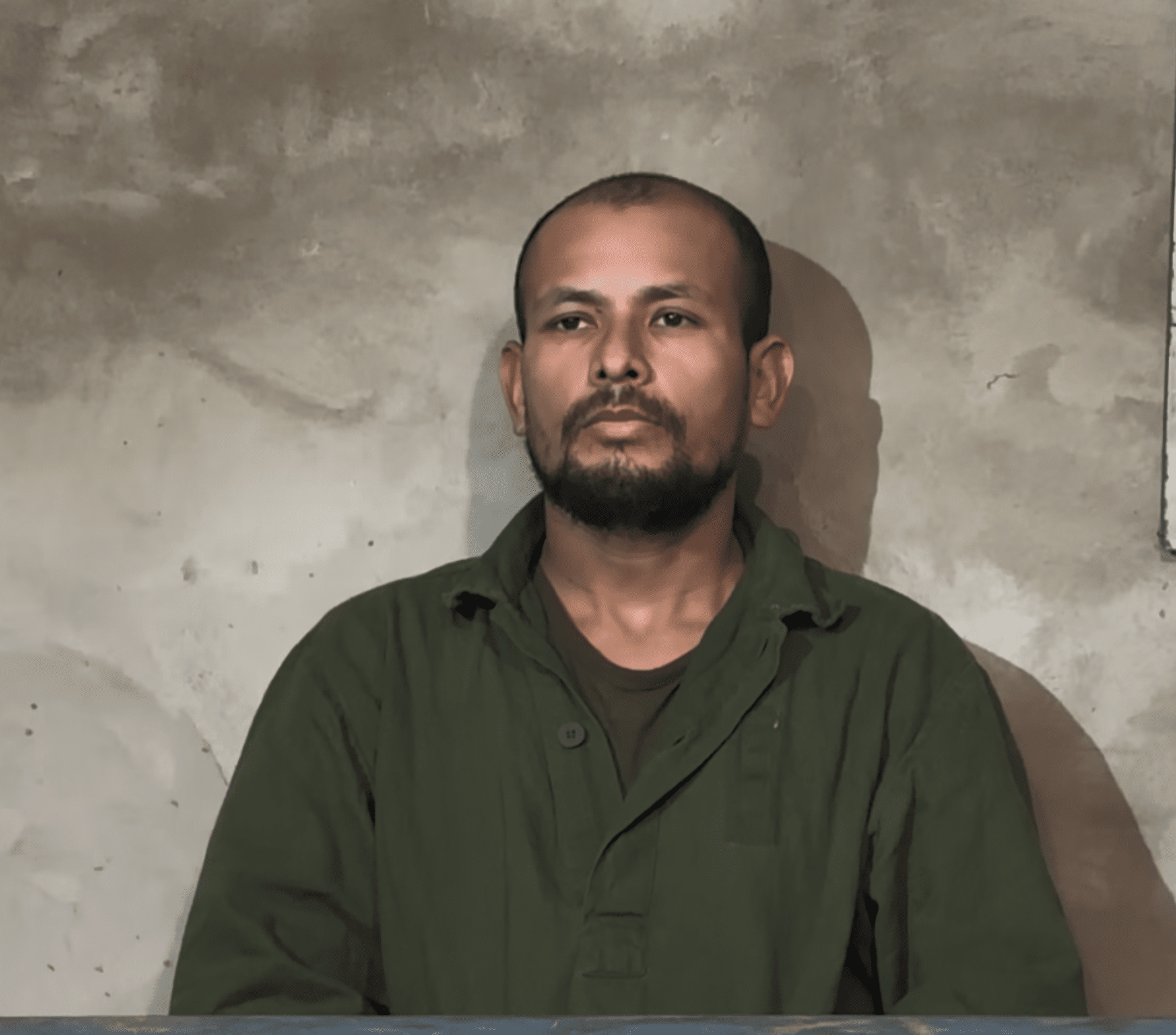
In a recorded interview conducted by Ukrainian Defense Forces after his capture, Cáceres Bogado recalled the deaths of three other foreigners who, he said, had been brought to the front under the same false pretenses. “We’ve lost three men in this war, three men who were deceived and are innocent,” he said.
They did not know exactly where the Ukrainians were, but had an approximate sense of the direction.
They knew that the route itself could kill them. Cáceres Bogado says they encountered mines and drones as they moved forward. They were no longer simply navigating unknown territory; they were crossing a landscape in which almost every movement had to be considered against the possibility of detection or an explosive device.
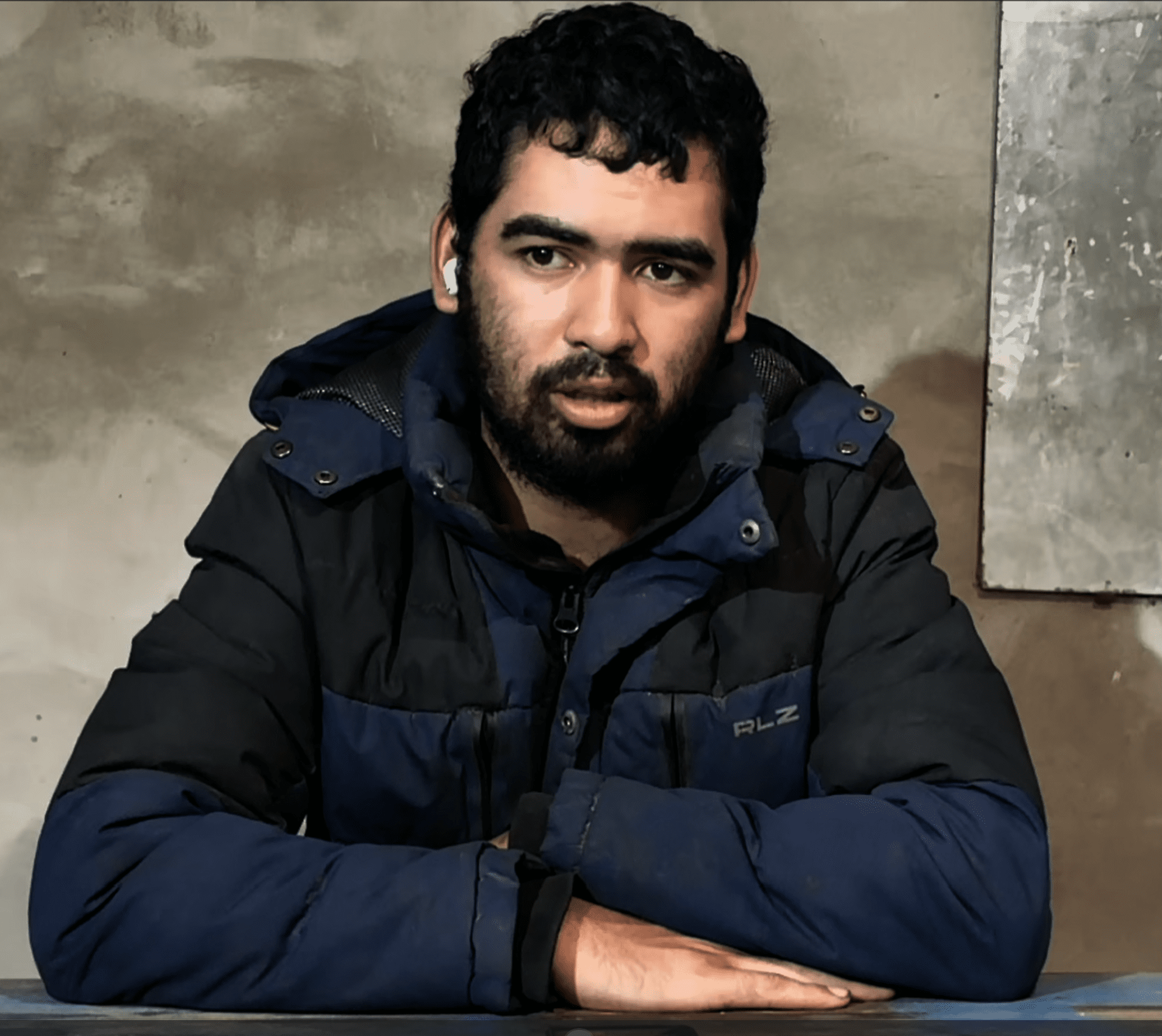
The Russians eventually realized they were leaving. According to Quintero Guzmán's account, their commander ordered soldiers to open fire on them. The men returned fire. Two Russian soldiers were killed, after which the group took two weapons and two radios before continuing toward Ukrainian positions.
When they reached a Ukrainian position, the Ukrainian soldiers opened fire. The men did not return it. They had brought a white flag and raised their hands to indicate that they wanted to surrender.
The Ukrainians accepted the surrender.
But how did two Latin Americans find themselves on a battlefield they were so desperately trying to escape?
Facebook and TikTok job offers into Russia’s army
Quintero Guzmán said he had already lived one military life before Russia. He had spent 11 years in uniform, first in Honduras and later at a military academy in Chile, where he became an officer and specialized in military engineering and mine clearance. He had commanded around 30 soldiers, worked on infrastructure projects, and served in operations against gangs and drug trafficking. By 2024, however, he wanted out.
After leaving the army, he spent several months in the United States visiting family before returning to Honduras, where he worked as a driver of heavy articulated trucks. The war he eventually found himself in was not, by his account, a continuation of his military career. It was supposed to be the opposite: a civilian job and a chance to start again.
“I found an advertisement on Facebook offering security guard work in Russia, with a fairly competitive salary,” he said.
Cáceres Bogado's route was different. He had just turned 23 the day before he was captured by Ukrainian forces; he said he had spent his adult life doing civilian work in Paraguay, driving trucks, working in construction, and taking jobs as a general laborer. He had no military career and, by his own account, no particular interest in becoming a soldier.
What attracted him to Russia was the advertisement that sold the opportunity: work, a good salary, and the prospect of a better future. The offer appeared on TikTok, where he followed a link and was put in contact with a man who told him he would have to travel to Russia. The destination was clear; the purpose was not.
This TikTok exemplifies what deceptive recruitment targeting Latin American men into the Russian Armed Forces can look like: promises of full social benefits and a stable monthly salary exceeding $3,000.
@eduardosantiago53 Ya saben pues! Trabajo en RUSIA 🤭😅
♬ เสียงต้นฉบับ - John (Songs Station) - สุขภาพดีกับเบิร์ด
“They never told me it was for the war,” he said. “They told me it was for work and opportunities. When I arrived in Russia, they made me sign documents that they wouldn’t even let me have translated.”
The journey to Russia was arranged through the same informal networks that had first presented the country as a place of employment. Quintero Guzmán says the recruiter promised to reimburse him his airfare after his arrival. He landed in Russia in May 2026. There was no employer waiting for him at the airport. Instead, he was met by an unfamiliar Russian man who took him to a hotel and then disappeared.
There were seven other foreigners there, Quintero Guzmán recalls, most of them Colombians. One of the men was appointed to act as the group's intermediary with the Russians, despite not speaking Russian himself; when communication became necessary, they relied on a translation application on a phone. The arrangement already bore little resemblance to the security job advertised to him.
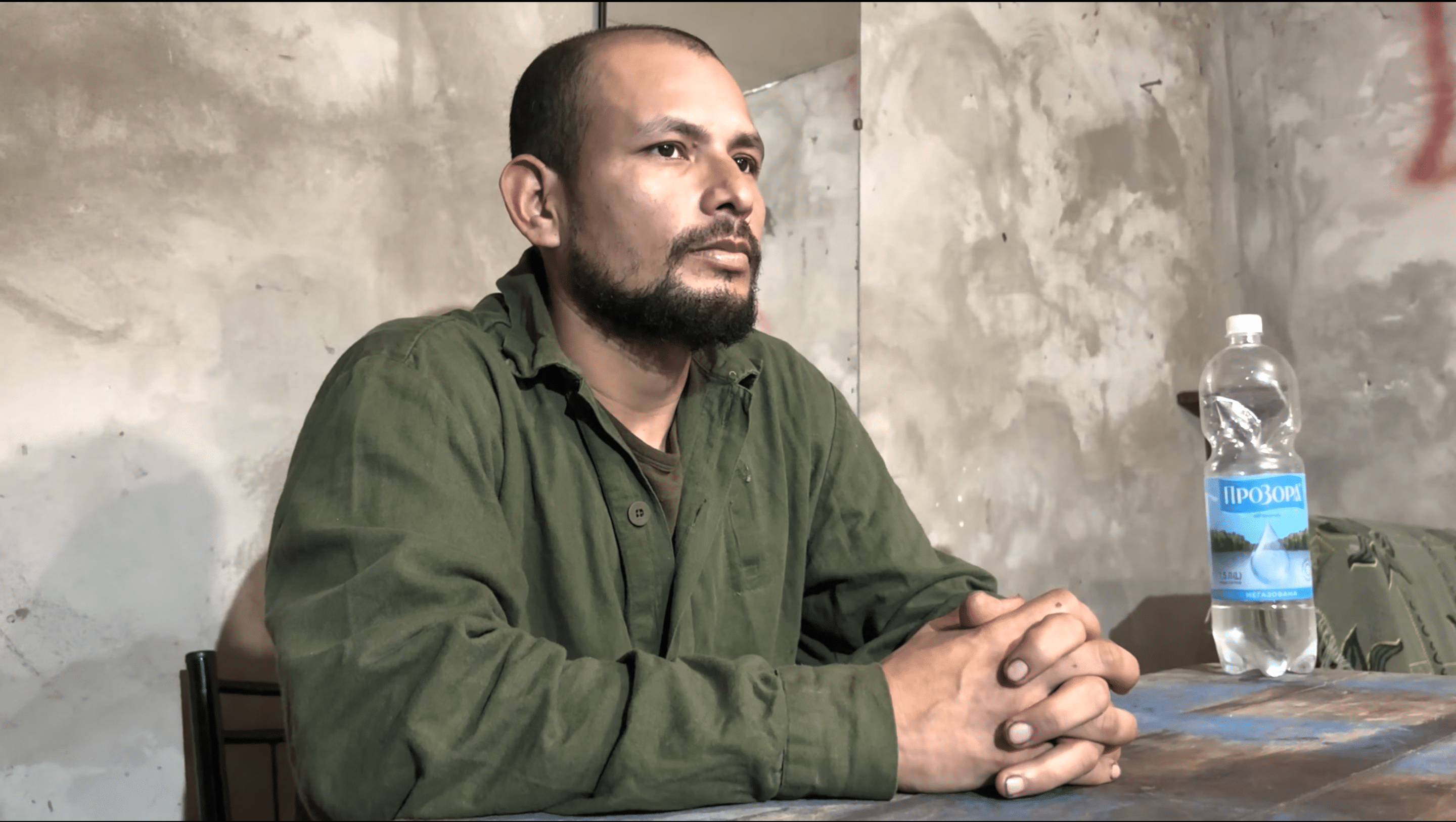
That same day, according to Quintero Guzmán, the group was handed documents to sign. The papers were in Russian, and the recruits were not allowed to have them properly translated before signing. He says he signed several documents, on three separate occasions, without understanding their contents. Cáceres Bogado independently describes being made to sign documents in Russia that he was likewise not permitted to have translated.
“They take away all your rights, take your documents away, put you in the bunker of a hotel, and tell you that you have no rights,” Quintero Guzmán says. “None of what they tell you is true.”
A Russian "welcome" for Latin American recruits
The recruits were taken to a bank, where each was due approximately one million rubles ($11,560), Quintero Guzmán said. Before that, the group stopped at a military shop and spent around 35,000 rubles ($404) on uniforms. He says the remaining money was subsequently taken by their handler. Their documents were taken as well.
You sign the contract, and they give you some money. They do deposit the money into your account, but then they take you to the bank and take it back themselves. Almost all the money they deposit into your account, they take back for themselves. After that, they move you to the fronts they have, the combat fronts.
Marcos Nahuel Cáceres Bogado
Paraguayan recruited into the Russian army
The first military position Quintero Guzmán recalls was outside Belgorod . The group of eight foreign recruits was taken to a base on the outskirts of the city, where approximately 20 Russian servicemen were already present. He says the Russians humiliated the foreigners and subjected them to physical abuse.
Before the truth is that the Russians do nothing but intimidate people,” he says. “In our case, they threatened us, just as they did my other comrades, and told us they were going to kill us.”
Neither man describes receiving the kind of military preparation that might ordinarily precede deployment to an active war zone. Cáceres Bogado says there was no training. The only instruction he recalls was being shown how to fire a weapon.
“We were promised a monthly salary, which they never paid us,” Cáceres Bogado says. “We weren't given training. The only mission we had was to stay in a trench and not let anyone pass.”
A map, a rifle, and an eight-kilometer march to the front
Despite Quintero Guzmán's 11 years of military experience, seeing the Russian system was particularly disorienting. The men were given weapons, ammunition, basic equipment, and a map—on their phones—showing a combat position eight kilometers away. It took them roughly three days to reach it.
Quintero Guzmán estimates that around 90% of the Russian positions they passed were empty and says he saw no military vehicles. Despite being promised provisions, the group barely received any food for the journey.
Their equipment was similarly sparse: a small backpack, a rifle, a blanket for concealment from drones, and basic medication, mostly over-the-counter painkillers. Quintero Guzmán says he was issued an AK-74.
The men describe the deployment as a “death sentence.” There was no adequate supply line, no substantial medical kit, and, according to their accounts, no briefing on what to do if they were captured. Quintero Guzmán says they were simply told that they were going to an area where “rebel forces” were present. The conditions deteriorated further once they reached their positions.
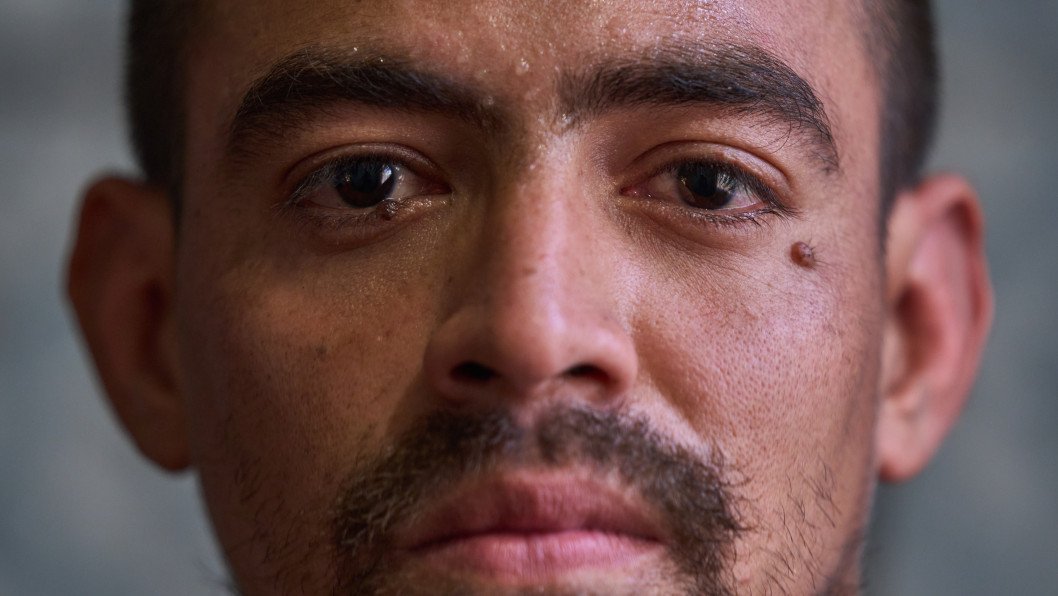
Quintero Guzmán says the group spent days without proper food or water under constant shelling, FPV drone attacks, and abuse from the Russian soldiers. On the days when food did arrive, he recalls eating only a few bites. Cáceres Bogado says they were expected to remain in the trench for as long as three months.
For Quintero Guzmán, the military knowledge was suddenly useful for something more primitive than combat. “When it came to surviving without food or water,” he says, “I would basically drink rainwater and also extract water from the ground.”
The deprivation was accompanied by isolation. Their phones had been taken from them, and communication with their families was severely restricted.
Quintero Guzmán says a Bolivian member of the group was wounded and that Russian soldiers refused to evacuate him for medical treatment. The foreigners eventually evacuated him themselves. He says the Russians were prepared to leave him where he was.
Deciding to surrender to Ukraine
After the group evacuated the wounded Bolivian, Quintero Guzmán and three companions were given roughly 40 minutes to send messages. After that, communication was forcibly ceased again.
His family knew he had traveled to Russia. “I told them I was coming to Russia, but only for work,” he says. “They didn't know I was going to join the Russian army.”
By then, the recruits had begun discussing escape, Cáceres Bogado says. The group began using the few trips outside their position—to search for food or water—as opportunities to study the terrain. They would walk two or three kilometers and use the journeys to memorize routes, observe the landscape, and work out how they might leave, he said.
There were two directions in which they could go: behind them were Russian positions; ahead were Ukrainian forces.
Going backward meant attempting to break through the people who had brought them there and most likely being tortured to death or executed on the spot; going forward meant crossing a battlefield toward the army they had been ordered to fight.
They chose Ukraine. After crossing the battlefield under threat from mines and drones, and returning fire on Russian soldiers who shot at them, the men reached Ukrainian lines and surrendered under a white flag.
The men were given food and water and moved away from the immediate combat zone. Quintero Guzmán says they were treated professionally and taken to a secure location that same day.
How Russia recruits Latin Americans for its war
The two accounts sit within a much larger recruitment effort. In April 2026, Ukraine's Coordination Headquarters for the Treatment of Prisoners of War said it had identified 28,391 foreign nationals serving in Russia's armed forces, with individuals from 136 countries represented in its database. Ukrainian officials said the figure was based on identified individuals rather than an estimate of everyone serving, and acknowledged that the actual number could be 25-30% higher. The same Ukrainian data recorded at least 5,149 foreign nationals known to have died while serving with Russian forces.
In July 2026, Ukraine's Foreign Ministry said it had documented 1,595 nationals of Latin American countries serving in the Russian army, while warning that the real number was likely higher.
Reporting based on Ukrainian intelligence has identified Cuba and Colombia as major recruitment sources, while cases have also emerged involving citizens of other countries across the region. The incentives can be substantial: salaries reported in recruitment campaigns have reached thousands of dollars per month, accompanied in some cases by large signing bonuses and streamlined paths to Russian citizenship for foreigners who enlist.
Neither Quintero Guzmán’s nor Cáceres Bogado’s testimony can establish how every foreign recruit enters Russia’s armed forces. Their accounts do, however, describe a strikingly similar pattern: recruitment through social media or intermediaries, civilian employment presented as the premise for travel, arrival in Russia, documents presented in Russian, loss of control over personal papers, movement into military facilities, little or no training, and eventual deployment toward the front.
The pattern has also begun to prompt responses in the countries these men came from. In Honduras, authorities intervened in June to facilitate the return of six citizens who had traveled to Russia after responding to fraudulent job offers. The Honduran Foreign Ministry subsequently warned citizens to scrutinize employment proposals circulating online, citing the risk of exploitation, document retention, and human trafficking.
In Paraguay, meanwhile, local reporting has documented a similar pattern of citizens recruited into Russia's war against Ukraine after being attracted by promises of unusually high salaries. However, the Paraguayan government has not publicly responded to the reports or confirmed whether it is investigating recruitment networks.
Similar allegations have emerged elsewhere in Latin America. In Bolivia, for example, prosecutors announced in July 2026 that they had dismantled an alleged network accused of luring citizens to Russia with promises of work before they were pushed into military service. Authorities said at least 16 Bolivians had been recruited and identified 26 Bolivian citizens serving in the Russian military.
Cáceres Bogado’s warning to other young people is simple.
“Everything you see on the Internet is a lie,” he says. “If they're [Russians] offering a very large amount of money, it's clearly a scam. Especially in a country that isn't your own. The smartest thing would be not to enter a country that is at war.”
Quintero Guzmán's warning is directed at the same audience.
“Better to stay in your own country,” he says, “or find another destination, but definitely not Russia.”
Discuss this article:





-111f0e5095e02c02446ffed57bfb0ab1.jpeg "Photo of Roman Kohanets")
-a440860424d5fdaaf785e98d8dc91daf.png "A local woman assists in recovering a damaged unmanned ground vehicle in the Sumy region. (Source: 71st Separate Airmobile Brigade)")