- Category
- War in Ukraine
"Russians Sent Us Here to Die": Colombian POWs Reveal Why They Chose to Surrender in Ukraine
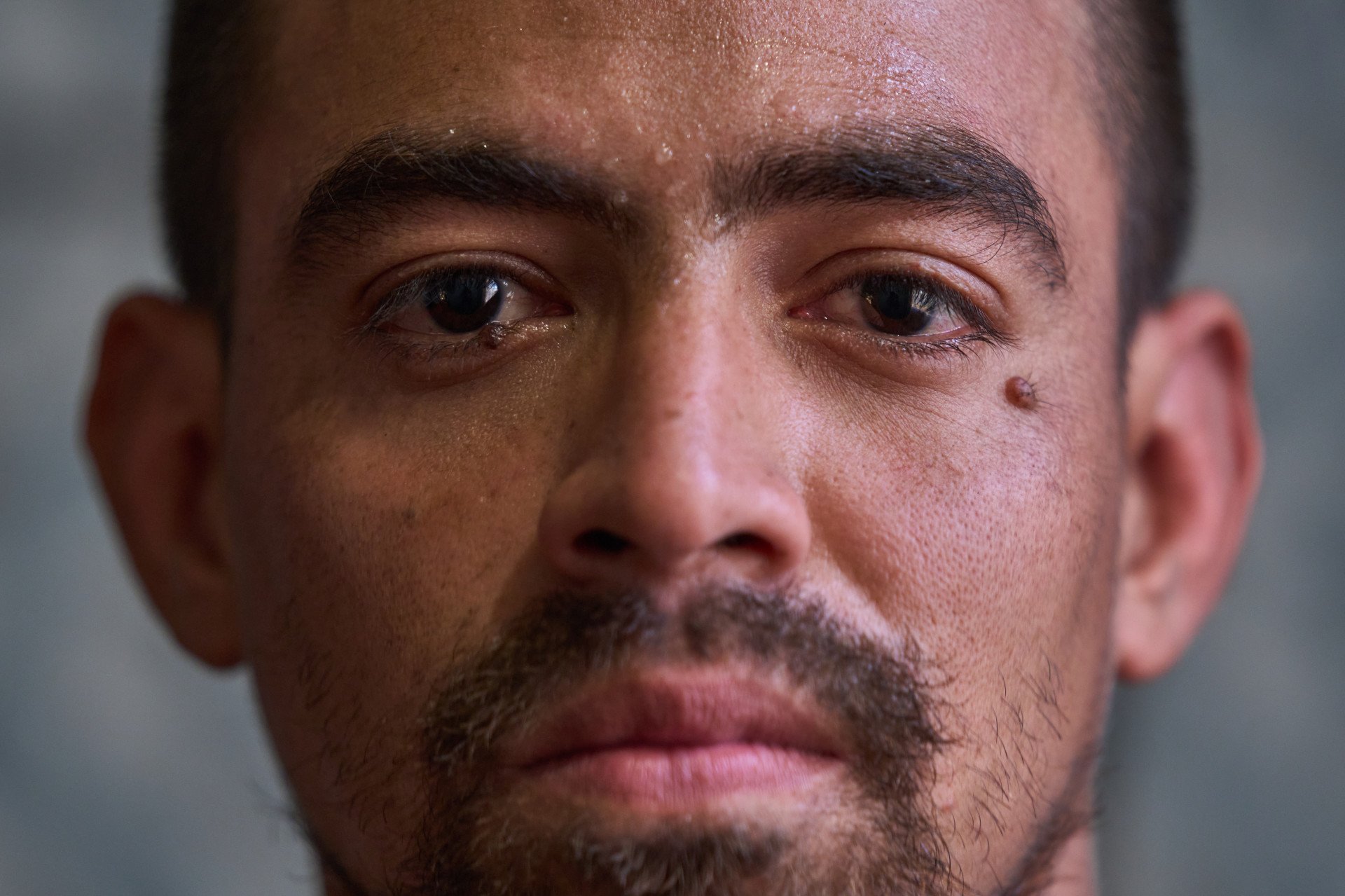
“To my fellow Colombians: Russia offers you money, they offer you everything—and you die. The money stays there. We don’t want that. We decided to change this story, to get to Colombia and tell the truth.”
 Prefer U24 Media on Google
- Authors



-42696701342093d1cdbc4069f0f07d6c.jpeg "Photo of Mykyta Shandyba")
“If that’s why we’re going to die, well, Jesus Christ also died for the truth,” Lionel Francisco Julio Velásquez, a 32-year-old from Colombia’s Antioquia Department , told us.
Mr. Julio Velásquez was the first prisoner of war (POW) to walk into the tiny, dilapidated room where he would tell his journey from being a simple rural agricultural worker, to the killing fields of Donbas, as part of Russia’s invading force.
As he sat down across from me, his back facing the peeling wallpaper behind him, I noticed at once his dirt-encrusted fingernails, suggesting a hard-fought odyssey to our current circumstances; I also noticed that his hands were tied with a stiff black tape.
Attempting to smooth the rebellious snarl on his face, I grinned and addressed him in Spanish: “So are you some kind of dangerous guy, or what?”
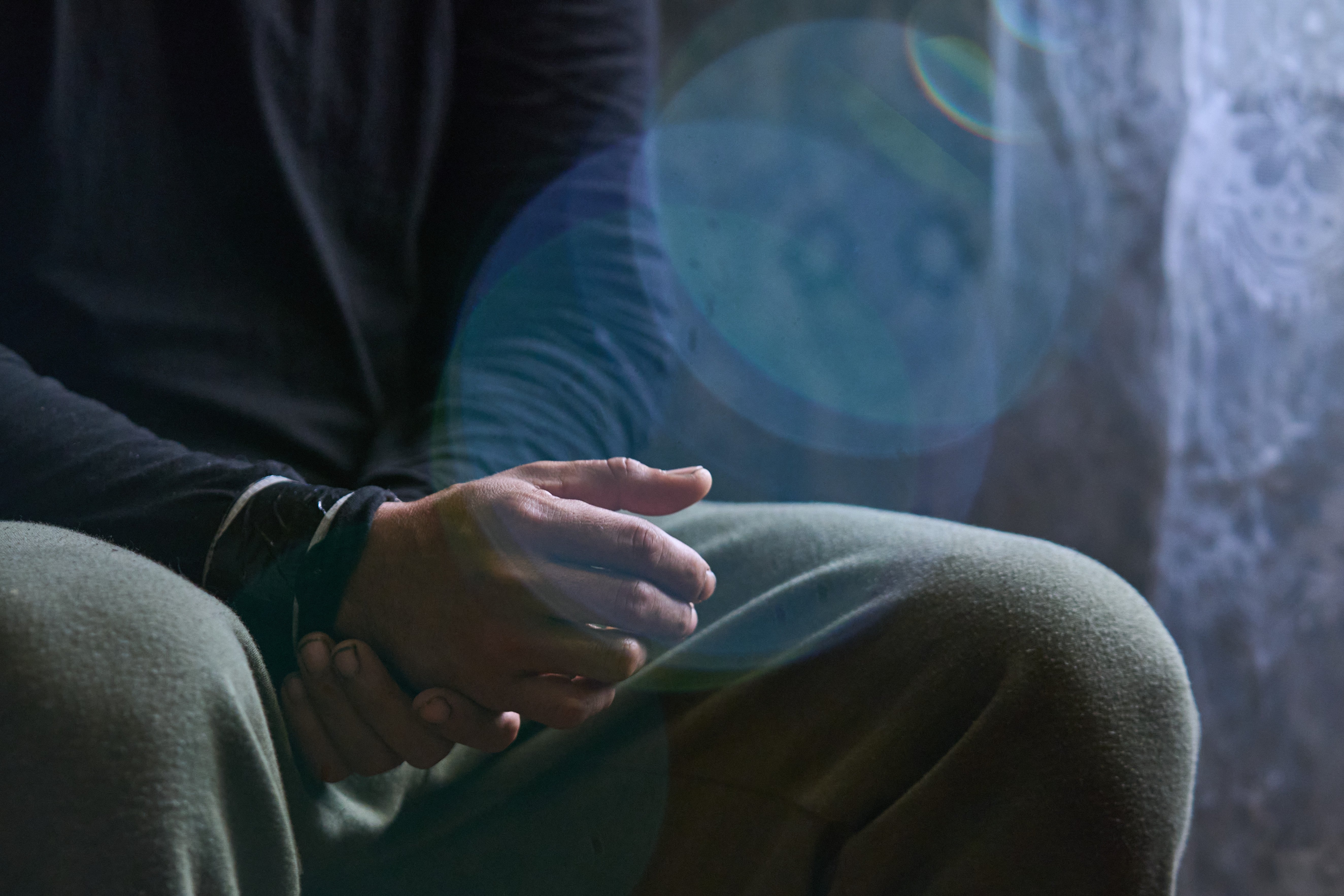
His face softening, he smiled back and assured me that he was not, proceeding to say that he was a victim of a twofold phenomenon: extreme poverty caused by cartel violence in his home country, and the exploitation of this violence by actors aligned with the Russian military industrial complex, who saw Colombia as prime real estate to “set up shop” for bodies to throw into the meat grinder of war.
How systemic inequality fuels Colombia’s recruitment crisis
While Colombia’s official position regarding Russia’s full-scale invasion of Ukraine is one of diplomatic neutrality—declining to send weapons or military aid to Ukraine—that hasn’t stopped hundreds of Colombians from rushing headfirst into combat on the Russian side, lured by seemingly lucrative employment opportunities that really turn out to be deceptive recruitment schemes.
Decidí con la mayoría de gobiernos latinoamericanos ser neutrales en la guerra Rusia/Ucrania. Esa es una guerra entre hermanos, armada por poderes externos a los pueblos eslavos
— Gustavo Petro (@petrogustavo) February 19, 2025
Ahora Zelensky y Europa es traicionada por USA, que lo y la metió en la guerra.
Cuantos centenares… https://t.co/irpMuadHDd
Latin American countries have been special recruitment targets of Russia’s agents, a strategy that is based—specifically in Colombia—on a sinister cycle of poverty fueled by ongoing violence perpetuated by national armed groups and ensuing socioeconomic instability.
Within Colombia, numerous armed groups linked to drug trafficking and illegal mining operate at varying scales and commit serious abuses against civilians year on year, Human Rights Watch reports. They are active throughout hundreds of municipalities, and their presence is expanding, with the “Gulf Clan” most notably experiencing an increase of 55% in national activity.
The Colombian government has, since 2016, made serious attempts to curb violence against rural communities by these armed groups. However, according to its own reporting, the multidimensional poverty rate in these regions—standing at 23.7%—is double the national rate (12.1%); for reference, the global figure is 18.3%.
Driven by desperation: How poverty and deceptive promises lured a father to Russia
These stark figures are reflected in the lives of the 9.7 million Colombians—a group Mr. Julio Velásquez and his family represent—who have been victims of forced displacement due to in-country violence, according to OCHA .
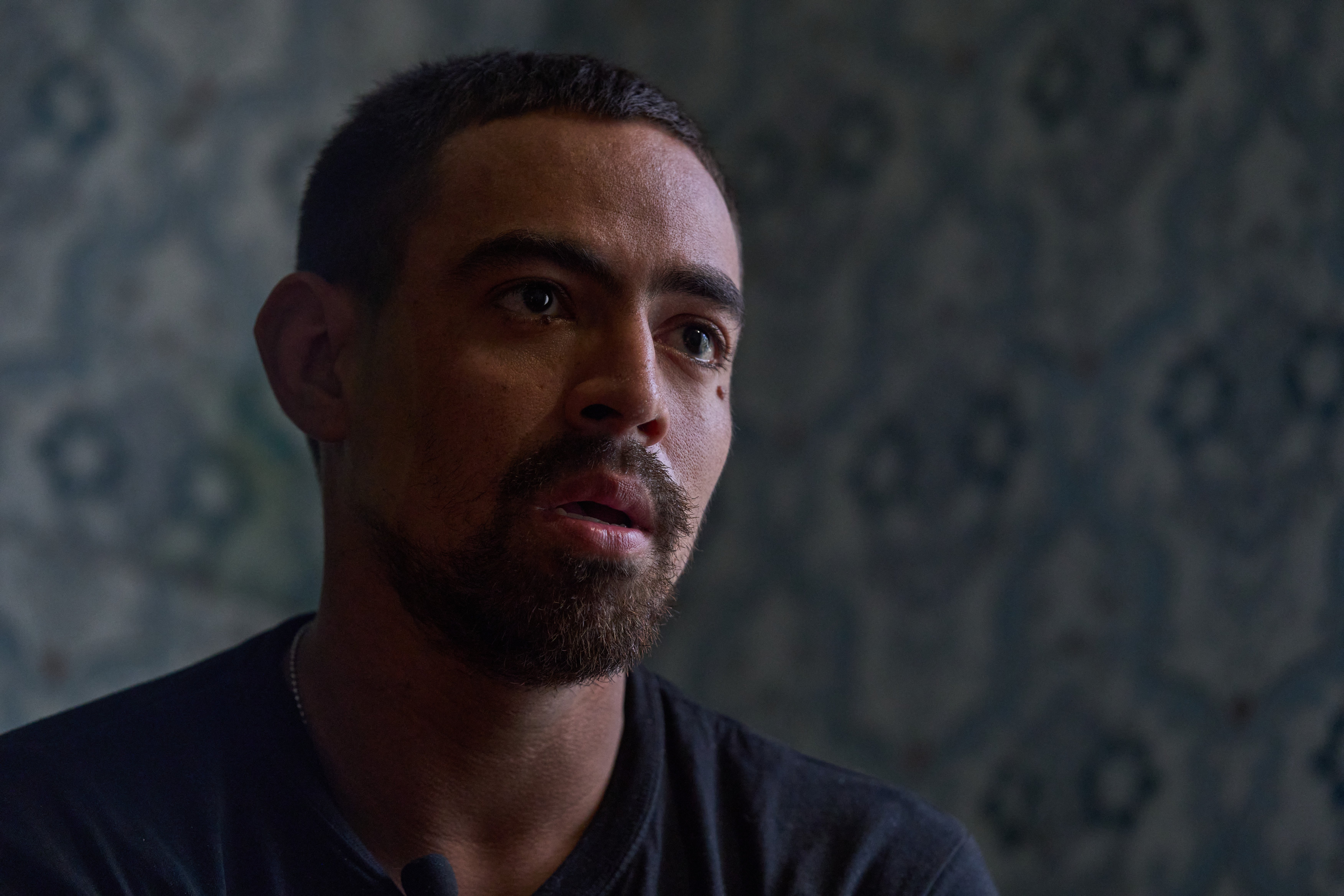
After losing his family’s source of income and home in his region due to armed group violence, Mr. Julio Velásquez said he did what any responsible father and husband would do: whatever he had to do, in order to free himself and his loved ones from poverty. After two failed attempts at restarting in the United States and Spain, he landed right back where he started; this is where his present ordeal began to unfold.
Upon returning home, Mr. Julio Velásquez met with a friend who told him about a lucrative opportunity in Russia, where he could serve in the Russian military as a cook or a builder, earning an upfront amount of 3 million rubles ($38, 500.26), followed by monthly payments of 200,000 rubles ($2566.68). Noting that this kind of opportunity seemed poised to dramatically change his life, he requested to be put in touch with an official recruiter—going by the name “Maloy”—who also offered to hire his brother as a security guard. When they told their family of their intentions, the only reaction they received was a solemn “go with God.”
“This war is not ours”: A captured brother, a refusal to kill, and a frontline surrender
One day, as he set out for a mission in Ukraine’s Donbas, Mr. Julio Velásquez called his parents to say goodbye, feeling that his death was imminent. However, when they picked up, they had news to share with him that would change his life.
Son, your brother was captured. [The Ukrainians] shot him twice, but thank God they respected his life! They helped him, they gave him food, they attended him at the Red Cross, the nurses said he was fine, that he was in excellent condition…they respected his life!
Lionel Francisco Julio Velásquez’s parents
Mr. Julio Velásquez noted that at that moment, his mind changed completely: he resolved to continue the mission, vowing to once more take God with him to the point where his commanders had ordered, and turn himself in immediately to Ukrainian soldiers.
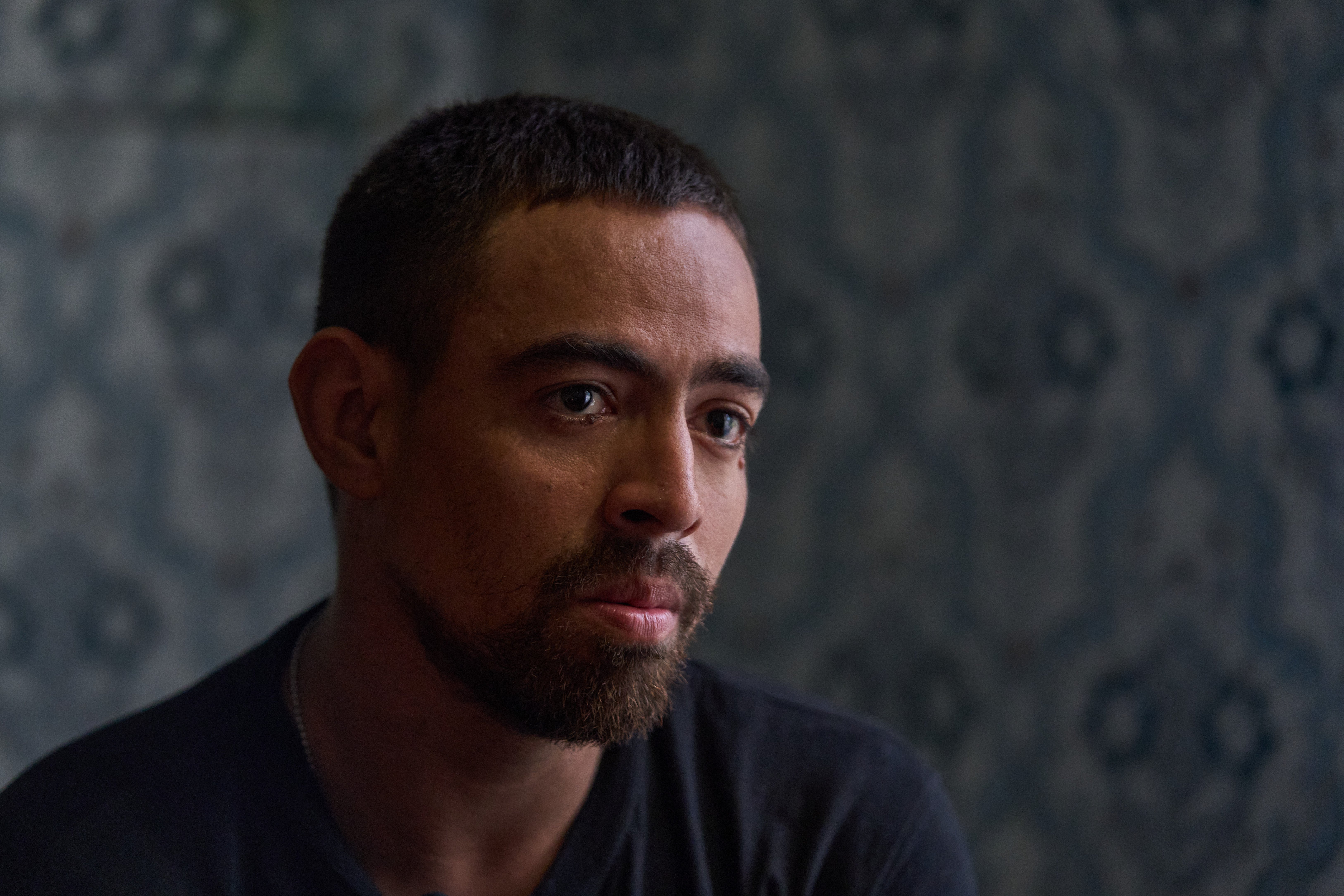
Ordered by his Russian commander to seize a village and eliminate the hundreds of Ukrainian civilians living there, Mr. Julio Velásquez turned to his comrades with a do-or-die rallying cry.
Boys, we are not going to take that village. We are going to change this story and put an end to this. We are not superheroes, and we did not come to kill anyone. This war is not ours, and we were all deceived. I don’t want to kill Ukrainians.
Russian POW from Colombia
Lionel Francisco Julio Velásquez
Knowing where the nearest Ukrainian military positions were, Mr. Julio Velásquez and four of his comrades approached, dropped their weapons and armor, and surrendered themselves into Ukrainian captivity.
When I asked him why he and his fellow soldiers decided on this course of action, fully aware of how close they were to violent, gruesome deaths, he shared that his and his men’s biggest wish was to return to Colombia and unmask the agents who’d deceived them and landed them in a position where their lives were being gambled every day; that, and to once more see and hug his brother. While the fulfillment of Mr. Julio Velásquez’s first wish is still an unanswered question, he has received mercy in the form of his second wish’s fulfillment.
A Colombian fighting for Muscovy was captured in his very first battle. He then persuaded his brother and four other Colombians to cross over to the Ukrainian side. pic.twitter.com/TOv5ODnFCP
— Oksii ✚ 🇺🇦 (@Oksii33) July 22, 2026
As we ended our conversation, he smiled at me once more, thanked me for allowing him to speak, and turned to his Colombian compatriots—via the camera in the room—with an urgent warning.
My Colombians, no matter how much they offer us, it’s nothing. I don’t recommend this to anyone. Ukraine is defending its freedom, and they don't want to kill anyone because if they wanted to kill us, they would have already killed us; they have respected our lives. I know that in Russia, they would have killed us, but Ukrainians are defending their own, and they have shown it to us by respecting our lives.
Lionel Francisco Julio Velásquez
“Russians are demons”: A Colombian brickmaker’s descent into Russia’s war and miraculous surrender
This is a sentiment shared by Alexander Ovideo Peña—a 37-year-old former brickmaker from Valledupar , Colombia—who, with fury and sorrow etched into his face from the first moments of our conversation, began explaining the shame he feels now, and the terror he felt during his time as a Russian soldier.
Russians are demons, they are demons. They sent us here to die in such conditions….I never imagined that I was going to live. My soul was hurt…my heart, the fear.
Russian POW from Colombia
Alexander Oviedo Peña
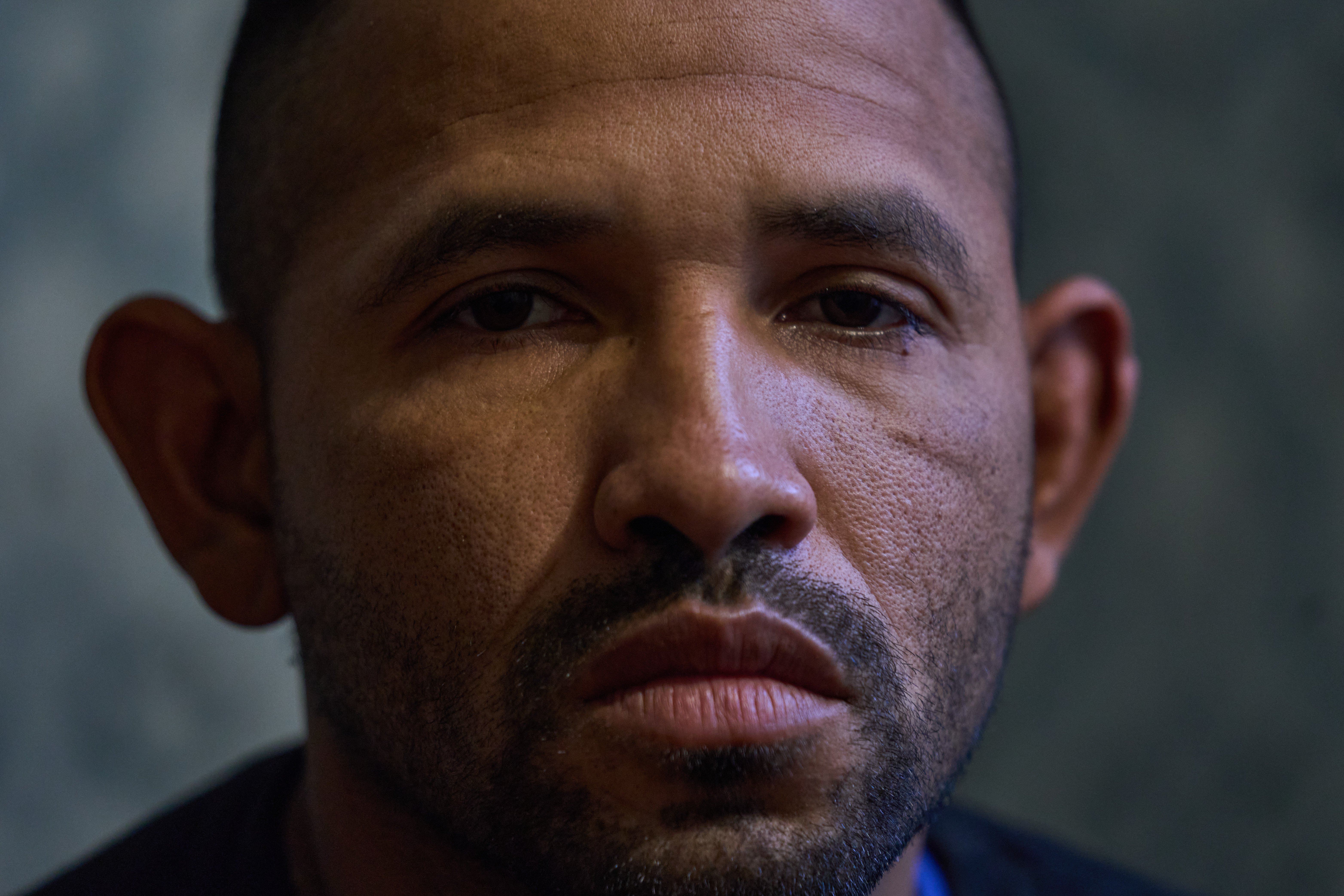
Mr. Oviedo Peña, positioning himself as a man for whom love is at the center of everything he does, stared into my eyes with a quiet intensity and swore repeatedly that he only came to Russia desperately seeking a future that never materialized. Cursing his own idiocy and shortsightedness, he said that poverty and a desire to bring himself and his beloved daughter out of ruin were chief among his reasons for ever trusting the Russian recruiter, with whom his cousin had put him in contact.
I ended up here as an idiot, looking for a future that doesn’t exist. They deceived me. I was motivated because I’m a poor person, very poor class. I don’t have professional studies. I even live in a town where people’s livelihood is making mud bricks. That was my job. I couldn’t give my daughter what she needed; I wanted to change [her] life.
Russia’s POW from Colombia
Alexander Oviedo Peña
Staring at his creased, hard hands, he then peered up at me through misty eyes, warning: “In itself, being motivated by money is the worst thing. The important thing is love: love for your mother and love for your children.”
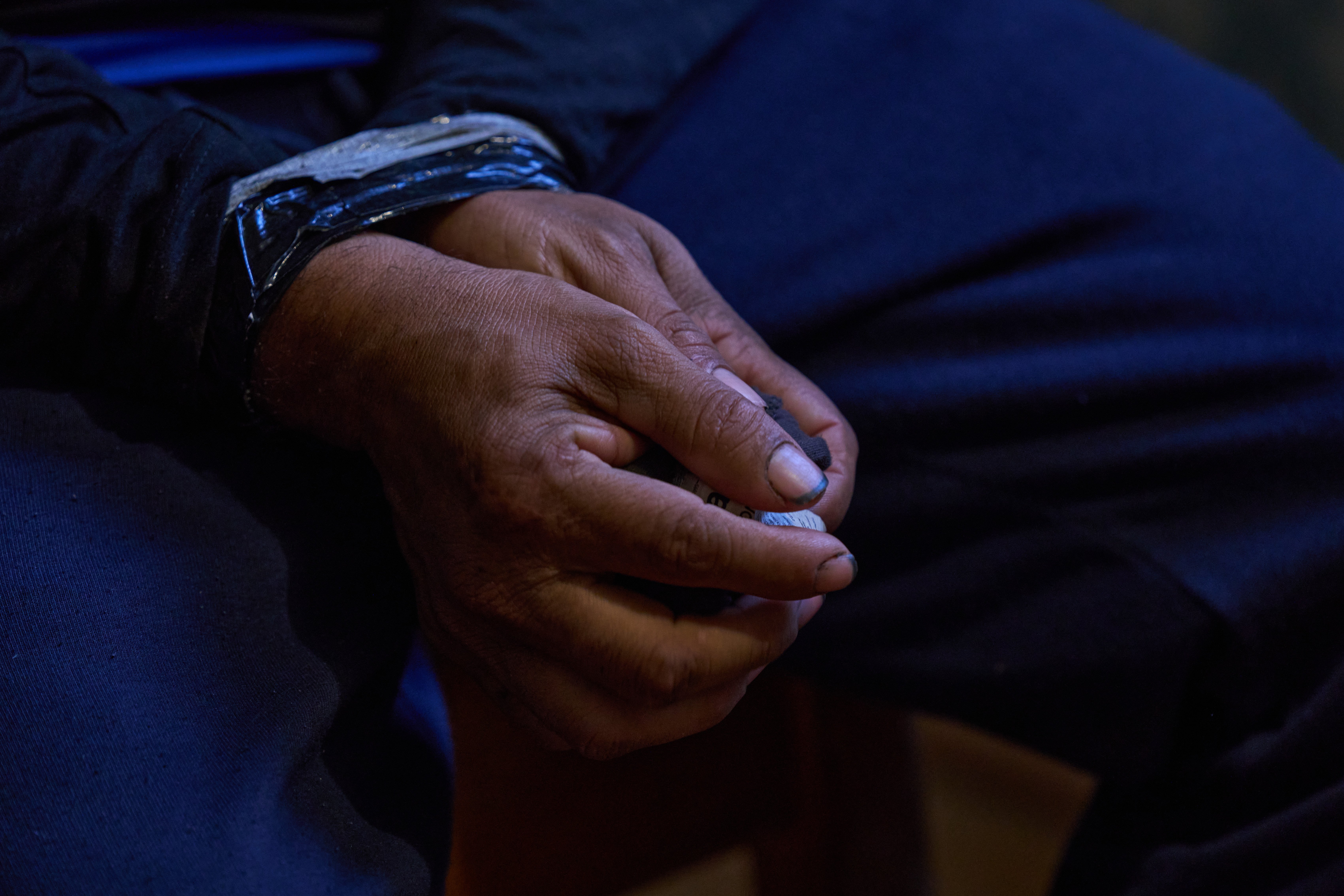
Shortly after his arrival in Russia, Mr. Oviedo Peña, along with his other Colombian travel companions were instructed to purchase all the combat gear they would need for missions. Claiming that he still refused to believe in his recruitment to Russia’s invading force in Ukraine, he noted that he was rocked when he learned from one of his comrades that someone he knew had been killed by a bomber drone somewhere along the eastern front. Staring at me with wet eyes, he croaked out: “They killed my friend.”
He proceeded to recount an experience that stuck out in his mind, when he had to spend seven straight days in a hole without water or food, hiding from drones buzzing by overhead, that were looking to kill anything that moved.
It was seven days of hunger; seven days when I had to drink my own urine. There was a time when I had to eat a can of food with worms. We cried. I had already given up. But I always said to God: help me, Lord. Protect me.
Russia’s POW from Colombia
Alexander Oviedo Peña
Mr. Oviedo Peña eventually surrendered himself to Ukrainian military servicemen along with Mr. Julio Velásquez, whose brother had been previously captured and had his life spared. He claimed their decision was one of bravery, not cowardice, and that they never hesitated to do what they felt was the absolute right thing to do.
We were very afraid, but we always clung to God. It was the best decision we made: to surrender. [The Russians] are deceiving you; don’t let them do it. They give you a lot of money, so they can deceive you with false promises.
Russia’s POW from Colombia
Alexander Oviedo Peña
As he rose from his seat across from me, the former rural brickmaker fixed his eyes on me and left me with one message, born from the hell he’d experienced on Russia’s side: “Money is not everything; it is an illusion. Be happy being poor.”
“Go ahead and kill them”: A Colombian farmworker’s refusal to assault Ukrainian villages
“Go ahead and kill them” was the clear directive given to Mr. Julio Velásquez and his compatriots, among whom was Gustavo Andres Roa Leal, another 32-year-old Colombian former agricultural worker. Promised a support role within the Russian military in Moscow, it was in May 2026 that he found himself ordered to attack a village and slaughter hundreds of Ukrainians in cold blood, under the leadership of his Russian commander.
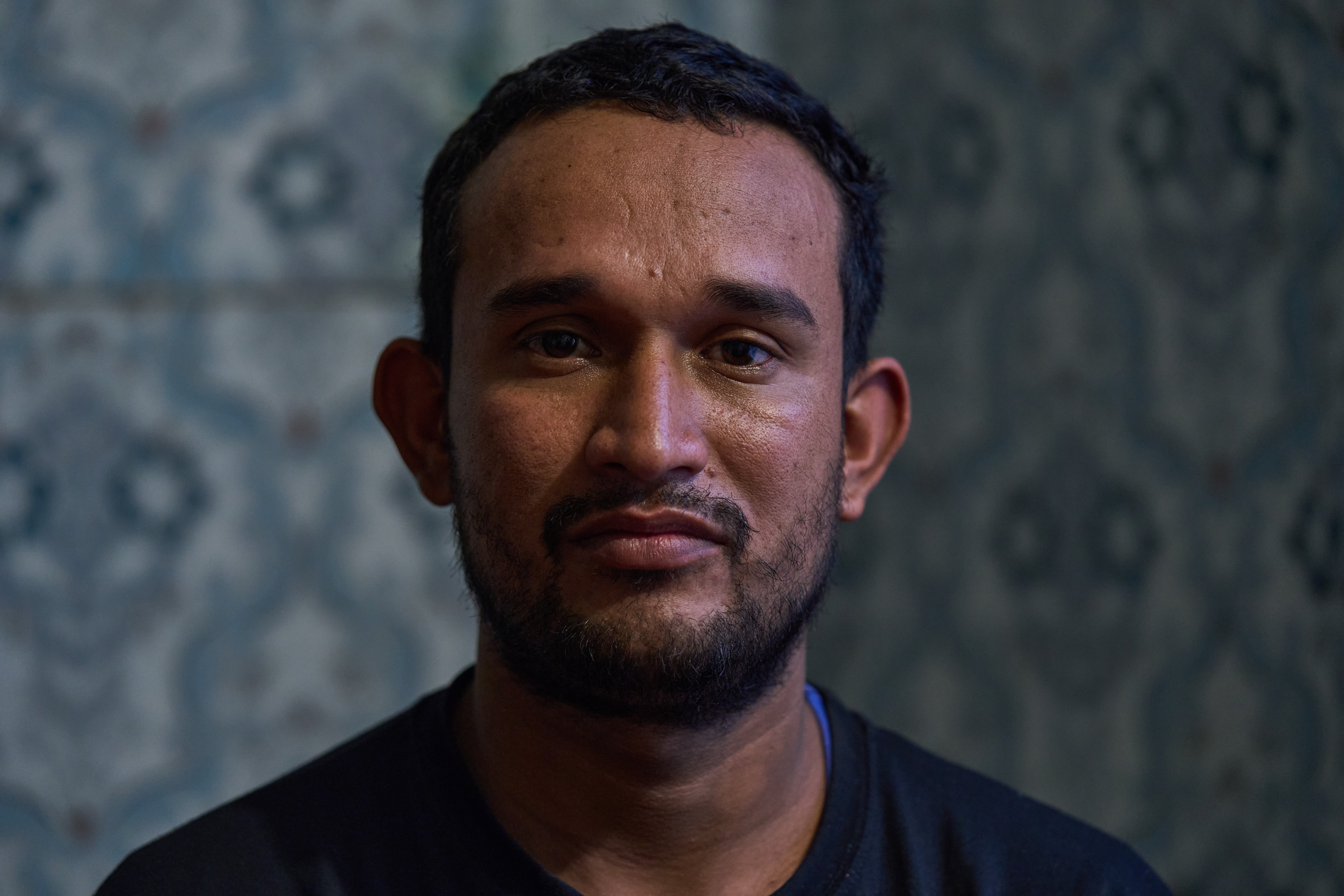
Recruited into Russia’s military via a Facebook page, he was promised by an agent named Jaguar that he would only be providing support work to the military, helping to reinforce bases and fulfilling other miscellaneous support tasks. Shortly after arriving, however, he was given secondhand combat gear, a rifle, and shuttled to a facility, where he was enrolled in an accelerated combat training program. It was during this training that Mr. Roa Leal was informed that he would no longer simply be fulfilling a support role.
They started to train us in house assaults, bunker assaults…We asked why. They said, ‘You came to engage in assaults.’ We said no and told them we’d been told we were only coming to engage in support roles and to guard the base. ‘No, you’re going on a mission,’ they said.
Russia’s POW from Colombia
Gustavo Andrés Roa Leal
To start their mission, Roa Leal and his comrades were transported deep into Ukraine’s Donbas, where they were instructed at first to secure Russian positions under heavy drone bombardment. Then, they were taken further and were instructed to capture a nearby Ukrainian settlement by any means necessary, even if it meant slaughtering unarmed civilians.
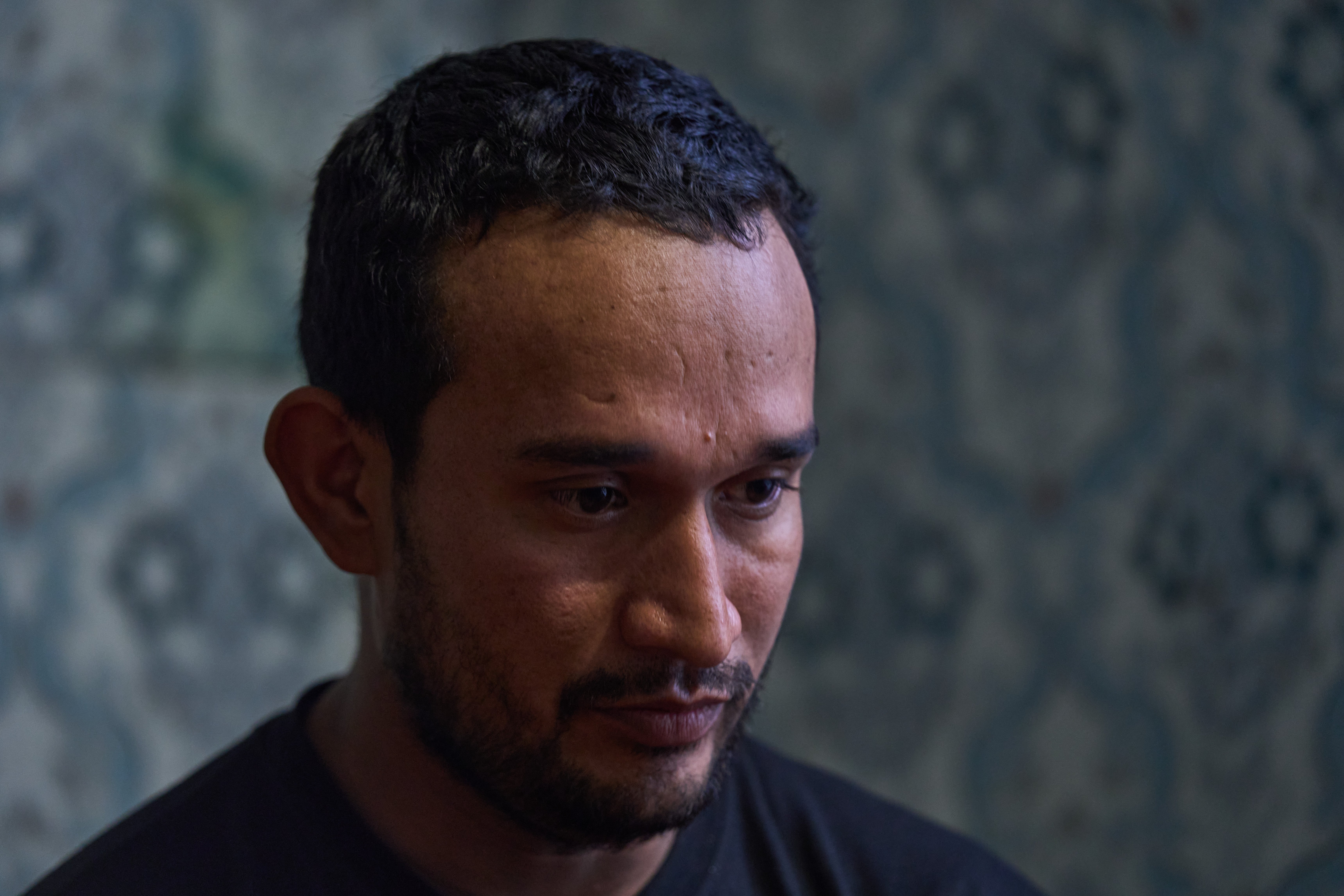
It was after this command that he and his companions decided they needed to turn themselves in because they had not signed up to kill Ukrainians. Resolving to end their nightmare, they made a makeshift Colombian flag, approached a Ukrainian drone with it, and waited, hoping with every fiber of their being, that the drone’s operator would accept their surrender and not instantly kill them.
We took off our helmets, our vests, and our shoes; we left everything behind. The drone looked at us, but since it saw us with the little flag, it didn’t do anything. Then we started to advance until we walked a kilometer, which was where the Ukrainian was, and we surrendered to him. And he [beckoned us forward].
Russia’s POW from Colombia
Gustavo Andrés Roa Leal
Now in Ukrainian captivity, Mr. Roa Leal has been able to reflect on what that moment of surrender and the ensuing series of events have meant to him. He recounted the treatment he experienced at the hands of his Ukrainian captors: regularly being given food and water, being spoken to like a human being, among other displays of dignity.
He also insisted on sharing that he believes he’s in this position because God has a plan for him, and that he should tell other Colombians they should never trust Russia’s promises. Like his comrade Mr. Julio Velásquez, he wishes to share the truth with his countrymen and protect them from falling into the same trap he did.
The loudest voices in the information space: How Russian propaganda fuels a global trafficking pipeline
Colombia and Ukraine are separated by an ocean and vast masses of land, yet thousands of its sons meet each other, quite often, at opposite ends of rifles or drone cameras in the blood-soaked fields of the Donbas. In fact, BBC reports that up to 7,000 Colombian nationals fill the ranks of Ukraine’s military, helping it to stave off Russia’s expansion crusade.
With such a vast distance separating these two nations, the simple question most people ask when they’re confronted with the above facts is why. While two answers have already been addressed at the start of this piece, the most sobering one is connected to something for which Russia has developed a particular prowess: information warfare.
And this practiced skill has allowed Russia to infiltrate Latin America in particular, in a way that can only end in the creation of more stories like the ones brought to light above.
Intelligence reports indicate that by the end of 2026, Russia aims to recruit at least 18,500 foreign nationals in general into its fighting forces. that To date, Ukrainian intelligence and international human rights groups estimate the amount of recruits in the Russian army from Latin America in particular climb as high as 8,000 individuals, with some organizations reporting an even higher amount.
I presented Mr. Julio Velásquez, for example, with the reality that thousands of his countrymen were fighting with Ukraine, believing they were defending democratic values and sovereignty. He said he understood this and reaffirmed that he’d never had a desire to kill anyone, especially not Ukrainians.
Upon being pressed, he admitted that the only things he really knew about Russia and Ukraine came from films, and that he’d joined the Russian side, simply because they were the loudest voices in the information space. He also explained how supportive his recruiter had been during the recruitment and “onboarding” process.
Mr. Roa Leal expressed similar sentiments, sharing that he actually at first had sought employment opportunities in Ukraine starting in 2022, but he was short on time, the money needed to get to Ukraine, and was unable to find relevant information in a timely manner. As a result, he was redirected to the Russian recruitment page he’d easily found on Facebook.
Various missile types and Shahed drones continue terrorizing Ukrainian cities, and the frontline of the war in Ukraine continues to be characterized by other drone types and artillery indiscriminately eliminating scores of men by the day. Although the men above have escaped, for every Lionel Francisco Julio Velásquez, Alexander Oviedo Peña, and Gustavo Andrés Roa Leal, there are countless more who are at various stages of Russia’s thriving global human trafficking pipeline.
Discuss this article:
-4a56a6b482ec132402c16ef6fcabf9a2.png)

-c439b7bd9030ecf9d5a4287dc361ba31.jpg "Photo of Katherina Popilnichenko")
-29a1a43aba23f9bb779a1ac8b98d2121.jpeg "Photo of Illia Kabachynskyi")