- Category
- War in Ukraine
Ukraine Hits Russian Electronic Warfare Station Used to Jam Starlink Communications in Occupied Donetsk
 Prefer U24 Media on Google
- Authors


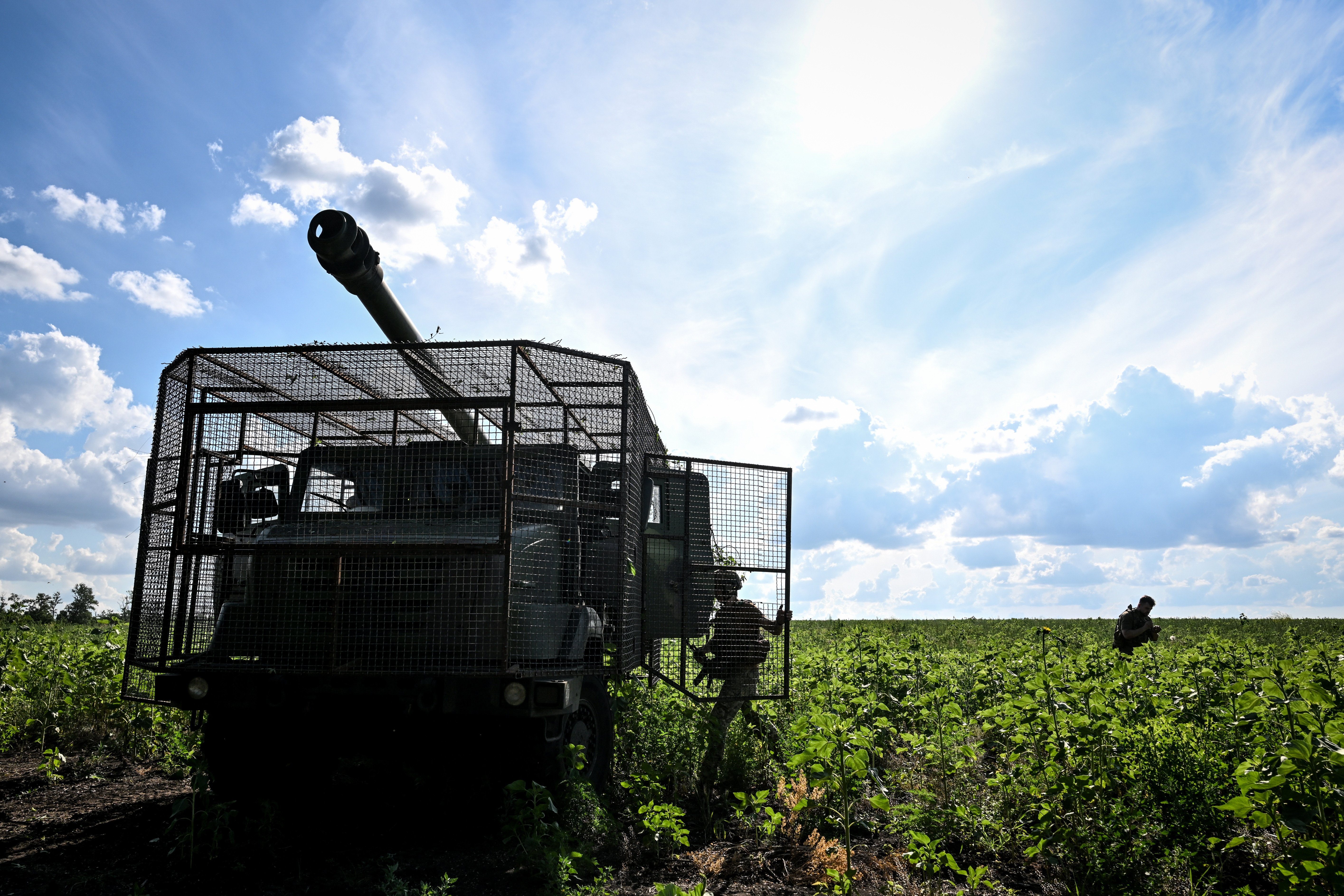
Ukrainian Defense Forces struck a Russian electronic warfare station used to disrupt Starlink satellite communications in the temporarily occupied Donetsk region, along with several ammunition and logistics facilities in Russian-controlled territories, Ukraine’s General Staff reported on November 9.
According to the General Staff, Ukrainian military units carried out a series of strikes on November 8 and overnight into November 9, targeting Russian military infrastructure across the occupied areas of Donetsk and Zaporizhzhia regions.
We bring you stories from the ground. Your support keeps our team in the field.
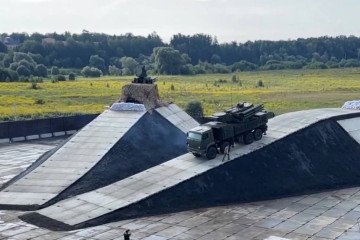
Among the targets was a Russian Starlink jamming station near Sartana in the occupied Donetsk region. The equipment was reportedly used by Russian forces to interfere with satellite communications relied upon by Ukrainian military units.
The General Staff emphasized that disabling such electronic warfare systems could help improve the reliability of Ukrainian military communications and increase the effectiveness and precision of Ukrainian drone operations.
In addition to targeting Russian electronic warfare capabilities, Ukrainian forces struck ammunition storage facilities in the occupied Zaporizhzhia region.
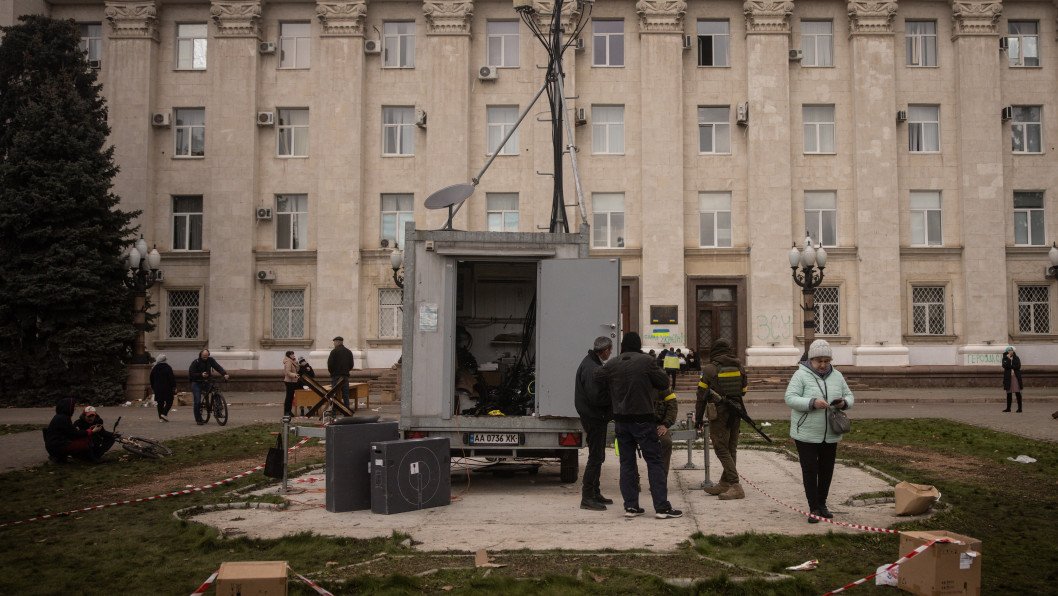
According to the military, ammunition depots near Tokmak and Ostrykivka were hit, disrupting Russian ammunition supplies intended for use against Ukrainian positions.
Ukrainian forces also targeted a Russian military logistics warehouse near Krasnohorivka in the Donetsk region, further striking the supply infrastructure supporting Russian operations in the area.
The strikes come as Russia continues developing and deploying its own satellite communications capabilities to support military operations in Ukraine.

On November 6, Reuters reported that Moscow had begun using its Rassvet satellite communications network, a Russian-developed alternative to SpaceX’s Starlink, potentially allowing Russian drones to adjust their flight paths in real time while reducing their vulnerability to Ukrainian electronic warfare.
Andrii Yusov, a representative of Ukraine’s Defense Intelligence (HUR), confirmed that Russian forces were already employing the system in operations over Ukraine.
However, the network’s effectiveness remains constrained by Russia’s limited number of satellites. Without sufficient spacecraft to provide continuous coverage, Rassvet can currently maintain communications only when its satellites pass over specific areas, limiting its operational availability.

Meanwhile, Ukraine is also developing alternative communication technologies to ensure its unmanned systems remain operational even when satellite connections are disrupted.
Ukrainian defense manufacturer Militech Group has developed the HRIM LTE modem, designed to maintain communications and control of aerial drones and ground-based robotic platforms during Starlink outages.
The device provides an LTE signal output of 1.5 watts, six times higher than the 0.25-watt output of conventional modems. Its increased transmission power is designed to support stable data connections in areas with weak cellular coverage, enabling unmanned systems to operate at distances of up to 45 kilometers.
Discuss this article: