- Category
- War in Ukraine
Ukraine Hits Russia’s Refineries So Bad Moscow Is Now Importing Fuel for Its Warplanes
 Prefer U24 Media on Google
- Authors


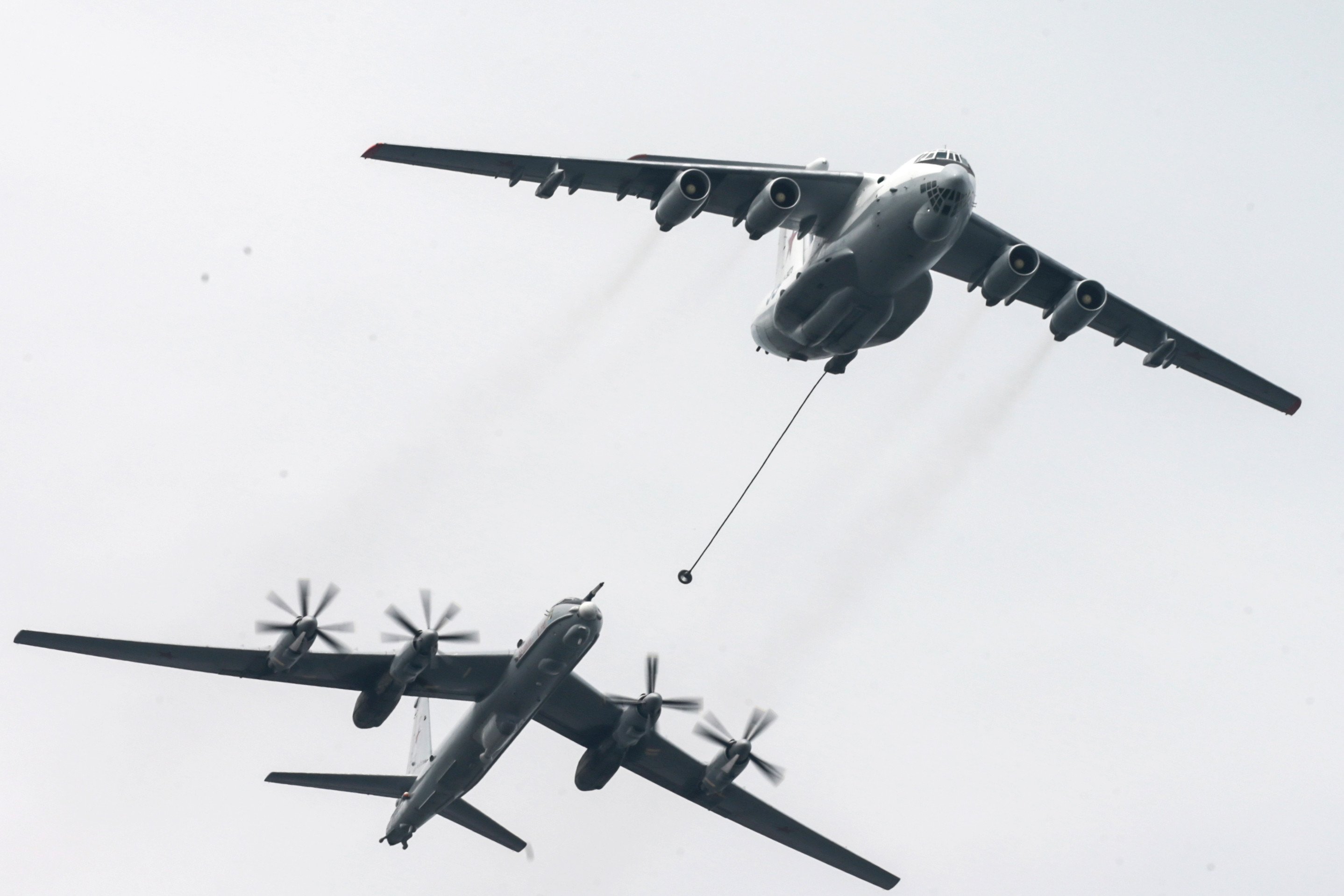
Systematic Ukrainian strikes on Russian oil refineries have sharply reduced the country’s aviation fuel production, forcing Moscow to import Jet A-1 from South Korea and Egypt to support both military and civilian aviation, Ukraine’s Defense Intelligence said on August 29.
According to HUR, Russia has also temporarily banned exports of its own aviation fuel as it attempts to preserve domestic supplies.
We bring you stories from the ground. Your support keeps our team in the field.
“To meet the needs of combat and civilian aviation, Russia, which for decades positioned itself as an energy superpower, has officially introduced a temporary ban on exports of its own aviation fuel and is forced to seek ways to import foreign Jet A-1 aviation fuel,” Ukrainian intelligence said.
Jet A-1 is broadly comparable to the Soviet- and Russian-standard TS-1 and RT kerosene fuels used in gas-turbine aircraft engines, allowing it to be used by a wide range of aircraft operated by the Russian military.
❗Ukraine’s strikes on russian oil refineries have cut jet fuel production, forcing moscow to suspend fuel exports and import Jet A-1. Shadow-fleet tankers have already delivered 70k tons from 🇰🇷 and 🇪🇬 to russian ports for military and civilian aviation: https://t.co/H9NCSj6L9V
— Defence Intelligence of Ukraine (@DI_Ukraine) August 29, 2026
HUR said the imported fuel is suitable for aircraft including the MiG-29, Su-34, Su-35S, Su-30SM, Su-57 and Su-24M, as well as Tu-95MS strategic bombers.
The fuel could also be used by Russia’s newer jet-powered Geran-4 and Geran-5 attack drones, which employ Telefly TJ2000A turbojet engines or Russian-made equivalents designated TRD-2000.
Ukrainian intelligence said three tankers linked to Russia’s shadow fleet have already delivered approximately 70,000 metric tons of Jet A-1 from South Korea and Egypt to Russian ports in St. Petersburg and Vladivostok.
The shipments were reportedly arranged for Russia’s Independent Oil and Gas Company, which supplies large quantities of fuel to TZK-AERO.
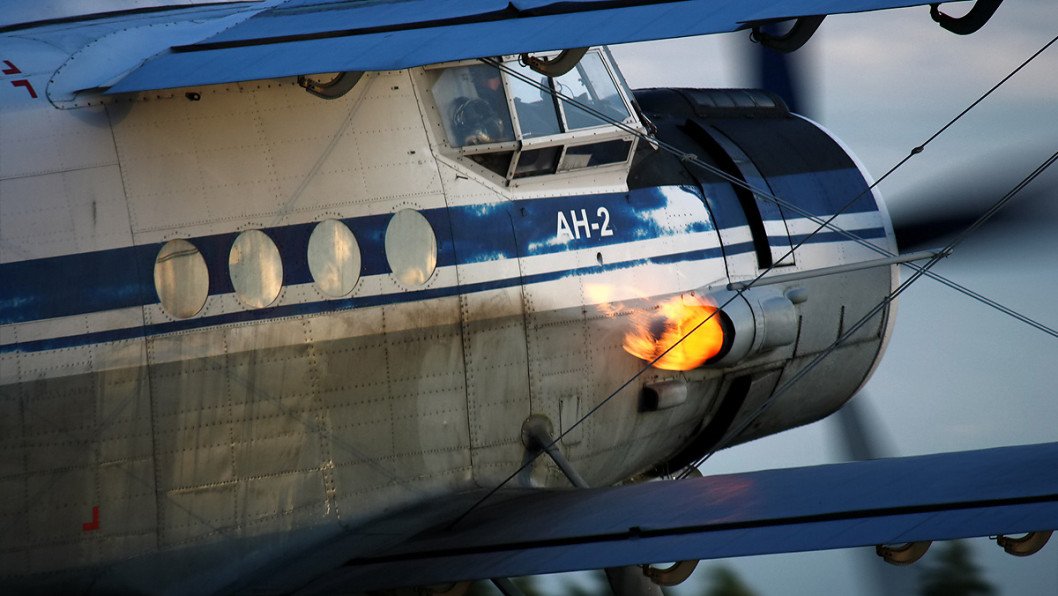
TZK-AERO, in turn, provides fuel under government contracts to the Russian military, the Federal Security Service and other Russian security formations, according to HUR.
Ukrainian intelligence said the supply chain for South Korean aviation fuel involved UAE-based Caliph Energy Trading FZE.
The Egyptian supply route reportedly involved the Middle East Oil Refinery, known as MIDOR, the Egyptian General Petroleum Corporation and UAE-based trading company Vernal Overseas FZE.
Earlier, reports emerged that Russia was considering easing aviation fuel standards in an effort to increase production following Ukrainian strikes on the country’s oil refineries.
Russia’s Transport Ministry has proposed allowing aviation fuel with a freezing point of up to minus 50 degrees Celsius, compared with the current requirement of minus 60 degrees Celsius.
Discuss this article:
-9a7b3a98ed5c506e0b77a6663f5727c5.png)



-80134f2dc17b4a887d01513a1c7bc929.png "Illustration of Russian military infrastructure targeted by Ukrainian strikes in temporarily occupied eastern Ukraine. (Source: General Staff of the Armed Forces of Ukraine)")