- Category
- War in Ukraine
Ukraine’s FPV Drone Breaks Through Russia’s New Tank Defense on First Known Battlefield Use
 Prefer U24 Media on Google
- Authors


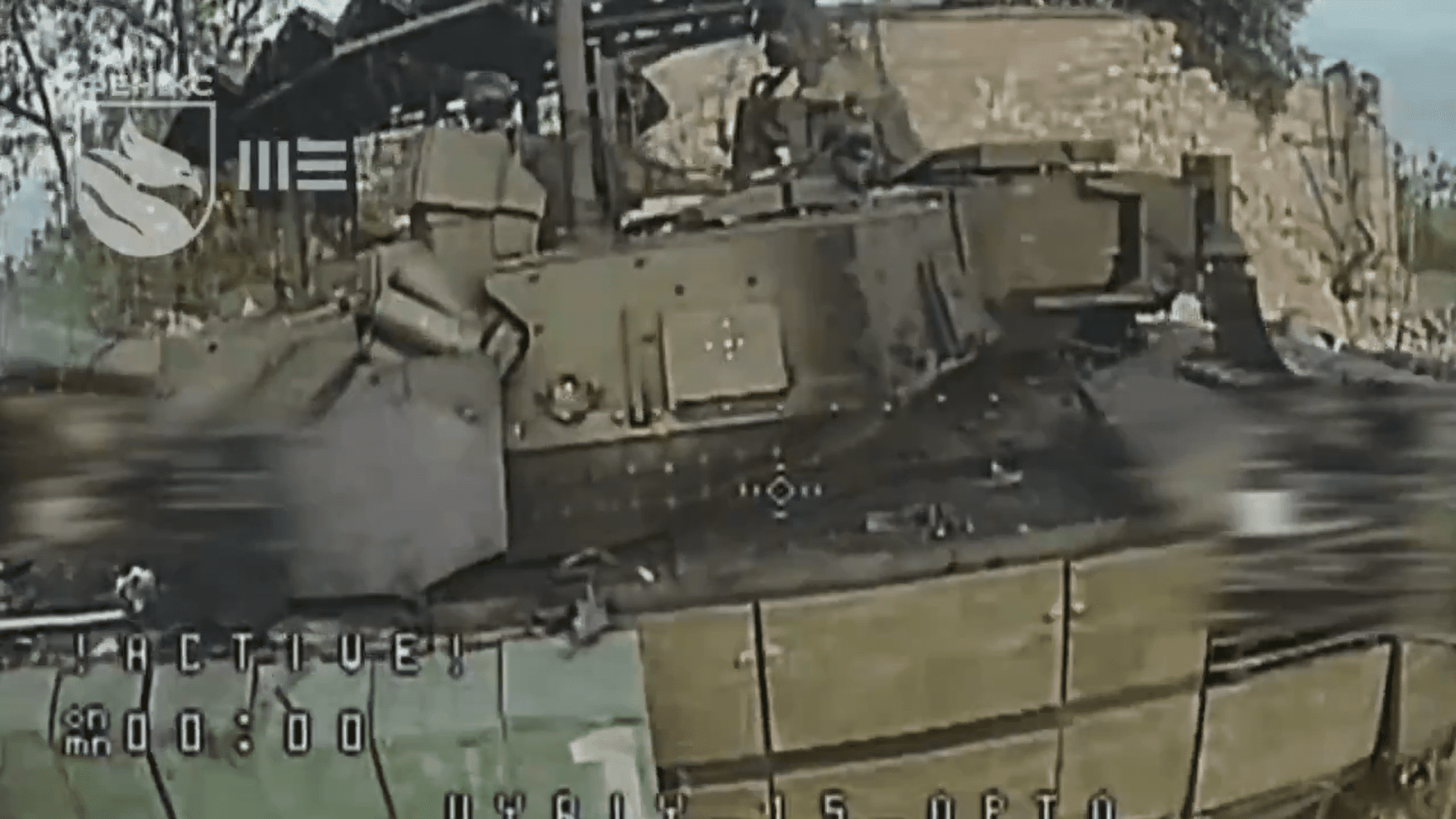
The first publicly documented battlefield appearance of a Russian T-72B3A tank fitted with the Arena-M active protection system—recently modified to counter FPV drones—appears to have failed.
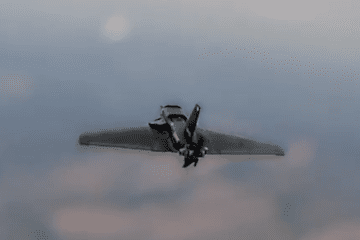
Footage released by the Ukrainian National Guard’s Omega Special Operations Center shows an FPV drone striking the rear of the tank without any visible response from Arena-M, Ukrainian defense outlet Militarnyi reported on July 24.
We bring you stories from the ground. Your support keeps our team in the field.
The vehicle was part of a 10-tank Russian column attacked near the village of Maiak in Ukraine’s Donetsk region. It remains unclear how many tanks in the formation carried the active protection system.
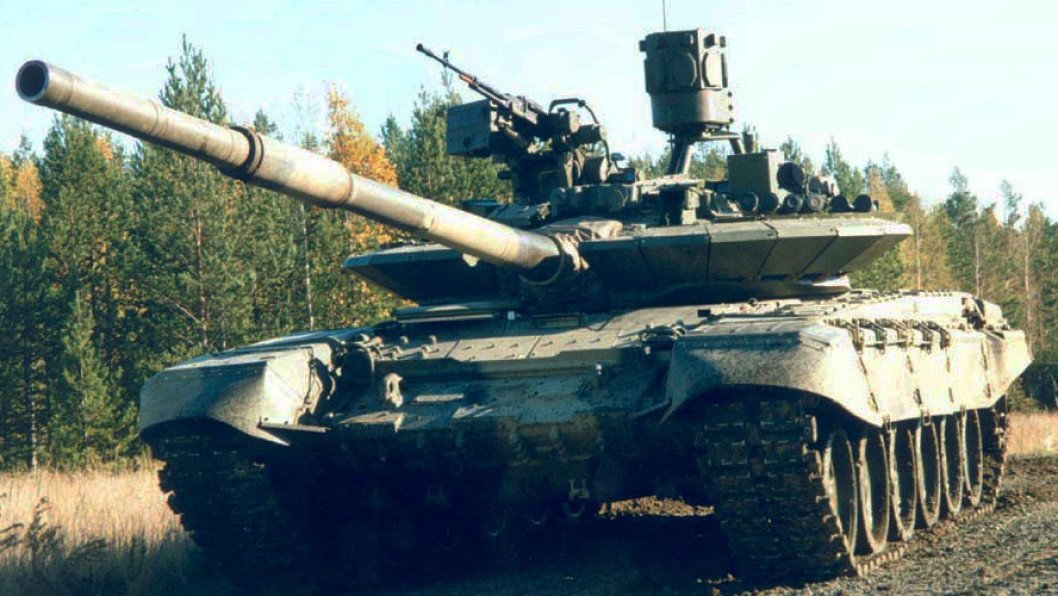
Arena-M is intended to detect an incoming threat with radar, track its approach, and launch a defensive projectile before it reaches the tank.
Russia has spent years attempting to adapt the system—originally conceived to defeat anti-tank missiles and rockets—to the smaller, slower, and less predictable FPV drones now dominating the battlefield.
The newly released footage suggests those upgrades may not have solved the system’s core problems.
Reports from November 2025 indicated that Russia was struggling to make Arena-M reliably detect and intercept FPV drones because of limitations in its radar technology.
Small drones can be difficult to distinguish from ground clutter at close range, particularly when flying low and approaching from irregular angles. Their plastic construction can also reduce their radar signature, although the metal warheads they carry should still provide a detectable return.
Tank researcher Andrii Tarasenko, cited by Militarnyi, has questioned claims that FPV drones are too difficult to detect because of their low visibility. Since the aircraft carry metal explosive components, he argued, Arena-M’s failure may point to deeper shortcomings in the system’s radar and processing capabilities.
UVZ (Uralvagonzavod) released a report about the "New Year's" delivery of T-90M tanks. The delivered tanks have no differences from those supplied previously, but the video claims that in the future they plan to install an active protection system (KAZ), which supposedly will… pic.twitter.com/0w9BkilDGy
— Andrei_bt (@AndreiBtvt) January 1, 2026
The system’s algorithms may also struggle to track and prioritize objects moving slowly or unpredictably—behavior common among FPV drones as operators maneuver them toward weak points in a vehicle’s armor.
Arena-M and its earlier variants have been under development since the late Soviet period. Despite repeated demonstrations and Russian claims that the system would be widely deployed, it has never entered large-scale frontline service.
Izvestia claims Russia is deploying T-72B3A tanks equipped with the Arena-M active protection system, which reportedly has been updated to counter drones. Russian media have recently posted footage of such tanks belonging to Tsentr Group of Forces.
— John Hardie (@JohnH105) July 8, 2026
1/https://t.co/5XOhBboeCY pic.twitter.com/NpLkx4EXX5
Russian engineers have worked to integrate Arena-M onto T-72B3 and T-90M tanks since at least 2019. Individual examples fitted with the system began appearing publicly in 2024, but remained rare.
Previously, Russian engineers modified the “Arena-M” active protection system (APS) to intercept top-attack anti-tank missiles like the US-made Javelin.
However, analysts noted that the missile in the test approached the tank at a relatively shallow angle. Javelins fired at long range strike their target in a steep dive, while those launched at closer range descend at a more direct angle. This raises questions about whether “Arena-M” can reliably intercept third-generation anti-tank guided missiles in real combat.
Discuss this article: