- Category
- War in Ukraine
Ukraine’s Medium-Range Strikes Hit Russian Drone Bases, Air Defenses and Ammunition Depots in October
 Prefer U24 Media on Google
- Authors


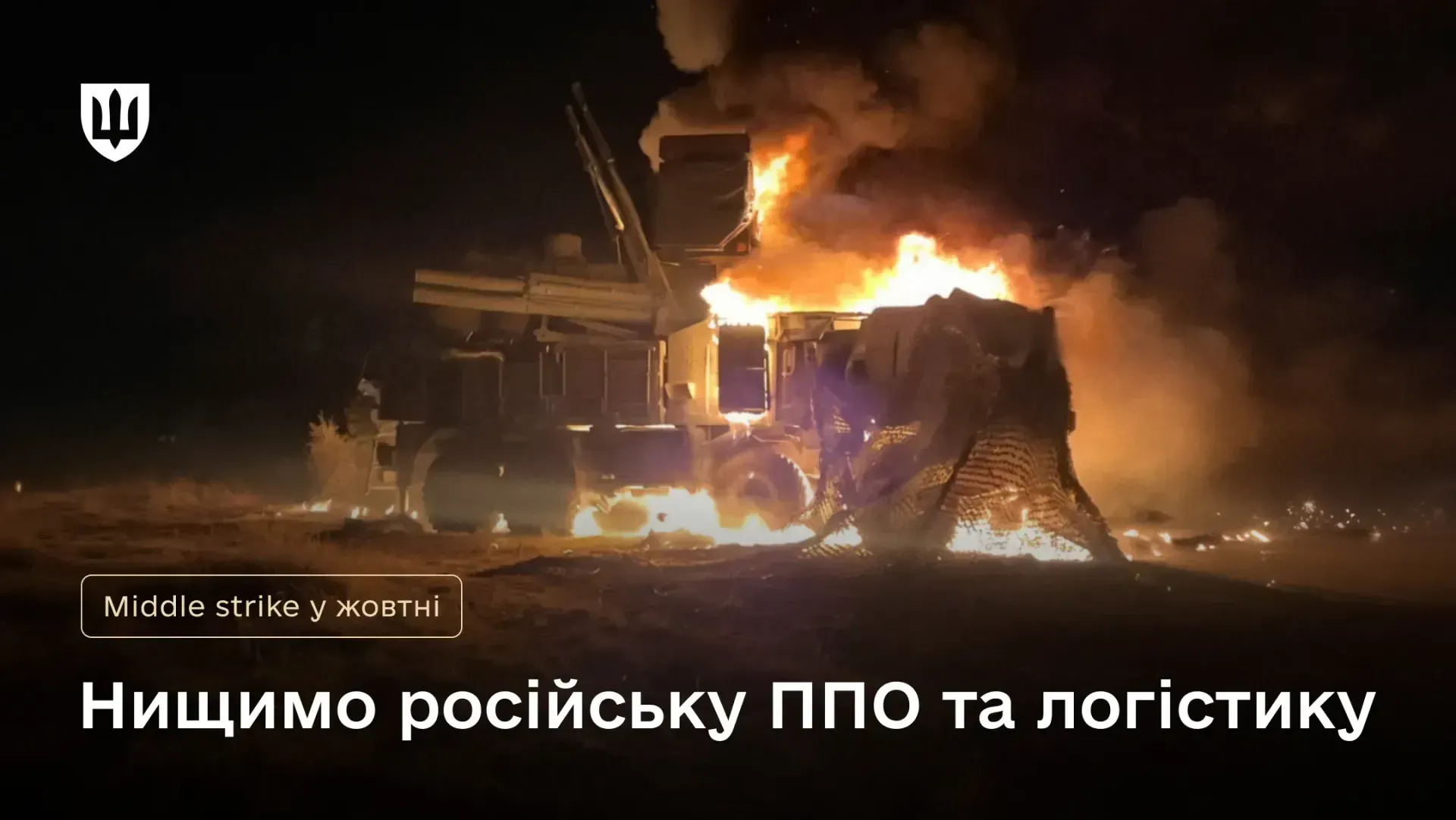
Ukrainian Defense Forces carried out a series of medium-range strikes against Russian military infrastructure throughout October 2026, targeting ammunition depots, drone facilities, air defense systems, command posts, and repair bases, according to Ukraine’s Ministry of Defense on November 4.
Citing available data from the General Staff of the Armed Forces of Ukraine, the ministry reported that Ukrainian forces struck 19 Russian air defense, electronic warfare, and radar systems, alongside 20 facilities supporting Russian attack drone operations.
We bring you stories from the ground. Your support keeps our team in the field.
The strikes also targeted 27 command and observation posts and 47 storage facilities containing ammunition, fuel, and military supplies.
In addition, Ukrainian forces carried out eight strikes against military repair facilities and 36 strikes on areas where Russian personnel were concentrated.
Russian drone infrastructure and air defense systems
A significant portion of the operations focused on disrupting Russia’s ability to store, prepare, and launch attack drones against Ukraine.
Throughout October, Ukrainian forces struck drone storage facilities in the Russian-occupied cities of Berdiansk, Sievierodonetsk, and Sverdlove. The military also confirmed damage to four drone storage sites near Hvardiiske in temporarily occupied Crimea.

On October 28, Ukrainian forces targeted three facilities associated with Russian attack drone operations near Navlya in Russia’s Bryansk region. The targets included a warehouse storing Geran attack drones, a drone launch and operations facility, and a fuel and lubricants depot.
According to the Ministry of Defense, these operations are intended to reduce Russia’s capacity to accumulate and launch attack drones against Ukrainian territory, including civilian infrastructure.
Alongside strikes on drone infrastructure, Ukrainian forces continued operations aimed at weakening Russian air defenses.
During October, Ukrainian strikes hit three Russian surface-to-air missile systems: a Buk-M3 in the Zaporizhzhia region, a Pantsir-S1 in Russia’s Krasnodar region, and a Tor-M2 in the Kursk region.
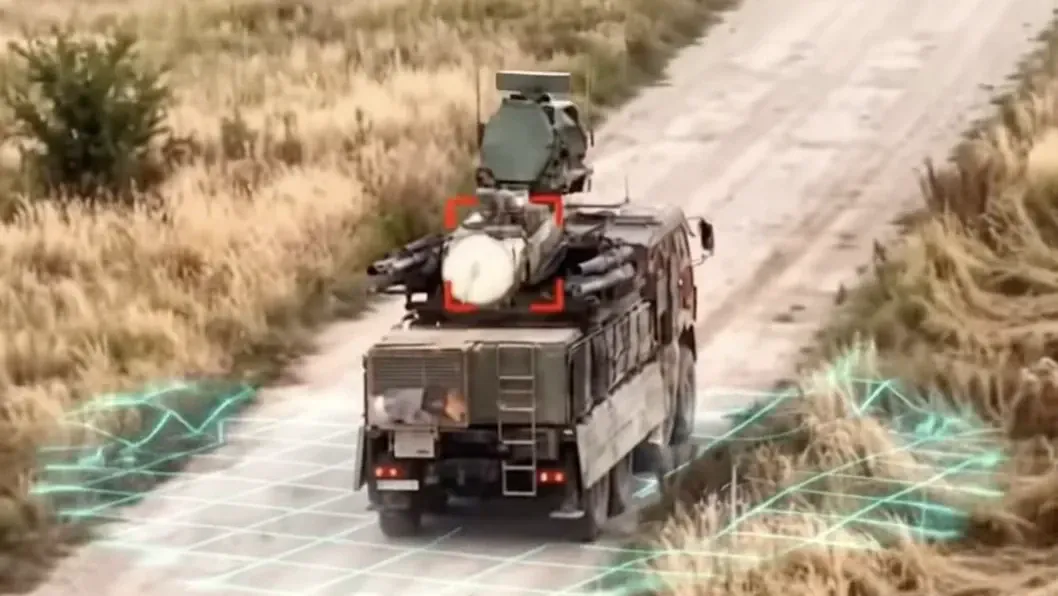
The military also targeted ten radar stations and six electronic warfare systems across Russia’s Bryansk, Kursk, and Belgorod regions.
The ministry explained that damaging these systems creates gaps in Russia’s radar coverage, weakens its air defense capabilities, and expands opportunities for Ukrainian forces to deploy unmanned systems.
Russian command networks and military logistics
Another priority was disrupting Russian military command structures and battlefield communications. Ukrainian forces struck command posts and command-and-observation facilities belonging to Russian units in the Donetsk, Luhansk, Zaporizhzhia, and Kherson regions, as well as inside Russia.
Additional strikes targeted communications hubs and telecommunications infrastructure near Donetsk and Melitopol, along with two telecommunications towers in Crimea.
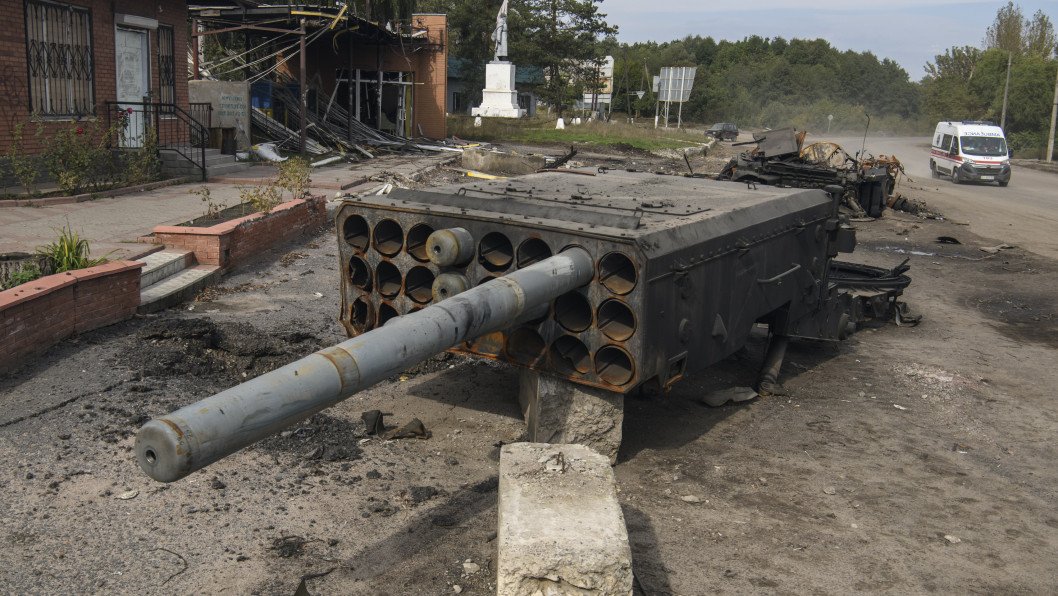
According to the ministry, damaging these facilities complicates information exchanges between Russian units, undermines battlefield coordination, and disrupts command and control operations.
Ukrainian forces also concentrated on Russian military logistics, targeting ammunition depots, fuel storage facilities, and supply warehouses across the occupied territories of the Donetsk, Luhansk, Zaporizhzhia, and Kherson regions, as well as Crimea.
Among the infrastructure targets was a railway bridge crossing the Unecha River in Russia’s Bryansk region. The ministry said the strike was intended to complicate the transportation of ammunition, fuel, and military equipment to Russian forces.
By targeting storage facilities and transportation infrastructure, Ukrainian forces aim to reduce Russian military reserves and disrupt the supply chains supporting frontline units.
Russian repair facilities
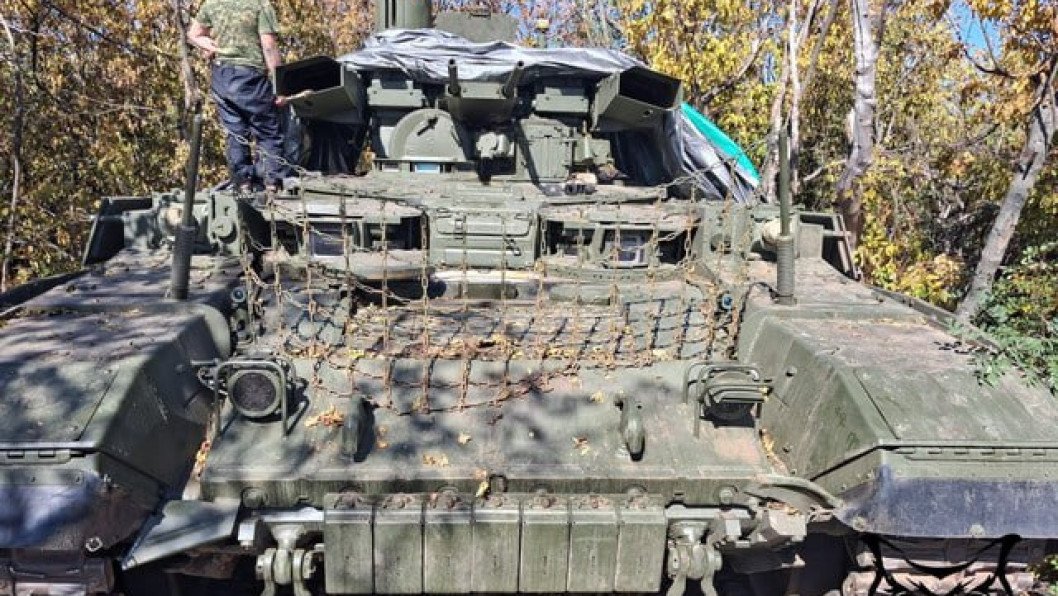
In parallel, Ukrainian strikes targeted Russian military repair facilities responsible for maintaining and restoring equipment. During October, repair sites were struck in the Donetsk, Luhansk, and Kherson regions, as well as inside Russia.
Among the targets was a repair base in Russia’s Kursk region servicing launchers and transporter-loader vehicles used by the Iskander-M missile system.
Another strike targeted a vehicle and armored equipment repair facility belonging to Russia’s Southern Group of Forces near Sukhodilsk.
Beyond infrastructure and repair facilities, Ukrainian forces also struck two areas where Russian weapons and military equipment were concentrated, along with 36 locations where Russian personnel were deployed.
Among the personnel targets were members of Russia’s Rubikon drone unit operating in the Zaporizhzhia region.

The medium-range operations were conducted alongside Ukraine’s broader campaign of long-range strikes against Russian military and strategic infrastructure.
In a separate November 3 statement, Ukraine’s Ministry of Defense reported that Ukrainian forces had struck at least 30 military and strategically important targets inside Russia during October, including defense manufacturing plants, military airfields, aircraft, radar installations, and logistical facilities.
Summarizing the results of these long-range operations, the ministry said the strikes hit seven enterprises associated with Russia’s defense and aerospace industries, three military airfields, and several radar and military communications facilities.
Discuss this article: