- Category
- War in Ukraine
From $100 Million Fighter Jets to Missile Factories, Ukraine Strikes 30 Russian Military Targets in October
 Prefer U24 Media on Google
- Authors


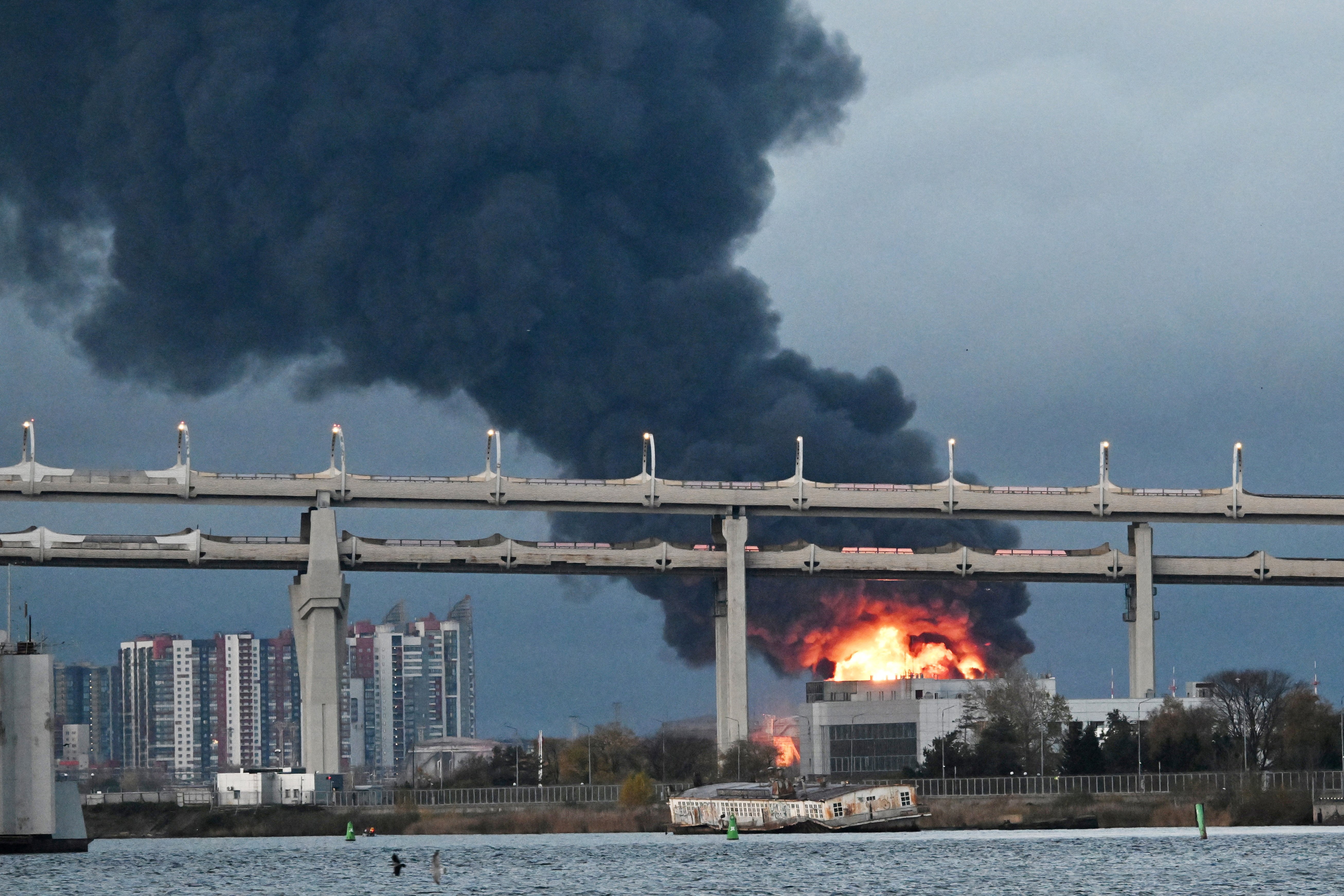
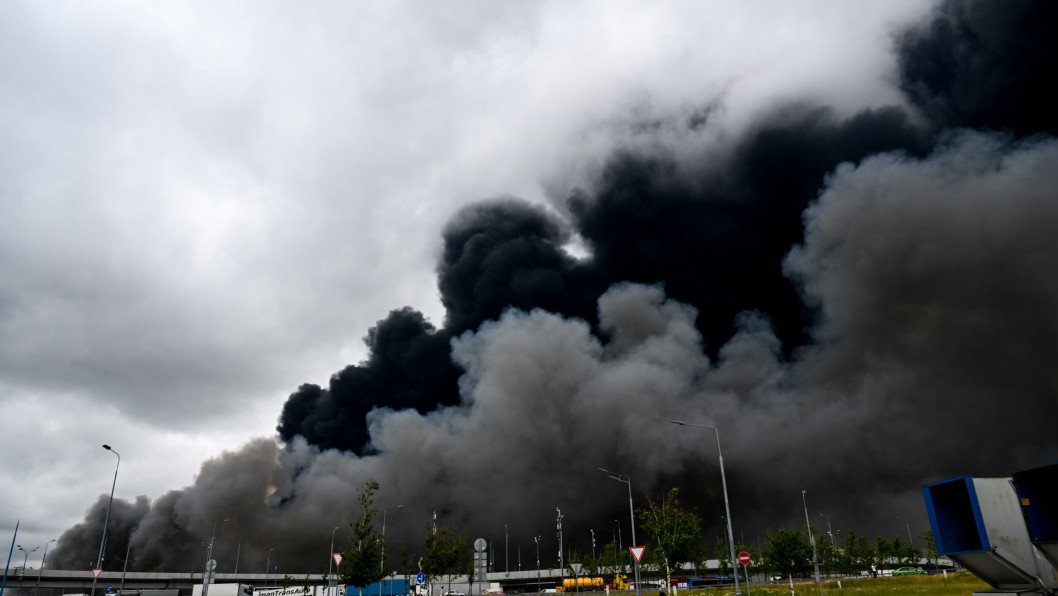
Ukrainian Defense Forces struck at least 30 military and strategic facilities across Russia in October 2026, targeting defense industry enterprises, military airfields, aircraft, radar systems, and logistics infrastructure, according to Ukraine’s Ministry of Defense.
In a statement on November 3, outlining the results of Ukraine’s long-range strike operations, the ministry reported that the attacks targeted seven facilities associated with Russia’s defense and aerospace industries, three military airfields, and several radar and military communications installations.
We bring you stories from the ground. Your support keeps our team in the field.
Additional targets included ammunition depots, command posts, repair facilities, a missile launcher, and a base used to deploy Russian attack drones.
Among the facilities struck was the Proton-Electrotex plant in Oryol, approximately 170 kilometers from Ukraine’s border. The enterprise manufactures electronic components used in missile production.
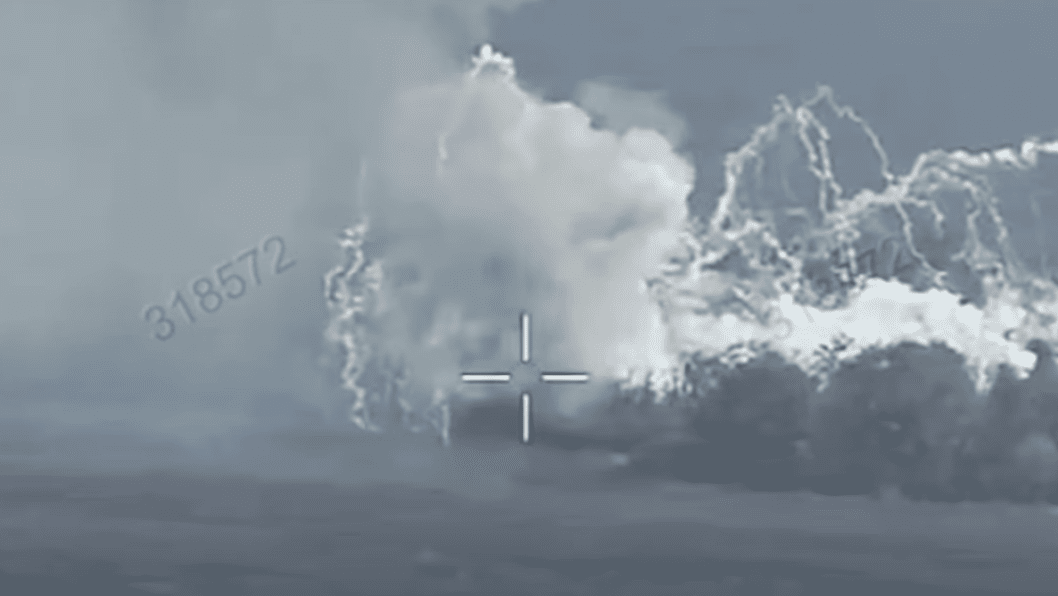
According to the ministry, the strike destroyed the plant’s main microchip production workshop and damaged a building and servers.
Another target was the Kamensky chemical plant in Russia’s Rostov region, approximately 200 kilometers from the Ukrainian border. The facility produces solid rocket fuel used in missile manufacturing.
The ministry reported that four production workshops were damaged in the attack, while a fire broke out at a warehouse storing finished products.
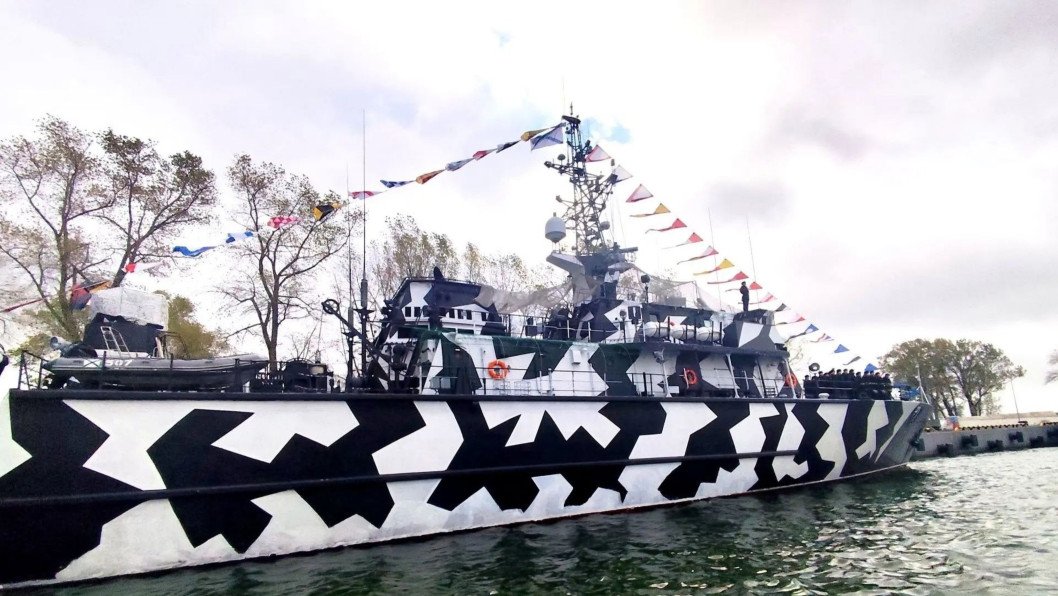
Ukrainian forces also targeted the Energia enterprise in Russia’s Lipetsk region, approximately 280 kilometers from the border. The facility manufactures batteries used in aerial bombs and missiles.
Further strikes targeted the Redkino Experimental Plant in the Tver region, located approximately 500 kilometers from Ukraine, which produces fuel components for Russian Kh-55 and Kh-101 missiles.
In the Rostov region, Ukrainian forces struck Roboavia, a company involved in developing and manufacturing unmanned aerial vehicles for the Russian military.
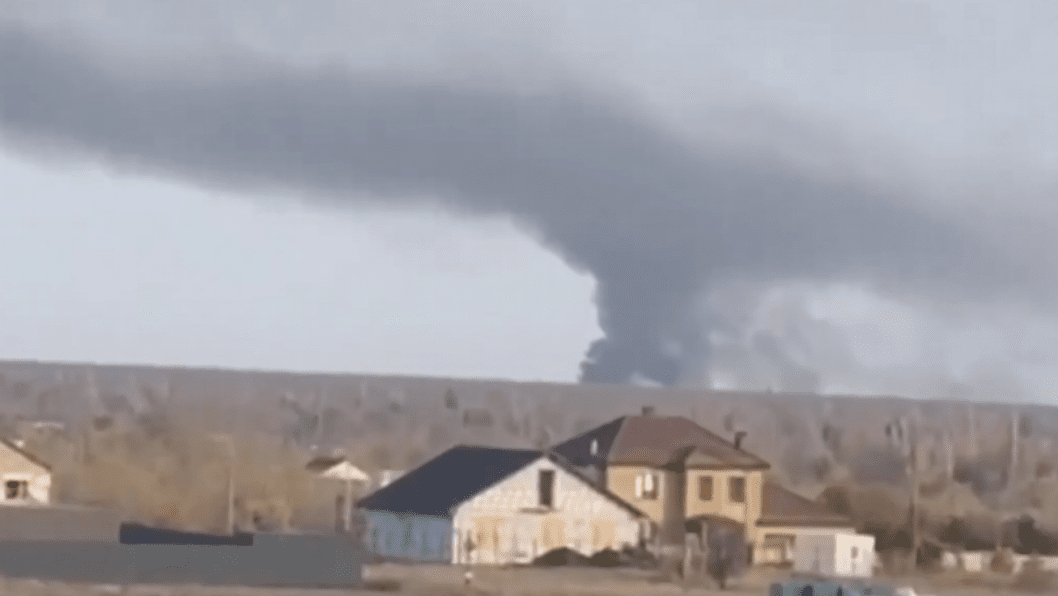
Other targets included the Center for Operation of Ground-Based Space Infrastructure and the Intercontinental Ballistic Missile Elimination Center in Russia’s Nizhny Novgorod region, approximately 650 kilometers from the Ukrainian border.
According to the Defense Ministry, damaging these facilities complicates Russia’s production of missile fuel, electronic components, weapons systems, and military drones.
Beyond defense industry facilities, Ukrainian forces also targeted Russian military aviation infrastructure, striking three airfields used by Moscow’s armed forces.
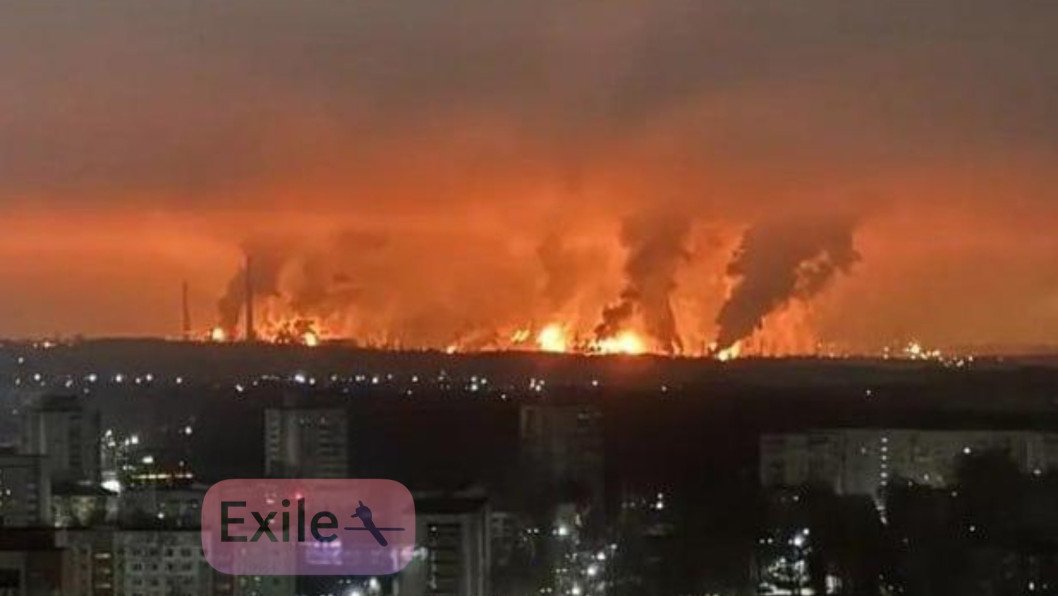
The ministry identified the affected airfields as Borisoglebsk in the Voronezh region, Marinovka in the Volgograd region, and Yeysk in Krasnodar Krai.
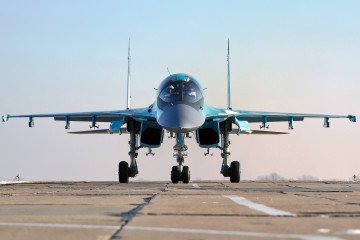
At Borisoglebsk airfield, approximately 340 kilometers from Ukraine’s border, Ukrainian forces damaged six Russian Su-34 fighter-bombers.
Another two Su-34 aircraft were destroyed at Marinovka airfield on October 29 during a strike carried out by Ukrainian Navy missile units using Neptune coastal missile systems.
The ministry estimated the combined value of the two destroyed aircraft at approximately $100 million.
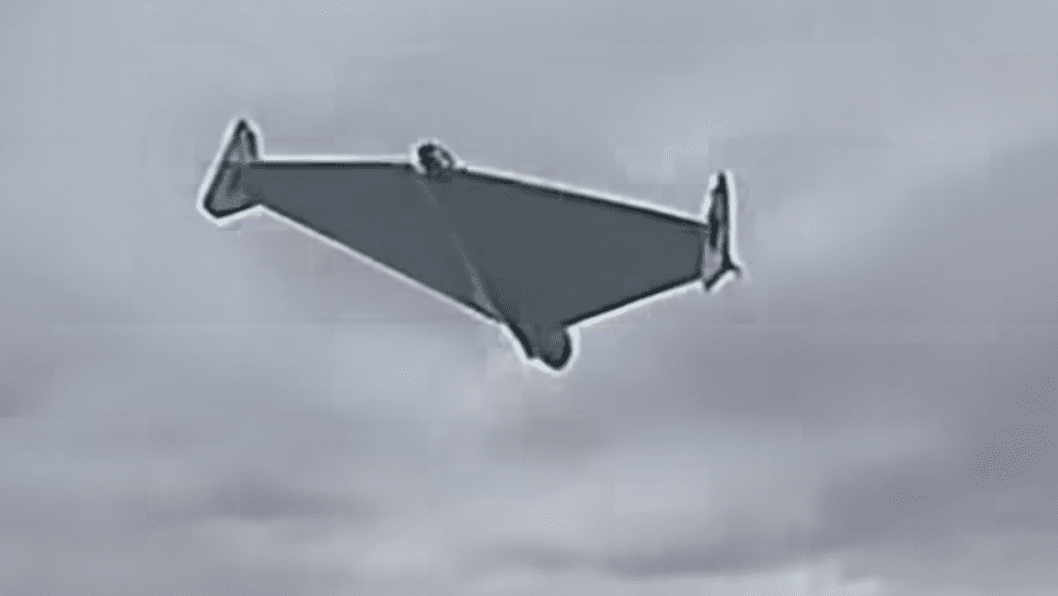
Ukrainian forces also struck an aircraft at Yeysk airfield, located approximately 150 kilometers from the Ukrainian border.
The Su-34 is one of Russia’s primary aircraft used to launch guided aerial bombs against Ukrainian cities, frontline communities, and military positions.
According to the ministry, damaging or destroying these aircraft reduces Russia’s ability to conduct such attacks.
Ukraine’s October operations also targeted Russian radar and missile systems.
Near Magri in Krasnodar Krai, approximately 450 kilometers from Ukraine’s border, Ukrainian forces struck a Russian 55Zh6U Nebo-U radar station, estimated to be worth around $100 million.
The ministry also reported a strike against a relay component of a Russian military mesh communications network in the Black Sea.
Another significant target was a launcher belonging to Russia’s Iskander-M operational-tactical missile system in the Kursk region.
Additional strikes hit Russian military command posts, ammunition and logistics depots, repair units, and a field artillery ammunition storage facility.
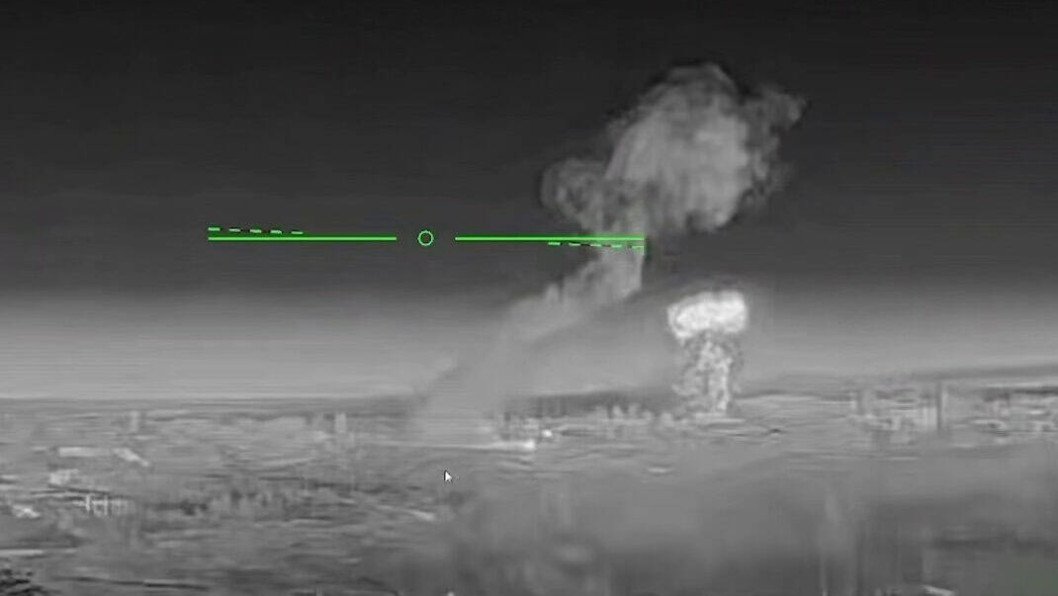
While the Defense Ministry’s report focused on long-range operations conducted throughout October, Ukrainian forces have continued targeting Russian military equipment in frontline areas.
On November 3, Ukraine’s 429th Separate Unmanned Systems Brigade “Achilles” reported disabling a Russian 2S19 Msta-S self-propelled howitzer with multiple FPV drone strikes.
The 2S19 Msta-S is a Russian 152 mm tracked self-propelled artillery system designed to provide mobile fire support. It has a firing range of approximately 25 kilometers with conventional ammunition, which can be extended using specialized projectiles. The howitzer carries around 50 rounds and is typically operated by a five-person crew.
Discuss this article: