- Category
- World
How Russia's 3-Month Chemical Export Ban Reveals a Supply Crisis With Military Stakes
 Prefer U24 Media on Google
- Authors


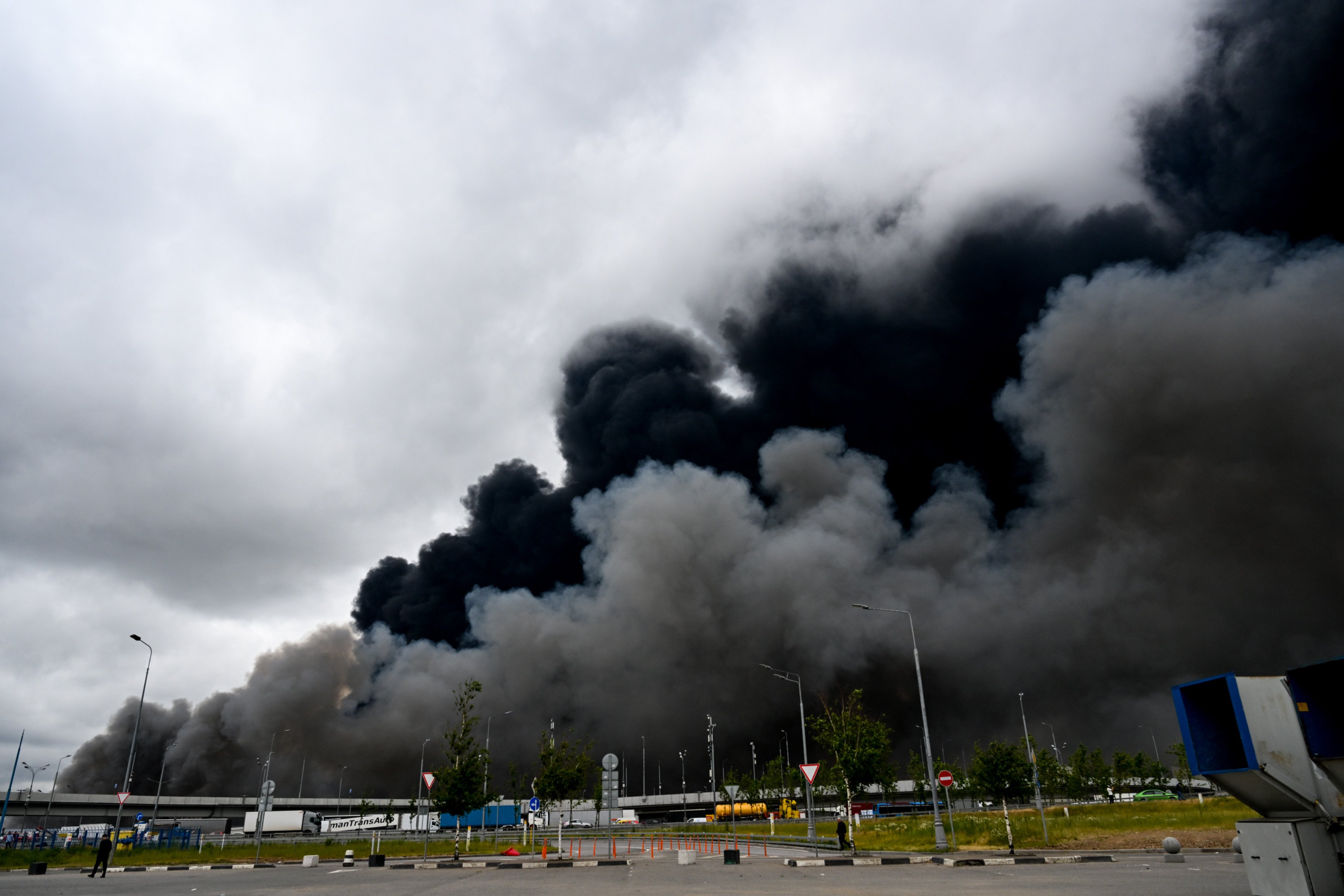
Russia imposed a three-month ban on exports of key petrochemical products on November 2 amid growing pressure on domestic fuel and industrial raw material supplies from disruptions at refineries and petrochemical facilities hit by Ukrainian strikes.
The restrictions cover coal-tar and petroleum-derived benzene, toluene, orthoxylene, paraxylene, and phenol exported outside the Eurasian Economic Union (EAEU), Interfax reported on November 2.
We bring you stories from the ground. Your support keeps our team in the field.
The Russian government officially justified the measure as necessary to maintain stable supplies of raw materials for domestic manufacturers.
The shortages, however, had been building since summer as Russian refineries increasingly prioritized aromatic hydrocarbons for gasoline production rather than supplying them to petrochemical manufacturers.
Kommersant reported on August 18 that Russian oil companies were directing a growing share of aromatic hydrocarbons into fuel production amid refinery disruptions and gasoline shortages. The shift reduced supplies available to industries that use benzene, toluene, xylenes, and other petrochemical feedstocks.
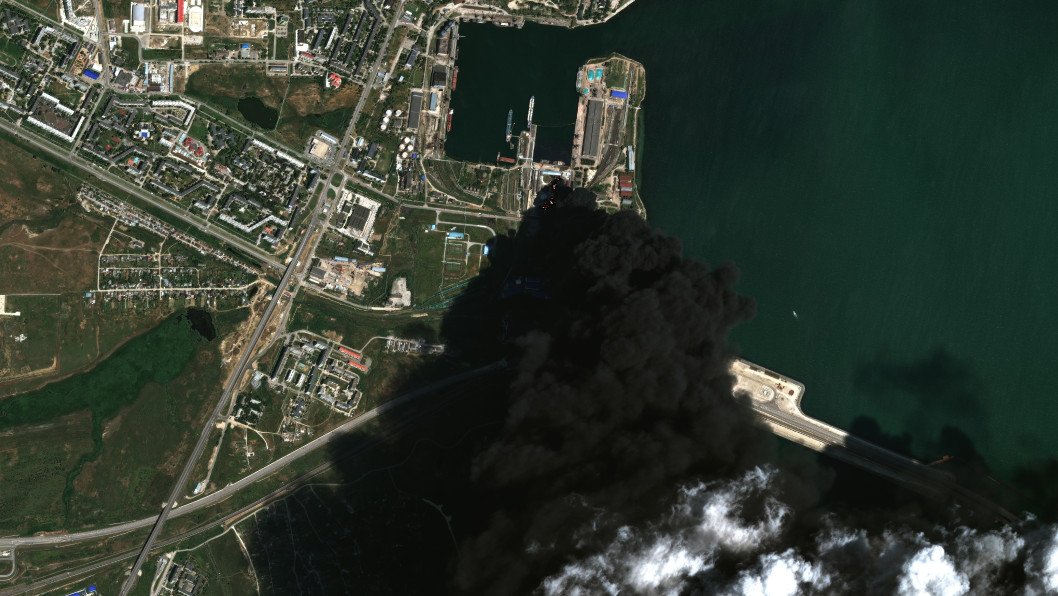
Russia also relaxed fuel-quality standards. In August, the government authorized the production and sale of Euro 2, Euro 3, and Euro 4 gasoline and diesel through July 1, 2027.
Under the lower standards, gasoline can contain up to 42% aromatic hydrocarbons, compared with a 35% limit under the Euro 5 standard, thereby further increasing competition for the same chemical components.
The consequences have already spread to civilian industries. Phenol prices nearly doubled at their August peak, while toluene and orthoxylene reached record levels. Producers of industrial resins used in plywood and particleboard manufacturing were among those affected, with some warning of possible production shutdowns.
By late October, shortages of benzene and styrene were still affecting the Russian market. Kommersant reported on October 29 that the priority use of aromatic components in gasoline production continued to restrict benzene supplies to petrochemical companies.

The newspaper also noted that elevated domestic prices had already made exports commercially unattractive, raising questions over how much additional supply the new export ban would free up.
The government’s public explanation emphasized civilian applications for the restricted chemicals, including automotive and aviation coatings, food packaging, flooring, cable insulation, shipbuilding, railway engineering, and medical products.
The Russian government decree explicitly exempts certain exports intended to support Russian military formations deployed abroad, as well as shipments under military-technical and defense-industrial cooperation arrangements.
Several of the restricted chemicals also have military applications.
Toluene is a precursor used in the production of TNT. Phenol-derived resins also have aerospace and defense applications, including heat-resistant composite materials used in solid-rocket-motor components.
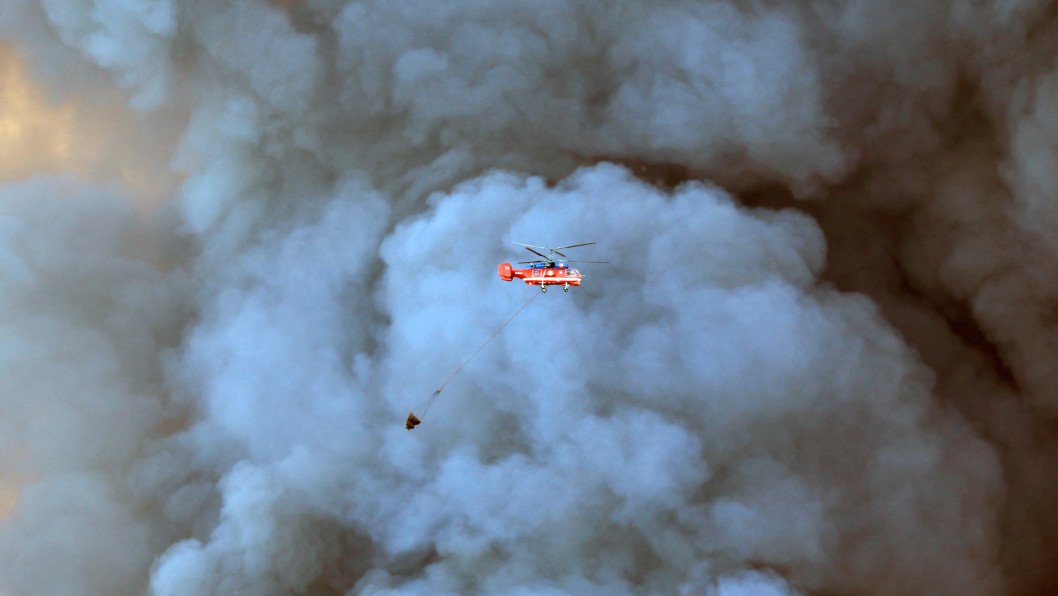
The pressure on Russia’s petrochemical sector reflects the broader effects of Ukraine’s long-range strike campaign against Russian energy infrastructure.
In a September 17 assessment, the International Energy Agency said Russian refineries were hit on average once every three days during the first eight months of 2026.
Russian refinery throughput fell to 3.8 million barrels per day in June, its lowest level in more than 20 years and roughly 30% below the previous year. Reported gasoline output was down about 20% compared with 2025, while diesel production was estimated to have fallen by nearly 30%, according to the IEA.
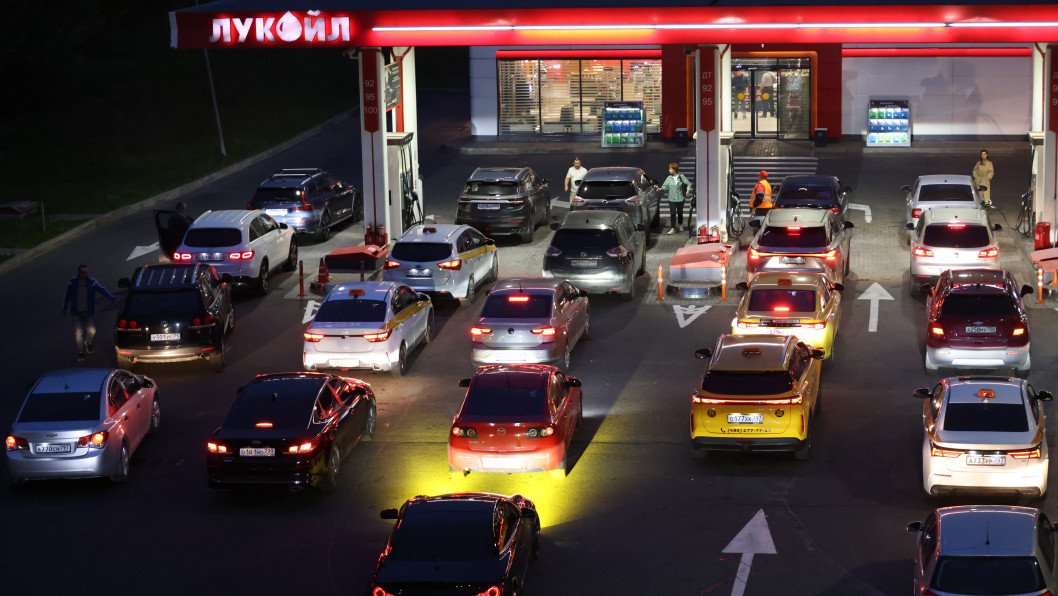
The strain on petrochemical feedstocks was driven by a wave of Ukrainian strikes on the Syzran, Slavneft-YANOS, and Gazpromneft-Moscow refineries between September 14 and 20.
Ukraine’s General Staff stated that those attacks pushed the share of Russia’s refining capacity that is disabled above 45% and contributed to lower production of Euro 5 gasoline and diesel.
Russia has responded to the broader fuel crunch with a series of export restrictions and lower fuel-quality requirements intended to preserve domestic supplies as Ukrainian strikes continue to disrupt refinery operations.
Discuss this article: