- Category
- War in Ukraine
Ukrainian Brigade Uses Polish FlyEye Drone to Guide HIMARS Strike on Russian Positions Near Bakhmut
 Prefer U24 Media on Google
- Authors


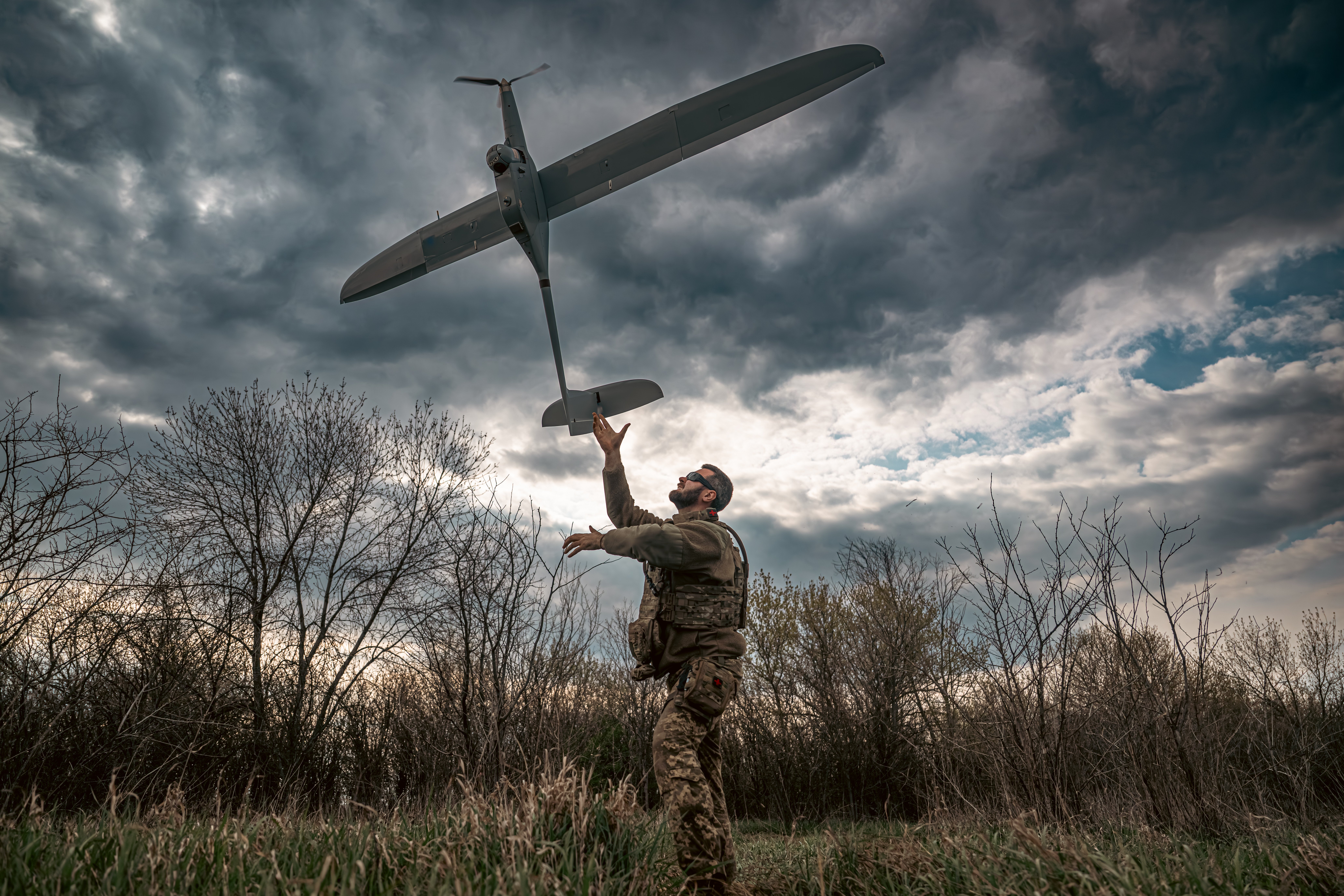
Ukraine’s 26th Separate Artillery Brigade used a Polish-made FlyEye reconnaissance drone to identify and guide a HIMARS strike that destroyed a Russian ammunition depot and an artillery position in the Bakhmut sector, according to Ukraine’s 26th Separate Artillery Brigade on July 24.
We bring you stories from the ground. Your support keeps our team in the field.
The brigade released footage of the operation, stating that the strike was carried out through coordination between its aerial reconnaissance unit and rocket artillery.
According to the brigade, operators from the “Sokil” crew initially searched for a Russian multiple launch rocket system but were unable to locate it due to unfavorable conditions. They instead investigated coordinates linked to a regularly active artillery position.
The brigade said the HIMARS strike hit an ammunition storage site at the position, triggering a secondary explosion that destroyed both the ammunition stockpile and the artillery system.
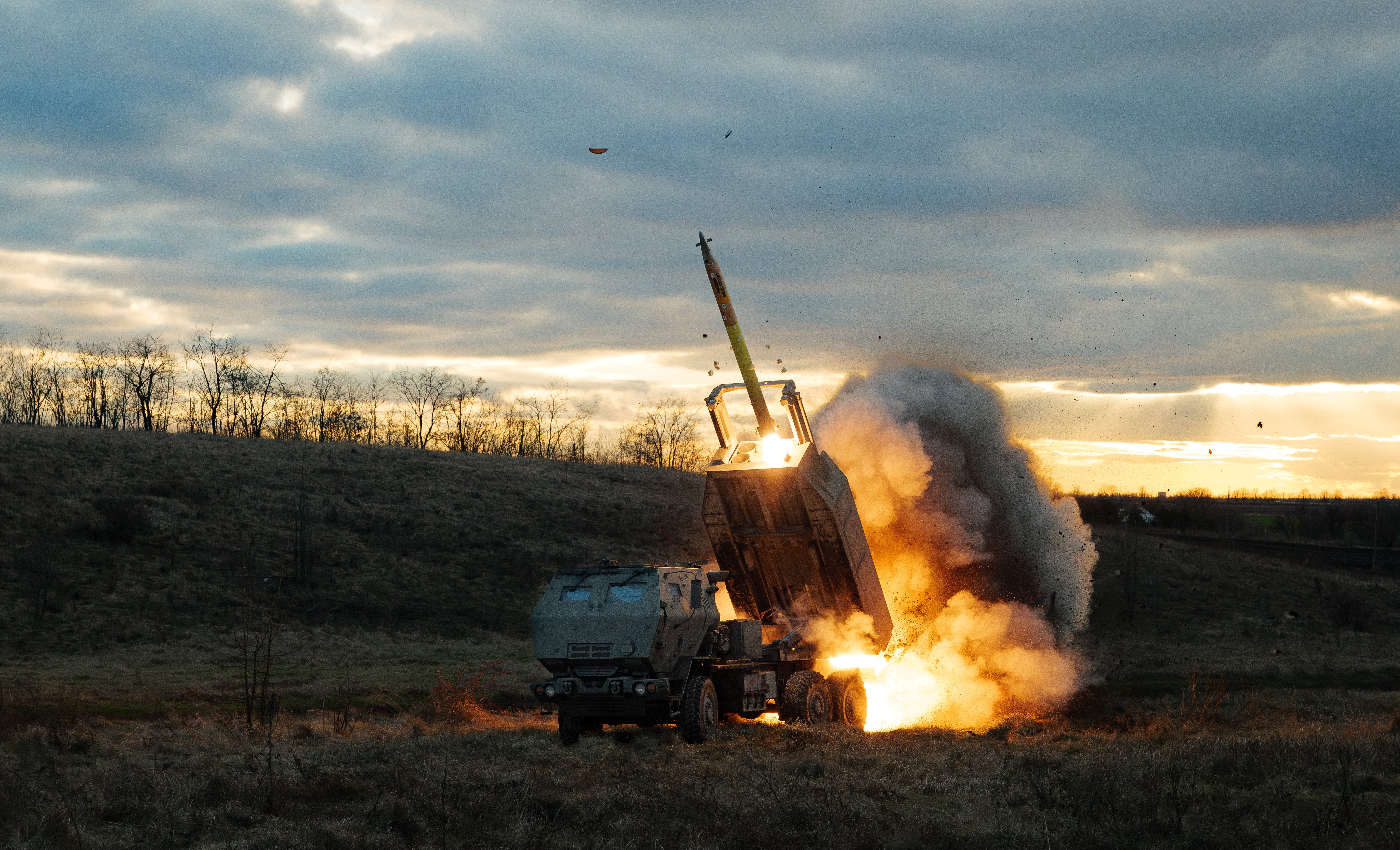
“For the soldiers of the 26th Separate Artillery Brigade, there is no greater joy than effectively striking enemy targets. But behind every hit stands the coordinated work of aerial reconnaissance units and rocket artillery. It is this synergy that delivers powerful results on the battlefield,” the brigade’s press service said in a statement accompanying the released footage.
According to the brigade’s communications department, the mission relied on the Polish-made FlyEye unmanned aerial vehicle for reconnaissance and target acquisition.
Developed by Poland’s Flytronic, a subsidiary of WB Electronics, the FlyEye entered service with the Polish Armed Forces in 2010. The 11-kilogram reconnaissance drone can be carried by two soldiers, launched by hand, and prepared for flight in approximately 11 minutes.
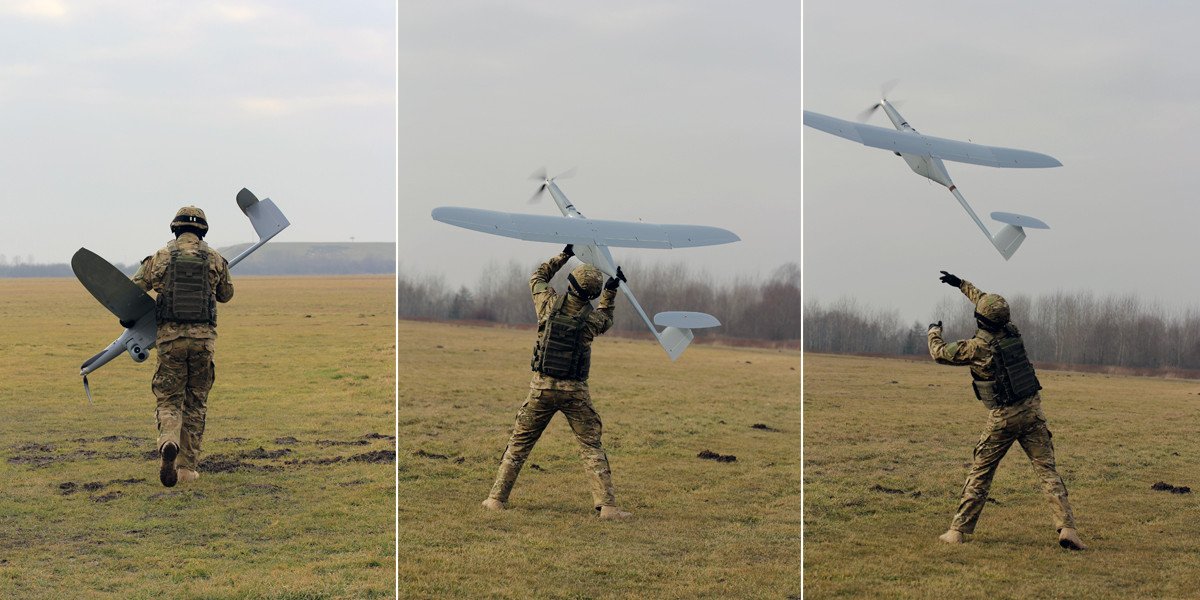
The system has an operational range of up to 50 kilometers and is equipped with the GS4 electro-optical payload, combining daylight and thermal imaging sensors capable of identifying targets at distances of approximately 5–7 kilometers.
In early 2025, Polish defense company WB Group expanded FlyEye production to Ukraine in response to increased demand for reconnaissance drones during Russia’s full-scale invasion.
Earlier, Ukraine’s Defense Forces repelled one of Russia’s largest recent armored assaults near Dobropillia, destroying nine tanks, two armored vehicles, and three BM-21 Grad multiple rocket launchers, according to ArmyInform, citing Ukraine’s State Border Guard Service.
Discuss this article:
-9a7b3a98ed5c506e0b77a6663f5727c5.png)