- Category
- War in Ukraine
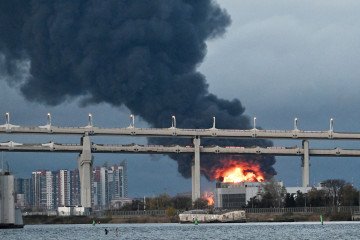
Ukrainian Drones Force Russia into Costly “Skynex” Clone Refinery Defense
 Prefer U24 Media on Google
- Authors


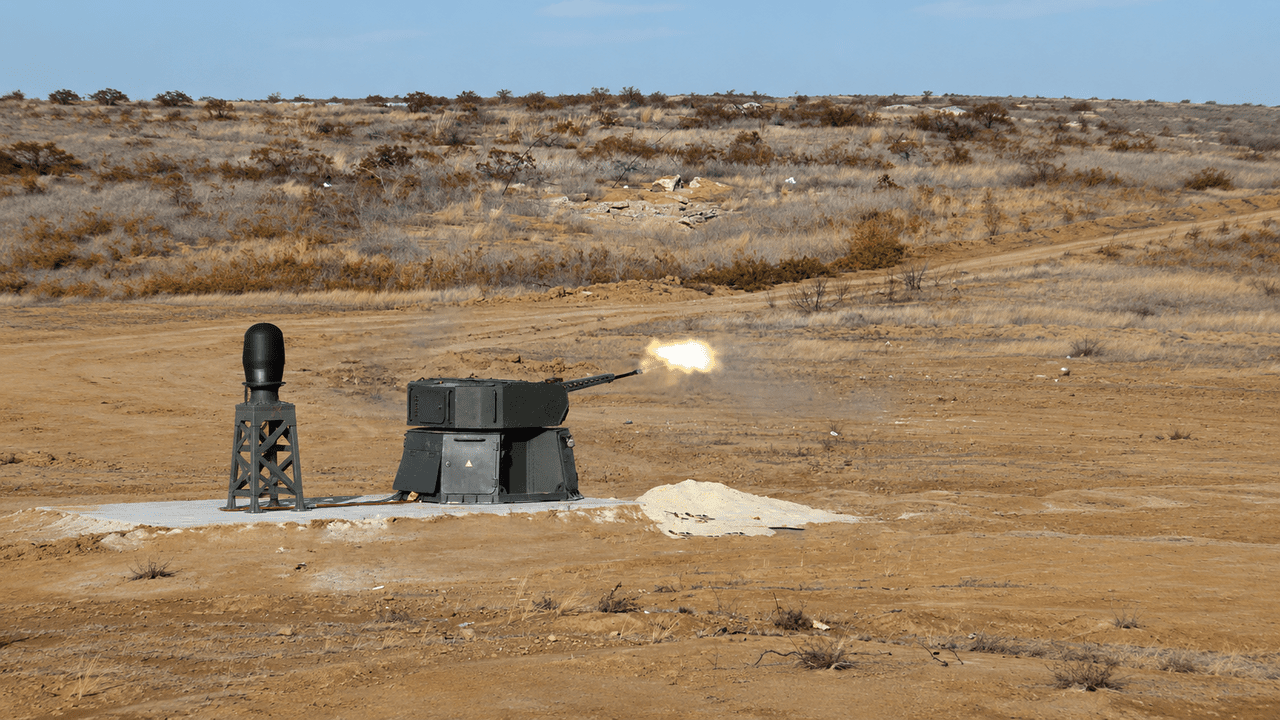
Russia’s state-owned defense conglomerate Rostec has introduced a new short-range anti-aircraft artillery system called the ZAK-30 “Citadel,” designed to defend stationary infrastructure—including oil refineries—from drone attacks.
We bring you stories from the ground. Your support keeps our team in the field.
According to Defense Express on May 26, the system is designed to intercept both multirotor and fixed-wing drones, potentially creating a new layer of protection for Russian oil refineries and other infrastructure frequently targeted by Ukrainian long-range UAVs.
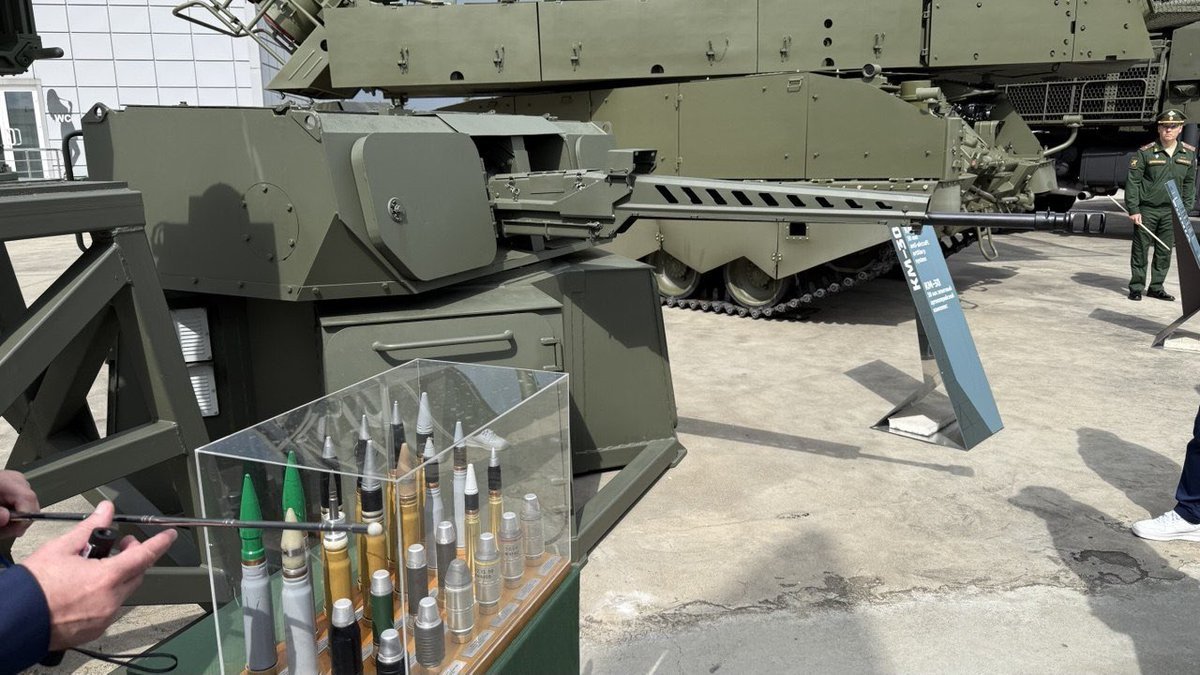
The ZAK-30 features a 30 mm automatic cannon mounted in a stationary turret and is reportedly capable of firing programmable airburst ammunition filled with shrapnel. The outlet reported that the system’s engagement process—from target detection to destruction—has a high degree of automation.
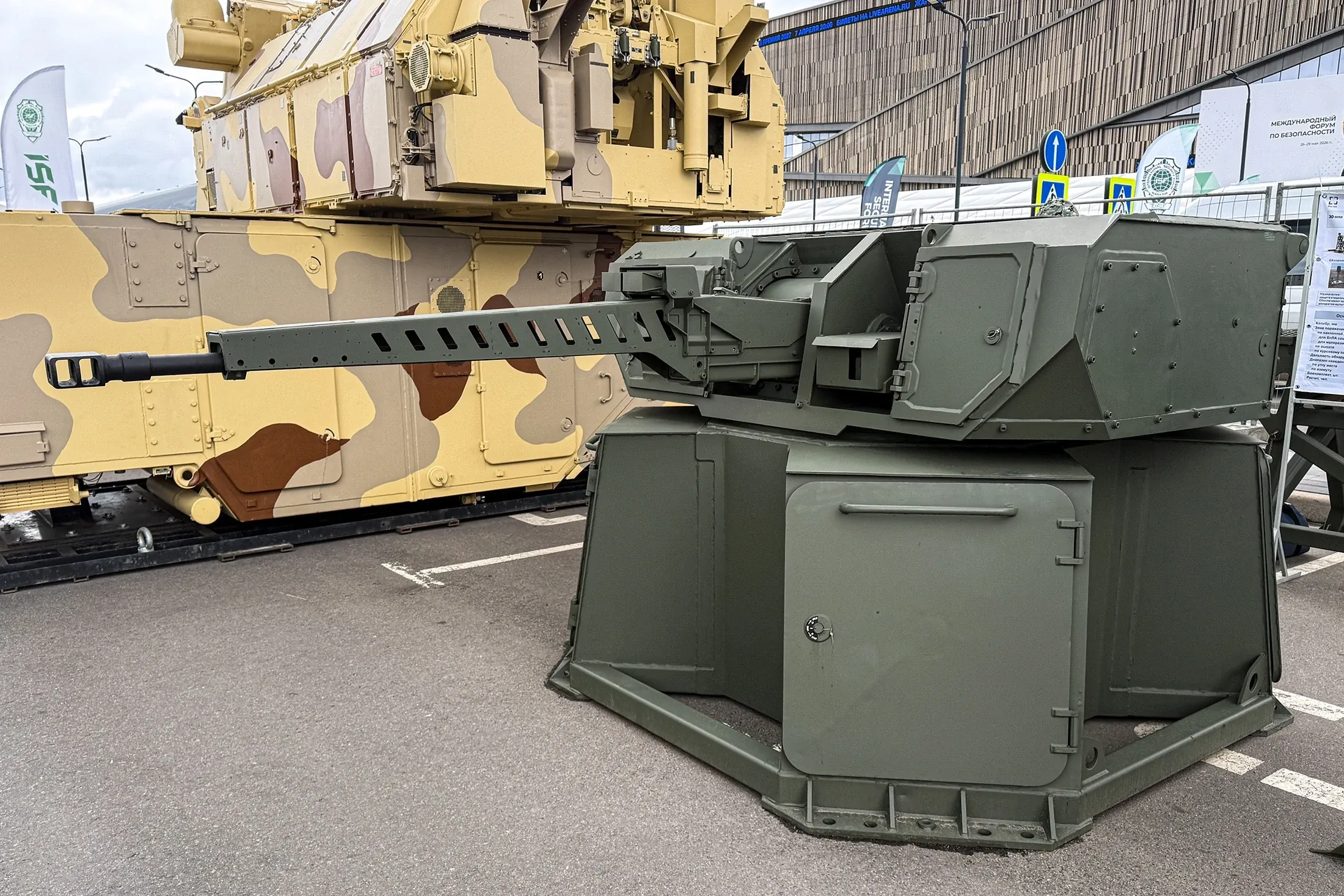
Published images of the system do not show onboard radar or electro-optical targeting equipment, raising questions about how the platform receives targeting data.
Defense Express noted that the system may rely on external radars, nearby sensors, or integration into a broader Russian air defense network. The outlet added that the optical channel is said to operate in both visible and infrared spectrums.
According to defense industry researcher Andrii Tarasenko, the system has an effective engagement radius of approximately 1.2 kilometers. He also estimated the cost of one unit at around 600 million rubles, or roughly €3.5–7.2 million depending on exchange rates.
Tarasenko estimated that protecting a single oil refinery could require between six and ten systems, potentially costing billions of rubles.
Defense Express compared the concept behind the ZAK-30 to Germany’s Skynex air defense system, which Ukraine currently uses against drones and cruise missiles. Unlike the Russian system, however, Skynex integrates radar and electro-optical sensors directly onto the platform.
The outlet reported that the effectiveness of the “Citadel” will likely depend on the availability of programmable airburst ammunition. Russia previously presented such munitions during a 2026 arms exhibition in Saudi Arabia, but no confirmed information about serial production volumes has been released.
-c65beef38eb42c5c49f25778e5905100.jpg)
Without programmable ammunition, the system would likely rely on conventional 30 mm rounds, which may reduce effectiveness against small drones.
According to Defense Express, Russia’s existing Pantsir systems have shown inconsistent performance against UAVs, partly because their gun armament lacks programmable airburst munitions. The ZAK-30 appears to reflect a broader Russian effort to develop more specialized counter-drone systems for infrastructure defense.
Earlier, Ukraine’s drone campaign forced six major Russian oil refineries to suspend operations in May alone, including facilities owned by Rosneft, Lukoil, Gazprom Neft, and Surgutneftegaz, affecting roughly a quarter of Russia’s total refining capacity.
Discuss this article:
-9a7b3a98ed5c506e0b77a6663f5727c5.png)