- Category
- War in Ukraine
US Democrats Reportedly Prepare $15 Billion Ukraine Aid Package After Winning Control of Congress
 Prefer U24 Media on Google
- Authors


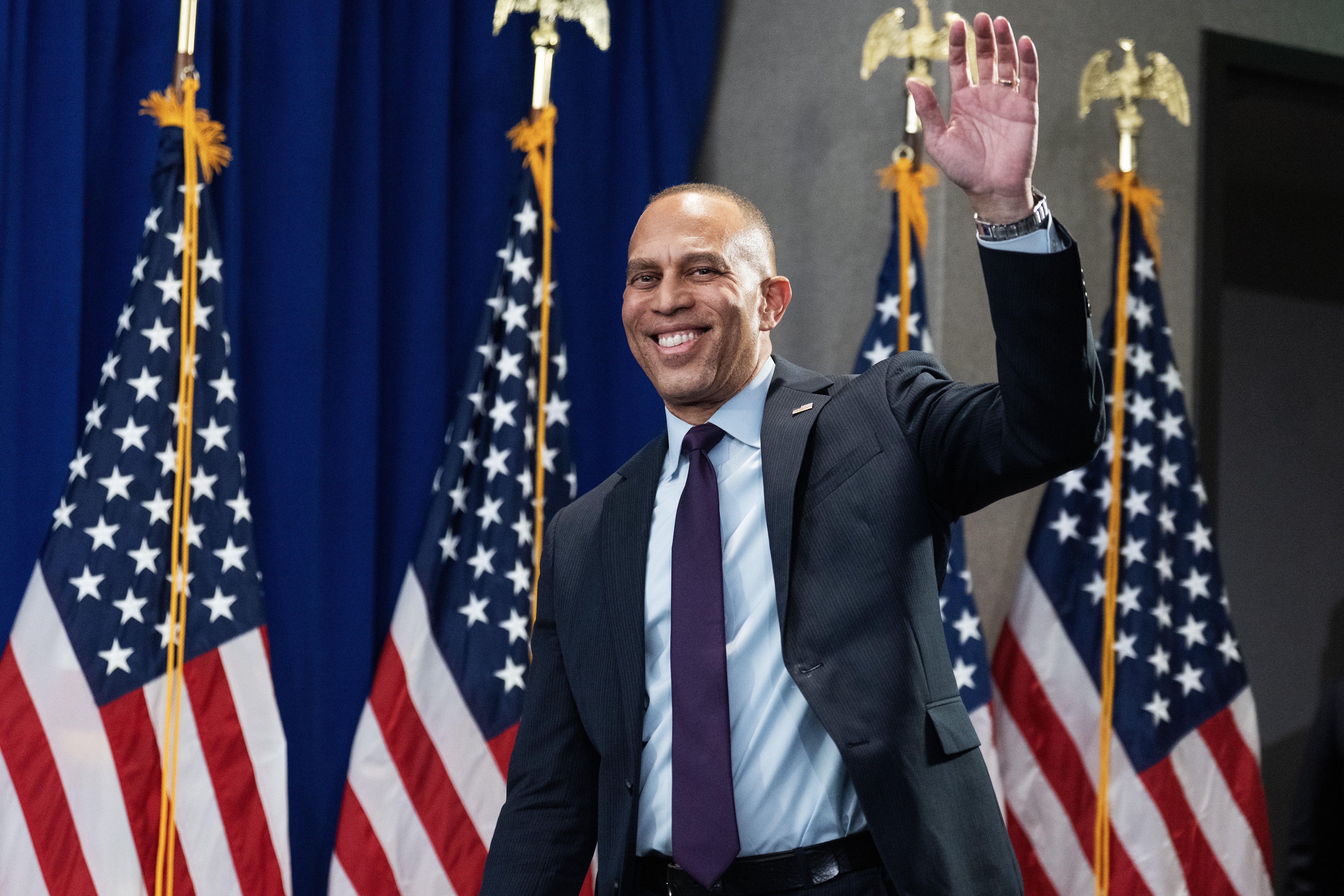
US Democrats are preparing a new security assistance package for Ukraine worth up to $15 billion following their victory in the midterm elections, which gave the party control of both chambers of Congress.
We bring you stories from the ground. Your support keeps our team in the field.
According to the Financial Times on November 7, Democratic lawmakers are seeking to expand military assistance to Kyiv, strengthen sanctions against Russia, and increase congressional oversight of President Donald Trump’s foreign policy decisions.
The proposed assistance package could reach $15 billion, according to an estimate from a staff member of the House Foreign Affairs Committee cited by the FT.
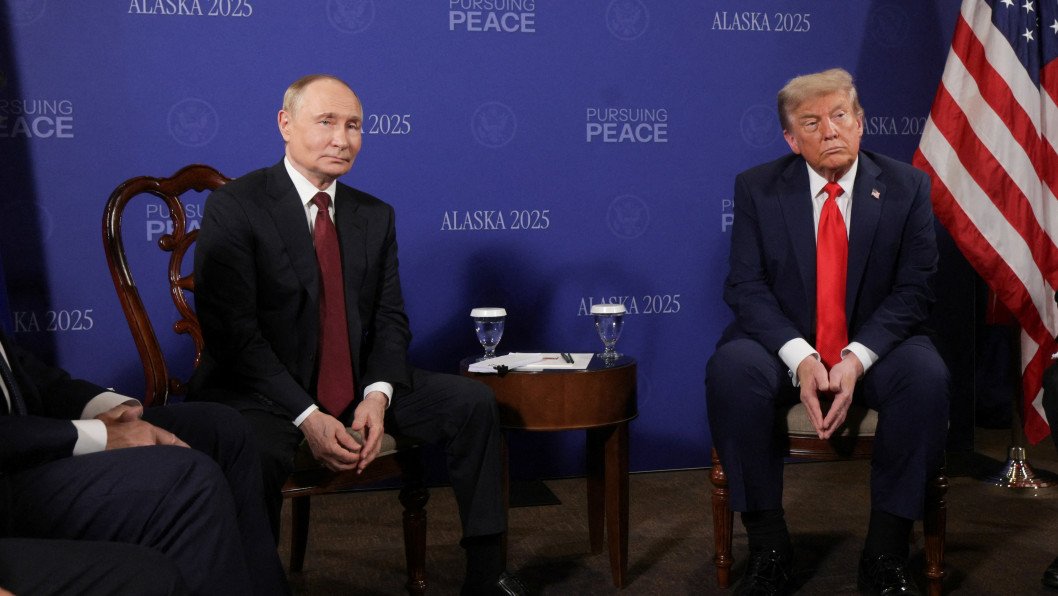
Democrats are exploring ways to provide immediate support to Ukraine before the newly elected Congress takes office in January 2027. One of their priorities is helping Ukraine protect and maintain its energy infrastructure ahead of winter.
Lawmakers are considering including additional assistance in the annual National Defense Authorization Act (NDAA), which is expected to be passed before the current congressional term ends.
The discussions also cover the continued supply of air defense interceptor missiles, intelligence-sharing arrangements, and support for Ukraine’s access to Starlink satellite communications. Beyond military assistance, Democrats intend to pursue changes to US sanctions legislation targeting Russia.
According to the Financial Times, lawmakers are seeking to revise legislation associated with the late Republican Senator Lindsey Graham after the Trump administration used exemptions to ease certain restrictions on Russia amid arrangements concerning Russian diesel supplies to global markets.
The legislation, which received broad bipartisan support, targets Russia’s defense and energy sectors through financial sanctions.
Democratic lawmakers also plan to scrutinize the administration’s foreign policy decisions and potential business interests involving senior figures, including special envoy Steve Witkoff and Trump’s son-in-law Jared Kushner.
Earlier, in September, the Lindsey O. Graham Sanctioning Russia Act stalled in the US House of Representatives despite passing the Senate by an 86–11 vote. According to Politico, Democrats opposed provisions granting the White House broad authority to impose tariffs of up to 100% on countries purchasing Russian energy, citing concerns over excessive presidential powers.
Discuss this article: