- Category
- World
Most Americans Believe Putin Is Stalling Ukraine Peace Talks, Back More Weapons and Sanctions, Poll Finds
 Prefer U24 Media on Google
- Authors


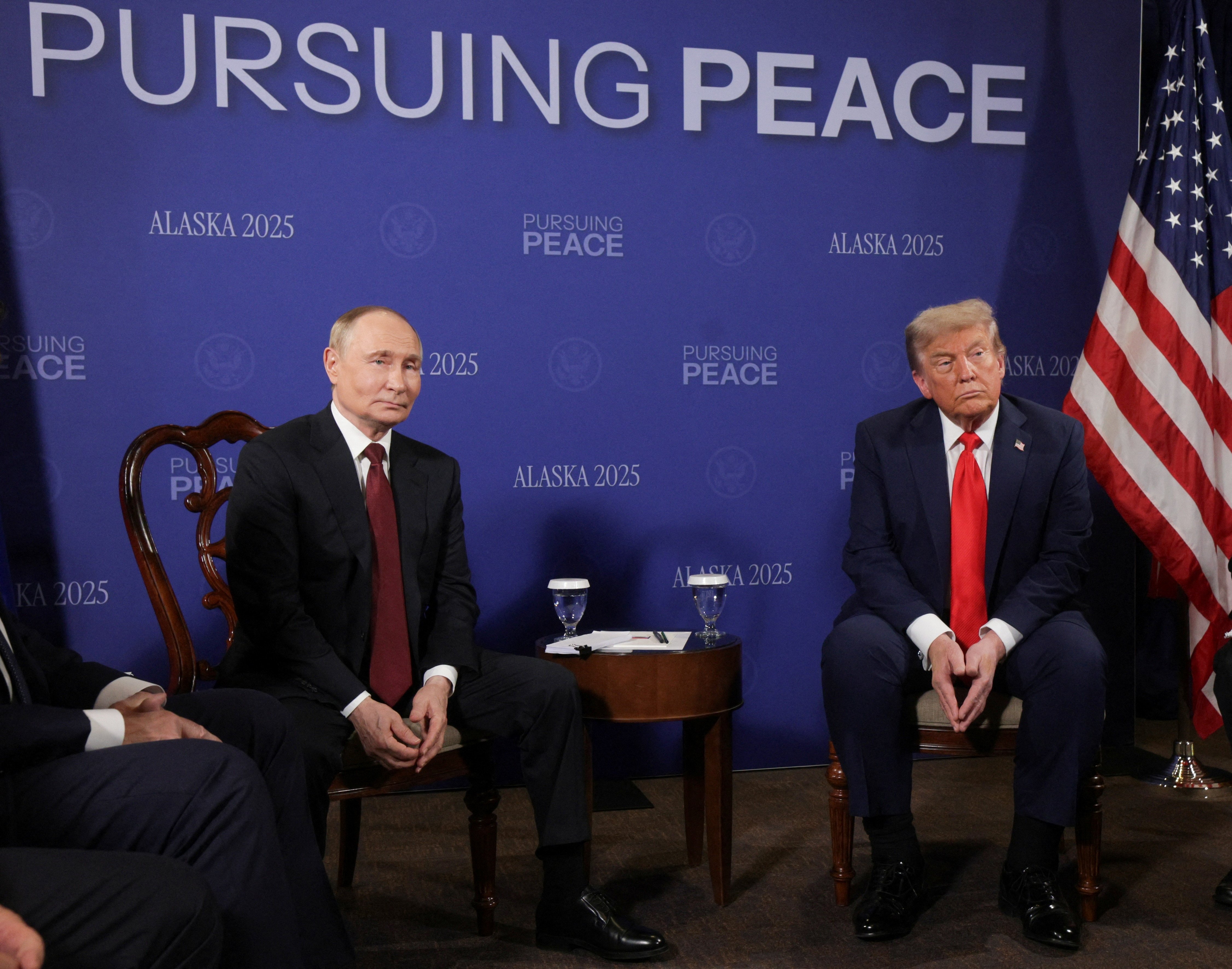
A majority of American voters believe Russian leader Vladimir Putin is deliberately delaying efforts to end the war in Ukraine, while nearly two-thirds support continued military assistance to Kyiv and stronger sanctions against Moscow if Russia refuses to negotiate and prolongs the war, according to the October Harvard CAPS/Harris Poll, conducted by HarrisX.
The survey, which polled 2,700 registered US voters between October 24 and 26, 2026, is part of one of the most consistent polling series tracking American public opinion on Russia’s war against Ukraine. Its regular measurements provide insight into how attitudes toward the war and potential peace negotiations evolve over time.
We bring you stories from the ground. Your support keeps our team in the field.
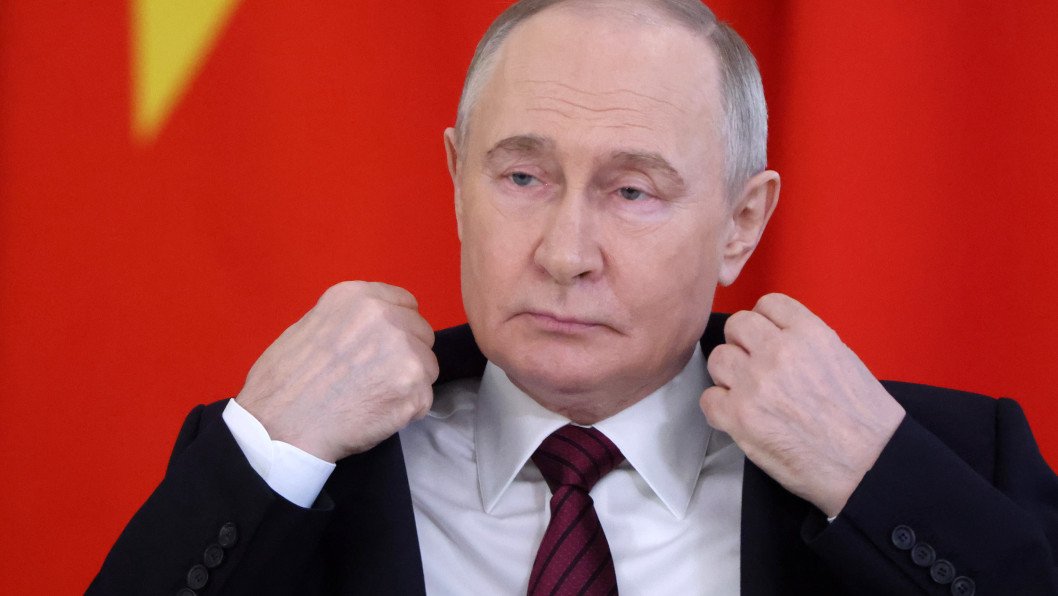
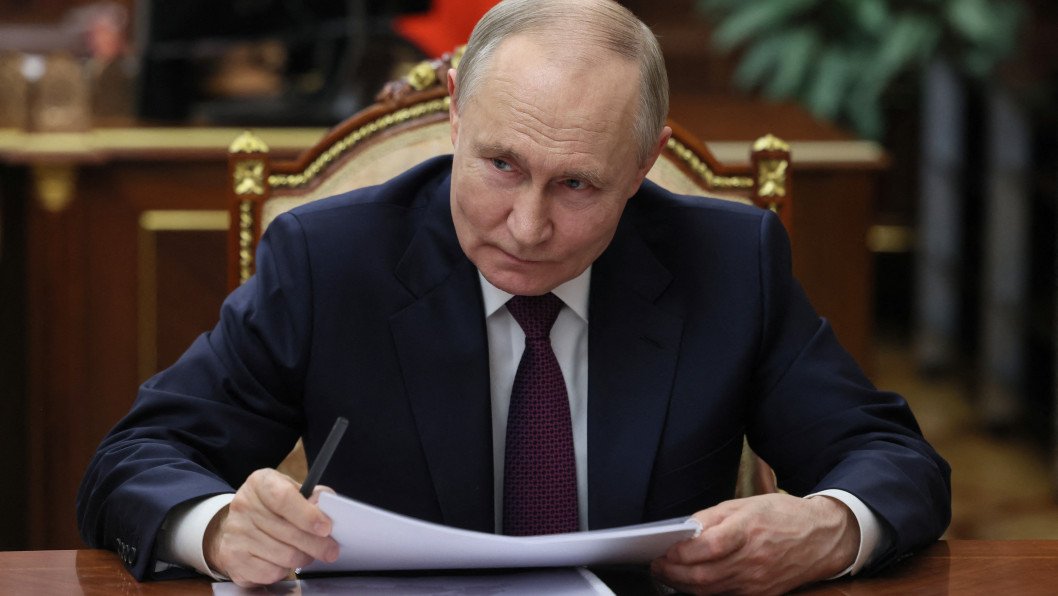
The latest findings show that 68% of respondents believe Putin is stalling negotiations with the United States and Western countries rather than genuinely seeking peace, up from 61% in September. Only 32% believe the Russian leader sincerely wants to end the war.
Skepticism toward Putin extends across political affiliations, with 74% of Democrats and independent or other-party voters saying he is delaying negotiations, compared with 58% of Republicans.
By contrast, 61% of Americans believe Ukrainian President Volodymyr Zelenskyy genuinely wants to end the war, while 39% think he is stalling negotiations, a slight increase from 37% in September.
Support for Zelenskyy’s stated intentions is particularly strong among Democrats, with 69% believing he is genuinely seeking peace. The same view is shared by 61% of independent or other-party voters and 52% of Republicans.
Beyond perceptions of the two leaders, the poll also indicates substantial bipartisan support for maintaining pressure on Moscow if it refuses to engage in peace negotiations.
According to the findings, 64% of Americans support continuing weapons assistance to Ukraine and imposing additional sanctions on Russia if Moscow refuses to negotiate and prolongs the war.
Notably, support for these measures is nearly identical among Republicans and Democrats, with 67% of Republican voters and 66% of Democratic voters backing continued military assistance and additional economic pressure under those circumstances.

The findings highlight an area of bipartisan agreement on US policy toward Russia’s war against Ukraine despite broader political divisions in the United States.
The survey also found growing support for direct US security guarantees for Ukraine as part of a potential peace agreement involving Ukrainian territorial concessions. Some 64% of respondents supported such an arrangement, compared with 58% in September.
However, American attitudes toward economic measures targeting Russia become more complex when domestic energy costs are taken into account.
According to the poll, 61% of Americans oppose the United States purchasing Russian oil and diesel fuel while Moscow continues its war against Ukraine, while 39% support such purchases. Opposition is particularly strong among Democrats, with 73% against buying Russian oil and diesel, compared with 64% of independent or other-party voters.
Republicans were more divided, with 54% supporting purchases of Russian oil and diesel fuel and 46% opposing them.
At the same time, 63% of respondents said they prioritize lower fuel prices over restricting Russia’s ability to finance the war, revealing a contrast between opposition to Russian energy purchases and concerns about domestic energy costs.
The findings come as diplomatic efforts to arrange further negotiations between Ukraine, Russia, and the United States continue.
A proposed trilateral meeting in Abu Dhabi remains dependent on confirmation from Washington, although both Kyiv and Moscow have expressed their readiness to participate, Ukrainian President Volodymyr Zelenskyy told journalists on October 28.
Zelenskyy explained that the timing of the talks, expected to take place in November, could be affected by Washington’s ongoing diplomatic engagement in the Middle East.
Discuss this article: