- Category
- World
Three Russian Diesel Tankers Head to US, Including One Sanctioned in Europe
 Prefer U24 Media on Google
- Authors


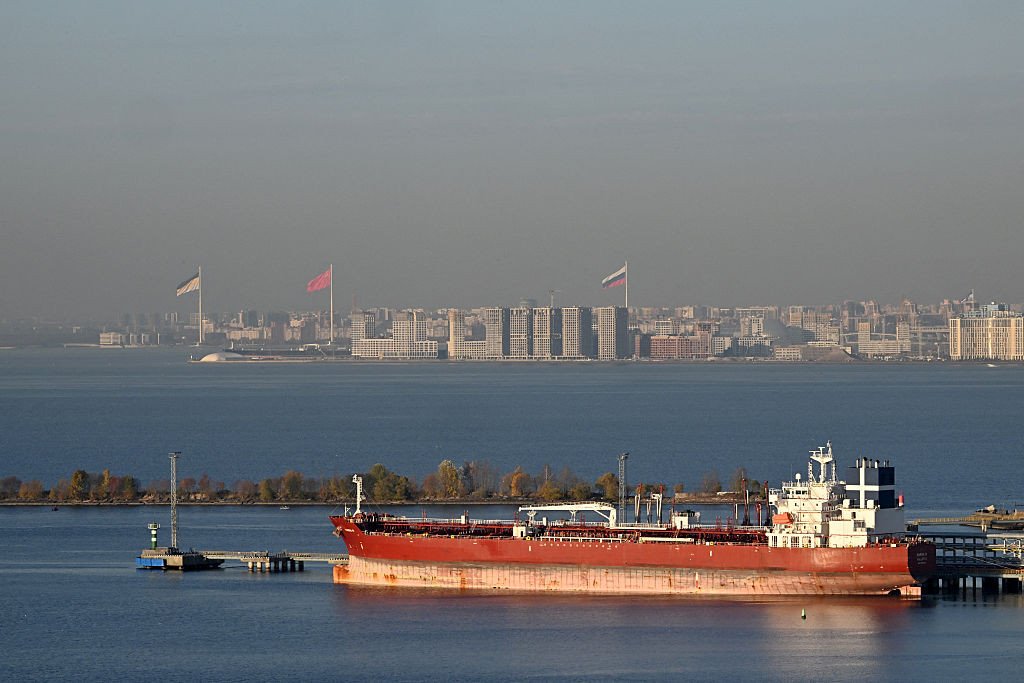
Three tankers carrying around 140,000 tonnes of Russian diesel, including one vessel sanctioned by European authorities, are heading to US ports, the Financial Times reported on October 27.
The shipments are the first licensed by US authorities under President Donald Trump’s recent agreement with the Russian leader, Vladimir Putin, to exempt Russian diesel from sanctions. The vessels are expected to arrive shortly after the November 3 US midterm elections.
We bring you stories from the ground. Your support keeps our team in the field.
Germany rejected the easing of restrictions, arguing that pressure on Moscow should be increased rather than reduced. Ukrainian President Volodymyr Zelenskyy also warned that lifting sanctions without enforceable Russian de-escalation would signal weakness and allow Moscow to prolong the war. Czech President Petr Pavel later argued that the diesel decision weakened Western leverage over Russia and made a ceasefire harder to achieve.
According to the Financial Times, the vessels include the Hong Kong-owned, Sierra Leone-flagged tanker Leruo, which is sanctioned by the UK, EU, and Canada. Ship-tracking platform MarineTraffic showed the vessel signaling an arrival on the US Atlantic coast on November 11.
Leruo departed St. Petersburg on October 17 and was in the North Sea off Norway on October 26. European authorities sanctioned the tanker in 2025 over Russian cargoes and practices including disabling location technology and conducting ship-to-ship transfers.
The vessel was also accused of violating the G7 price cap on Russian oil cargoes, according to OpenSanctions .
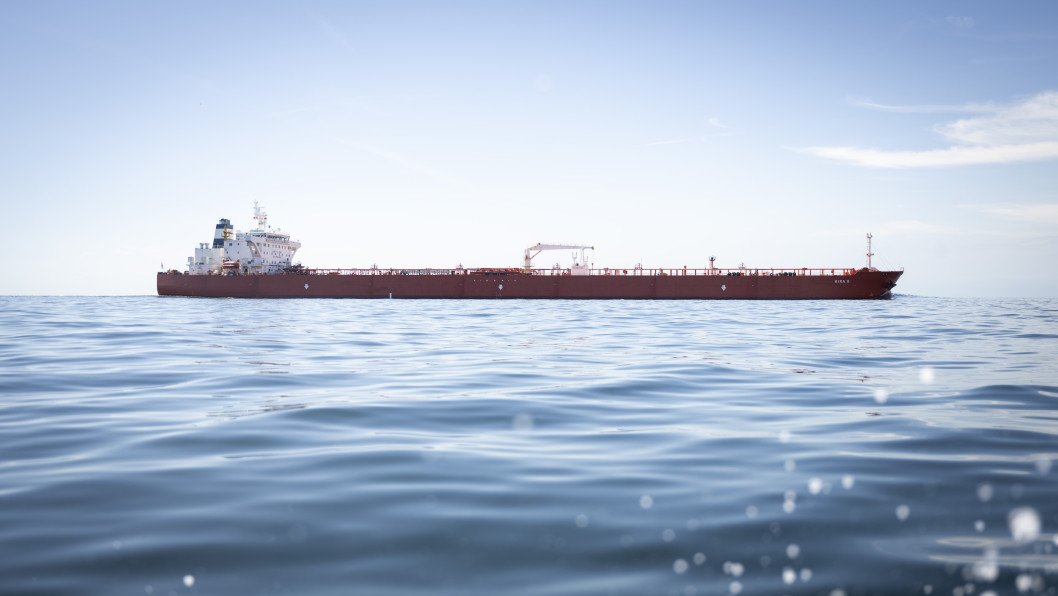
Its planned arrival could create legal complications for companies handling the cargo in the US. Jeremy Paner, a partner at Washington-based law firm Hughes Hubbard, told the Financial Times that a tanker sanctioned by the EU, UK, and Canada entering a US port would be “highly problematic” because their financial and maritime systems are closely interconnected.
The US banned imports of Russian oil and refined petroleum products in March 2022. Washington later joined other G7 countries in imposing a price cap on Russian diesel exports.
Trump’s administration has issued a temporary license permitting Russian diesel imports under the new agreement with Moscow. However, members of Congress have challenged whether the administration can authorize the imports without violating restrictions enacted into US law.
On October 26, senior Democrats and Republican Senator Thom Tillis warned US banks, port authorities, and fuel distributors that companies involved in importing Russian diesel could face congressional investigations and legal action.
“Any importation of Russian diesel into the US raises significant legal questions and may be subject to legal action, as well as congressional investigations,” the lawmakers wrote, according to the Financial Times.
They added that companies violating US law could face criminal and civil liability and argued that the transactions raised national security concerns because revenue from the fuel could support Russia’s war against Ukraine.
The first tanker scheduled to reach the US is the Greek-owned Agioi Fanendes, which is carrying around 40,000 tonnes of Russian diesel and is expected in New York on November 7, according to ship-tracking data cited by the Financial Times.
If unloaded as indicated, the shipment would be the first Russian gas oil or diesel cargo tracked by commodities platform Kpler to arrive in the US since July 2023.
A second vessel, the 20-year-old Russian tanker Talisman, is scheduled to reach the US East Coast on November 9, followed by Leruo two days later. The Financial Times noted that ship destinations can change and tracking data is not always definitive.

The shipments come as US diesel prices average $6.34 per gallon, compared with $3.66 a year earlier. The Trump administration has presented the Russian diesel agreement as part of its effort to reduce fuel prices.
The Financial Times also reported that legal uncertainty and relatively small shipment volumes could deter major companies from participating. One oil trader told the newspaper that most large firms were likely to avoid handling Russian diesel because of the associated legal risks.
Before the first US-bound cargoes emerged, Russian diesel had already begun returning to its established overseas markets. UNITED24 Media reported that Türkiye accounted for about 34% of Russian diesel shipments in 2026, followed by Brazil at 24% and Morocco at 10%, as exports resumed following the October policy changes.
Discuss this article: