- Category
- War in Ukraine
Russia Takes Five Hits in Just Two Days as Ukraine Hunts Key Defense Factories
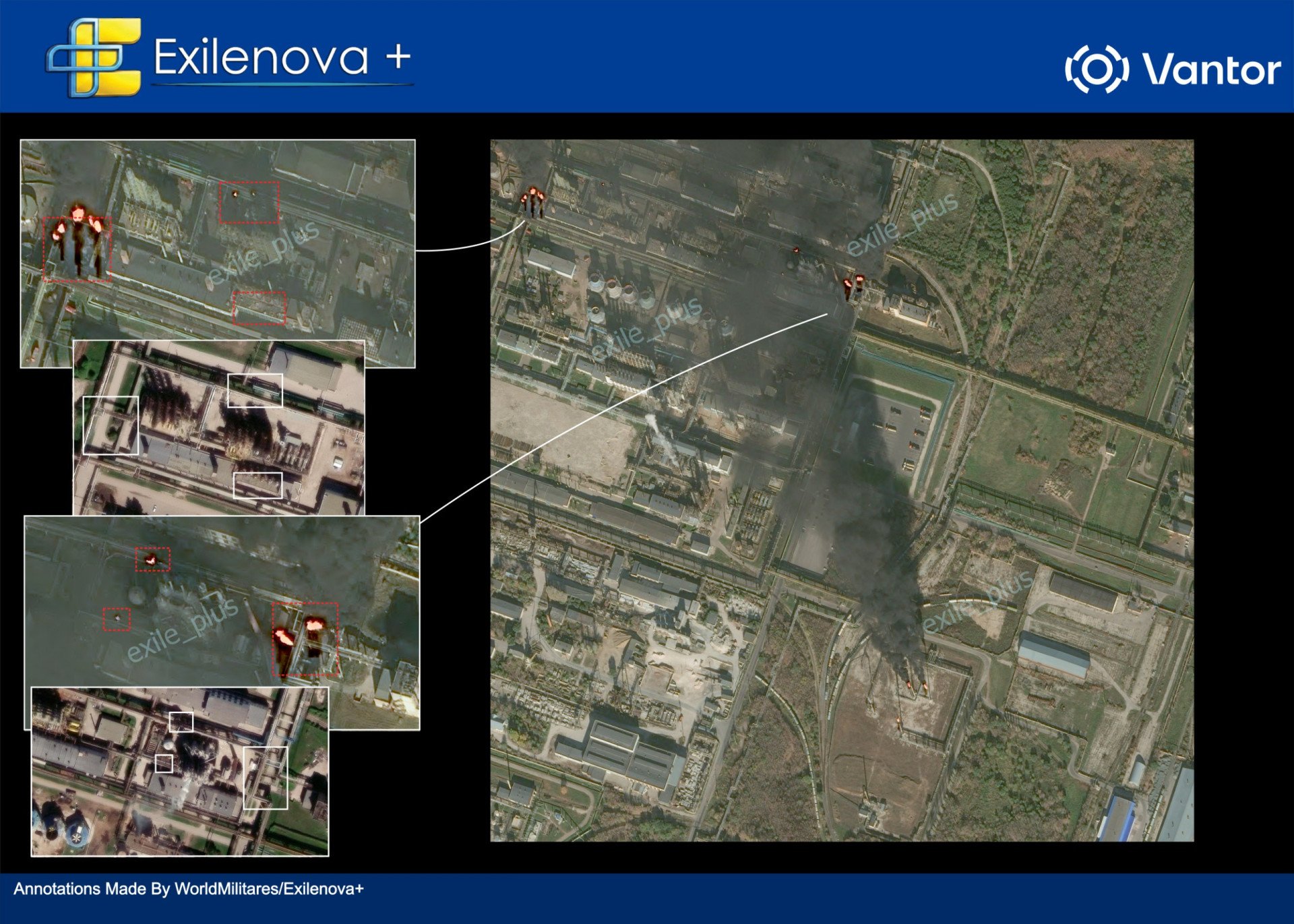
Ukrainian drones and missiles struck five Russian defense factories, targeting critical supply chains to prevent Moscow’s missiles from striking Ukrainian cities.
 Prefer U24 Media on Google
- Authors


The strikes are part of a months-long campaign aimed at reducing Russia’s ability to launch attacks, particularly with ballistic missiles. The goal is to leave Moscow with fewer missiles to launch rather than intercept threats already in the air.
Five strikes in 48 hours
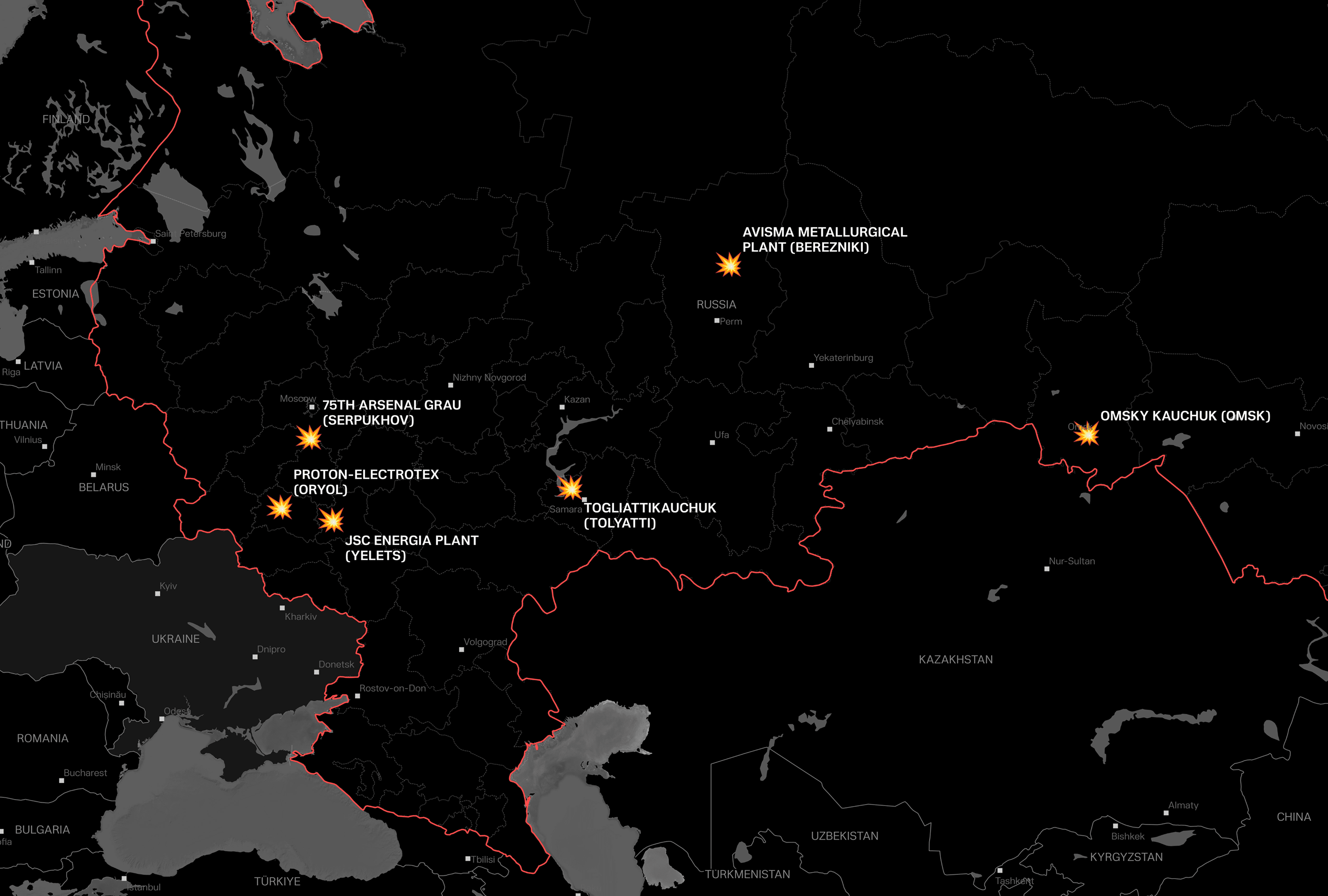
In late October, Ukrainian forces carried out five consecutive successful operations targeting Russia’s defense industry.
October 24—Proton-Electrotex in Oryol. The company manufactures optoelectronic equipment, including components for the Iskander-M missile system, the S-71 Kovyor system, and the Pantsir-S1 air defense system.
October 24—Togliattikauchuk in Tolyatti. Ukraine’s General Staff reported a strike on the chemical plant, which produces synthetic rubber used in solid rocket propellant for tactical and ballistic missiles. This was not the first strike against the facility.
October 24—Omsky Kauchuk in Omsk. The plant is part of the supply chain for raw materials used in rocket propellant, including for Iskander missiles.
October 25—Energia plant in Yelets. The facility manufactures chemical power sources, including batteries for Iskander-K and Iskander-M missiles, Kh-47M2 Kinzhal missiles, Zircon missiles, Pantsir systems, and guidance modules for UMPB D-30SN glide bombs. It is Russia’s only manufacturer of batteries for the guidance and correction modules used in these bombs.
October 25—AVISMA chemical and metallurgical plant in Russia’s Perm region. The facility produces titanium used in military aircraft, submarines, armor, and missiles.
In late October, Ukrainian forces also struck the 75th Arsenal in Serpukhov, Moscow region, a facility responsible for servicing Buk-family and S-300 air defense systems.
The strikes were carried out using Ukrainian drones and missiles, as well as British-supplied Storm Shadow cruise missiles. This combination once again demonstrates the importance of cooperation between Ukrainian weapons manufacturers and Western military assistance.
Ukraine’s months-long campaign
Earlier in October, Ukrainian forces also successfully attacked several other Russian defense facilities:
A branch of TsENKI, the Barmin Research Institute of Launch Complexes, in the Nizhny Novgorod region. The institute develops and maintains launch complexes, fueling equipment, and missile control systems.
The Redkino Experimental Plant in the Tver region. The facility produces components of Decilin-M fuel used in Kh-55 and Kh-101 cruise missiles, as well as additives for diesel fuel and aviation kerosene.
The Intercontinental Ballistic Missile Disposal Center near Surovatikha. The facility is involved in the production of explosives and rocket propellant.
On September 25, Ukraine’s General Staff also reported a strike on the Iskra plant in Ulyanovsk, which specializes in producing semiconductor devices and electronic components for defense industry enterprises.
Stopping Russian ballistic missiles before they launch
As deliveries of interceptor missiles for Ukraine’s Patriot air defense systems face delays, Ukrainian forces are pursuing an asymmetric strategy: trying to ensure that Moscow has no missiles left to launch in the first place.
The campaign of the past month is not an isolated effort but a continuation of operations that have been underway since the beginning of the war.
Ukraine intensified its campaign targeting Russian missile factories in March 2026 with a strike on the Kremniy El plant in Bryansk. In total, six strategic factories were targeted in the early months of the year. Among the most significant targets were Alabuga in Tatarstan, Russia’s main Shahed drone production hub; the Tambov Gunpowder Plant; the Sverdlov Plant; the Krasnozavodsk Chemical Plant; and the Energia facility in Yelets.
Overall, Ukrainian forces carried out around a dozen successful strikes against Russian defense industry facilities in the first half of 2026.
The timeline of attacks on supply chains supporting Iskander and Kh-101 missiles includes:
Early March — Kremniy EL plant in Bryansk: A manufacturer of electronic components used in missiles.
Mid-May — Zelenograd, Moscow region: A major center of Russia’s defense research and manufacturing infrastructure.
June — VNIIR-Progress in Cheboksary: A facility that manufactures CRPA antennas used in Shahed drones, Iskander missiles, and guided aerial bombs (KABs). This is a critical component because it enables these weapons to maintain navigation even in the presence of electronic warfare interference.
June 22 — the Voronezh Semiconductor Plant (VZPP): A producer of semiconductor modules and microchips, including components for the Zarya-61M onboard computers used in 9M727 Iskander-K missiles, as well as components for Pantsir-S1 systems and transistor assemblies for Kh-101 missiles.
June 27 — Titan-Barrikady in Volgograd: Russia’s only manufacturer of launchers for the Iskander-M missile system. The facility is also involved in producing equipment for Yars and Topol-M missile systems.
July 1 — JSC Research Institute of Physical Measurements (NIIFI) in Russia’s Penza region, the developer of pressure sensors, accelerometers, and other microelectronics for missile and space systems. The institute’s products are used not only in Iskander missiles but also in Kh-101 and Kalibr cruise missiles, as well as systems installed on Su-34 and Su-35 aircraft.
In the summer of 2026, Ukraine conducted a large-scale operation known as “40 Days of Pressure,” which included several successful strikes against Russia’s military production infrastructure.
Ukrainian forces struck the Kamensky Chemical Plant on the night of August 16. The plant produces solid rocket propellant for Uragan, Smerch, Tornado-S, and other rocket systems.
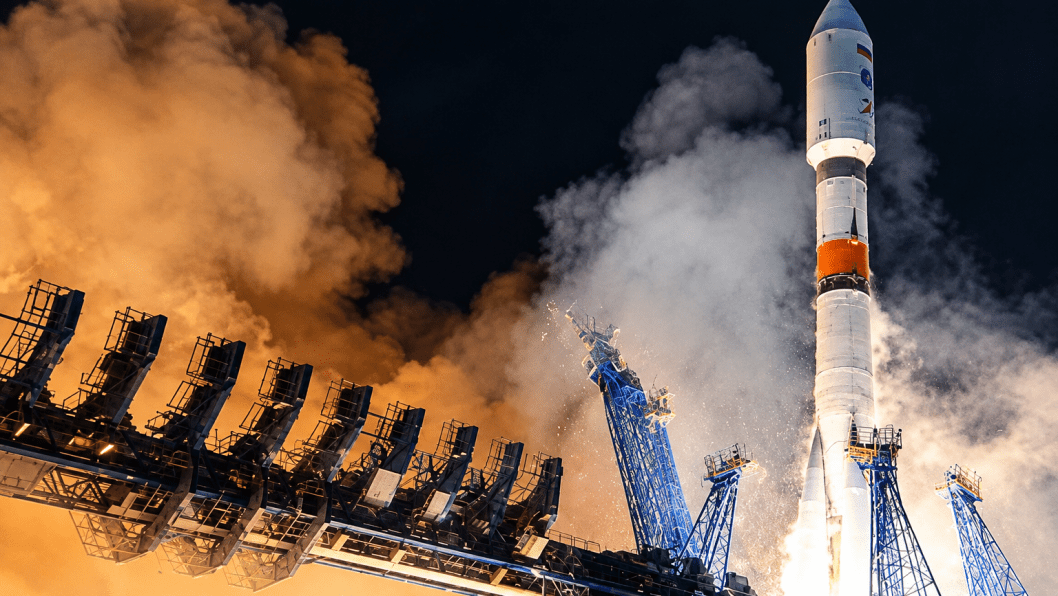
Ukrainian Flamingo missiles hit the Progress Rocket and Space Center in Samara on August 15, the only facility in Russia that carries out serial assembly of Soyuz-2 launch vehicles. Available information also indicates that the facility plays a role in deploying Rassvet, Russia’s answer to Starlink.
The critical components Russia cannot easily replace
Many Ukrainian strikes target facilities that manufacture critical components that are often difficult to replace. Restoring production takes time, both to repair damaged equipment and to find qualified personnel.
Specialized electronics, CRPA antennas, optoelectronics, batteries, launchers, solid rocket propellant, and the raw materials used to produce them all depend on highly specialized manufacturing processes, equipment, and expertise developed over many years.
These attacks represent an asymmetric approach to warfare: Ukraine is preventing Russian missile strikes from happening at all, rather than fighting ballistic missiles once they are already in the air.
Another option for which Ukraine is seeking assistance from its allies, particularly the United States, involves enabling Starlink terminals to operate inside Russia at a limited depth beyond the border. On October 25, Zelenskyy reiterated Ukraine’s request for access to Starshield over Russia to help identify ballistic missile launch sites.
This would allow Ukrainian drones to operate in Russian frontline areas and destroy ballistic missile launchers before they can fire.
By forcing Russia to move its missile launchers farther from the border, Ukraine could protect some of its cities from Russian attacks.
Discuss this article: