- Category
- War in Ukraine
Ukraine Just Hit One of Russia’s Key Drone and Missile Electronics Factories, Crippling Production
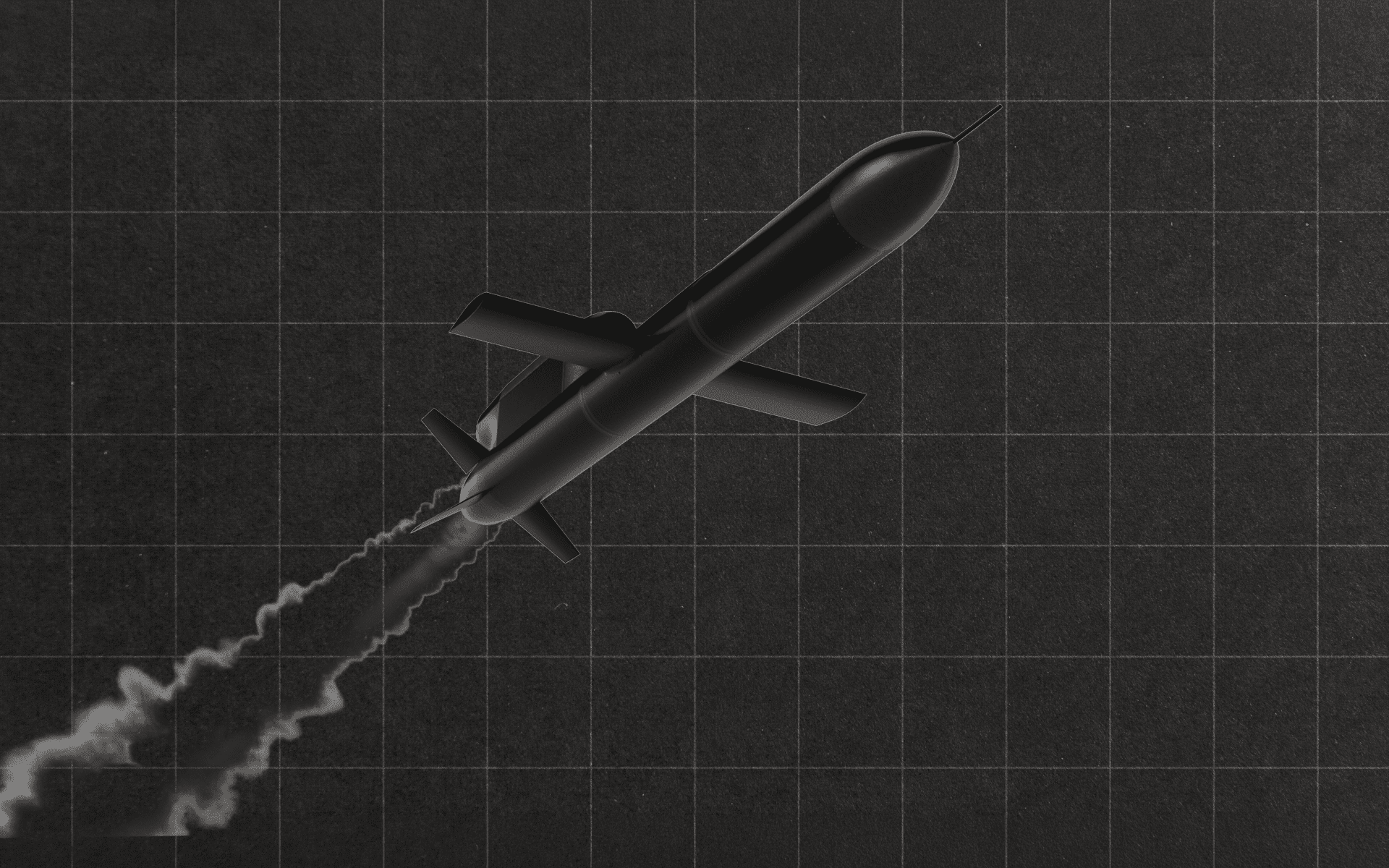
VNIIR-Progress is a bottleneck in Russia’s production of military strike systems, manufacturing anti-jamming navigation components that help missiles and drones resist electronic warfare. That makes the facility a high-priority Ukrainian target, reportedly struck with a long-range Flamingo missile.
 Prefer U24 Media on Google
- Authors

-29a1a43aba23f9bb779a1ac8b98d2121.jpeg "Photo of Illia Kabachynskyi")
By the morning of June 10, Russian media outlets and Telegram channels began reporting Ukrainian missile strikes on the city of Cheboksary, home to VNIIR-Progress, a facility of major importance to Russia’s defense industry. The consequences of the attack were unknown at the time of publication, as Russia tries to keep such information secret. So far, the strike reportedly sparked a fire, and available footage suggests the facility suffered significant damage.
We bring you stories from the ground. Your support keeps our team in the field.
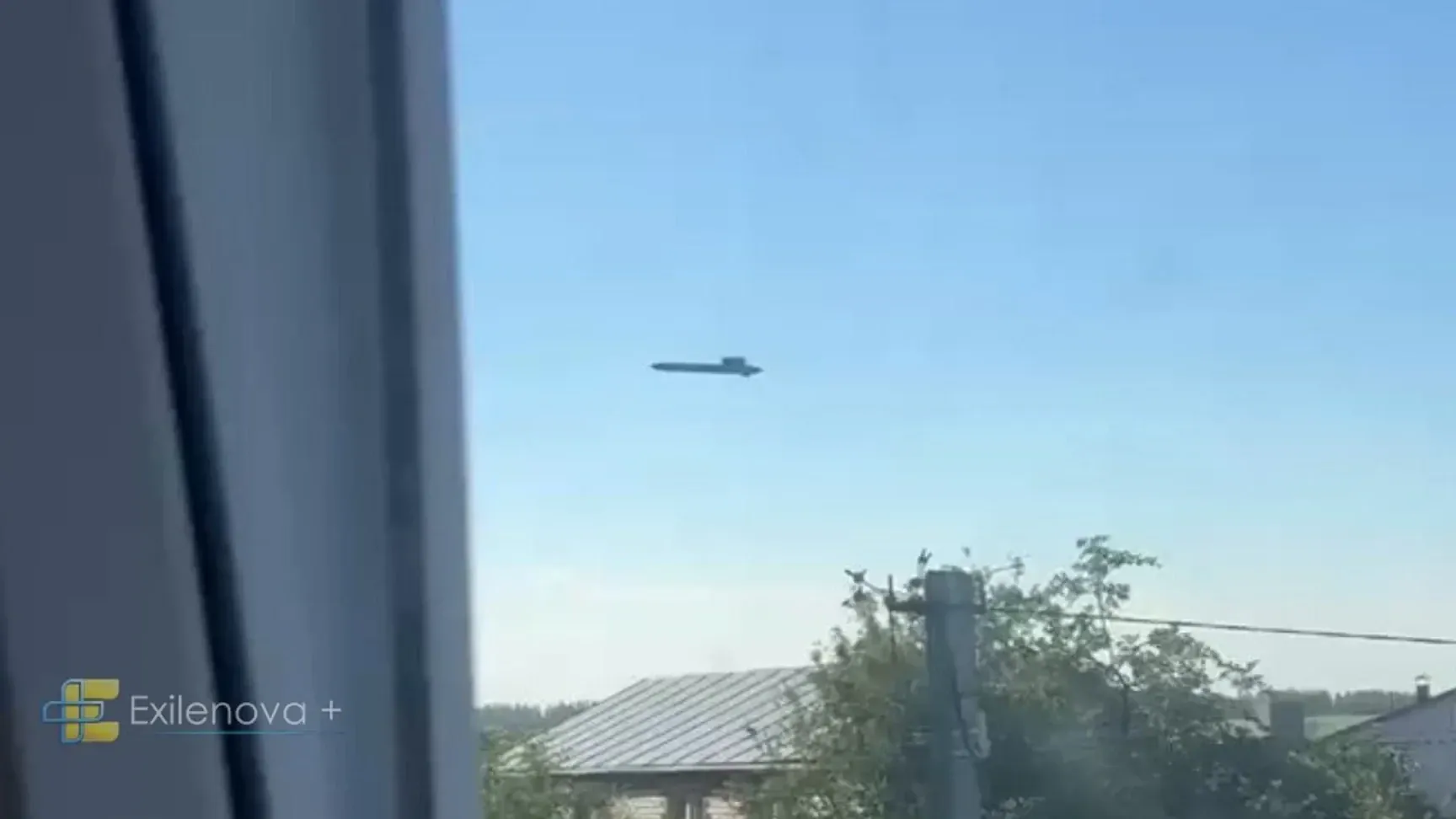
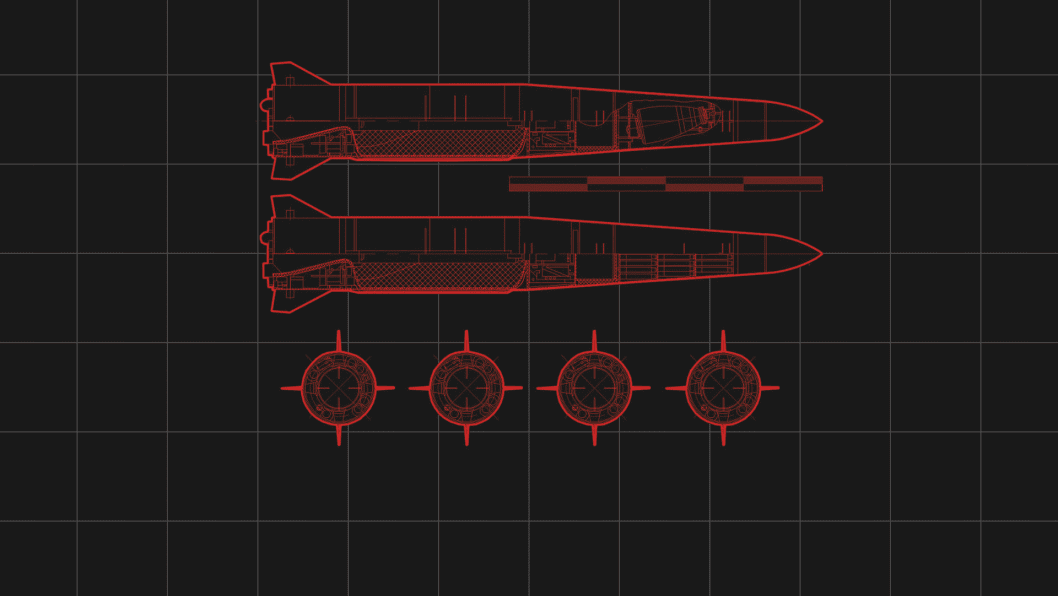
Open-source footage circulating online suggests the strike was carried out using Ukraine’s FP-5 Flamingo cruise missile. The Flamingo missile is a domestically developed weapon that has been used against targets inside Russia since 2025. According to the manufacturer, it has a range of more than 1,000 kilometers.
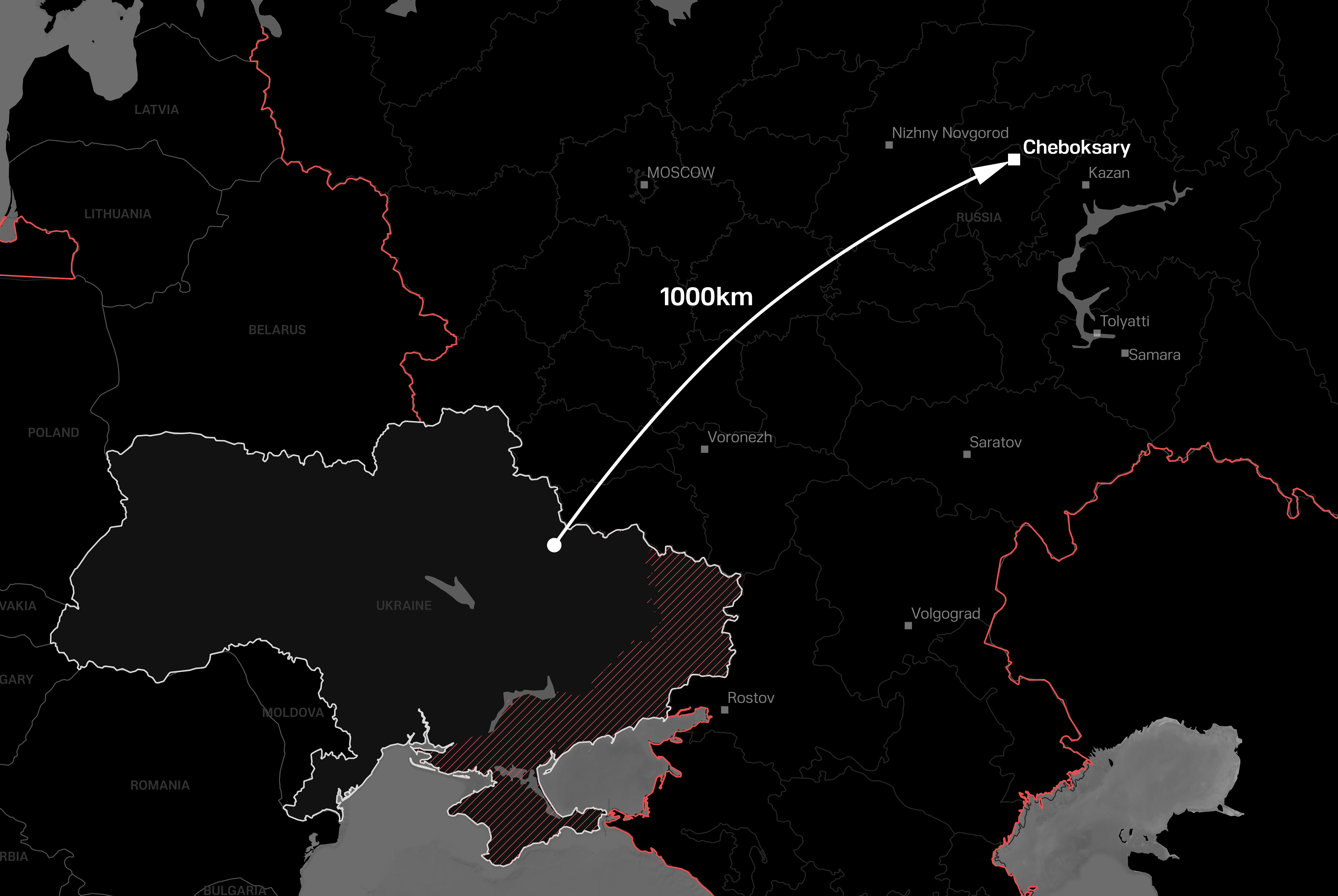
The plant has been targeted by Ukraine before: attacks were recorded exactly one year earlier, in 2025. Some production sections were halted, though not for long.
For Ukraine, the plant is an extremely important target because its products are among the most critical components used in Russia’s offensive weapons.
What Russia’s VNIIR-Progress produces
VNIIR-Progress is an electronics plant that manufactures precision components used in Russian weapons, including Shahed drones, Iskander missiles, glide bombs, and other guided aerial attack systems.
One of its most critical products is the Kometa module. Ukrainian soldiers and electronics specialists are well familiar with it, as these modules are regularly found in downed Shaheds and other weapons.
Kometa is a type of antenna—more precisely, a CRPA, or Controlled Reception Pattern Antenna. Its purpose is to help weapons maintain satellite navigation even under the effects of electronic warfare.
The purpose of Kometa is to filter out interference and false GPS/GLONASS signals generated by Ukrainian electronic warfare systems. Without such protection, a drone or missile is far more likely to lose navigation or deviate from its route.
Developing this type of antenna is highly complex and time-consuming, and countering them is difficult. Russia, meanwhile, has continued investing in improvements. At the beginning of the war, many Shaheds used four-element antennas. Later, eight-, 12-, and even 16-element versions appeared, making them significantly more resistant to jamming.
The existence of these antennas is one reason why countering Shaheds is so difficult, even with a large number of suppression, spoofing, and jamming systems in service.
Destroying the cause, not the consequence
Countering Russian aerial attack systems is a constant challenge for Ukrainian air defenses, especially during mass attacks involving hundreds of weapons at once. For example, one attack in May lasted 30 hours, with more than 1,500 drones and missiles launched in total. Although most were intercepted, it placed an enormous burden on air defense forces, which effectively had to operate without pause.
That is why Ukraine is constantly looking for ways not only to counter aerial attacks with air defenses, but to eliminate the cause of those attacks. In other words, to reduce Russia’s ability to carry them out in the first place.
In early March 2026, Storm Shadow missiles struck the Kremniy El plant in Bryansk, which also produced components for Russian missiles. In mid-May of the same year, a strike hit Zelenograd in the Moscow region, another hub for scientific and production facilities, including those tied to Russia’s defense industry.
The attack on VNIIR-Progress is another strike against this supply chain for high-precision components used in Russian drones and missiles. If the plant stops supplying its antennas, Russia will still be able to launch Shaheds and Iskanders at Ukraine, but they will become easier to counter—meaning less damage to civilian cities and critical infrastructure.
That is why one area of focus for the renewed leadership of Ukraine’s Defense Ministry is economic: Russia must be stopped not only in the air and on the ground, but also through measures that prevent it from sustaining offensive operations at all. This includes destroying revenue-generating capabilities that fund the war—specifically, the country’s oil and gas industry, which fuels it.
Discuss this article:



-111f0e5095e02c02446ffed57bfb0ab1.jpeg "Photo of Roman Kohanets")