- Category
- War in Ukraine
What If Russia’s Missiles Never Launched? Ukraine’s Strategy Against the Ballistic Threat
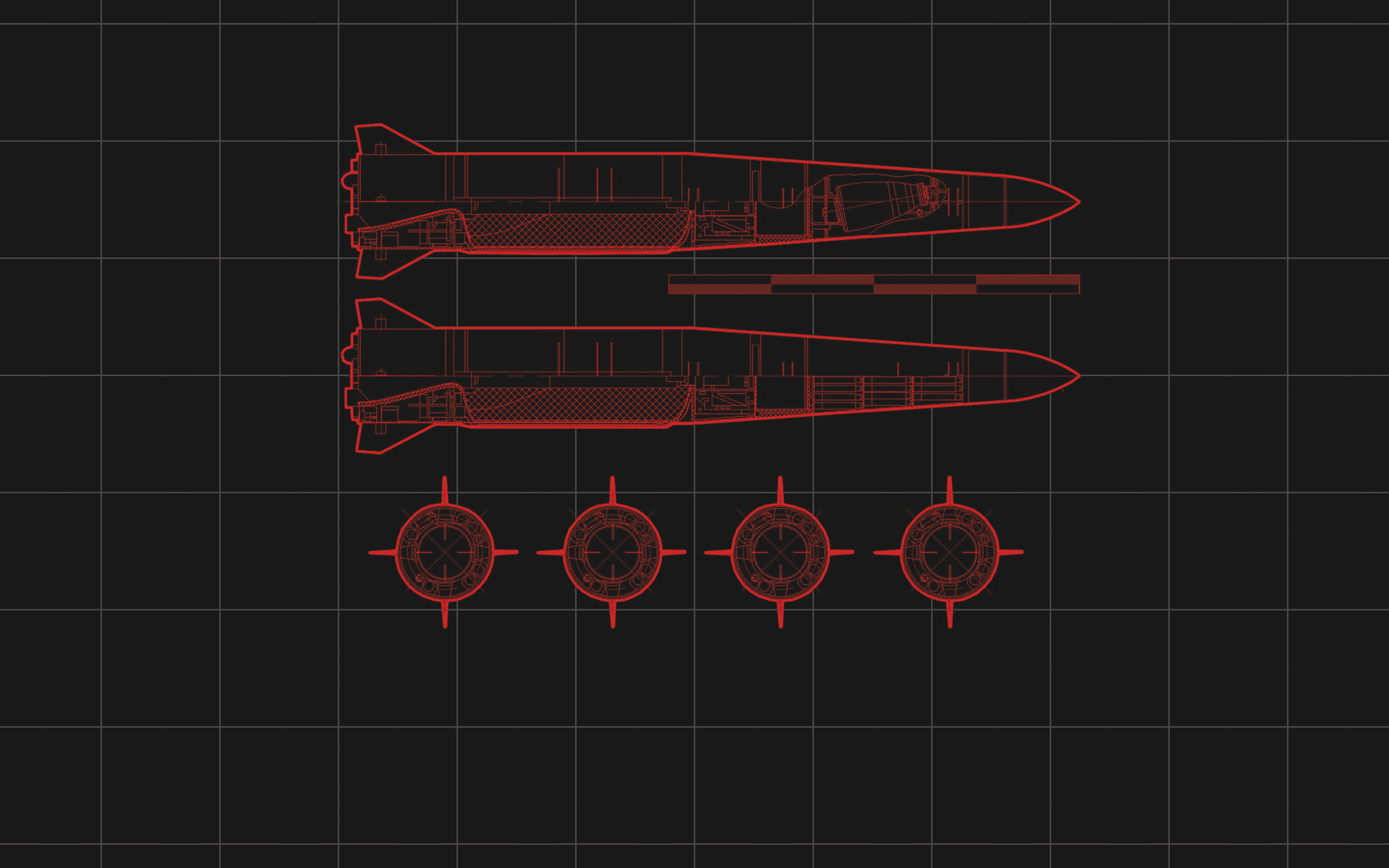
Ukraine does not have enough PAC-3 missiles to intercept Russian ballistic missiles, so the country has chosen a strategy it can implement under current conditions—destroying the very capability to launch those missiles.
 Prefer U24 Media on Google
- Authors

-29a1a43aba23f9bb779a1ac8b98d2121.jpeg "Photo of Illia Kabachynskyi")
In early March 2026, the Russian factory Kremniy El, located in Bryansk, came under attack by Storm Shadow missiles. Precision strikes destroyed the facility, leaving virtually no chance of recovery. The issue is not only the physical structures but also the unique equipment, which is not manufactured in Russia and, due to sanctions, cannot be supplied from abroad.
Kremniy El produced chips and microprocessors that Russia’s military-industrial complex later used, including in the production of Iskander ballistic missiles. The damaged plant in Bryansk was one of the two largest facilities in Russia producing microelectronics for its ballistic missile systems.
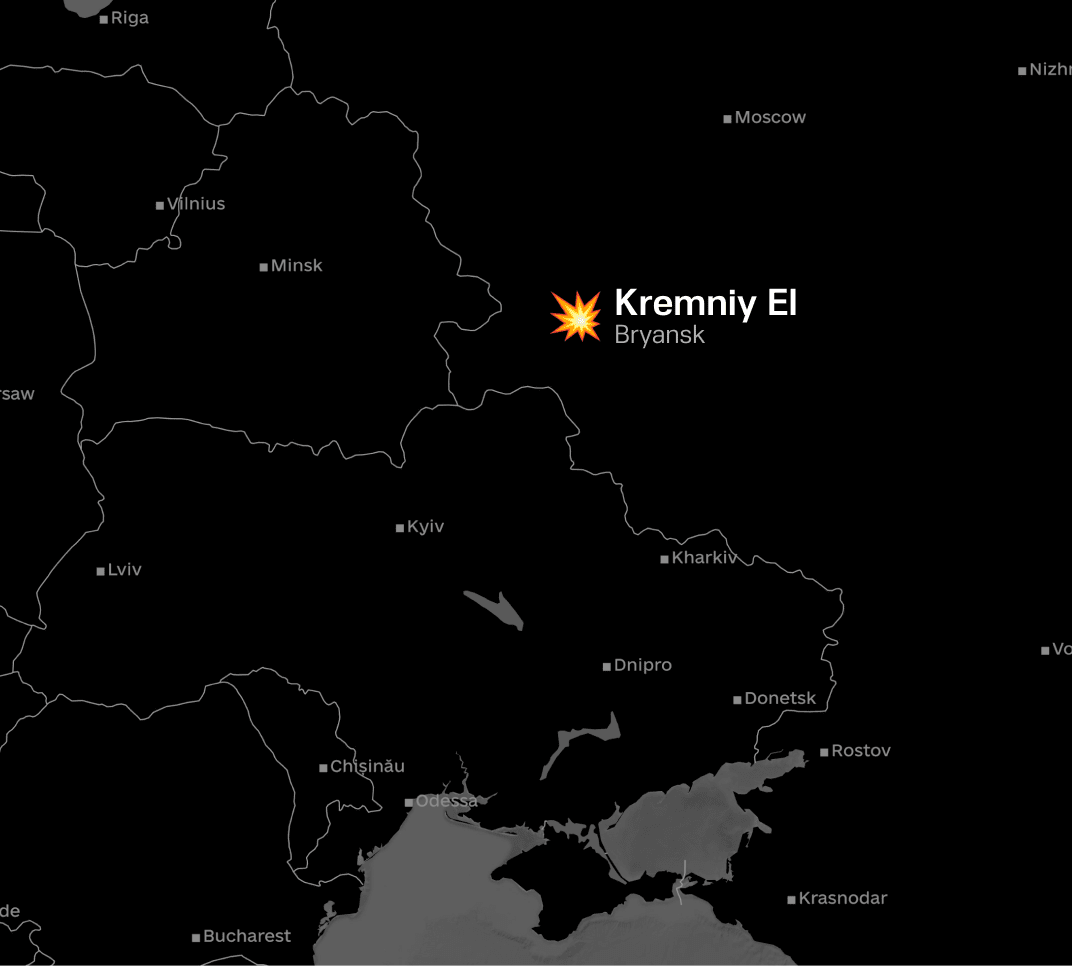
Its destruction is one way to reduce production capacity. Expanding the capabilities of the second plant—in Zelenograd, near Moscow—is also difficult due to the lack of access to necessary high-precision equipment. As a result, Russia will have to continue sourcing chips globally and smuggling them into the country.
Destroying launch systems
Another way to prevent a ballistic missile from being launched is to destroy its delivery system. Ukraine has been doing this since the early days of the full-scale invasion, but the past year has been particularly effective for various units of the Armed Forces of Ukraine.
Iskander ballistic missiles are launched from mobile ground-based systems, and their detection is difficult because they are constantly on the move: arriving at a location, launching, packing up, and relocating. Their range—up to 500 km—allows launches to take place far beyond the reach of Ukrainian strike capabilities.
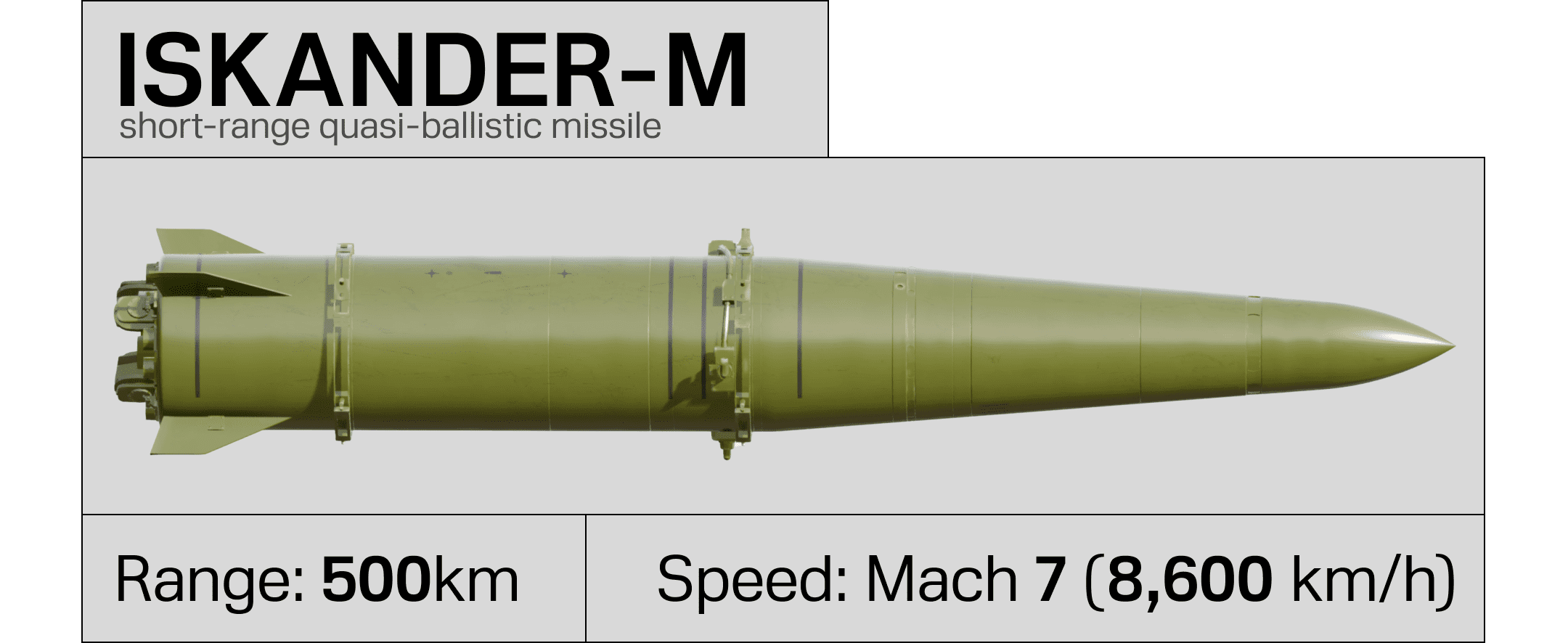
However, as soon as Russian officers make a mistake, Ukrainian forces act. In June 2025, launchers located about 40 km from the Ukrainian border—likely aimed at Kyiv—were detected. As a result of coordinated action by several Ukrainian units, one Russian missile launcher detonated, while two others were likely damaged. Each launcher carries two missiles, each worth more than $3 million. Eight Russian servicemen were also killed in the operation.
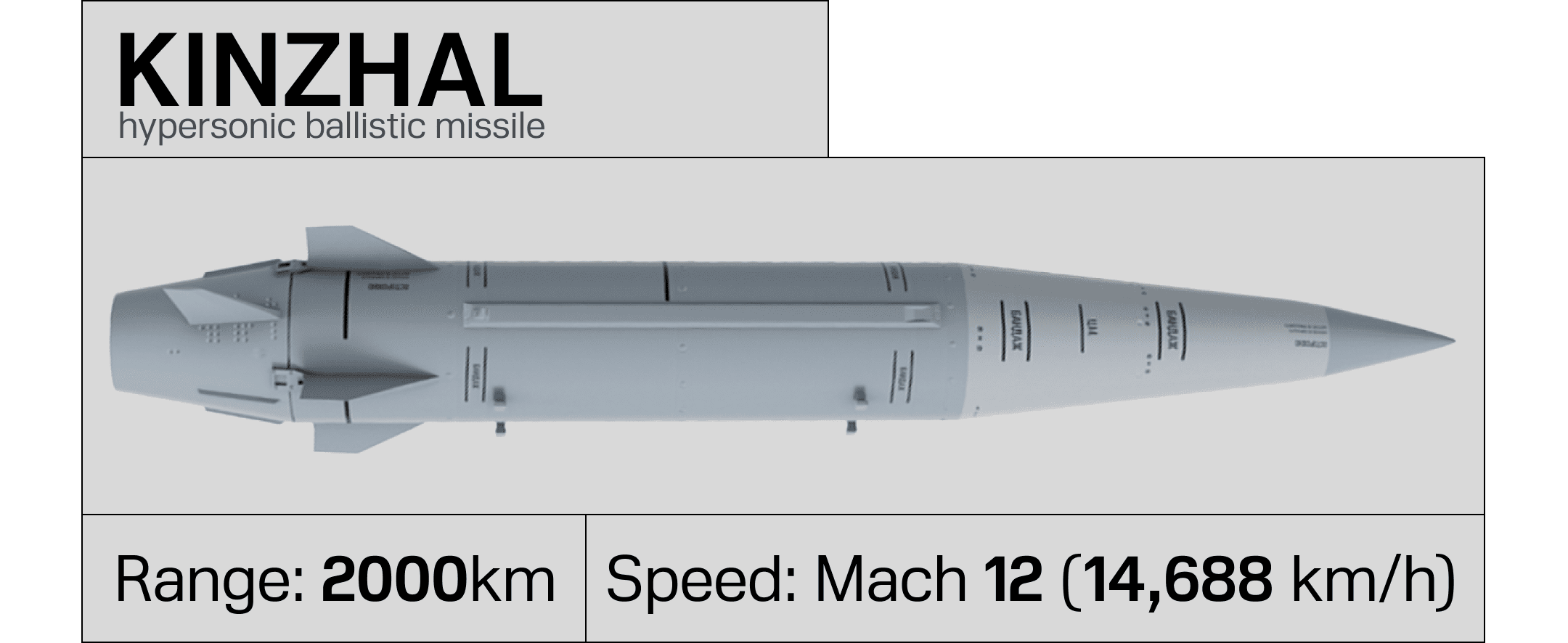
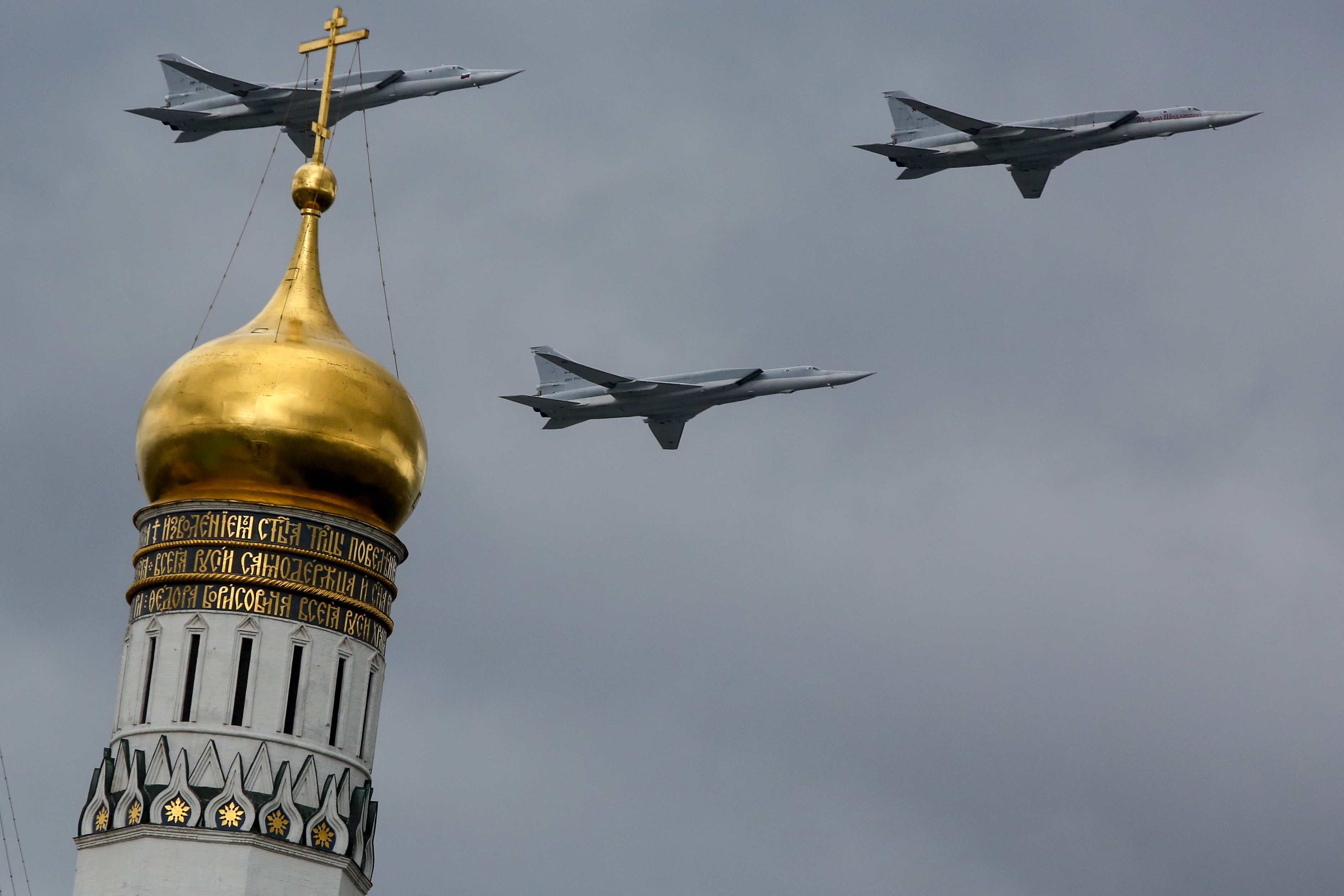
Another type of attack is airborne, using a modified version—the Kinzhal aeroballistic missile. These missiles are launched, for example, from Tu-22M3 aircraft. During the full-scale invasion, Ukraine has managed to destroy more than 10 of these aircraft, with several more damaged.
In particular, this refers to the highly successful Spiderweb operation—the culmination of a Ukrainian covert effort. In 2025, after a year of preparation, four Russian airfields were attacked by FPV drones in a sabotage operation deep inside Russian territory—something never seen before.
As a result of the strikes, between 7 and 12 Russian Tu-22M3 bombers were damaged or destroyed. At the same time, several more aircraft were shot down by Ukrainian air defense forces or damaged at their home airfields.
These aircraft are largely beyond repair, and Moscow is losing offensive capabilities while sustaining significant losses.
Seizing the initiative
To intercept ballistic missiles, Ukraine needs PAC-3 missiles for the Patriot system. These missiles are in short supply globally: production stands at around 600–700 units per year, with orders backlogged for years ahead, while Kyiv is not yet a priority recipient.
The destruction of the Bryansk plant is one way to seize the initiative. Ukraine continues to work with international partners to counter the broader ballistic threat and strengthen its air defense capabilities. At the same time, UNITED24 Media sources in military circles say that all missiles launched by Moscow at Ukraine are newly produced and sent to launch systems immediately after manufacturing. Destroying production facilities is a way to delay future strikes.
Ukraine’s top leadership has been explicit: to build a strong, permanent defense, the country needs its own solutions to counter ballistic threats. Developing them will take time, but it will enable Ukraine to operate autonomously and reduce dependence on external suppliers.
There is already relevant experience: until recently, Ukraine lacked long-range drones or domestically produced missiles capable of striking targets up to 1,000 km away.
Discuss this article:



-c439b7bd9030ecf9d5a4287dc361ba31.jpg "Photo of Katherina Popilnichenko")