- Category
- World
Trump’s Russian Diesel Decision Weakened Pressure for Ukraine Ceasefire, Czech President Warns
 Prefer U24 Media on Google
- Authors


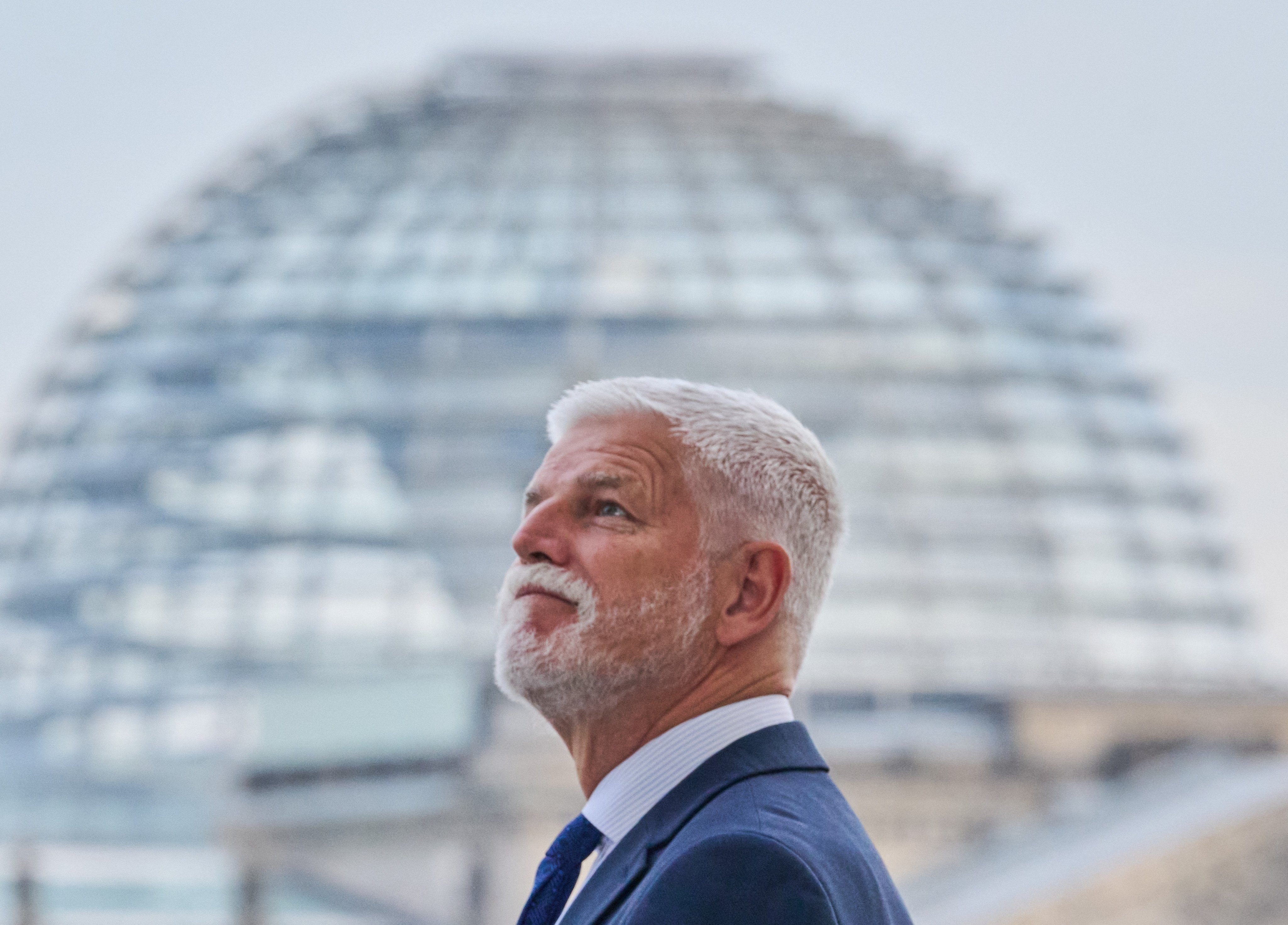
A ceasefire between Russia and Ukraine had been “quite close” before US President Donald Trump lifted sanctions on Russian diesel, undermining peace efforts, Czech President Petr Pavel stated on October 22.
This was reported by POLITICO on October 22, citing Pavel's interview with the Axel Springer Global Reporters' Network.
We bring you stories from the ground. Your support keeps our team in the field.
Pavel argued that coordinated US and European sanctions targeting Russian oil, oligarchs, and other industries had placed Moscow under significant economic pressure. Trump's decision to ease restrictions on Russian diesel exports gave the Kremlin "time to breathe" and weakened incentives to negotiate a ceasefire.
“It will be much harder now,” Pavel warned, describing the consequences of Washington's agreement with Moscow.
According to the Czech president, the agreement gave Russia “a new hope” that it could bypass Ukraine and European governments while pursuing direct negotiations with Washington and potentially Beijing.
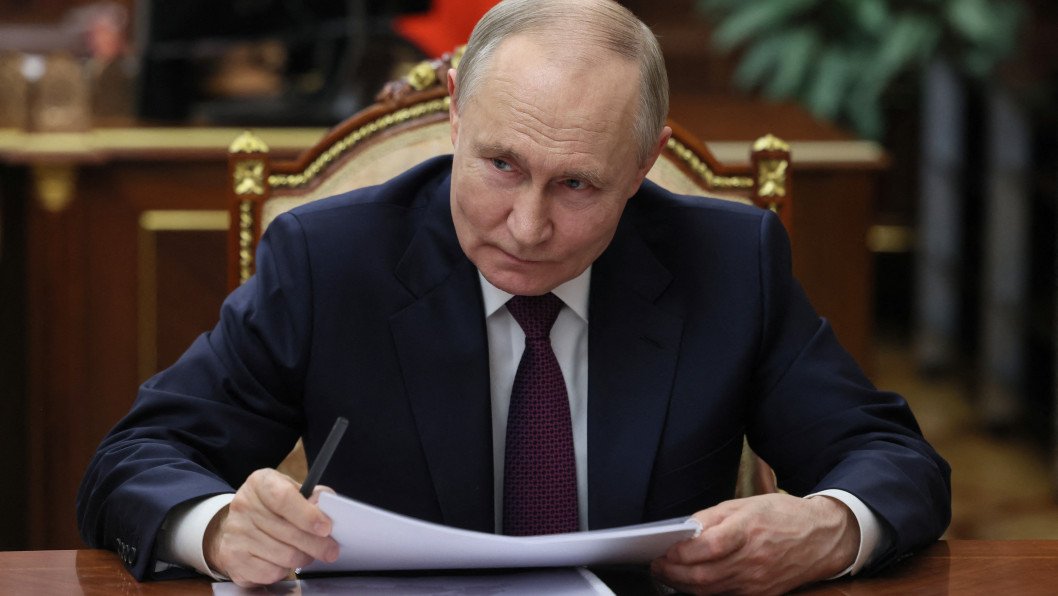
Pavel warned that such an arrangement would allow Moscow to pursue its objectives without accounting for European security interests. He described this possibility as “clearly against our interest in Europe.”
The Czech president also addressed Trump's approach to the Russian leader, Vladimir Putin. Pavel suggested that Trump was attracted to Putin's exercise of authority and viewed international relations primarily through the lens of the United States' economic interests.
Rather than seeing Russia's invasion of Ukraine as a confrontation between democracy and authoritarianism, Trump appeared to approach the war through the potential economic benefits of negotiations, Pavel argued.
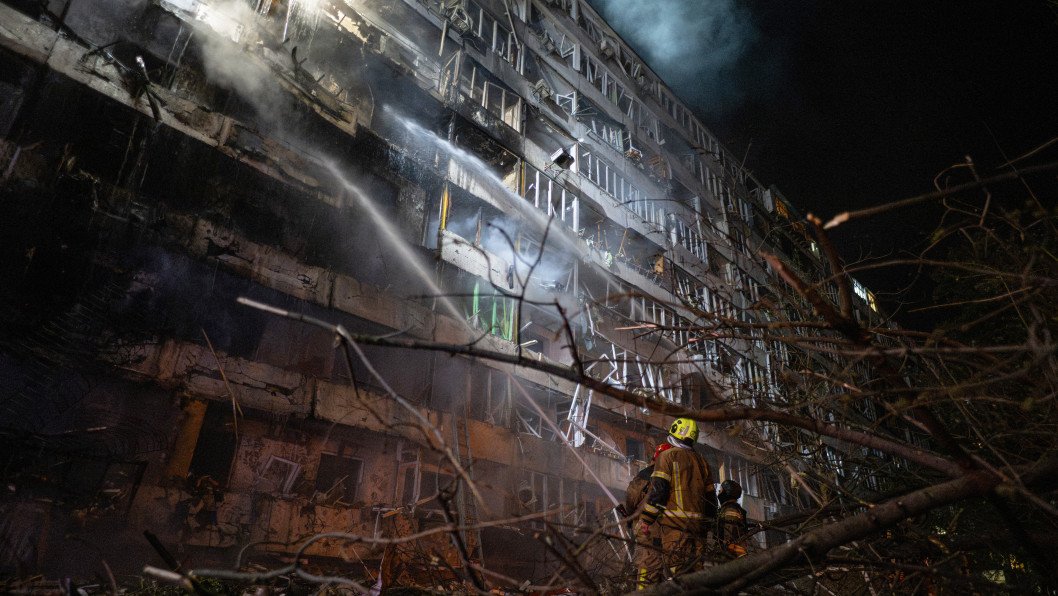
Pavel also defended Ukrainian President Volodymyr Zelenskyy against criticism over the stalled diplomatic process.
“It was not Ukraine who attacked Russia,” Pavel emphasized, rejecting suggestions that Kyiv bore responsibility for the war.
Pavel acknowledged that European countries might eventually resume purchases of Russian oil. However, he emphasized that such cooperation would only become acceptable once Russia demonstrated respect for other countries' sovereignty and internationally recognized borders.

Washington's easing of pressure on Moscow has extended beyond fuel. Trump also blocked a package of Russia sanctions, approved by Congress and signed into law in September, just two days before it was due to take effect.
The 60-day suspension was framed as an effort to keep Russia at the negotiating table, and Moscow welcomed the move. Zelenskyy has warned that recent US decisions, including delayed Patriot deliveries, Starlink restrictions, and interruptions in intelligence sharing, appear to be pushing Kyiv toward capitulation.
Discuss this article: