- Category
- World
Elon Musk Ordered Ukraine Starlink Slowdown Despite Saying US Military Controls Limits, Says WSJ
 Prefer U24 Media on Google
- Authors


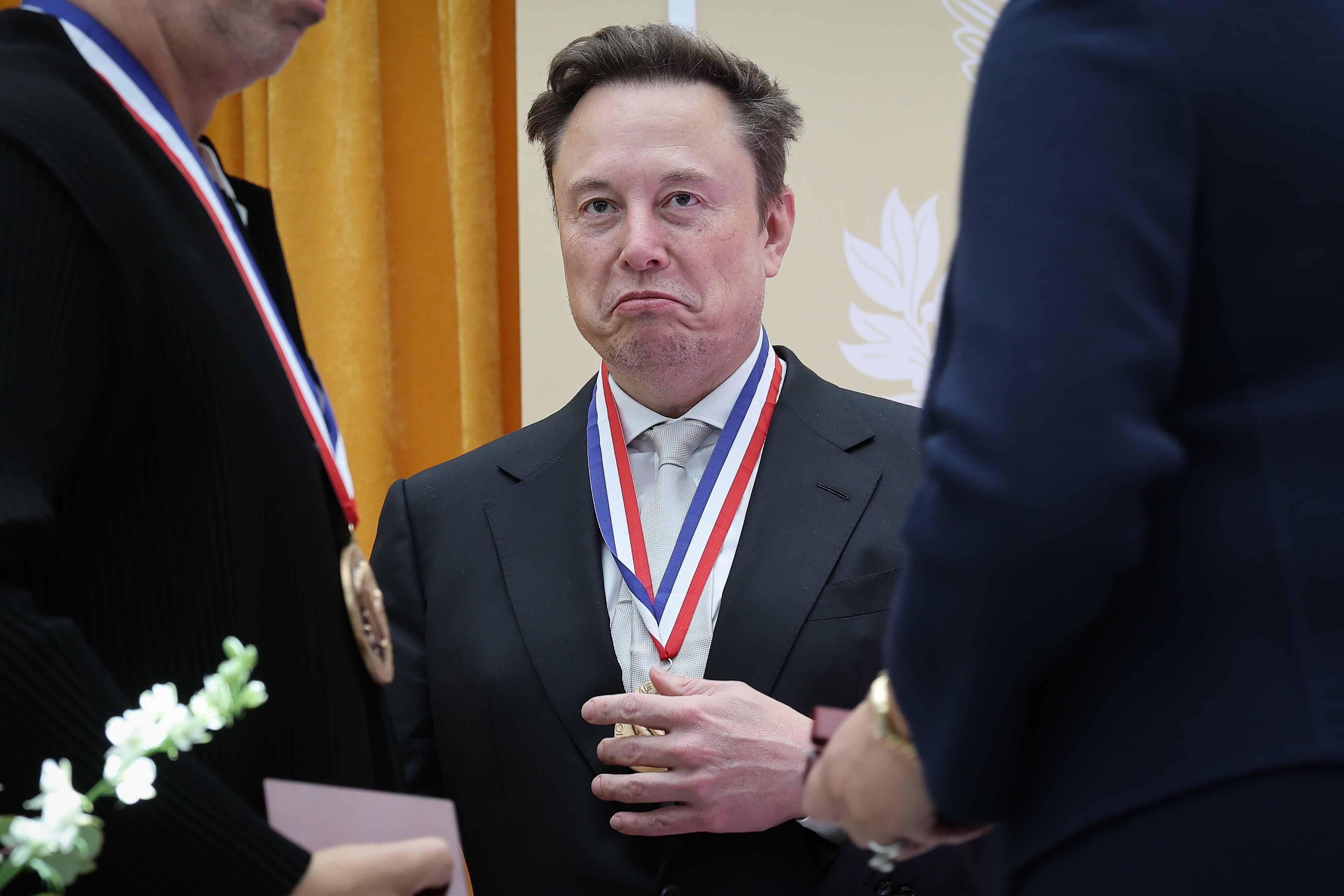
Elon Musk personally ordered restrictions on Starshield, the military-grade version of SpaceX’s Starlink service used by Ukraine, on October 14, disrupting Ukrainian drone operations, The Wall Street Journal reported on October 20.
The outlet disclosed the development, citing US officials and people familiar with the decision. According to the newspaper, Musk imposed speed limits on Ukrainian equipment connected to the satellite network, reportedly rendering some Ukrainian strike drones and aerial interceptors virtually unusable.
We bring you stories from the ground. Your support keeps our team in the field.
According to the Journal's sources, Musk and US President Donald Trump discussed the restrictions in a telephone conversation shortly after the slowdown became public. One person familiar with the situation also claimed the two discussed the matter before the restrictions were imposed. However, other US officials maintained that Musk acted independently and that Trump had not explicitly ordered punitive measures against Ukraine.
The restrictions reportedly triggered alarm in Kyiv and confusion within the Trump administration. According to the Journal, Ukrainian President Volodymyr Zelenskyy's warnings that the disruption could cost Ukrainian lives prompted an informal White House investigation into who authorized the decision.
SpaceX representatives also reportedly contacted White House officials to coordinate their understanding and public messaging about the restrictions.
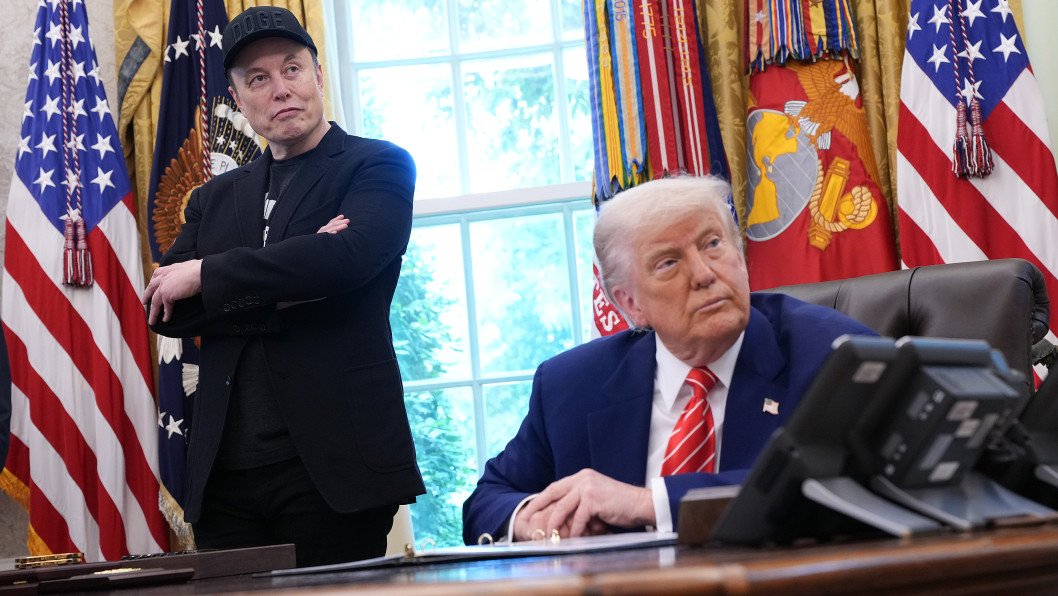
Musk subsequently wrote on X that "Any limits on speed or usage are decided by the US military and ultimately POTUS," according to the newspaper. Trump, meanwhile, denied knowing who was responsible for the slowdown and said he wanted to determine what had happened.
According to the Journal, some US officials maintained that Musk had acted unilaterally. Another person familiar with the matter claimed that he had consulted several senior administration officials, including Trump, before introducing the restrictions. US Secretary of State Marco Rubio subsequently denied that the administration had requested the slowdown.
The reported operational consequences extended to Ukrainian air defense. Michael Kofman of the Carnegie Endowment for International Peace told the Journal that Ukrainian strike and interceptor drones remained subject to a 160 km/h speed cap, while in practice reliable connectivity could be lost at speeds above roughly 130 km/h.
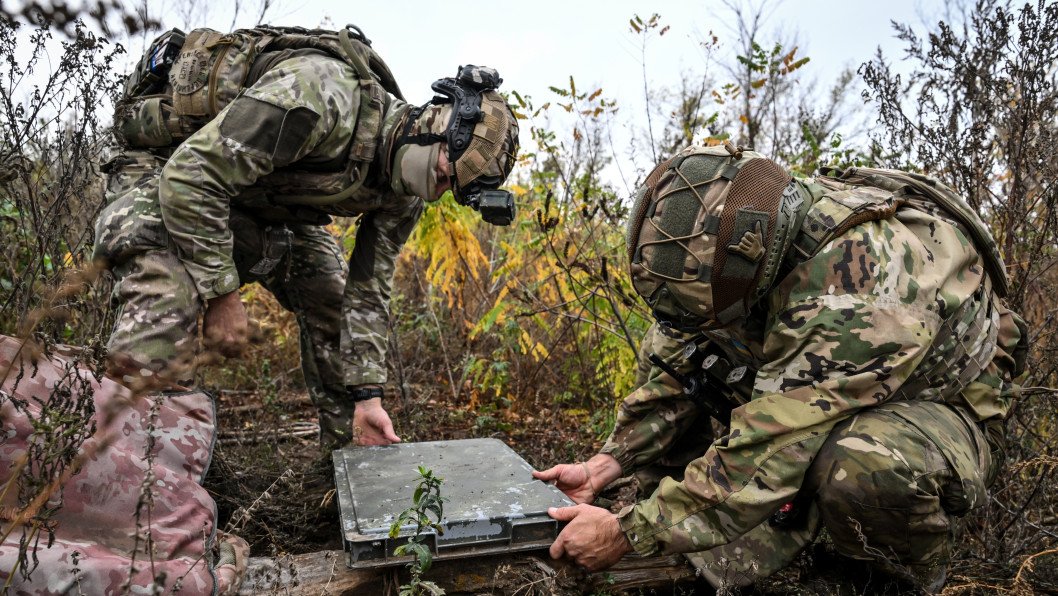
Zelenskyy separately said Ukraine does not use Starlink for strikes inside Russia, including attacks on Russian oil infrastructure. During an October 16 press conference in Brussels, he explained that Ukraine instead relies on the system to operate interceptor drones protecting civilians from Russian Shahed attacks.
"We do not use Starlink to attack or respond within the territory of the Russian Federation," Ukrainian president Volodymyr Zelenskyy stated, according to Ukrinform. He added that Kyiv had previously asked SpaceX and the White House to provide such capabilities, indicating that they were not available to Ukrainian forces.
According to Zelenskyy, reducing Starlink connection speeds prevented Ukrainian interceptors from engaging some high-speed Russian Shahed-type drones. He described the restrictions as a dangerous surprise, explaining that certain Russian jet-powered drones were traveling at speeds exceeding 400 kilometers per hour. Ukrainian units reportedly encountered severe connection limitations while attempting to intercept those threats.
SpaceX has not publicly explained the restrictions or responded to the Journal’s report that Musk personally ordered them.
The restrictions disrupted frontline drone units within hours of taking effect. Overnight on October 14, units of the 7th Air Assault Corps in the Huliaipole sector of the Zaporizhzhia region began losing drone connections for 10–20 seconds at speeds of roughly 110–120 km/h.
Medium-range strike drones, which must accelerate rapidly at launch, faced the greatest risk of failing to take off or complete their missions. Slowing down to stay connected left aircraft more exposed to Russian forces, and one drone unit in the sector canceled several missions that day as Ukraine's Defense Ministry began investigating the cause.
Discuss this article: