- Category
- War in Ukraine
Zelenskyy Asked Trump to Win Musk’s Backing for Starlink Expansion to Enable Deep Strikes
 Prefer U24 Media on Google
- Authors

-72b63a4e0c8c475ad81fe3eed3f63729.jpeg "Photo of Cyril Barabaltchouk")
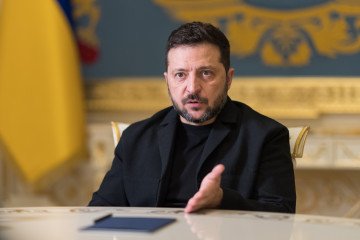
Ukrainian President Volodymyr Zelenskyy asked US President Donald Trump during closed-door White House talks to persuade Elon Musk to permit Starlink satellite guidance, The Atlantic reported on July 30, citing officials familiar with the discussions.
However, two officials familiar with the conversation told Reuters that Trump was noncommittal, which left the future of the plan in doubt.
We bring you stories from the ground. Your support keeps our team in the field.
Under Zelenskyy’s proposal, expanded Starlink access would give Ukraine a faster and more cost-effective way to target mobile Russian ballistic missile launchers before the onset of winter. With US stockpiles of Patriot air-defense interceptors heavily depleted due to the ongoing war in Iran, Zelenskyy presented the Starlink expansion as a vital alternative to protect Ukraine’s power grid and civilian infrastructure, according to officials familiar with the conversation.
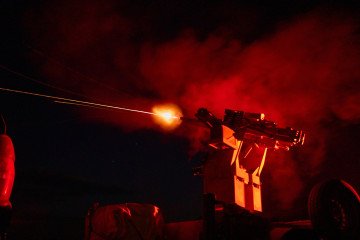
Under the plan, Ukraine seeks to lift SpaceX’s current geofencing restrictions, which limit Starlink usage exclusively to Ukrainian territory and temporarily Russian-occupied areas. While AI-guided Ukrainian drones have successfully targeted fixed infrastructure like oil refineries, enabling Starlink connectivity over Russian airspace would provide the high-precision guidance necessary to hit smaller, mobile targets. This specifically includes the truck-mounted missile batteries used in salvo attacks across Ukraine, The Atlantic reported.
Denys Shtilerman, co-founder of Ukrainian drone producer Fire Point, emphasized that Starlink-equipped drones could expand Ukraine’s operational reach into a 500-kilometer “kill zone” inside Russian territory. “Instead of shooting down the arrows, we would strike the archers,” Shtilerman told The Atlantic, noting that neutralizing launchers directly is far more effective than attempting to intercept incoming missiles mid-flight.
After Zelenskyy made his case, however, Trump gave no firm response during the meeting, telling his Ukrainian counterpart he would consider the request and discuss it with Musk, though he offered no clear timeline. Officials indicated to The Atlantic that Trump’s ultimate stance will likely depend on whether he believes enabling Starlink strikes will compel Russian leader Vladimir Putin to enter serious peace negotiations or risk further escalating the war.
Zelenskyy also sought a direct meeting with Musk during his Washington visit, but the billionaire declined the invitation, according to a person involved in the discussions.
Before his dismissal in a recent government reshuffle, former Ukrainian Defense Minister Mykhailo Fedorov had conducted preliminary outreach to Musk. Receiving assurances that expanding Starlink access inside Russia could be feasible if instructed by the US president, an official told The Atlantic.
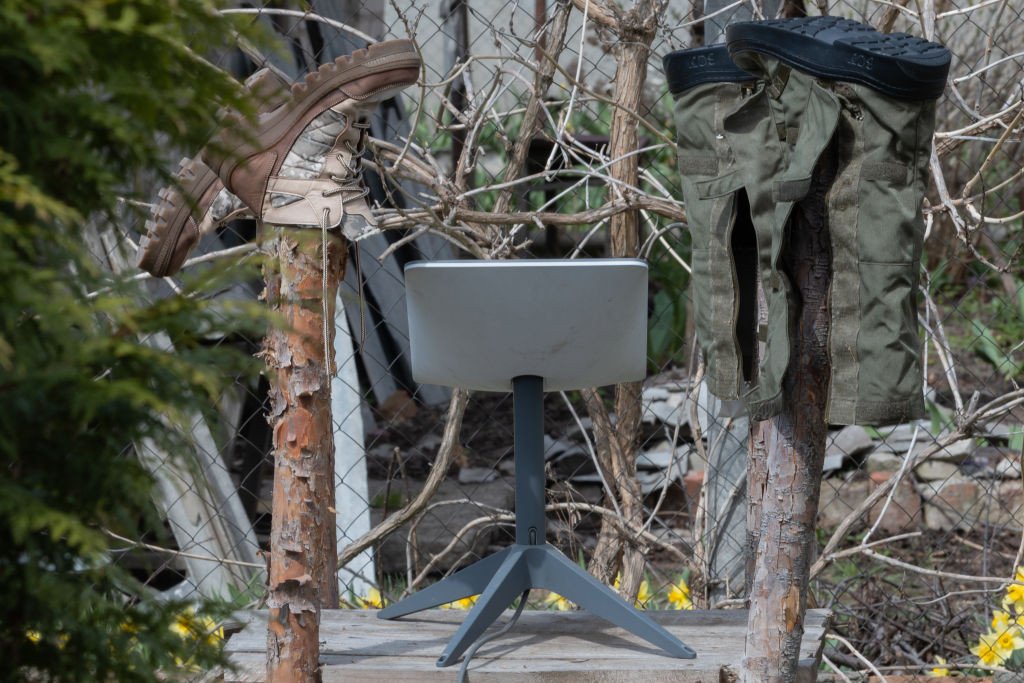
Fedorov had previously negotiated directly with Elon Musk to deactivate unauthorized Starlink access for Russian forces through a nationwide verification whitelist, after Russian troops began mounting terminals on front-line assets and long-range drones. The move gave Ukrainian soldiers an advantage on the frontline.
“Fedorov has a super constructive relationship with him,” a Ukrainian official told The Atlantic. “So the timing is very bad to install a new minister.”
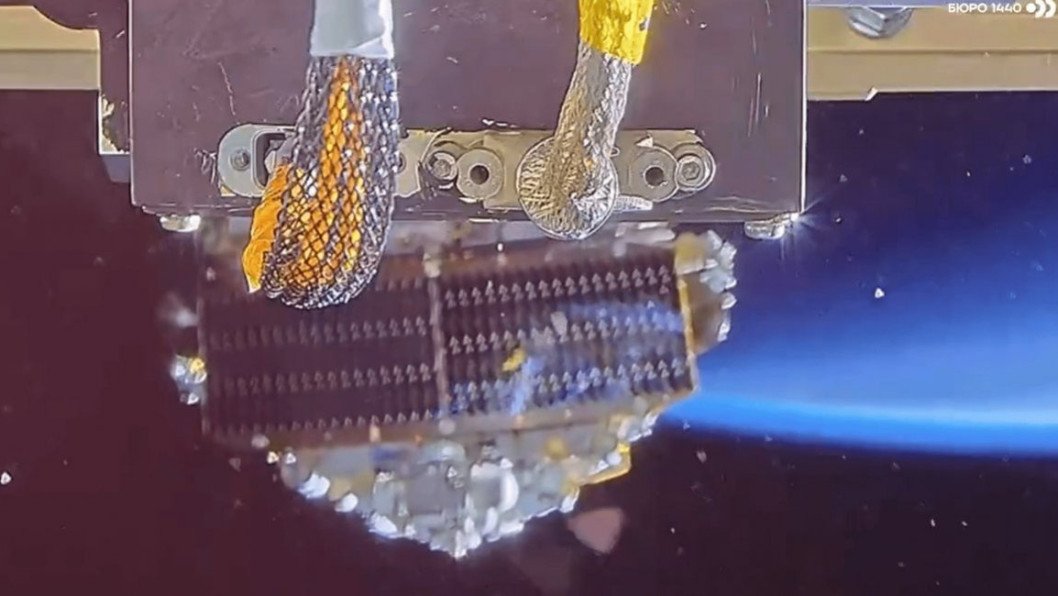
As Ukraine seeks expanded access to Starlink, Moscow has been attempting to build its own domestic alternative after terminal access was blocked for Russian forces, with Russian aerospace company Bureau 1440 recently launching a second batch of satellites for its planned “Rassvet” low-Earth-orbit constellation.
Discuss this article:
-9a7b3a98ed5c506e0b77a6663f5727c5.png)

-c439b7bd9030ecf9d5a4287dc361ba31.jpg "Photo of Katherina Popilnichenko")