- Category
- Defense Tech
A Russian Drone That Takes Off Every Minute Along Ukraine’s Front. How Do You Stop Molniya?
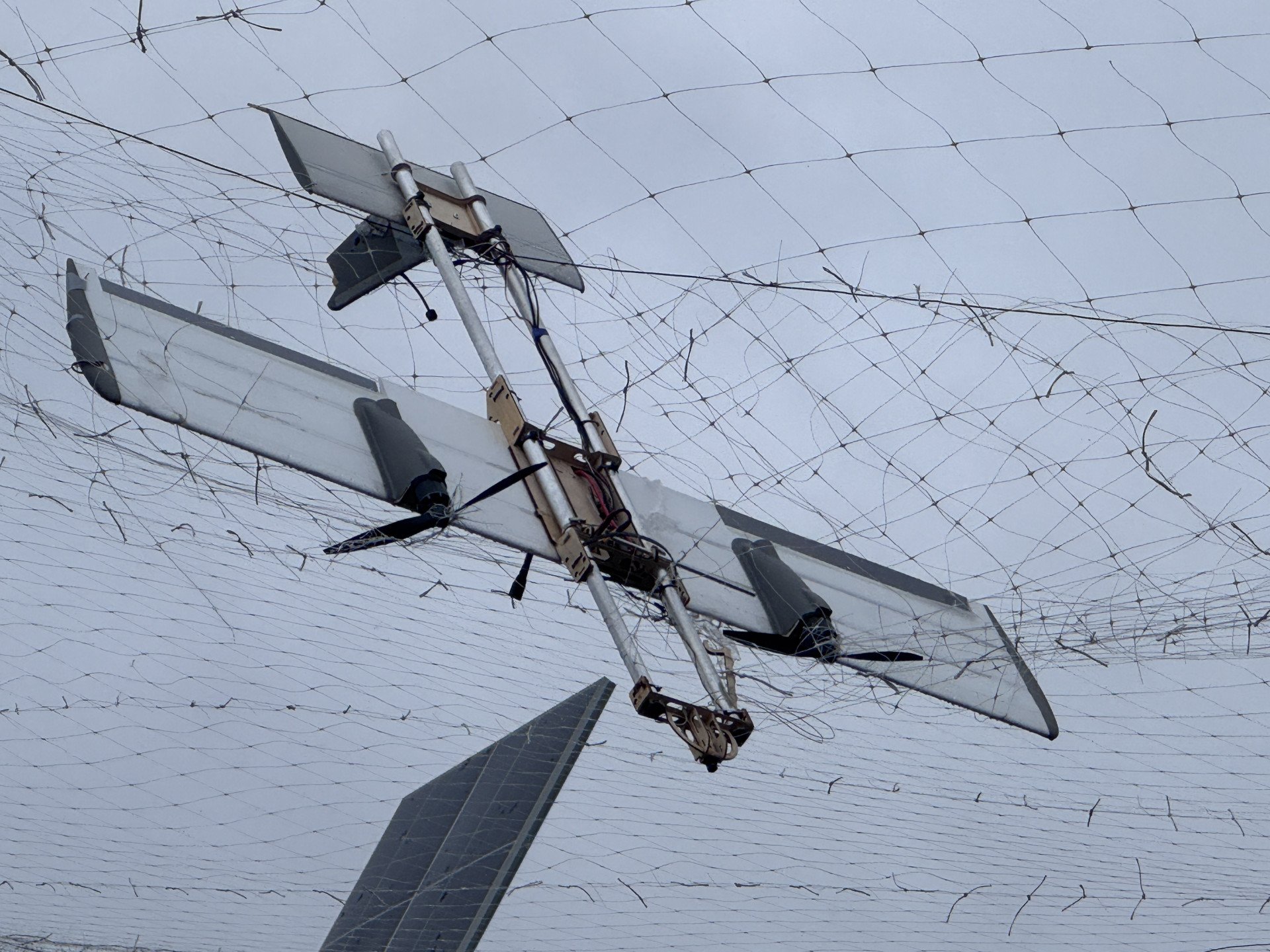
Molniya drones can fly up to 30 kilometers, putting most of the front line’s kill zone within reach. Cheap enough to be launched in under 50,000 every day, they have become a relentless presence over the battlefield. Few outside the front notice them, yet no military has ever faced such a constant drone threat at this scale.
 Prefer U24 Media on Google
- Authors

-29a1a43aba23f9bb779a1ac8b98d2121.jpeg "Photo of Illia Kabachynskyi")
On the screen, we see two Russian Molniya drones fly one behind the other. Ukrainian soldiers managed to intercept the video feed, identify their location, and pass the information to military personnel who would destroy them within the next few minutes. This pattern repeats itself day after day, every few minutes.
“Russia launches a Molniya somewhere along the front line every minute,” explains our source, who runs a command center coordinating air defense and electronic warfare systems on a section of the front in southern Ukraine. He says they fly constantly, every day—one Molniya after another.
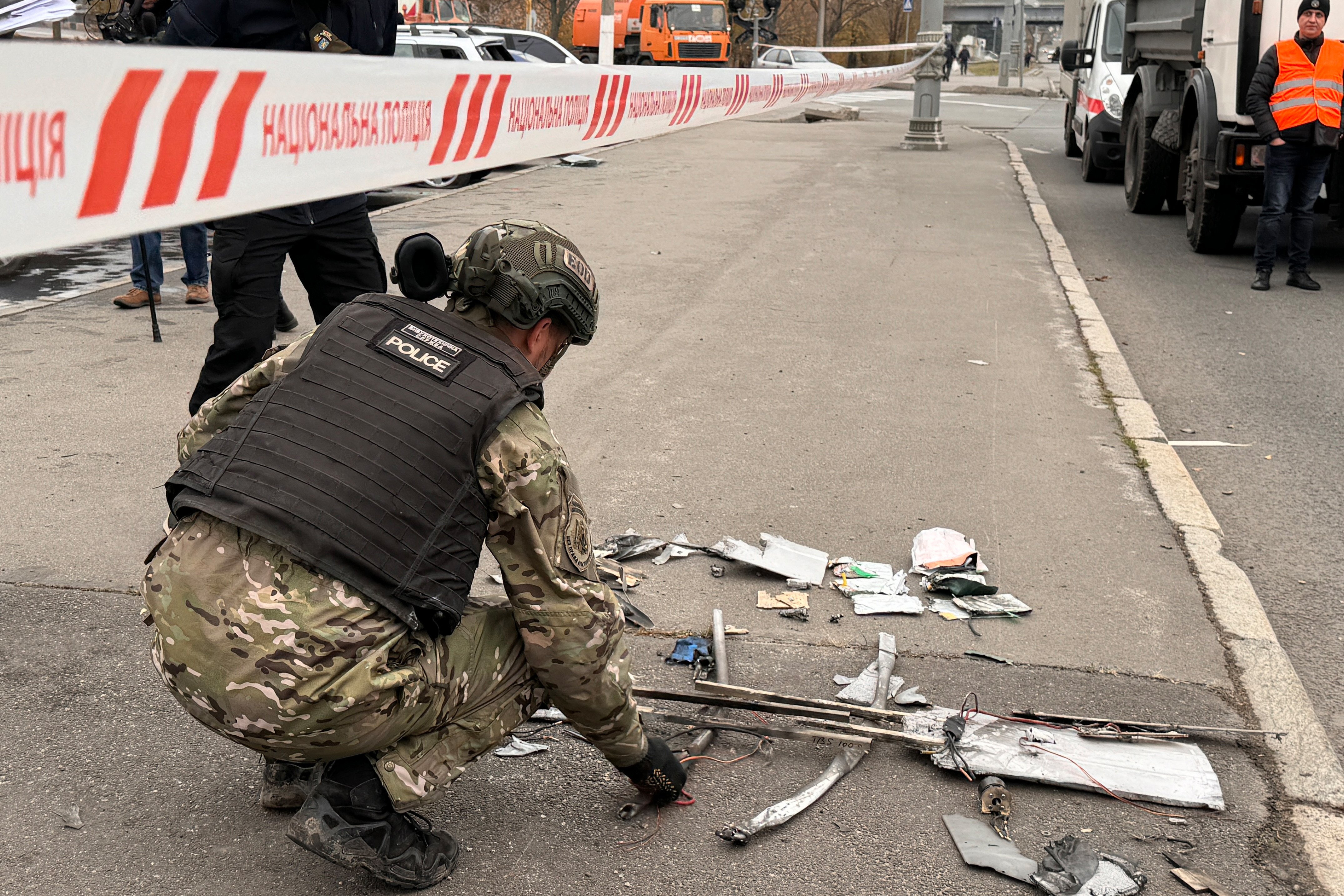
This is difficult to believe because the broader information space is dominated by Shahed and Geran drones, which attract most of the attention due to their threat and their attacks on civilian cities. Along the front line, however, Molniyas are well known and constantly visible in the sky. While Russia has launched roughly 6,000–8,000 Shahed drones per month in recent months, up to 24,000 confirmed Molniya drones have been shot down during the same period.
The real number, according to Ukrainian soldiers involved in countering them, may be twice as high, up to 50,000 Molniya drones per month, or more than 1,500 per day across the entire front line. They are like artillery salvos, except they fly through the sky and continuously hunt Ukrainian troops and equipment.

And the number is growing: in the last month alone, launches increased by 9%, which translates into nearly 5,000 additional drones.
What is Russia’s Molniya?
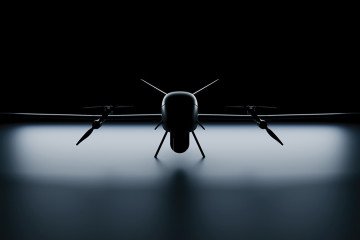
Molniya is a type of drone that first appeared in November 2024, when Russia’s defense industry sought to create a simple, inexpensive—and therefore mass-producible—drone capable of concentrating its attacks directly on the front line.
The drone is built in the shape of a small airplane and is made from cheap, readily available materials such as plywood, plastic, and cardboard, often held together with little more than tape.

Because it is manufactured from these materials, it has a low radar signature, making it difficult to detect with conventional radar systems. As a result, other methods are often used to locate and intercept it.
The drone is powered by an electric motor, though a twin-motor version also exists. Specifications:
Wingspan: approximately 1.5 meters
Weight: up to 10 kg
Payload: 3–5 kg
Range: up to 30–40 km
Speed: up to 90 km/h
Endurance: up to 40 minutes
Russian forces are not concerned about losing these drones, as their cost is estimated at just $300–$400 each. That is why Molniyas are launched one after another. Even a single successful strike among dozens of launches may be considered worthwhile, given the drone’s low cost.
How Ukraine counters Russia’s Molniya threat
The greatest threat posed by this drone lies in its sheer numbers, which require additional methods of defense. When as many as 50,000 of them are in the air every month, the problem cannot be ignored.
Nor can the economics of war be overlooked. Since the Molniya is a low-cost drone, it rarely makes sense to use an interceptor costing $2,000 against a target worth only $300—especially when those interceptors are already needed in large quantities to counter Shahed and Geran drones.
As a result, Ukrainian forces most often use FPV drones against Molniyas. These drones are similarly inexpensive, already widely deployed in Ukraine, and highly effective because they are faster and can catch up with the Russian drone. A significant percentage of Molniyas are also neutralized by electronic warfare systems.
To improve effectiveness, dedicated military units are being established specifically to counter this type of drone.
Managing a battlefield saturated with drones
In this arms race, Ukraine is now one of the global leaders. No other country has ever faced such a volume of drones of different types launched against it within a single month. Long-range strike drones, cheap mass-produced fixed-wing drones, multicopters, FPVs, and thousands of reconnaissance UAVs all pose a large-scale and persistent threat.
Much of this threat remains out of the spotlight, yet countering it requires the coordinated work of dozens of units simultaneously, along with substantial quantities of equipment and software. Ukraine has learned how to do it.
Discuss this article:

-f88628fa403b11af0b72ec7b062ce954.jpeg "Photo of Amira Barkhush")
-c439b7bd9030ecf9d5a4287dc361ba31.jpg "Photo of Katherina Popilnichenko")