- Category
- World
America’s Patriot Stockpile Push Gets Massive as US Army Seeks 2,798 New Interceptors
 Prefer U24 Media on Google
- Authors


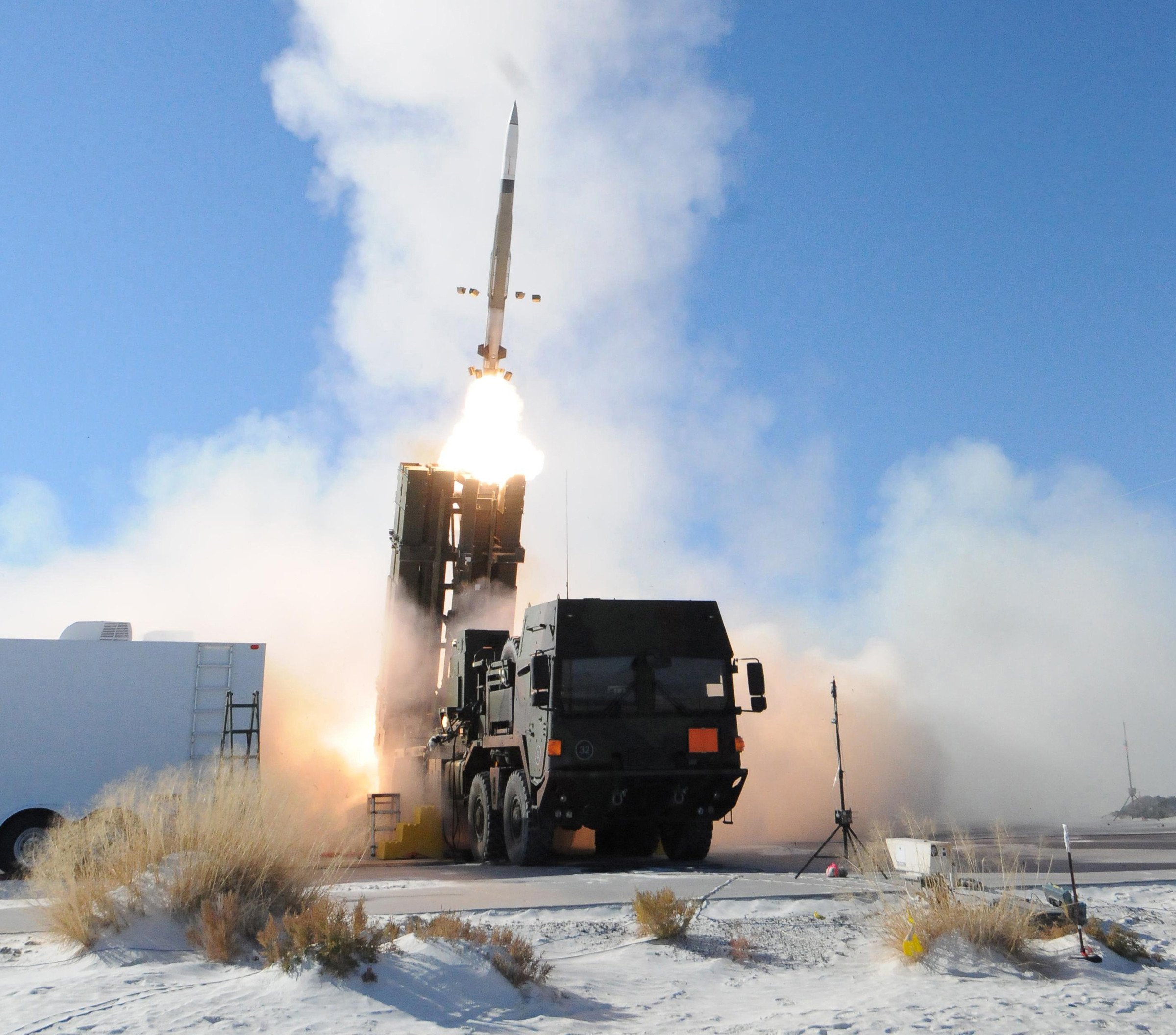
The US Army is seeking funding for 2,798 Patriot PAC-3 MSE interceptor missiles in its Fiscal Year 2027 budget, a proposed $12.2 billion purchase that would become one of the largest Patriot missile procurement efforts in US Army history, Army Recognition reported on June 1.
According to Army Recognition, the request reflects a growing Pentagon concern that future wars could burn through missile defense stockpiles far faster than earlier planning assumed.
We bring you stories from the ground. Your support keeps our team in the field.
The proposal signals a shift toward building the magazine depth needed to sustain air and missile defense during prolonged, high-intensity conflicts.
The US Army’s FY2027 President’s Budget Highlights include $1.3 billion in discretionary funding and $10.9 billion in mandatory funding to support production of the 2,798 PAC-3 MSE interceptors.
The request is part of a wider modernization effort focused on air and missile defense, long-range precision fires, counter-drone systems, and next-generation command-and-control capabilities.
The scale of the planned buy is striking. The FY2026 budget funded 357 PAC-3 MSE missiles, while the FY2027 request seeks 2,798 interceptors, including 2,554 through mandatory appropriations. That nearly eightfold increase shows how quickly US military planning is adapting to the reality of modern missile and drone warfare.
Army Recognition noted that the request is not only about buying more missiles, but about preparing for conflicts in which defenders may face sustained barrages rather than isolated attacks.
The PAC-3 MSE is the most advanced interceptor currently used in the Patriot air and missile defense system. Built by Lockheed Martin, it features a larger dual-pulse rocket motor, improved maneuverability, upgraded guidance electronics, and expanded engagement capability compared with earlier PAC-3 variants.
Unlike older air defense missiles that rely mainly on blast fragmentation, the PAC-3 MSE uses hit-to-kill technology, destroying incoming targets through direct impact. It is optimized against tactical ballistic missiles, while also retaining the ability to engage cruise missiles and advanced aircraft.
Inside the Patriot system, PAC-3 MSE interceptors operate as part of a broader network that links sensors, radars, command systems, and launchers. The missile currently receives targeting data through Patriot radar systems and is expected to benefit from integration with the Lower Tier Air and Missile Defense Sensor, or LTAMDS, which is designed to improve detection and tracking against emerging threats.
Recent combat experience has reinforced the strategic value of Patriot systems. Patriot batteries are deployed across Europe, the Middle East, and the Indo-Pacific as part of the US and allied missile defense networks, Army Recognition noted.
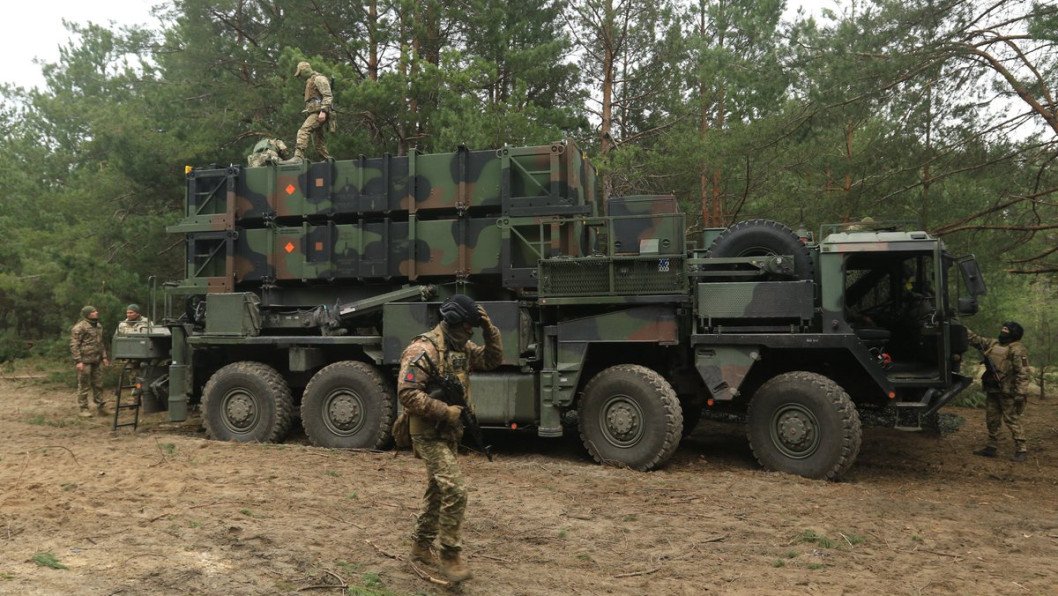
In Ukraine, officials have reported successful Patriot interceptions of advanced Russian missile threats, including the Kh-47M2 Kinzhal air-launched ballistic missile. Those intercepts have highlighted the system’s ability to counter high-speed targets under real combat conditions.
For the US Army, however, the new request points to a broader lesson from Ukraine and other conflicts: capability alone is not enough if interceptor stocks run low. A small number of highly advanced missiles can stop major threats, but sustained attacks require large inventories and a production base capable of replenishing them.
The war in Ukraine has shown how quickly advanced air defense interceptors can be consumed when a country faces repeated missile and drone strikes. Similar pressures have appeared in the Middle East, where defenders must remain ready against ballistic missiles, cruise missiles, drones, and other aerial threats over extended periods.
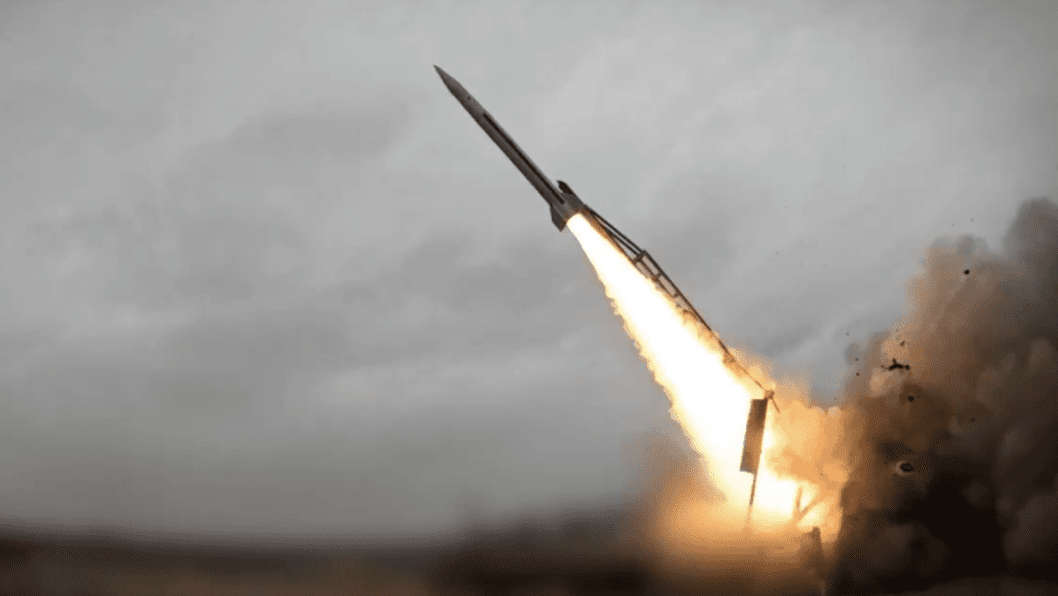
That reality is reshaping US defense planning. Military commanders must protect airbases, logistics hubs, ammunition depots, command centers, critical infrastructure, and maneuver forces from increasingly sophisticated long-range strike systems. In that environment, the size of the interceptor stockpile becomes almost as important as the performance of each missile.
The procurement plan would also have major implications for the US defense industrial base. If Congress approves the request, it would deliver a major production boost for Lockheed Martin, the manufacturer of the PAC-3 MSE.
The acquisition fits into a wider Pentagon effort to expand missile production capacity as demand grows from US forces and international Patriot operators. Governments are seeking to refill stocks, strengthen deterrence, and prepare for future crises where air defense systems may be under constant pressure.

The PAC-3 MSE buy is also part of a broader US Army missile defense modernization push that includes investment in LTAMDS, Indirect Fire Protection Capability, Terminal High Altitude Area Defense, and Maneuver-Short Range Air Defense systems. Together, these programs are meant to form a layered defense architecture against threats ranging from small drones to advanced ballistic missiles.
Army Recognition also linked the proposal to the US Army’s growing focus on deterrence in the Indo-Pacific.
As regional missile arsenals expand in both scale and sophistication, protecting forward bases, logistics networks, command centers, and allied facilities has become a central part of US military planning.
If approved, the purchase of 2,798 PAC-3 MSE interceptors would mark one of the most significant missile defense procurement efforts by the US Army in decades.
Earlier, Ukrainian President Volodymyr Zelenskyy urged the United States to let Ukraine produce Patriot interceptor missiles, warning that current US output is far too low as Russia ramps up ballistic missile production and increasingly tests NATO air defenses with drones flying toward allied states.
“60–65 anti-ballistic missiles per month, compared to current challenges, is nothing. It is no secret, and Russia knows this. We need to expand the production. I asked the previous US administration, and I am asking today’s administration to give Ukraine licenses to produce Patriot missiles,” Zelenskyy said.
Discuss this article:



-c439b7bd9030ecf9d5a4287dc361ba31.jpg "Photo of Katherina Popilnichenko")



-111f0e5095e02c02446ffed57bfb0ab1.jpeg "Photo of Roman Kohanets")