- Category
- World
As Putin Sends Diesel Tankers Toward US, Russia Imposes Fuel Limits at Home
 Prefer U24 Media on Google
- Authors


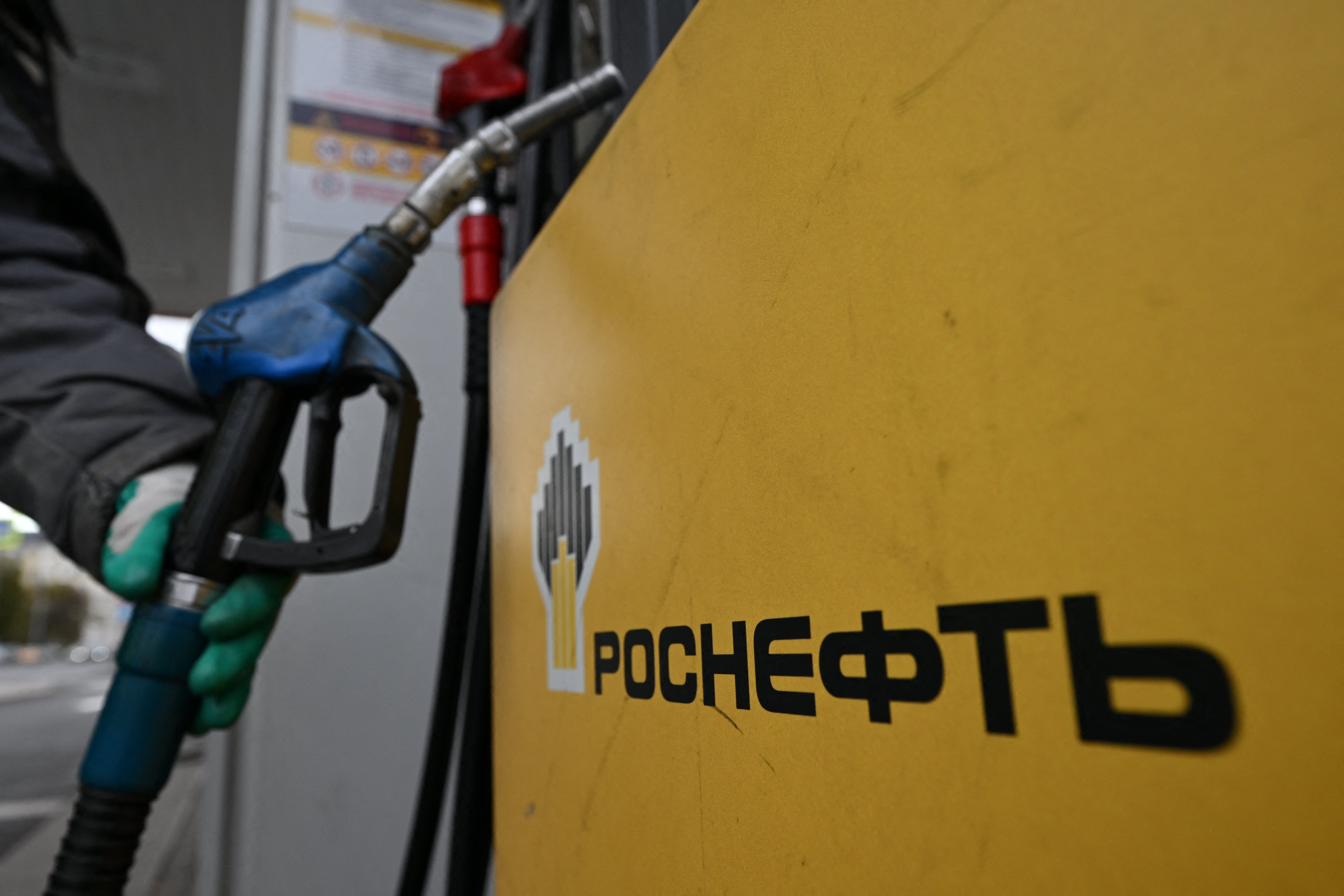
Russian oil company Rosneft has reintroduced fuel purchase limits at its gas stations across Russia following a series of Ukrainian drone strikes on oil refineries, Meduza reported on November 9.
The Economic Development Ministry of Russia's Zabaykalsky region announced that Rosneft had imposed nationwide restrictions, limiting purchases to 30 liters per customer at urban gas stations and 50 liters along highways. The ministry provided no further details about the restrictions or how long they would remain in effect.
We bring you stories from the ground. Your support keeps our team in the field.
Authorities and local media have confirmed restrictions in at least seven Russian regions, including Zabaykalsky Krai, Arkhangelsk, Buryatia, Karelia, Krasnoyarsk Krai, Novosibirsk, and Penza.
In Krasnoyarsk, Rosneft stations have introduced different limits depending on fuel type. Drivers can purchase up to 30 liters of AI-95 gasoline, 50 liters of AI-92, or 100 liters of diesel per customer. The restrictions also appear in the Yandex Gas Stations application, and stations have stopped selling fuel into canisters.
Karelia Governor Artur Parfenchikov confirmed similar restrictions on November 8, with gasoline purchases capped at 30 liters in cities and 50 liters on highways. Diesel sales are limited to 50 liters, although freight vehicles can purchase up to 200 liters at high-speed pumps.
Rosneft had previously lifted its fuel purchase restrictions in Zabaykalsky Krai on October 23. The company reinstated the limits after approximately two weeks of unrestricted sales.
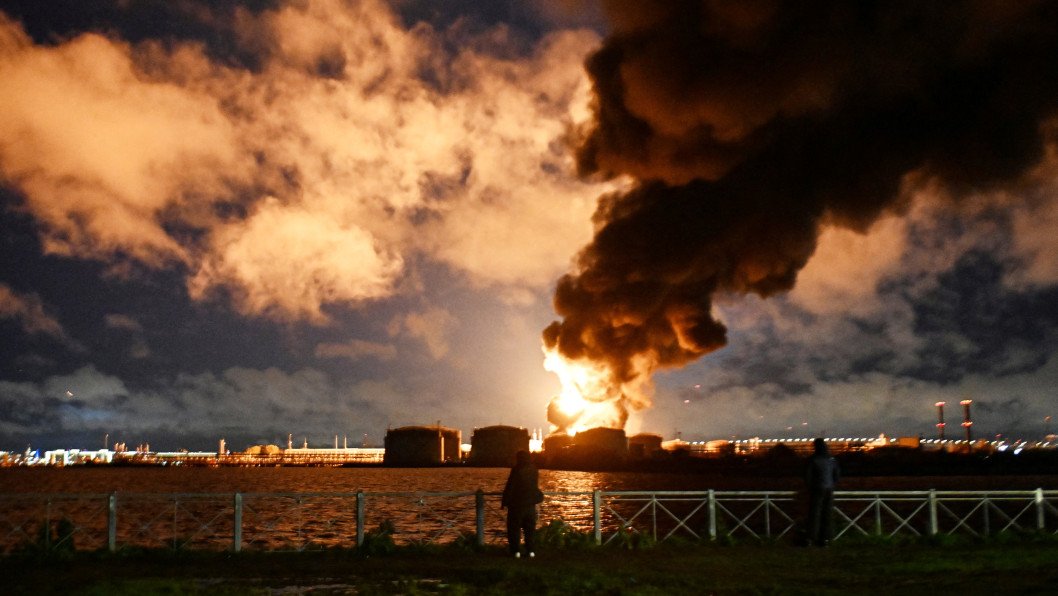
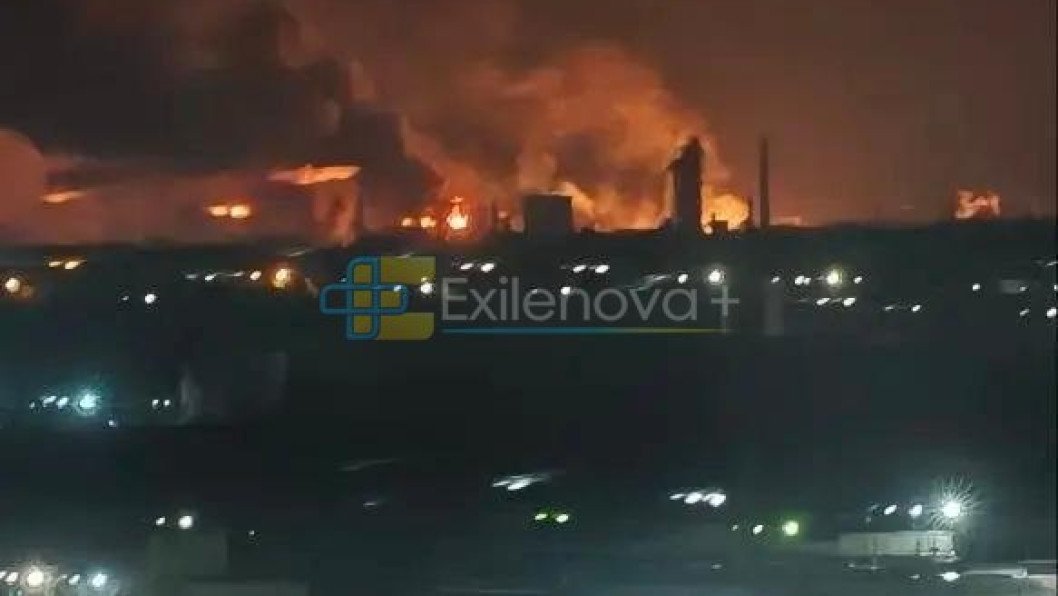
The renewed restrictions follow Ukrainian drone attacks on several Russian oil refineries, including Rosneft facilities. The Novokuibyshevsk refinery in the Samara region was targeted on October 30, followed by the Bashneft-Novoil refinery in Ufa on October 31 and a refinery in the Ryazan region on November 5.
The Insider also documented fuel shortages and long lines at gas stations in Russia's Nizhny Novgorod region after a drone attack on a Lukoil refinery. The reports did not establish whether the latest refinery strikes directly caused Rosneft's decision to restore fuel purchase limits.
While Rosneft restricts fuel sales at home, Russian leader Vladimir Putin is pursuing diesel exports to the US and global markets.
The agreement envisages an initial shipment of 300,000 tonnes, followed by another 500,000 tonnes in November and 1 million tonnes afterward, according to an analysis published on October 14.
Moscow also partially lifted its diesel export ban, although deliveries to US buyers remain unconfirmed.
The fuel restrictions also follow Washington's decision to ease pressure on Russian energy exports.
US President Donald Trump suspended new sanctions and tariffs targeting Russia and major buyers of its oil shortly after announcing a diesel supply agreement with Russian leader Vladimir Putin, as was reported on October 17.
The measures had been designed to restrict Moscow's energy revenues and increase economic pressure over its war against Ukraine.
Discuss this article: