- Category
- World
As Washington Looks to the Pacific, NATO Races to Prevent Gaps in Europe’s Defense
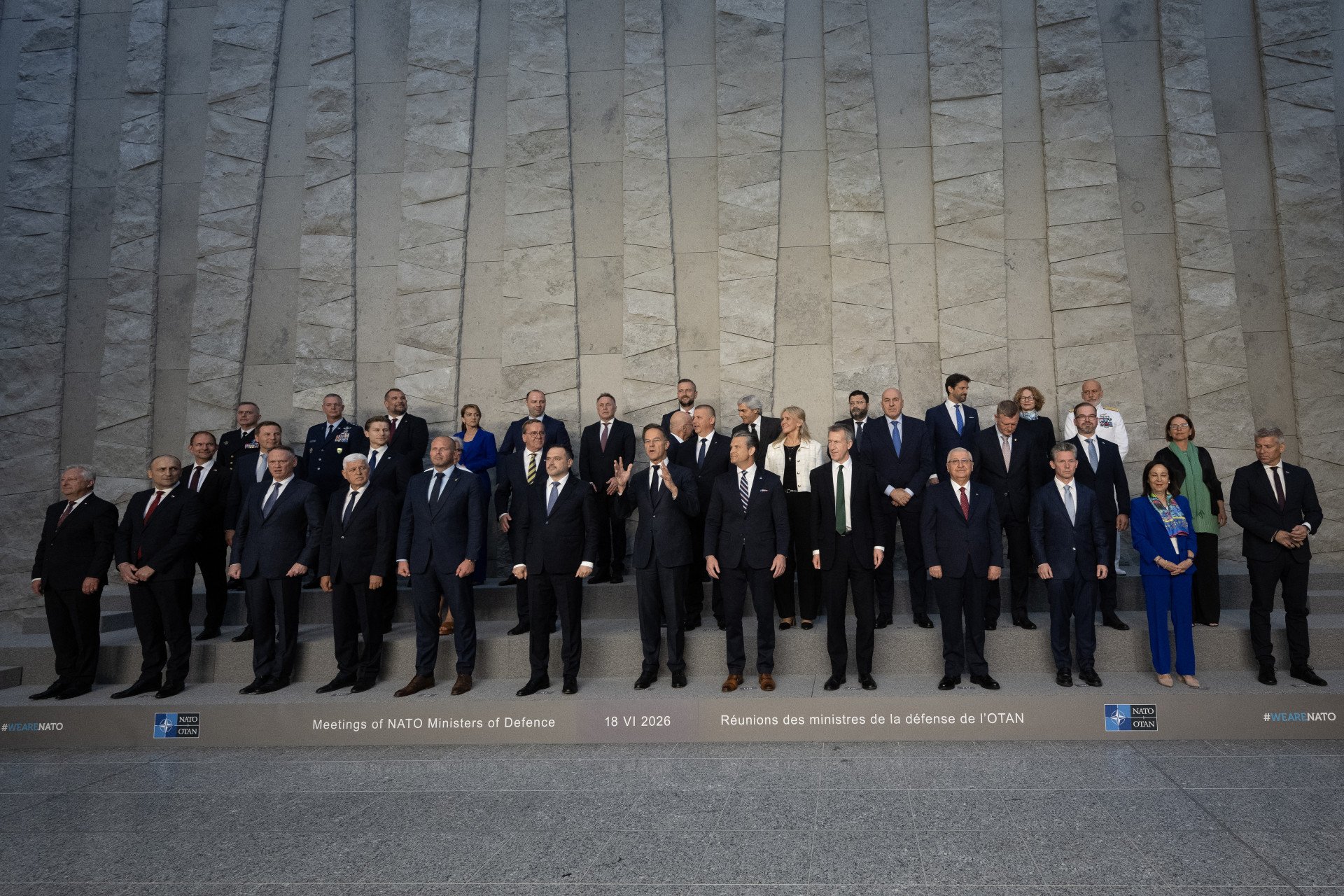
NATO is entering a period of strategic adjustment as the United States redirects part of its global focus, raising questions over how Europe will fill emerging capability gaps.
 Prefer U24 Media on Google
- Authors


NATO must ensure closer coordination between European allies and the United States as the alliance adapts to shifting global priorities and the gradual reorientation of Washington’s strategic focus toward the Indo-Pacific region.
Germany’s Defense Minister Boris Pistorius made the remarks in a doorstep interview with journalists during the NATO Defense Ministers Meeting, held ahead of the Ukraine Defense Contact Group (UDCG), also known as the Ramstein Group, according to UNITED24 media correspondents on June 18.
We bring you stories from the ground. Your support keeps our team in the field.
Speaking on NATO burden-sharing and future alliance planning, Pistorius underlined that Europe must assume greater responsibility for its own deterrence and defense capabilities.
“We often hear that Europe must take on more responsibility for its own deterrence and defense. That is absolutely correct and was foreseeable,” Pistorius said.
He noted that the strategic rebalancing of US military resources has been apparent for years, stressing that the key challenge now is ensuring a coordinated transition that avoids dangerous gaps in Europe’s defense posture.
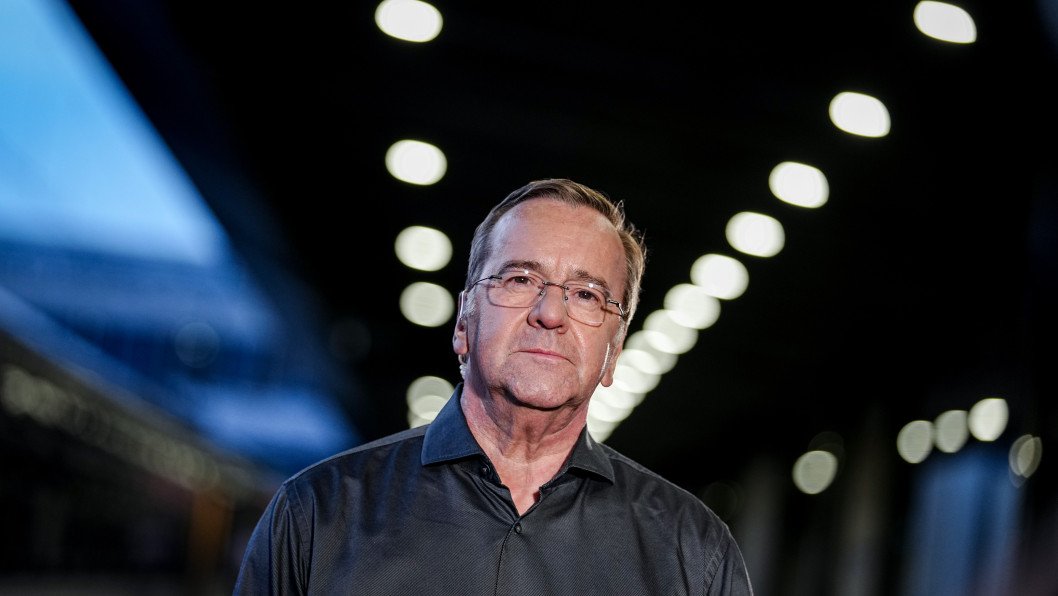
“For many years it has been clear that the United States will gradually reorient part of its resources toward the Indo-Pacific region. The main question now is how to synchronize this process so as not to allow dangerous gaps in Europe’s defense capabilities,” he said.
Pistorius pointed to Germany’s expanding military role within NATO, highlighting deployments and long-term commitments on the Alliance’s eastern flank.
“Germany is already making a significant contribution. For example, in Lithuania, a German brigade of more than 2,900 soldiers is currently participating in the Freedom Shield exercises. By the end of 2027, a fully combat-ready brigade of around 5,000 soldiers will be deployed there,” he said.
-557e22c7722f9eebd9873d7ea7e92a9b.jpg)
He added that multinational command structures are also being strengthened in Latvia and Estonia, where a German–Dutch corps will take over NATO tactical headquarters duties from July.
The defense minister also reaffirmed Germany’s continued involvement in NATO air policing missions, underscoring the importance of sustained collective defense efforts across the Alliance.
At the same time, Pistorius cautioned that key decisions on which specific responsibilities European allies will assume in the event of a reduced US presence remain unresolved.
-5db4ea59ec606371983659e7d774c36f.jpg)
“However, the decision on which functions European allies will take on in the event of a reduction in American presence has not yet been made. But it is obvious that this process must be well coordinated and gradual,” he said.
Defense Minister also noted that while Europe can compensate for certain US capabilities, it cannot replace them all at once, stressing that work is currently underway on NATO’s political guidance through 2027 to define which tasks the Alliance will assume and which countries will take responsibility for corresponding capabilities.
During the same meeting, Pistorius stated that Germany has sent two naval vessels to the Red Sea as part of preparatory steps for a possible mission in the Strait of Hormuz.
Discuss this article:


-c439b7bd9030ecf9d5a4287dc361ba31.jpg "Photo of Katherina Popilnichenko")


-72b63a4e0c8c475ad81fe3eed3f63729.jpeg "Photo of Cyril Barabaltchouk")